When I’m prepping the shop for the spring rush, there’s a specific shift in the air. It’s not just the warming temperatures in zones 6 through 8; it’s the arrival of the bulbs. Easter isn’t just a date on the calendar for us florists it’s a profound narrative told through petals and stems. Every flower we sell during this season carries a weight of history, specifically tied to the Resurrection.
Most folks walk in looking for something that just 'looks like spring,' but there’s so much more to the story. Whether you’re decorating your dining room table in Chicago or sending a bouquet to a loved one in Charleston, these flowers are essentially the visual gospel. Let’s walk through the symbolism that makes this season so incredibly special.
1. The Easter Lily
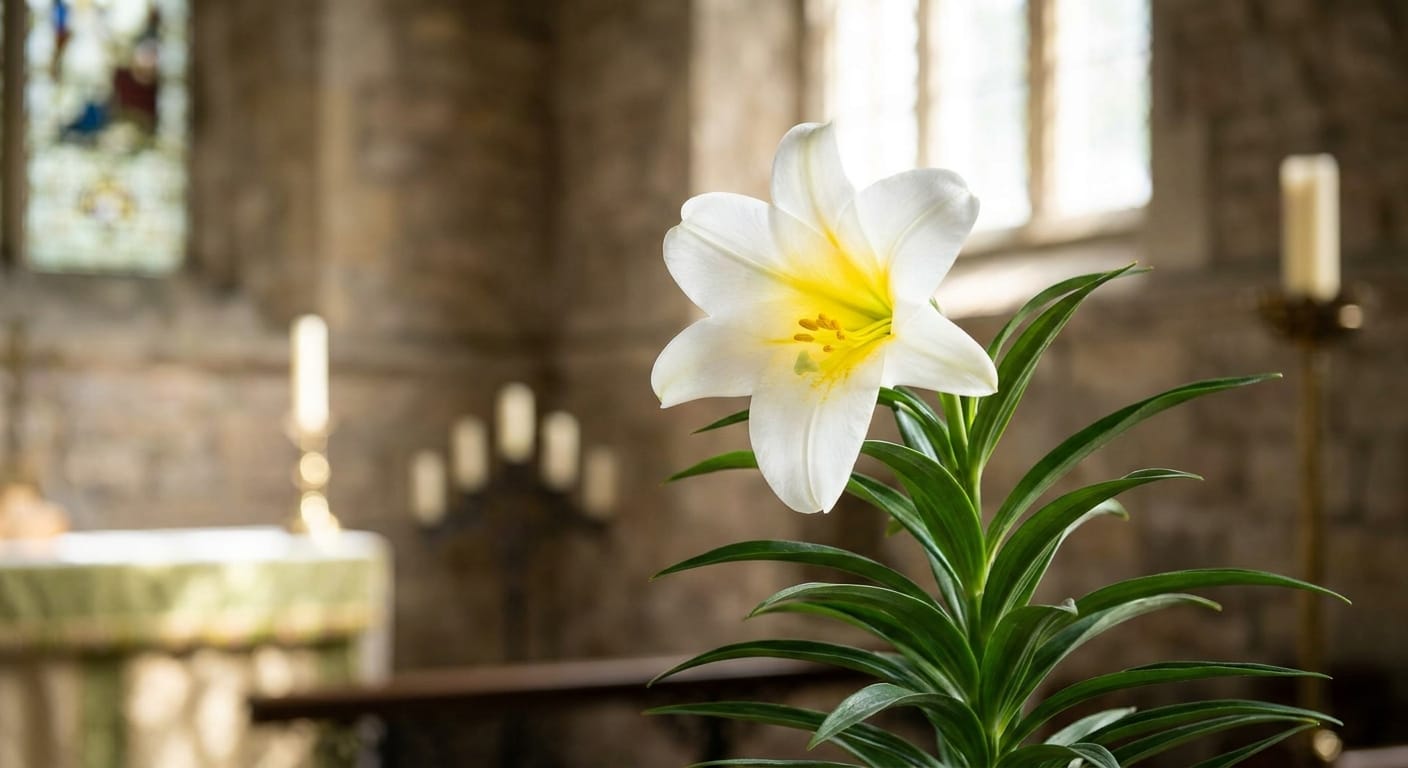
If there’s one flower that defines the holiday, it’s the Easter lily (Lilium longiflorum). Legend has it that these lilies were found growing in the Garden of Gethsemane after Christ’s agony, where drops of his sweat fell to the ground. In the industry, we treat these as the gold standard of the season. Their trumpet shape is often interpreted as a horn announcing the news of the Resurrection.
Beyond the lore, the physical growth of the plant is symbolic. It emerges from a bulb buried in the dark, cold earth, pushing through the soil to reach the light. It’s a perfect botanical metaphor for the Resurrection. When you’re picking one out, look for a plant with several buds in different stages of development you want some tight, some showing color, and maybe one or two open. That way, you’ll have color for the entire week of Easter rather than just a single day.
2. White Roses
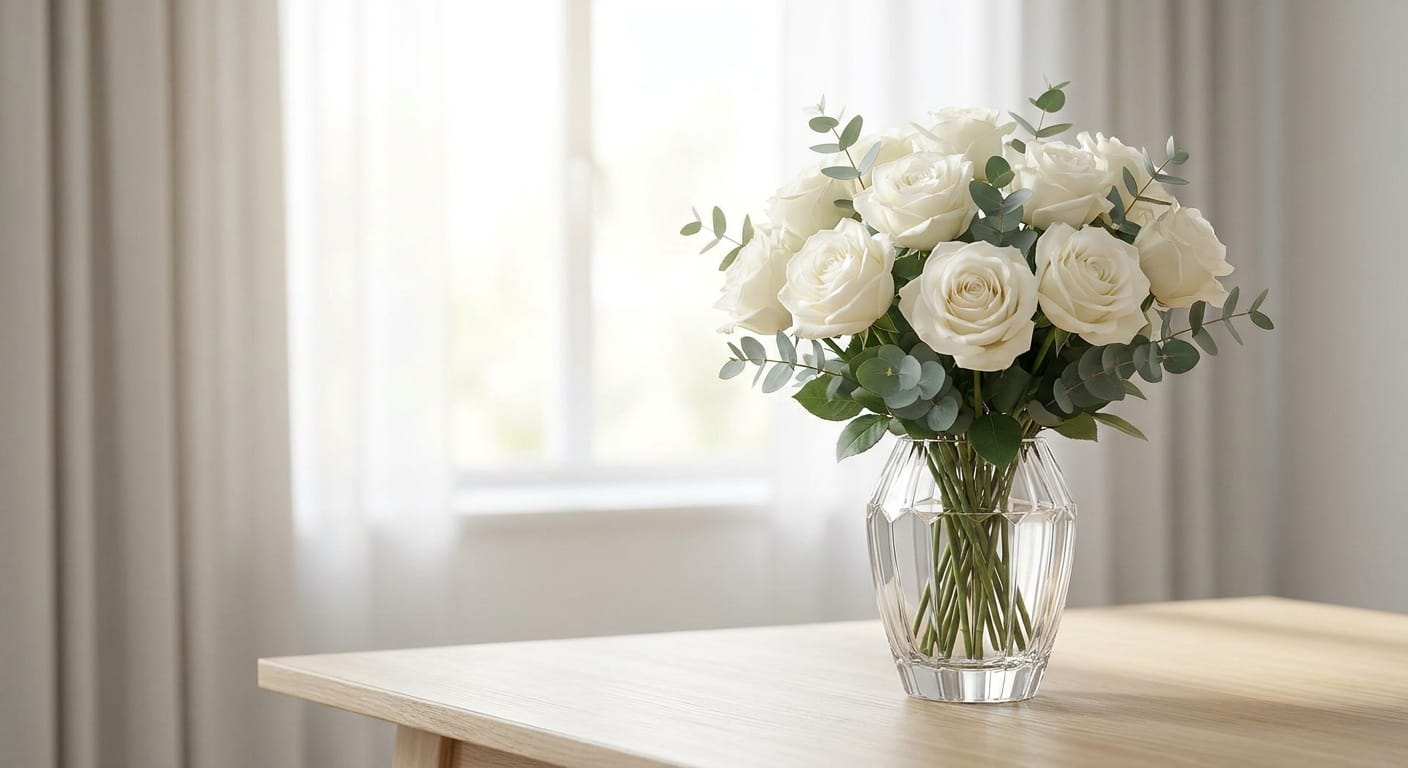
While we associate roses with romance, the white rose has a very different role during Holy Week. In Christian tradition, the white rose is the quintessential symbol of purity, innocence, and the Virgin Mary. We often include them in arrangements to balance the structural height of lilies with a softer, more classic shape.
Honestly, there’s something about a tight, high-centered white rose that feels incredibly reverent. In my experience, they pair perfectly with baby’s breath or delicate greenery like ruscus. If you’re putting together a centerpiece, keep the stems trimmed to about 12 to 14 inches. It keeps the arrangement grounded. Also, don't be afraid to pull off the 'guard petals' those outer, slightly discolored leaves to reveal the perfect, pristine bloom underneath.
3. Tulips
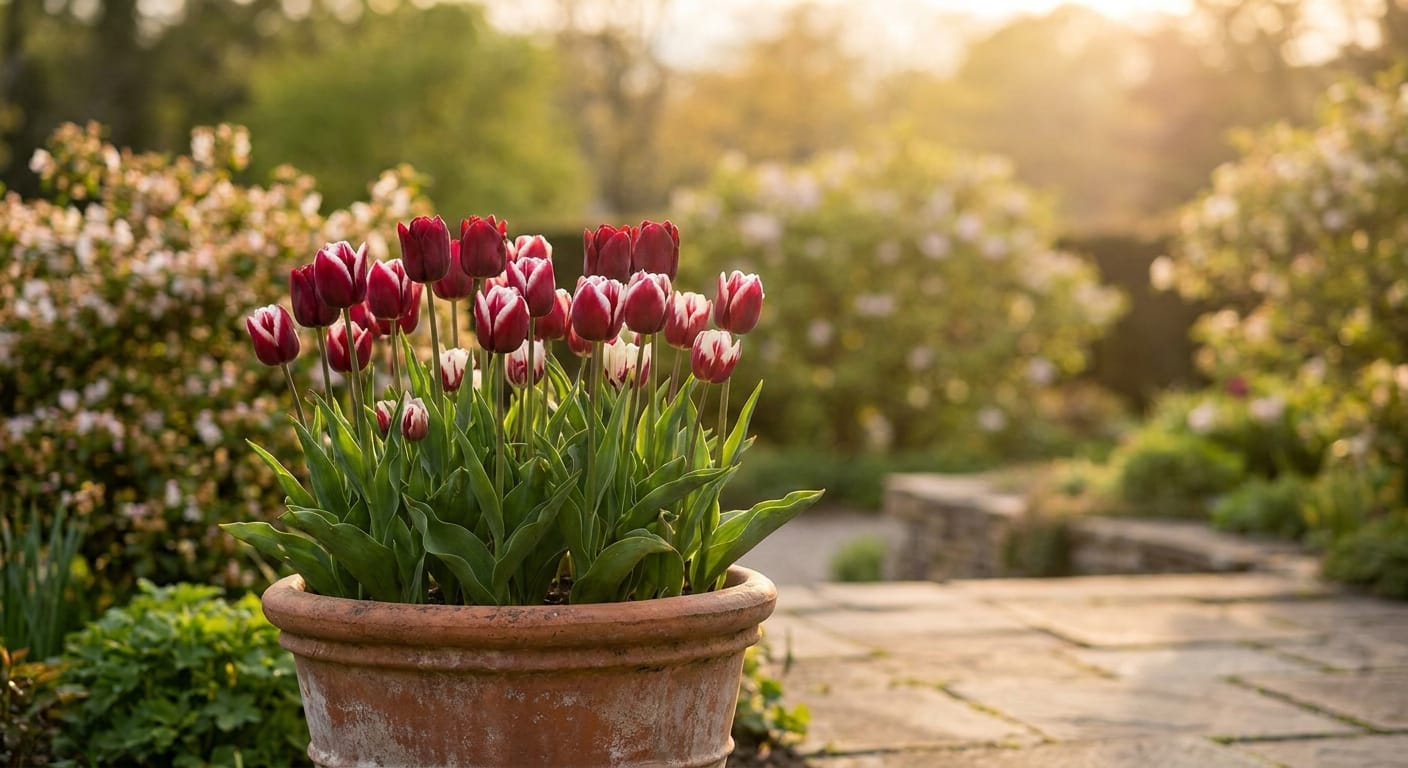
Tulips are the quintessential heralds of spring, but in the church, their colors tell a specific story. Red tulips are often used to symbolize the blood of Christ shed during the Passion, while white tulips represent the purity of the Resurrection. It’s common for us to see customers mixing these colors to represent the full journey of Holy Week.
Pro-tip: Tulips are 'phototropic,' meaning they continue to grow and bend toward the light even after they’re cut. If you wake up on Easter morning and your tulips look like they’re dancing in the vase, don't panic. That’s just them living their best life. If you want them to stay put, keep the vase away from direct sunlight. They’ll last about 5 to 7 days if you keep the water fresh and cool.
4. Daffodils
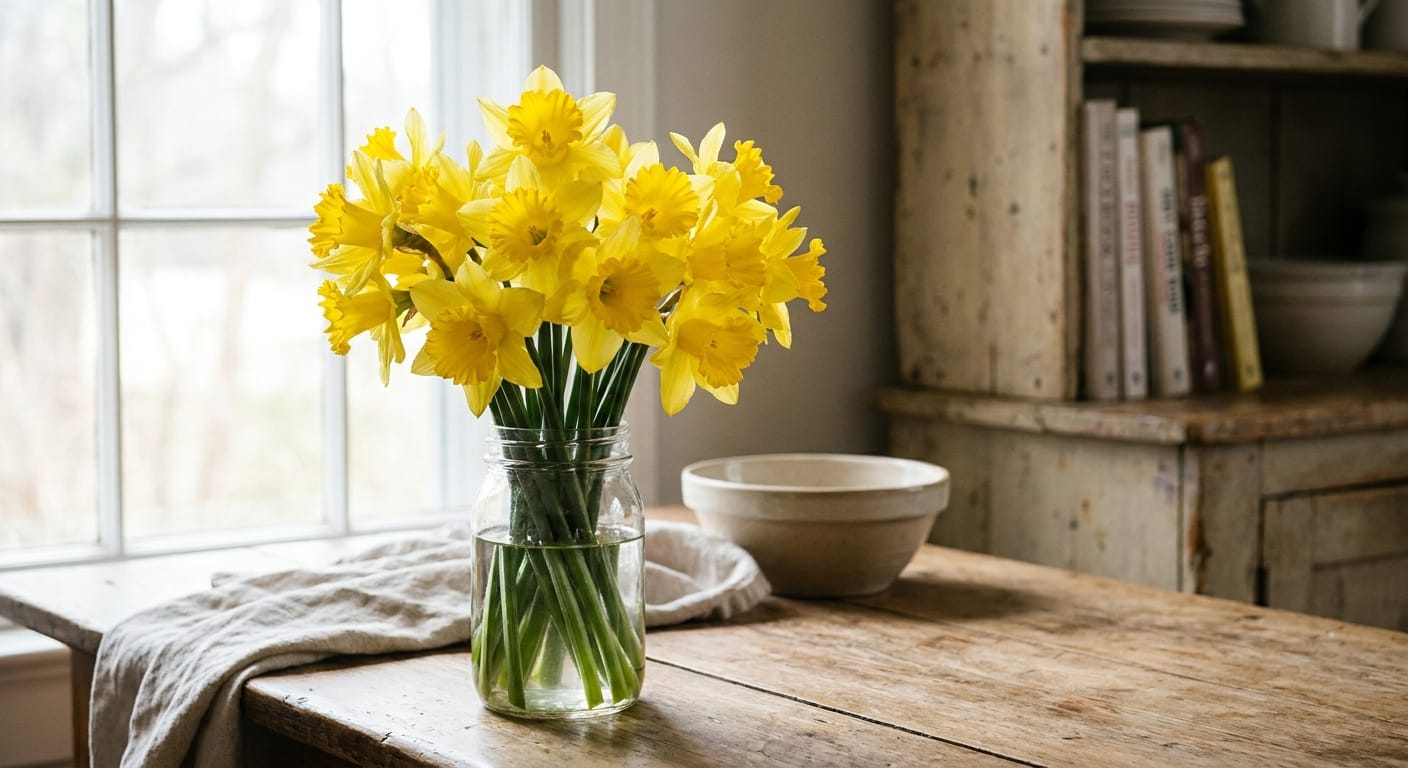
In many parts of the U.S., the daffodil is one of the first things to poke its head out of the frozen ground. Because of this, they are the ultimate symbol of new life and the triumph of the Resurrection over the 'death' of winter. Their bright, sunny yellow color is meant to be a reminder of the joy of the season.
They’re a bit tricky for florists because they release a sap that can actually shorten the life of other flowers in the same vase. Here’s the secret: if you’re mixing them with other blooms, let the daffodils sit in their own water for a few hours first. Then, rinse the stems and add them to your main arrangement. It prevents that sap from clogging the stems of your roses or lilies. It’s a small extra step, but your bouquet will thank you by lasting two or three days longer.
5. Hydrangeas
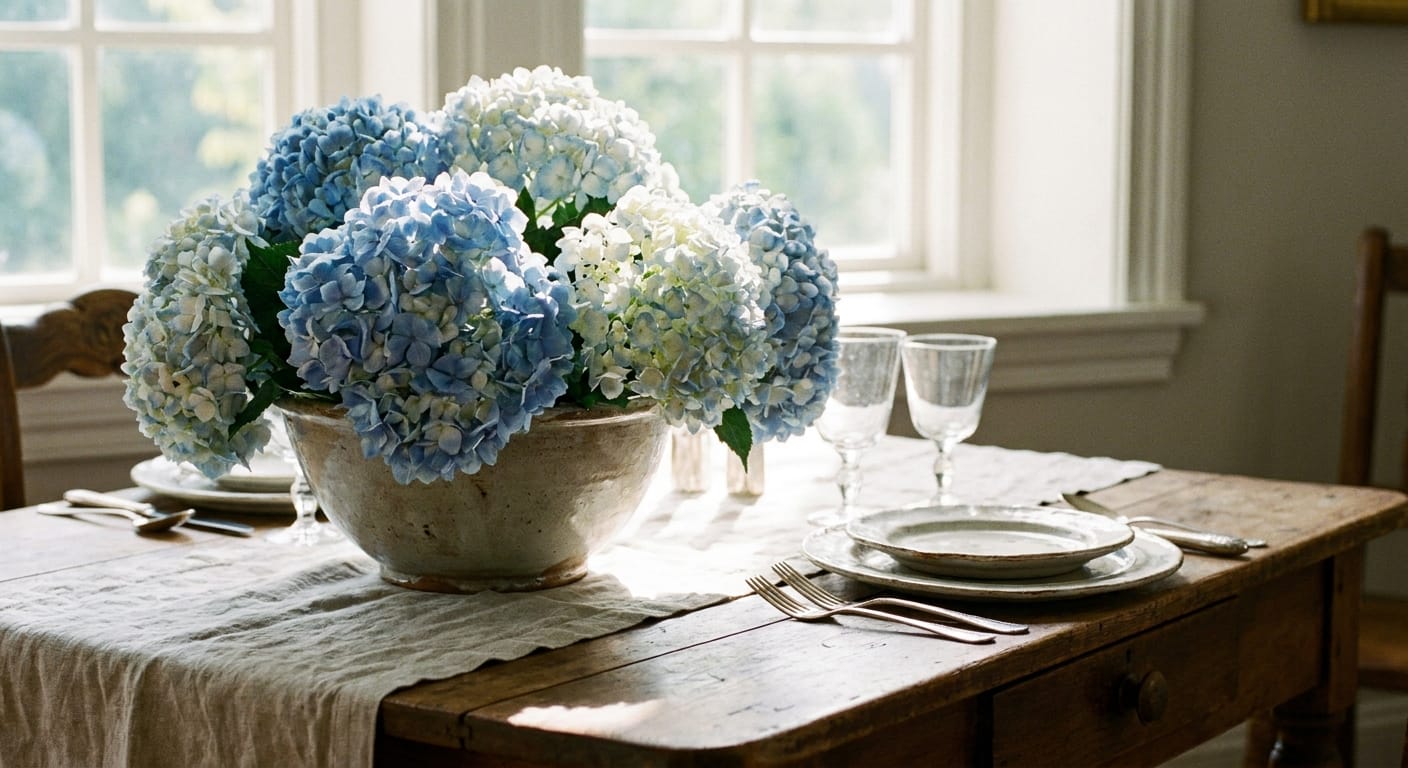
While they aren't as 'biblical' in origin as the lily, hydrangeas have become a staple for Easter Sunday service decor. Their massive, globe-like blooms represent heartfelt emotion and abundance. In the context of the holiday, they signify the overwhelming joy and the 'fullness' of the Resurrection.
Because they drink so much water, you need to be careful with them. If your hydrangea starts to wilt which happens, they’re thirsty plants don’t give up. Submerge the entire flower head in a bowl of cool, room-temperature water for about 30 minutes. It’s like a spa treatment for the plant. They’ll perk right back up. They are perfect for large, low-profile centerpieces on a dining table where you want to encourage conversation without blocking the view.
6. Carnations
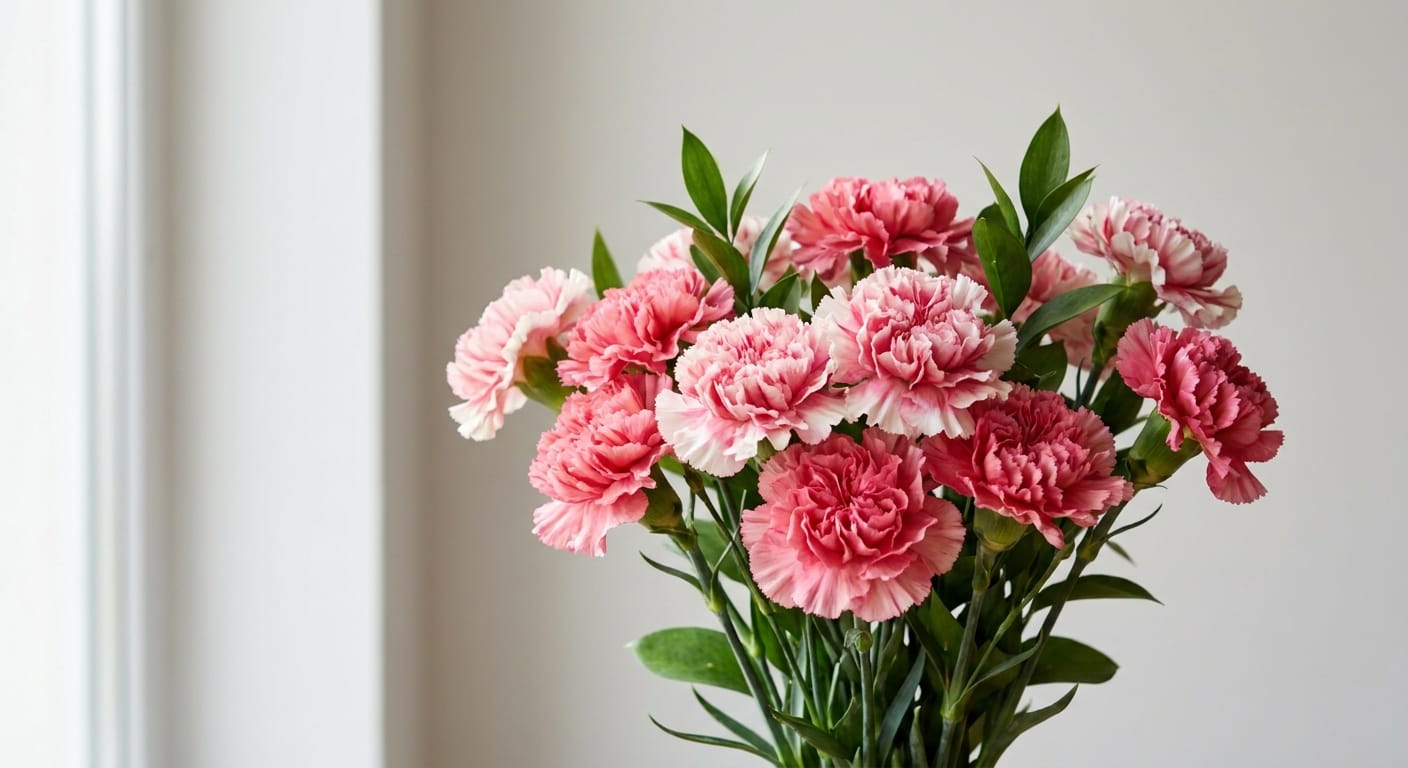
Carnations get a bad rap as 'filler flowers,' but in the church, they’re actually quite significant. Legend says that carnations first bloomed on earth from the tears of the Virgin Mary as she wept for Jesus on the way to the cross. Because of that, they’ve long been a symbol of motherly love and enduring grace.
They are also incredibly sturdy. If you’re shipping an arrangement or traveling with one, carnations are your best friend. They can handle a bit of heat and don't require the delicate touch that a lily or a tulip does. I always suggest using them in larger, community-style arrangements. They provide a lush, ruffly texture that fills space beautifully without breaking the bank. Plus, they come in almost every color imaginable, so you can really dial in your specific color palette.
7. Baby’s Breath
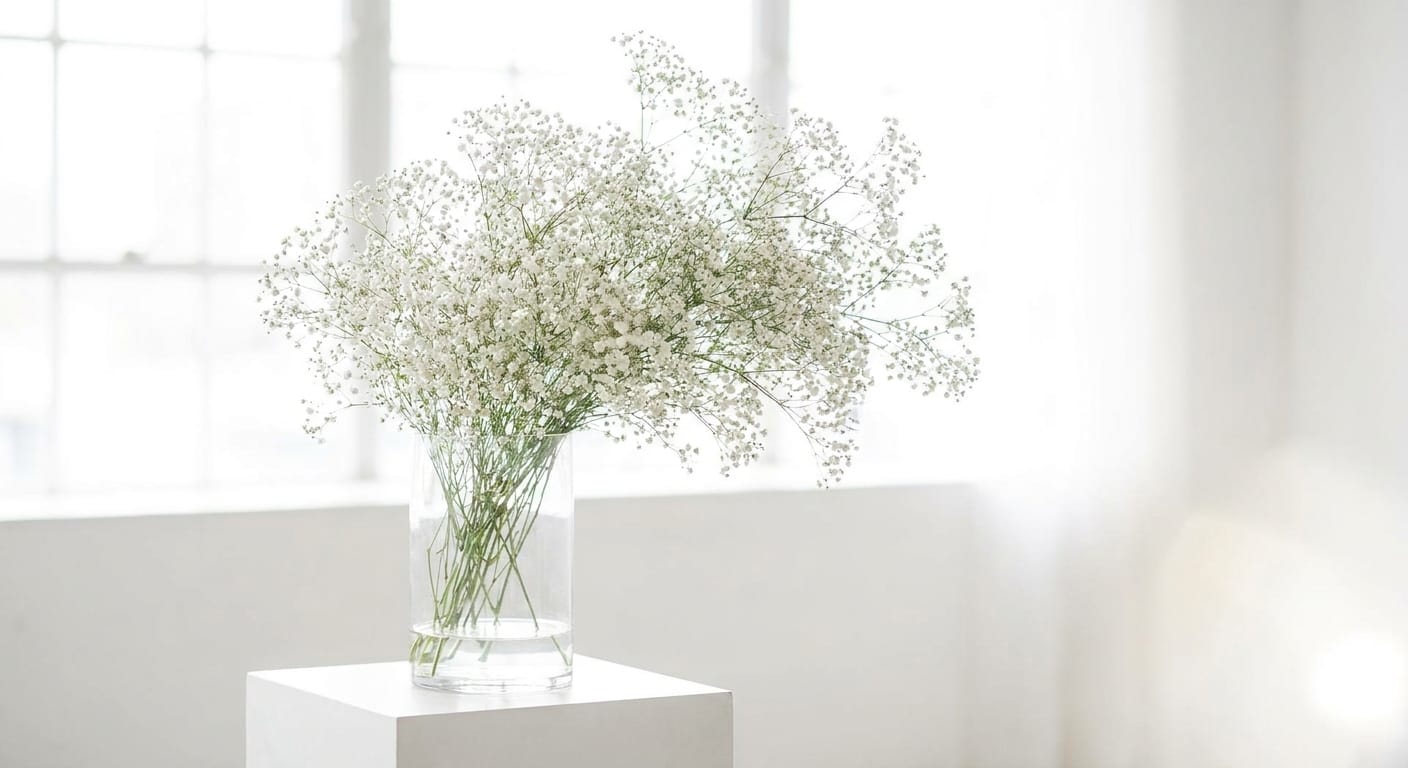
Technically known as Gypsophila, Baby’s Breath is the unsung hero of the Easter floral world. It represents the innocence of the Christ child and the simplicity of faith. It’s the perfect 'cloud' that supports the more prominent flowers in an arrangement, symbolizing the way faith supports our lives.
I love using it on its own, too. A large, monobotanical arrangement of just baby’s breath looks incredibly modern and clean. It’s also very easy to dry. If you want to keep your Easter arrangement as a keepsake, hang the baby’s breath upside down in a cool, dark place. It’ll hold its shape and color for months. It’s a great way to extend that holiday feeling well into the summer months.
The bottom line is that your choice of Easter flowers can be more than just a decorative decision; it can be a way to honor the season's deeper meaning. Whether you go for the traditional trumpet of the lily or the simple joy of a daffodil, you’re bringing a piece of the Resurrection story into your home.