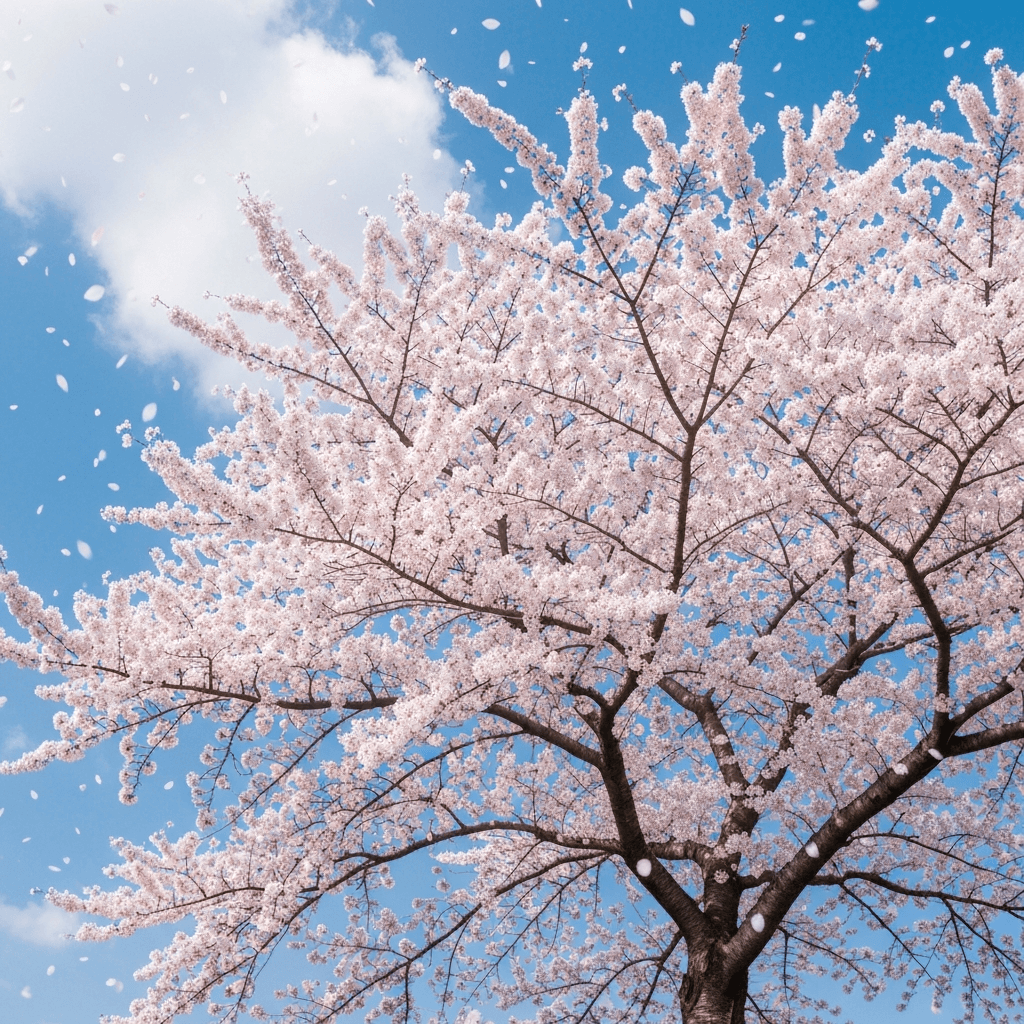
Few natural events in the world generate as much anticipation, as many photographs, or as much genuine emotion as cherry blossom season. For 1-2 weeks each spring, cherry trees transform from bare branches into breathtaking clouds of pink and white. In Japan, this event is treated as a national celebration. In the United States, it draws millions of visitors to parks and gardens across the country. This complete guide covers everything the botany, the cultural meaning, the best US locations, care tips for cut branches, and the science of predicting peak bloom.
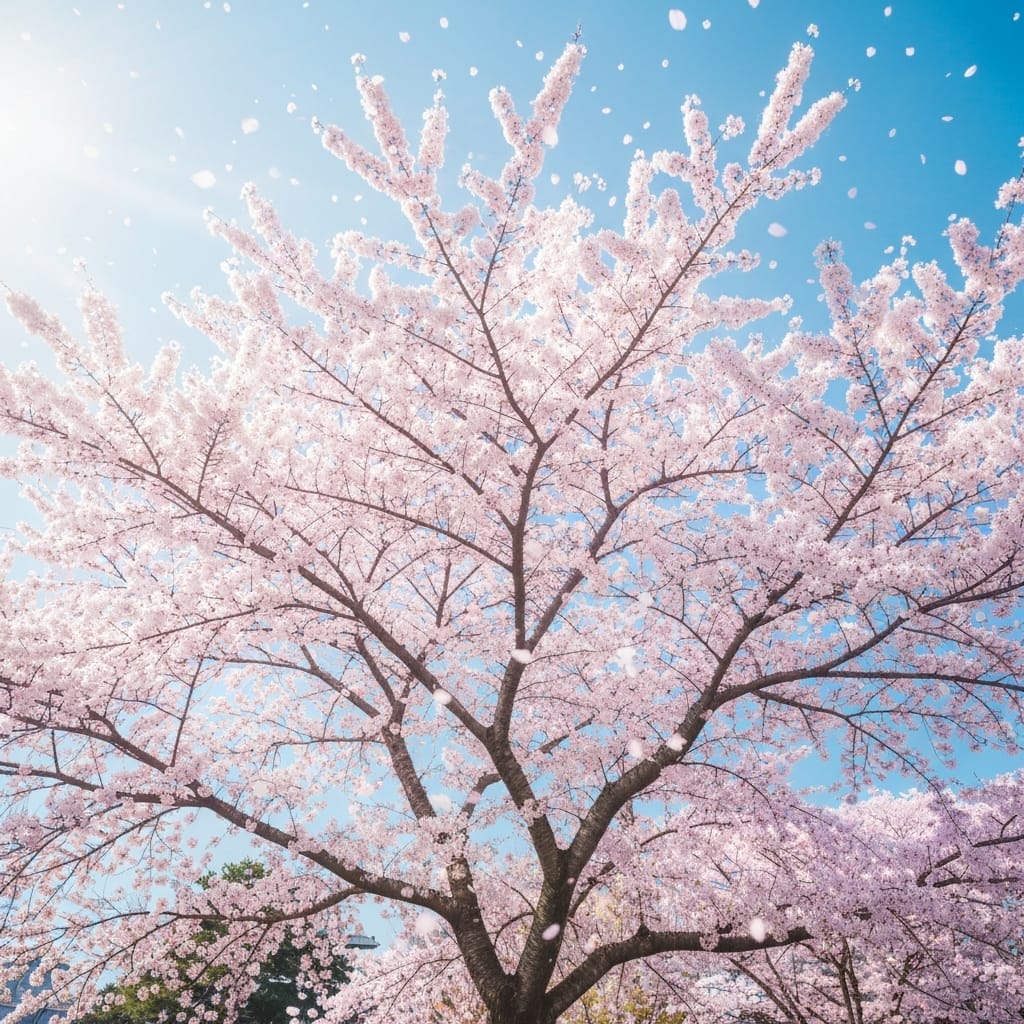
What Is a Cherry Blossom? Botany and Classification
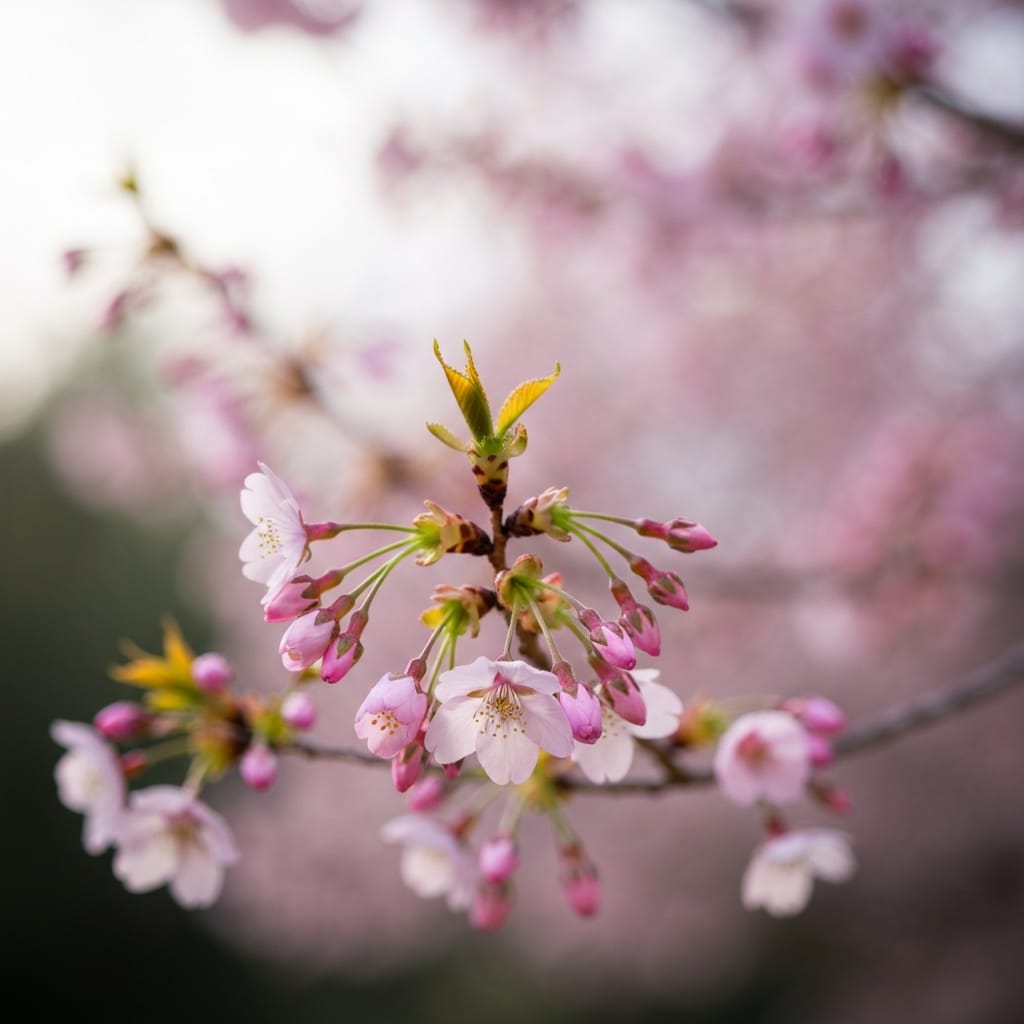
Cherry blossoms are the flowers of trees in the genus Prunus the same genus as plums, peaches, apricots, and almonds. The flowers appear before the leaves in early spring, covering bare branches in dense clusters of delicate blooms.
Scientific classification:
- Kingdom: Plantae
- Order: Rosales
- Family: Rosaceae
- Genus: Prunus
- Key species for ornamental blossoms: Prunus serrulata (Japanese flowering cherry), Prunus × yedoensis (Yoshino cherry), Prunus subhirtella (Higan cherry)
Bloom characteristics:
- Colour: Pale pink to white; some varieties deep pink or rose
- Petal count: 5 petals (single) or 20-50+ petals (double varieties like Kwanzan)
- Bloom size: 3-4 cm per flower
- Cluster size: 2-6 flowers per cluster
- Bloom duration: 1-2 weeks at peak
The most commonly planted variety in the United States particularly in Washington D.C. is the Yoshino cherry (Prunus × yedoensis), which produces pure white to pale pink single blooms with a light, sweet fragrance.
The Japanese Cultural Meaning of Cherry Blossoms (Sakura)
In Japan, cherry blossoms (sakura in Japanese) are arguably the most culturally significant flower in existence. Their meaning permeates Japanese art, literature, philosophy, and daily life.
Mono no aware (物の哀れ): This Japanese philosophical concept sometimes translated as "the pathos of things" captures the bittersweet emotion of appreciating beauty precisely because it is temporary. Cherry blossoms, lasting only 1-2 weeks, are its most powerful symbol. The falling of cherry blossoms is as celebrated as their blooming.
Hanami (花見): The centuries-old Japanese tradition of "flower viewing." Japanese people gather under blooming cherry trees with food and drinks to celebrate and appreciate the blossoms. Hanami parties are documented as far back as 710 AD in the Imperial Court. Today, tens of millions of Japanese people participate in hanami every spring.
Renewal and new beginnings: In Japan, the academic and fiscal year begins in April coinciding with cherry blossom season. Cherry blossoms are therefore associated with graduation, new beginnings, optimism, and life transitions.
Warrior culture: In Japanese military tradition, cherry blossoms were associated with samurai and later with kamikaze pilots in World War II the brief, beautiful life falling at the height of bloom. This association gave sakura a complex and sometimes sobering dimension.
International diplomacy: Japan has gifted cherry trees to numerous countries as symbols of friendship. The 3,000 cherry trees given to Washington D.C. in 1912 a gift from Mayor Yukio Ozaki of Tokyo are the most famous example, and they remain the foundation of the US's most beloved spring festival.
Cherry Blossom Meaning in Western Culture
In Western cultures, cherry blossoms have accumulated their own set of meanings, primarily through Japanese cultural influence:
Beauty and femininity: Cherry blossoms are widely associated with feminine beauty, grace, and delicacy in Western popular culture particularly through Japanese influence in fashion, design, and art.
Spring and renewal: In the West, cherry blossoms simply signal the arrival of spring one of the earliest and most reliable floral indicators that winter has ended.
Love and romance: The pale pink colour and delicate petals make cherry blossoms a natural romantic symbol. They appear in wedding decor, engagement photography, and romantic imagery.
The 🌸 Emoji: The cherry blossom emoji represents spring, beauty, Japan, femininity, and fleeting moments. It is one of the most widely used nature emoji globally.
Cherry Blossom Varieties: Which One Are You Seeing?
There are hundreds of cherry blossom varieties. These are the most commonly encountered in the US:
| Variety | Colour | Bloom Time | Notes |
|---|---|---|---|
| Yoshino (Prunus × yedoensis) | White to pale pink | Late March-early April | Most common; Washington D.C. |
| Kwanzan (Prunus serrulata 'Kwanzan') | Deep pink, double | Mid-April | Dense, fluffy; 30+ petals per flower |
| Weeping Cherry (Prunus pendula) | Pale pink | Late March | Cascading branches, elegant form |
| Okame | Deep rose-pink | Early March | One of the earliest-blooming varieties |
| Autumnalis | Pale pink | November-March | Unusual semi-evergreen; blooms in winter |
| Akebono | Pink | Late March | Similar to Yoshino; slightly pinker |
Where to See Cherry Blossoms in the United States
The US has some of the world's finest cherry blossom viewing outside Japan. Here are the best locations by city:
1. Washington D.C. National Cherry Blossom Festival
The most famous cherry blossom event in America. Approximately 3,750 trees (mostly Yoshino variety) surround the Tidal Basin near the National Mall. Peak bloom typically falls in late March to early April. The National Cherry Blossom Festival runs for several weeks with events, cultural activities, and the Blossom Kite Festival.
2. New York City Brooklyn Botanic Garden
The BBG's Cherry Esplanade contains over 200 cherry trees in 42 varieties, including the rare Ukon (greenish-yellow blooms) and Shirofugen (white blooms opening from pink buds). Sakura Matsuri (Cherry Blossom Festival) is held annually in late April-early May.
3. San Francisco Japanese Tea Garden, Golden Gate Park
One of the oldest Japanese gardens in the US, with cherry trees that bloom in late March through April. The setting traditional Japanese architecture surrounded by blossoms is genuinely stunning.
4. Seattle University of Washington Campus
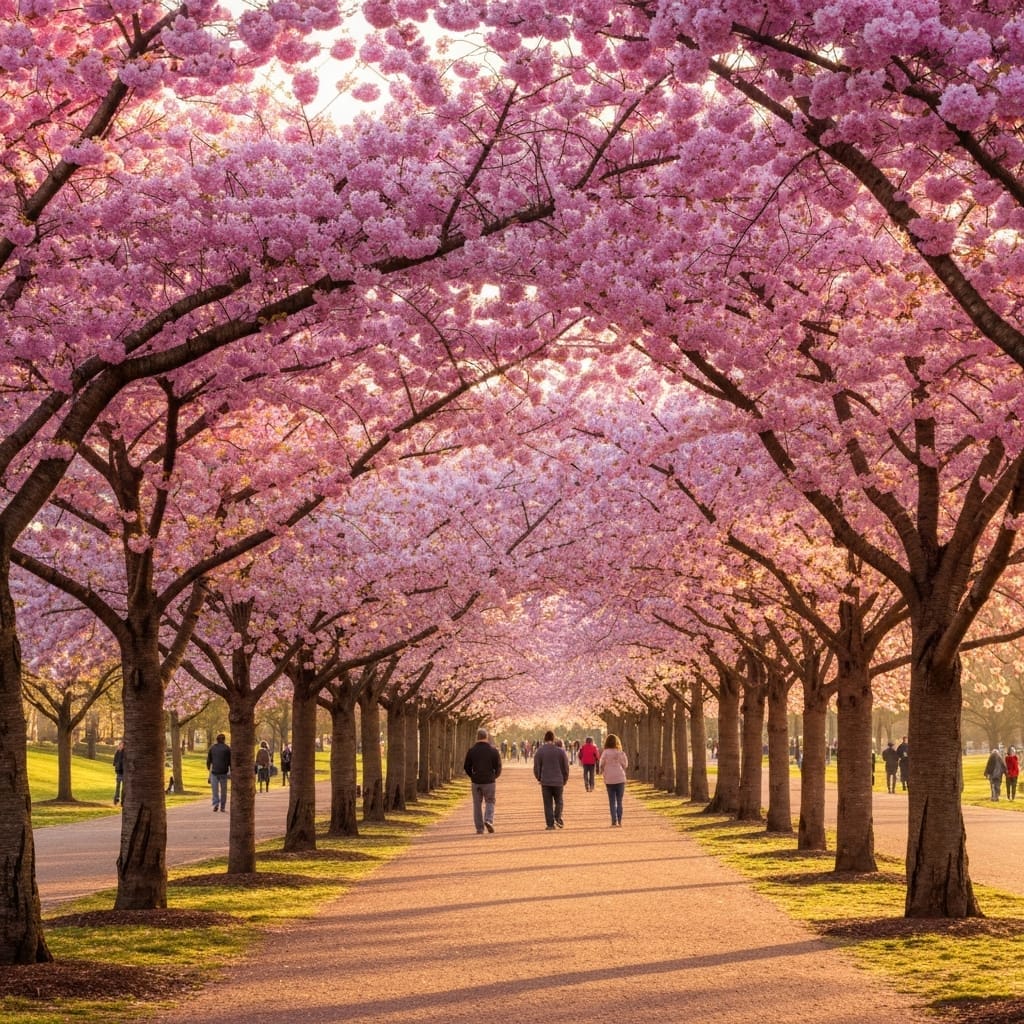
The Quad at UW is famous for its 30 Yoshino cherry trees that create a breathtaking pink canopy in late March. It's one of the most photographed cherry blossom locations in the western US.
5. Philadelphia Shofuso Japanese House and Garden
A traditional 17th-century style Japanese house surrounded by cherry trees in Fairmount Park. An intimate, culturally authentic setting for cherry blossom viewing.
6. Portland, Oregon Tom McCall Waterfront Park
Portland's Japanese Garden and waterfront park host significant cherry blossom displays in April. The mild Pacific Northwest climate creates an extended bloom season.
7. Macon, Georgia International Cherry Blossom Festival
Macon claims to have the most Yoshino cherry trees of any city in the world outside Japan approximately 350,000 trees. The International Cherry Blossom Festival in mid-March draws 300,000+ visitors.
8. San Jose, California Kelley Park
Happy Hollow Park and Kelley Park host the annual San Jose Cherry Blossom Festival in April, one of the largest Japanese cultural festivals in the western US.
When Do Cherry Blossoms Peak? How to Predict Bloom
Cherry blossom timing is determined by winter temperatures and spring warming rates. Predicting peak bloom has become a sophisticated science.
General US bloom windows by region:
- Southern states (Macon, GA): Mid-March
- Mid-Atlantic (Washington D.C., Philadelphia): Late March to early April
- Pacific Northwest (Seattle, Portland): Late March to mid-April
- Northeast (New York, Boston): Mid-April to early May
- Great Lakes, Midwest: Late April to mid-May
How peak bloom is determined: The National Park Service tracks "Stage 6" the point at which 70% or more of Yoshino blossoms are open. Peak bloom typically lasts 4-10 days, depending on weather. Rain and wind shorten it; cool temperatures extend it.
Best viewing tip: For the most spectacular display, visit 2-3 days after peak bloom is declared. The trees will be fully open but petals won't have started falling. Return 3-4 days later for the equally beautiful "petal snowfall" petals drifting to the ground.
Cherry Blossoms as Cut Flowers
Fresh cherry blossom branches are available from specialty florists in early spring (late February through April, depending on your region). As cut branches, they make extraordinary statement pieces.
How to use cherry blossom branches:
- Place long branches (24-36 inches) in a tall floor vase for a dramatic indoor display
- Combine with white ranunculus or white tulips for a Japanese-inspired arrangement
- Use as ceremony decor at spring weddings branches arching over an aisle create an unforgettable effect
Care for cut branches: Cut the end of each branch at a 45-degree angle and make 2-3 vertical slits up the cut end to help water absorption. Use warm water (not cold) and keep in a bright location out of direct sun. Mist the buds daily. Branches last 5-10 days as cut flowers.
Frequently Asked Questions
Quick answers to common questions


