When a friend or family member passes away, the urge to reach out and offer comfort is powerful. Flowers have served as a silent language of empathy for centuries, but if you’ve never had to order a sympathy arrangement before, the process can feel intimidating. You don’t want to get it wrong during such a sensitive time.
In my years working with florists across the US, I’ve seen people agonize over the perfect petal. Here’s the truth: the gesture matters more than the specific species. However, understanding funeral flower etiquette helps you avoid potential missteps and ensures your tribute is received with the grace you intend. Let’s break down the unspoken rules of the trade.
Understanding the Basics of Sympathy Flowers
Before you place an order, always check the obituary. It’s the most important step. If you see the phrase "in lieu of flowers," the family likely prefers a charitable donation instead. It’s not a slight against florists; it’s a specific wish. If they haven’t specified, traditional sympathy arrangements are almost always a safe, appreciated bet.
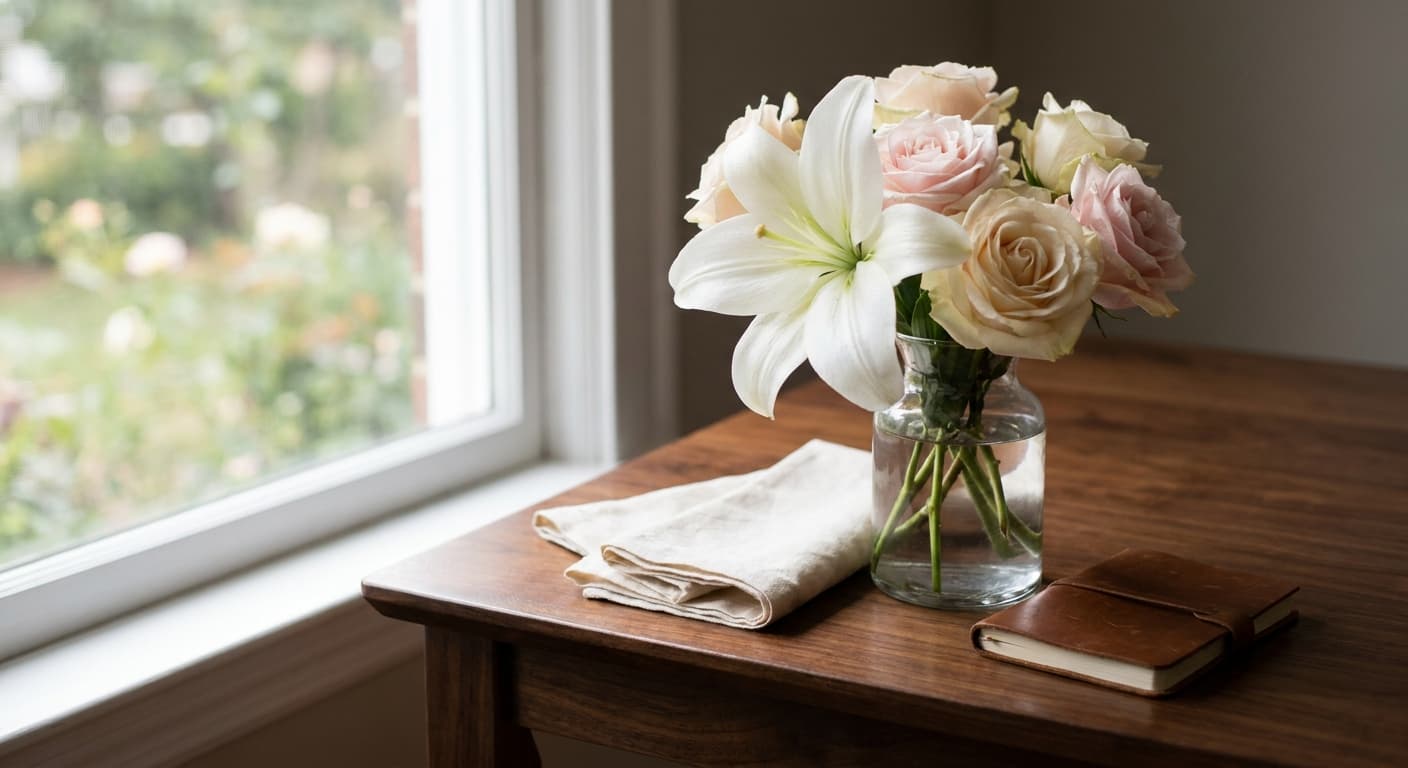
Think about the setting. A large standing spray is meant for the funeral home or the church, whereas a smaller, vase-bound arrangement is much more appropriate for a family’s home. Sending a giant, five-foot-tall wreath to a grieving widow’s apartment might just add to their clutter rather than offering comfort. Keep the scale in mind.
The Traditional Flowers: What to Send
Certain flowers have stood the test of time for a reason. They convey specific sentiments that align with mourning and remembrance. If you're stuck, go with these:
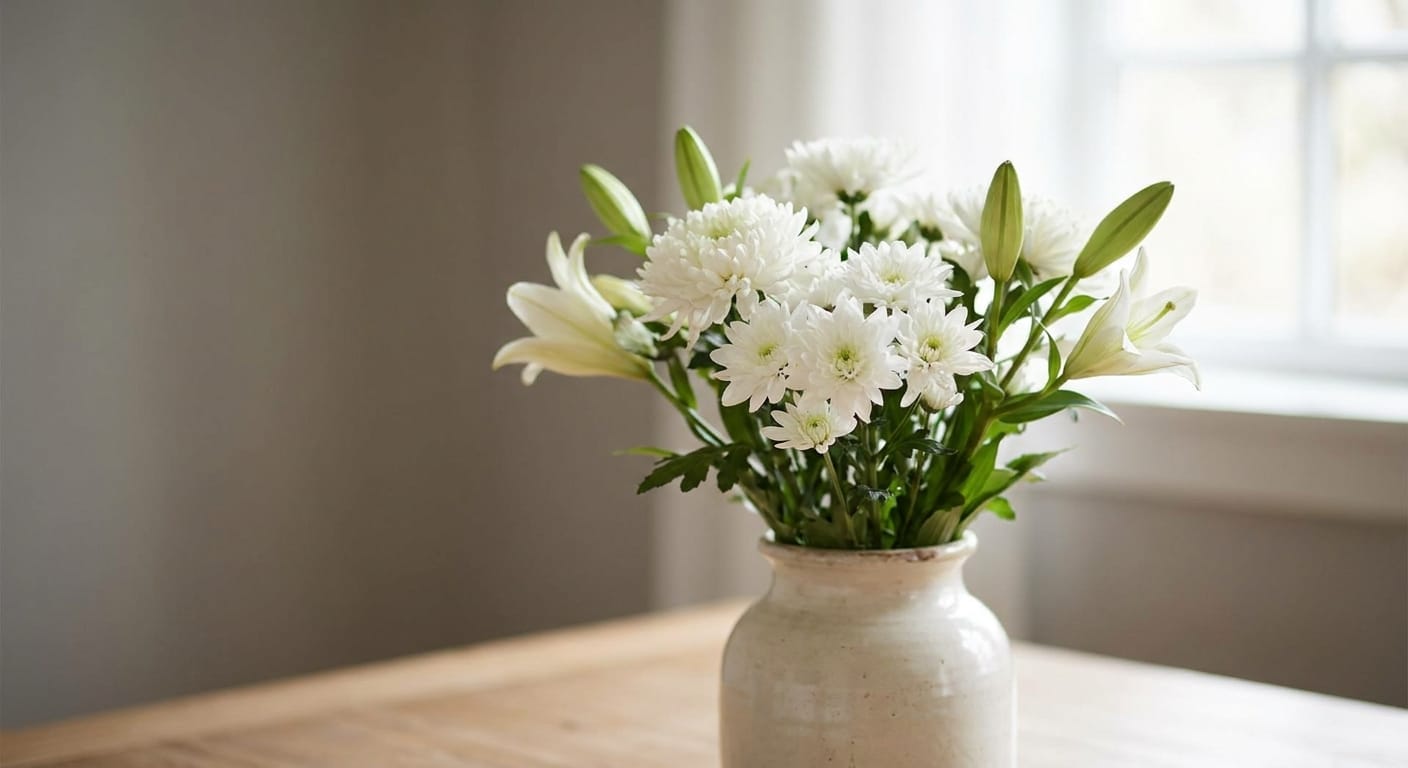
- White Lilies: These are the gold standard. They symbolize the restored innocence of the soul and are synonymous with funeral services across North America. Their scent is strong, though, so maybe skip them if the service is in a tiny, unventilated room.
- Chrysanthemums: In many parts of the US and Europe, these are strictly funeral flowers. They represent death and grieving. They are hardy, long-lasting, and hold up well if the service lasts several hours in a warm room.
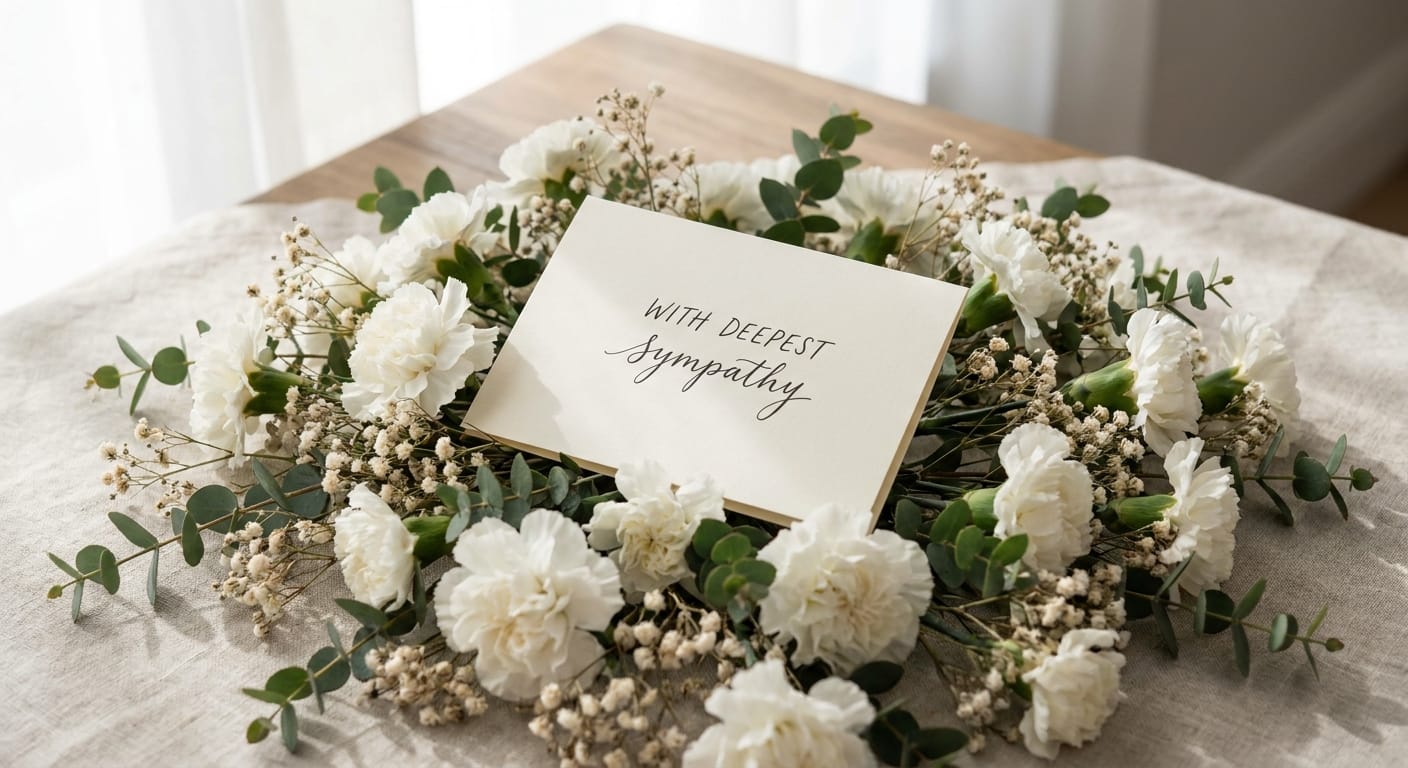
- Carnations: They are the workhorses of the floral world. They are budget-friendly, come in beautiful muted tones like pale pink or white, and are incredibly durable. A dense carnation spray is a classic, respectful choice.
Respecting Religious and Cultural Sensitivities
Not every culture views flowers the same way. If you’re attending a service for someone from a different background, a quick bit of research goes a long way. For example, in some Eastern cultures, white flowers are strictly for funerals, while red is considered celebratory and inappropriate. In the Jewish tradition, flowers are often discouraged at the burial site, though they may be sent to the family’s home after the shiva.
If you aren't sure, keep it neutral. You really can’t go wrong with shades of white, cream, or soft lavender. These colors are universally recognized as calming and respectful. Avoid anything too "loud" or neon, as it can feel jarring in a somber environment. If the deceased had a favorite color that was bright like a vibrant yellow sunflower it’s usually okay to include a few stems as a tribute to their personality, but keep the overall composition grounded.
What to Avoid: Common Pitfalls
I’ve seen it happen: a well-meaning relative sends a massive, neon-colored bouquet that looks like it belongs at a birthday party. Avoid anything overly festive. We want to express sympathy, not throw a celebration. Also, avoid anything that requires excessive maintenance from the grieving family. They aren't going to want to trim stems or change water every single day.
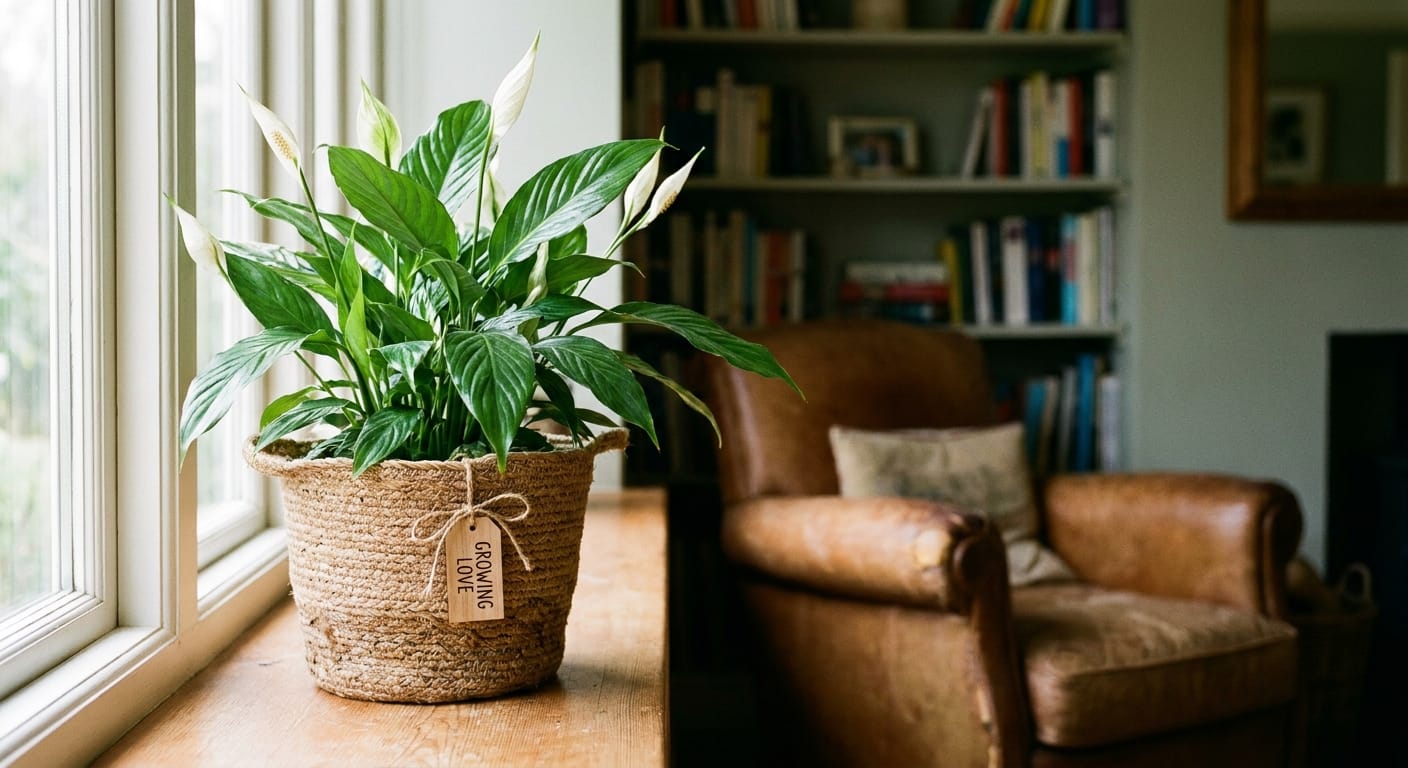
If you are sending flowers to their home, opt for a low-maintenance arrangement or a potted plant. A peace lily is a fantastic choice because it’s hardy, purifying, and lasts for years if they keep it watered. It’s a living reminder of your support that doesn't die in three days, which can be a heavy reminder of loss for some people.
Crafting the Perfect Sympathy Card
Keep it simple. You don’t need to write a novel. The family is likely overwhelmed and won't have the emotional capacity to read long, flowery prose. Stick to a genuine, concise message. Something like "Thinking of you during this difficult time" or "With deepest sympathy for your loss" is perfectly sufficient.
If you were close to the deceased, feel free to add a short memory, but keep it brief. Avoid phrases like "I know how you feel" or "Everything happens for a reason." Those rarely land well, even if you mean the best. Stick to the support you want to offer them right now.
The Final Touch: Delivery Timing
Timing is everything. For the funeral service, ensure your florist delivers at least two hours before the service begins. This gives the funeral director time to place it properly. If you’re sending to the home, it’s often better to wait a few days. The first few days are a blur of visitors and planning. Sending a bouquet a week or two later, when the initial rush of support has faded, can be a incredibly thoughtful gesture that shows you haven't forgotten them.
Remember that florists are your best resource. If you call a local shop, tell them your budget and the relationship you had with the deceased. They do this every day. They know which varieties are in season, which ones will last through a long day in a 75°F church, and how to make a statement that is respectful rather than overwhelming.
The bottom line is this: flowers are a bridge when words fail. Don't overthink the specific bloom types too much it's the act of showing up, even from a distance, that truly matters to a grieving family.


