
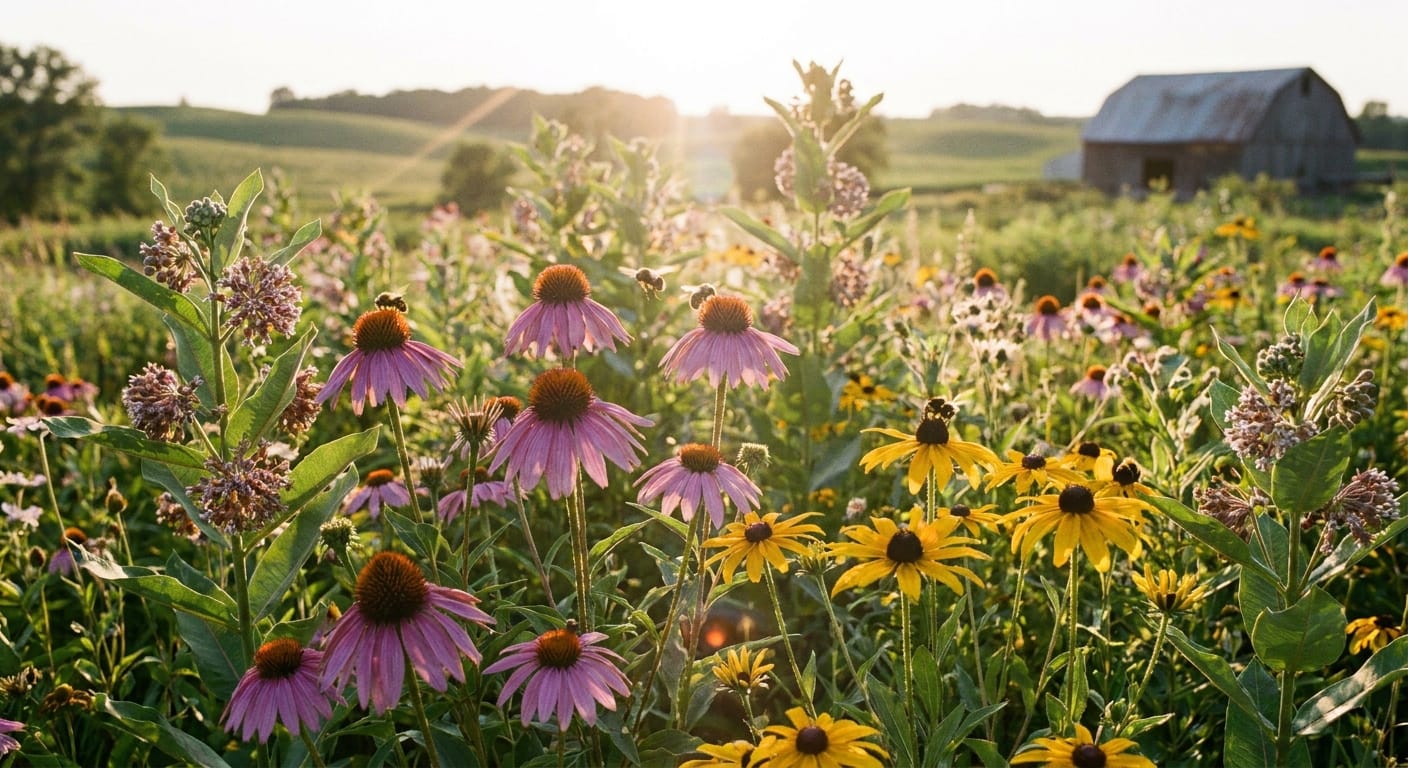
If you've spent any time at a local farmers' market or chatting with a florist lately, you’ve probably heard the buzz and not just from the insects. Our pollinators are in trouble. With colony collapse disorder and habitat loss hitting hard across the US, your garden isn't just a hobby anymore; it's a critical refueling station.
Building a bee-friendly space is easier than you think, but it requires being intentional. You can’t just grab any pretty annual from a big-box store. Many of those are treated with systemic insecticides like neonicotinoids that can linger in the plant's nectar. Instead, we’re looking for native species, chemical-free sources, and a strategy called bloom succession. Let’s dig in.
1. Purple Coneflower (Echinacea purpurea)
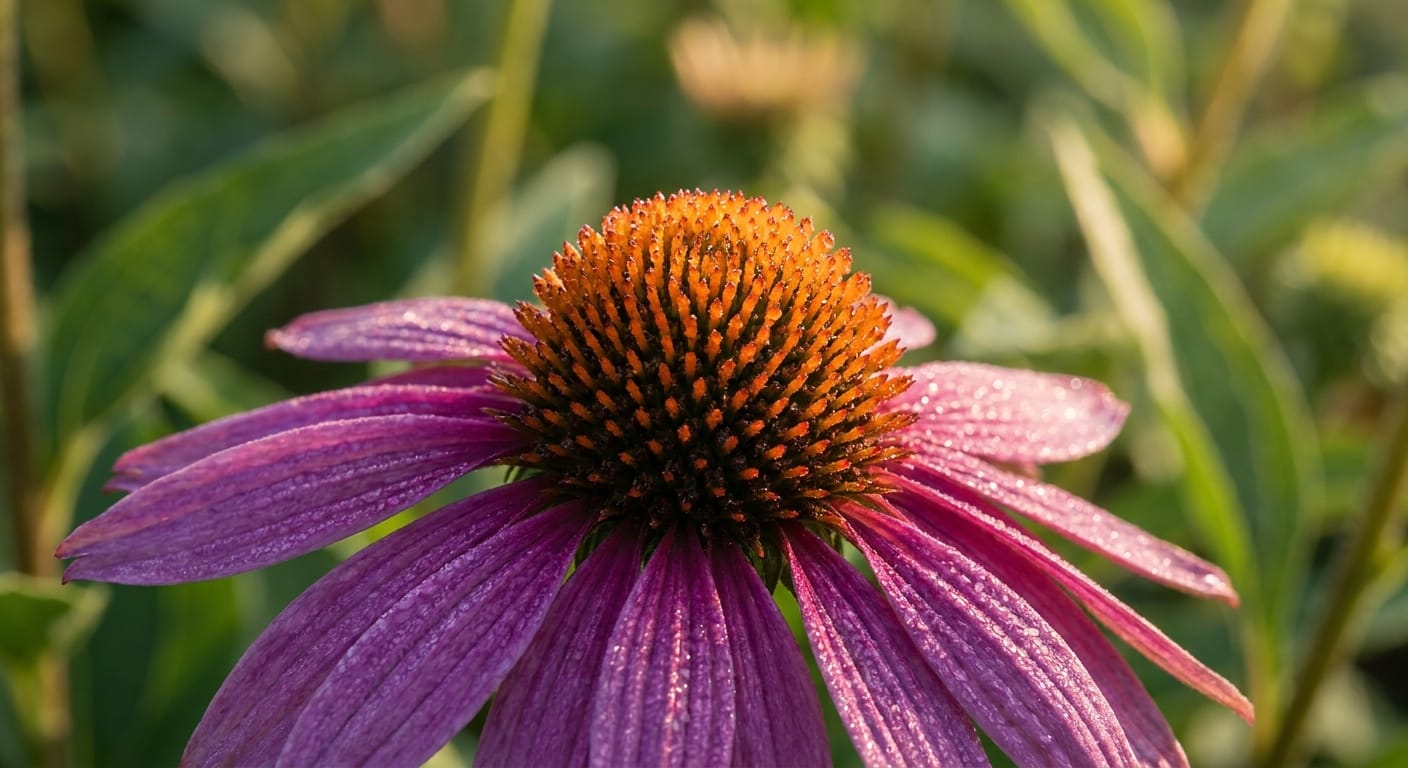
This is the workhorse of any US pollinator garden. Native to the eastern and central states, these flowers are absolute magnets for bees and butterflies. They’re tough, drought-tolerant once established, and that distinct central cone provides a perfect landing pad. Pro tip: leave the dried heads up through winter; the finches love them, and it keeps the garden ecosystem ticking.
2. Black-Eyed Susan (Rudbeckia hirta)
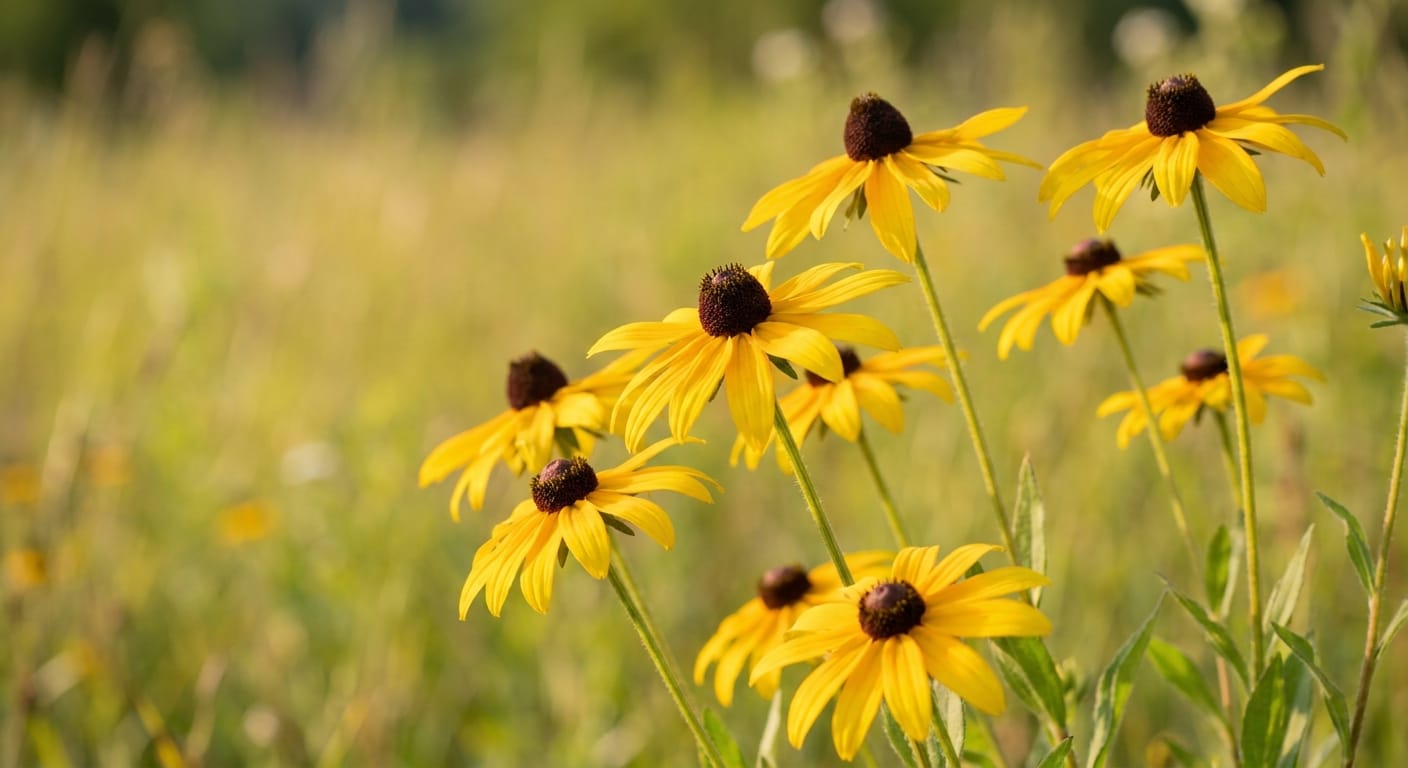
If you want a garden that feels like a classic American summer, this is it. They bloom from mid-summer into early fall, bridging the gap when other plants start to fade. They are incredibly hardy, thriving in almost any soil type you’ve got in your yard.
3. Bee Balm (Monarda didyma)
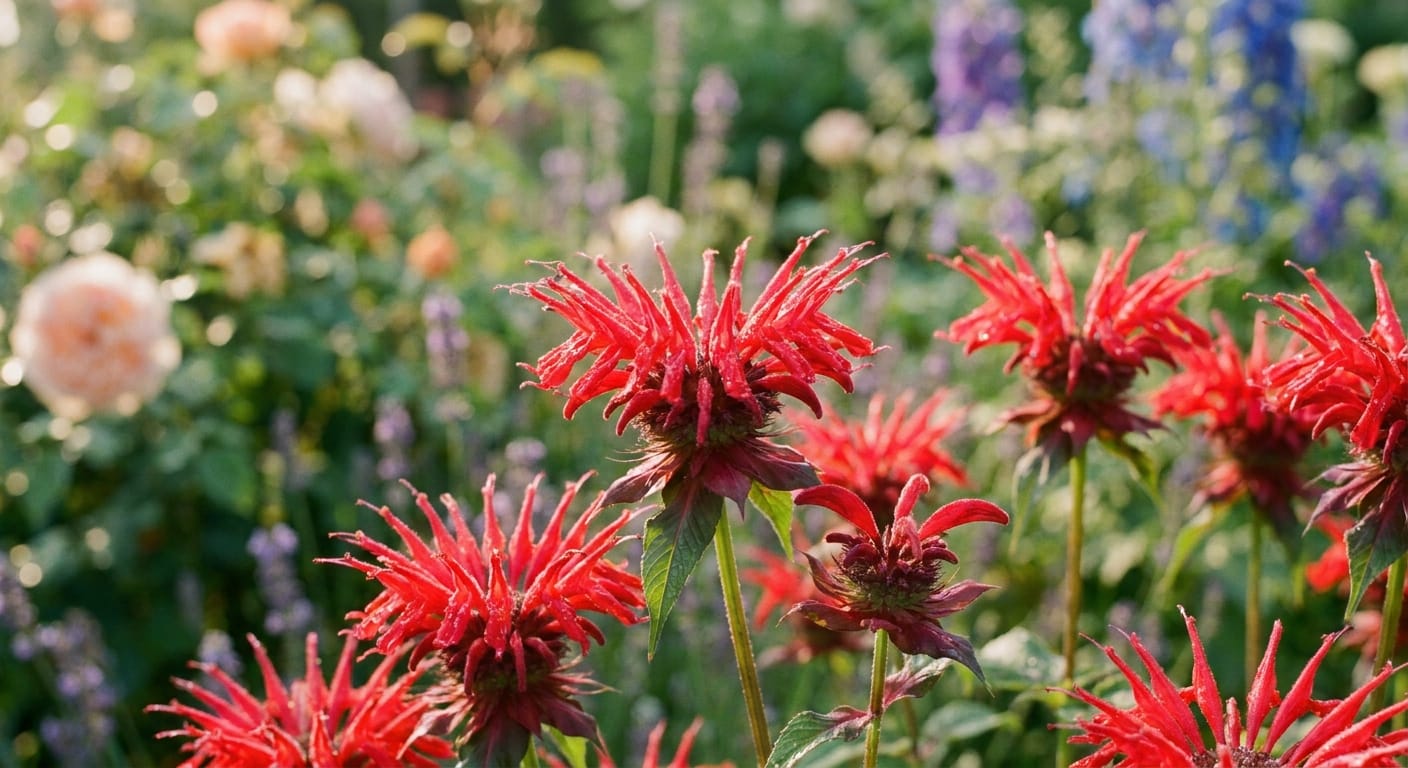
True to its name, bees go absolutely wild for this. It’s a perennial that spreads, so give it some room. It’s also a favorite of hummingbirds. Just keep an eye out for powdery mildew in more humid climates; plenty of airflow is the secret to keeping these healthy.
4. Milkweed (Asclepias tuberosa)
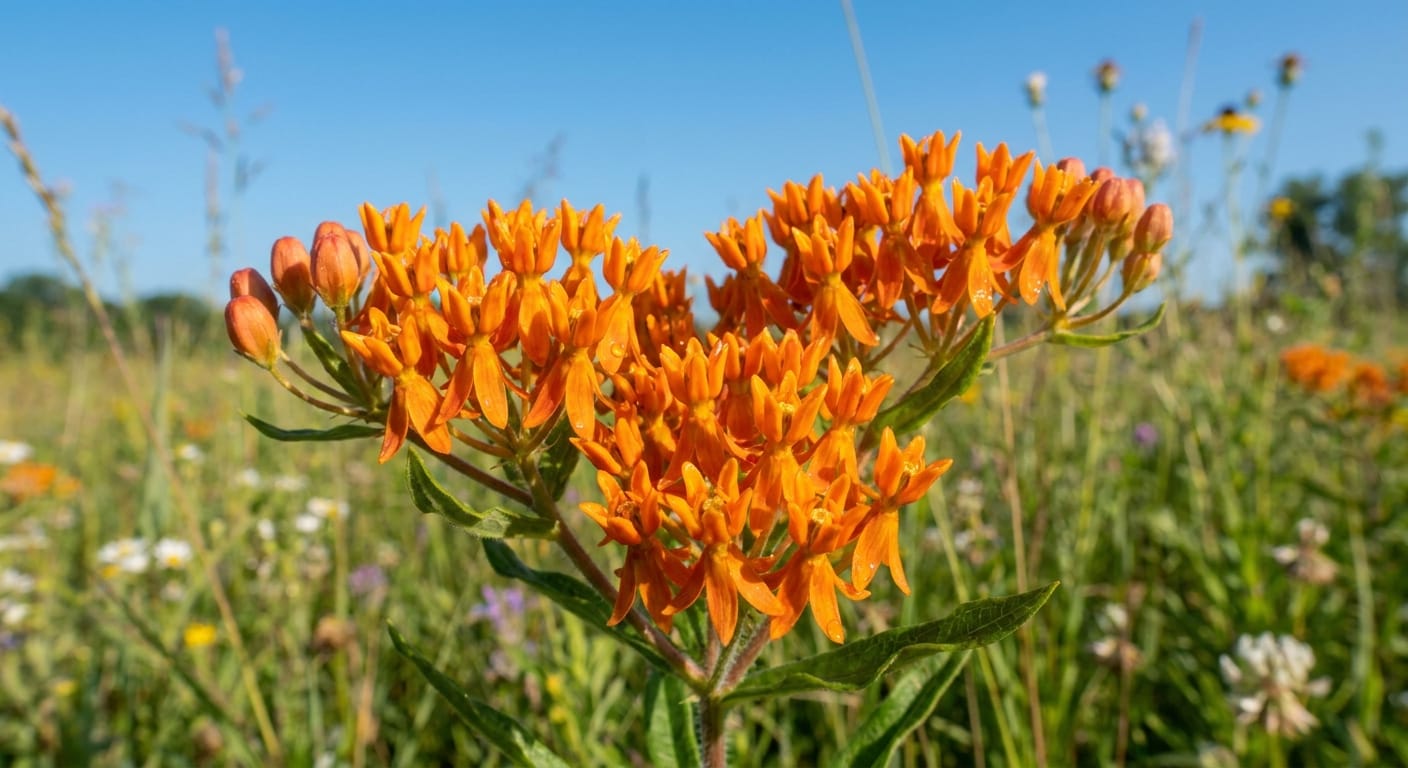
Yes, it’s famous for Monarchs, but native bees adore the nectar-rich clusters of milkweed. It’s a non-negotiable for a truly supportive pollinator garden. Make sure you get the native variety for your specific region, as some non-native milkweeds can actually be harmful.
5. Joe Pye Weed (Eutrochium purpureum)
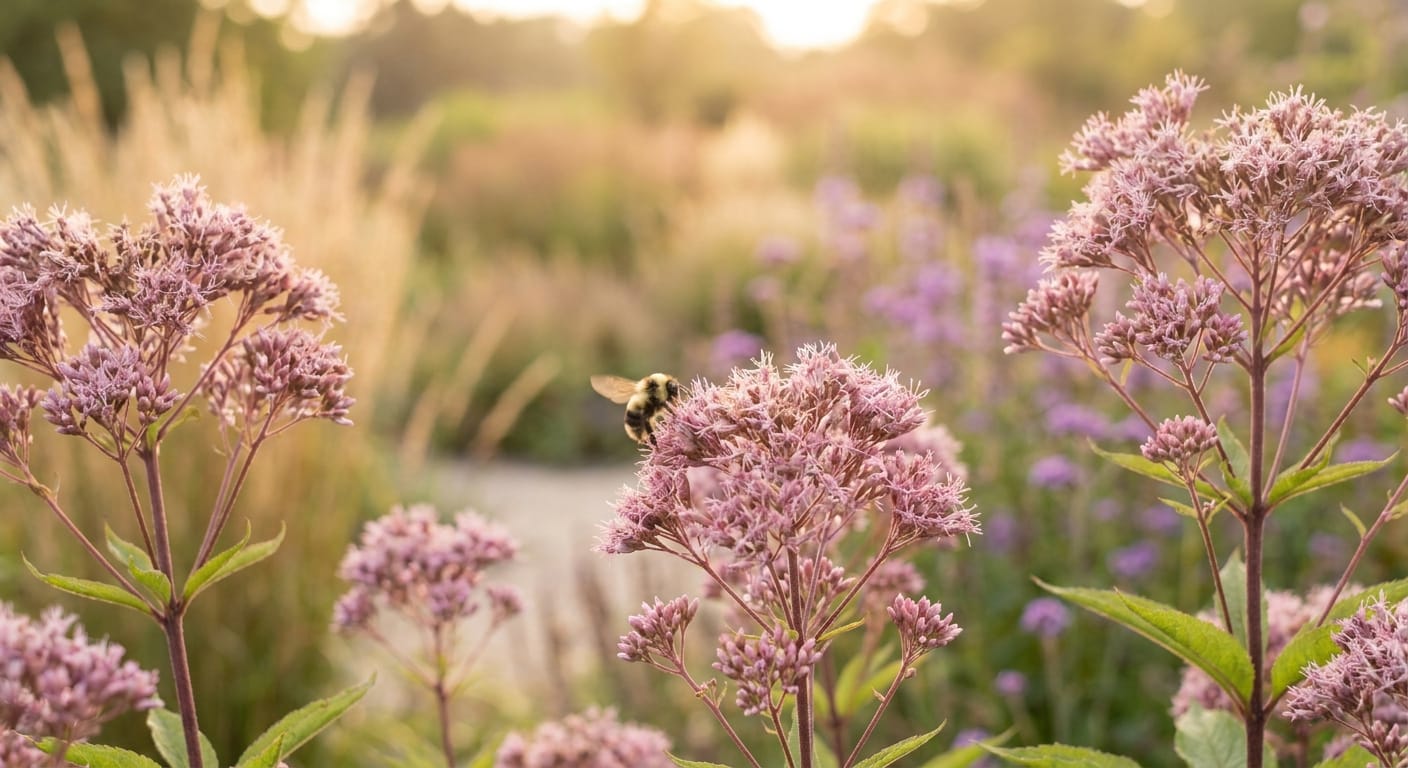
This is a statement plant. It grows tall sometimes six feet or more and puts out these massive, vanilla-scented pinkish-purple blooms. It loves moisture, so tuck it into a low spot in your yard where the water drains slowly.
6. Sunflower (Helianthus annuus)
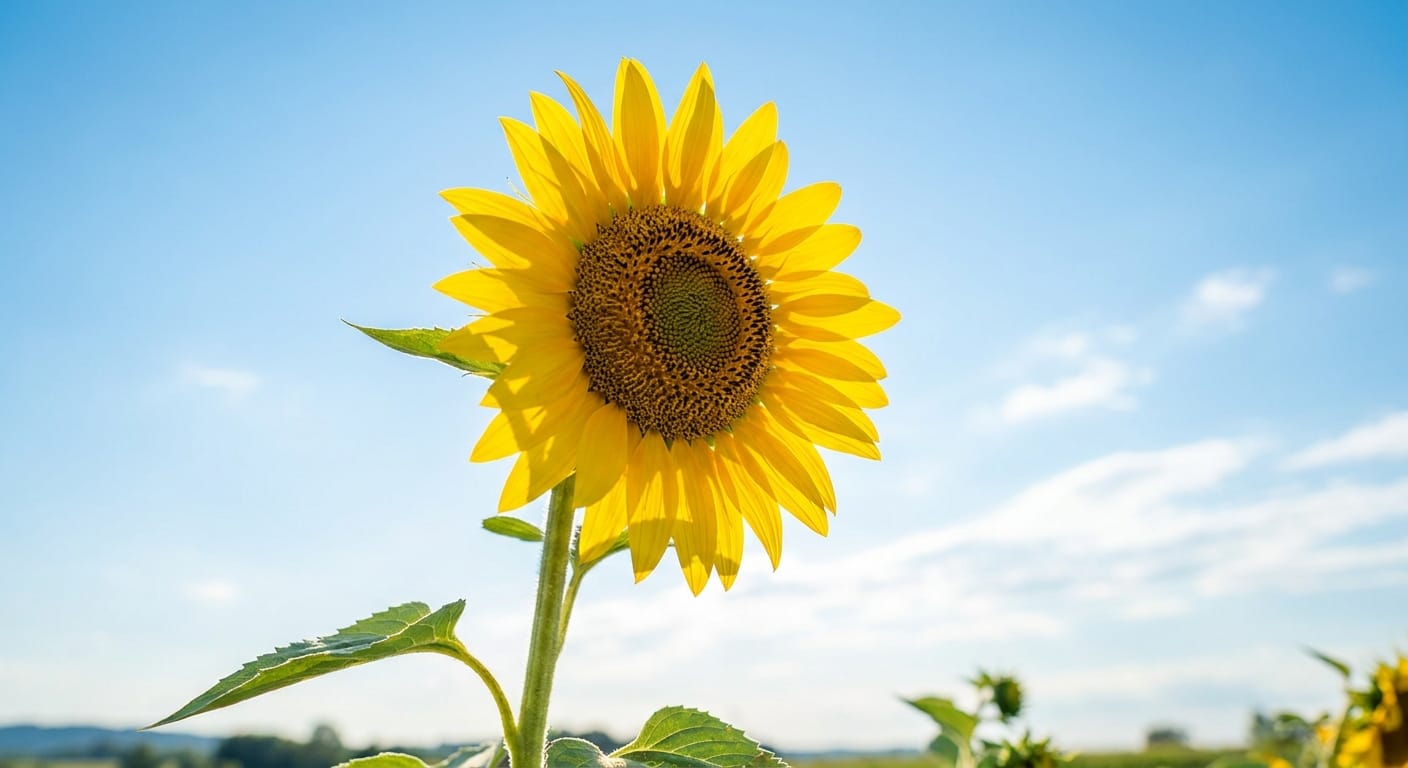
Native to North America, sunflowers are the giants of the bee world. The sheer amount of pollen in a single head is staggering. Choose heirloom, open-pollinated varieties to ensure the bees can actually access the pollen some hyper-bred double-petaled varieties are sterile and useless to pollinators.
7. Goldenrod (Solidago)
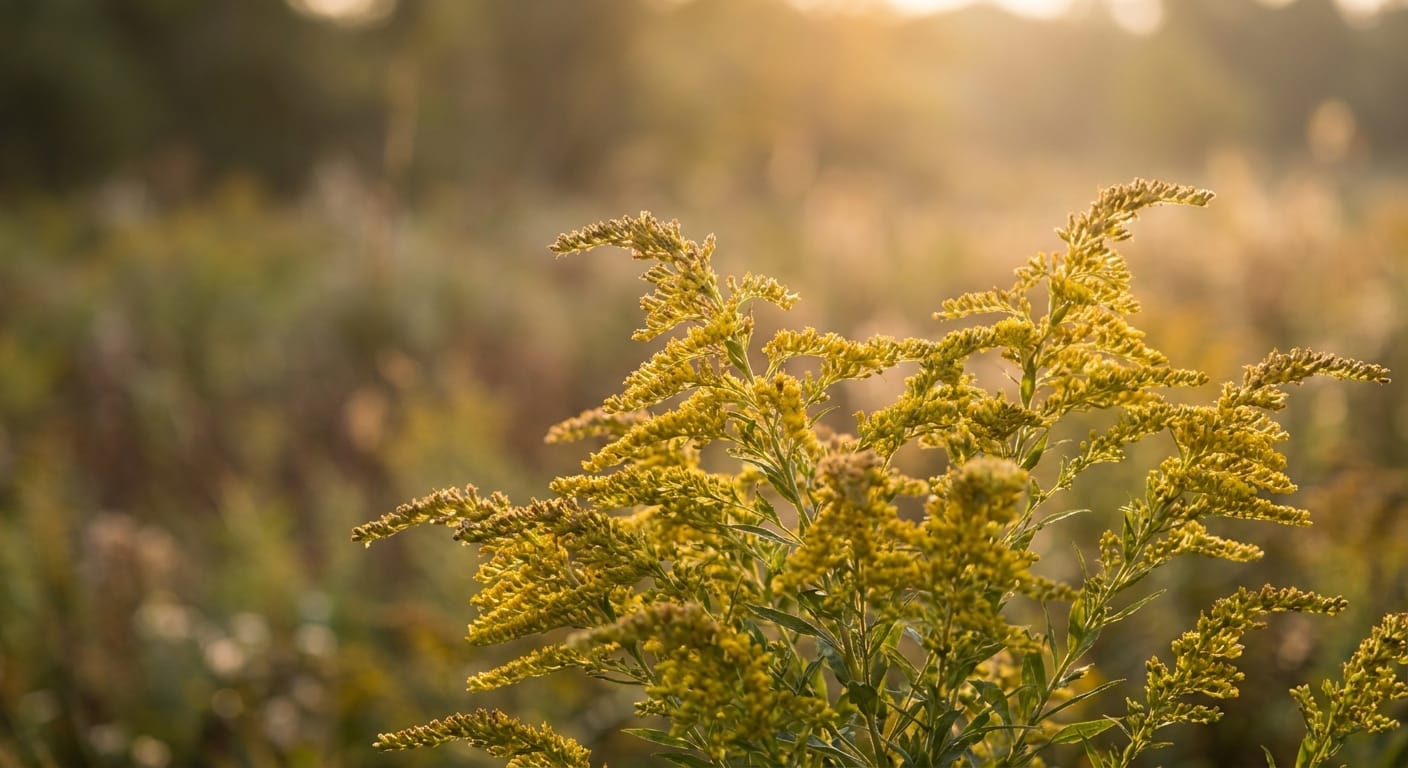
Often unfairly blamed for allergies (that’s actually ragweed’s fault!), goldenrod is a vital late-season food source for bees prepping for winter. When everything else is dead in October, your goldenrod will be the busiest spot in the garden.
8. Blazing Star (Liatris spicata)
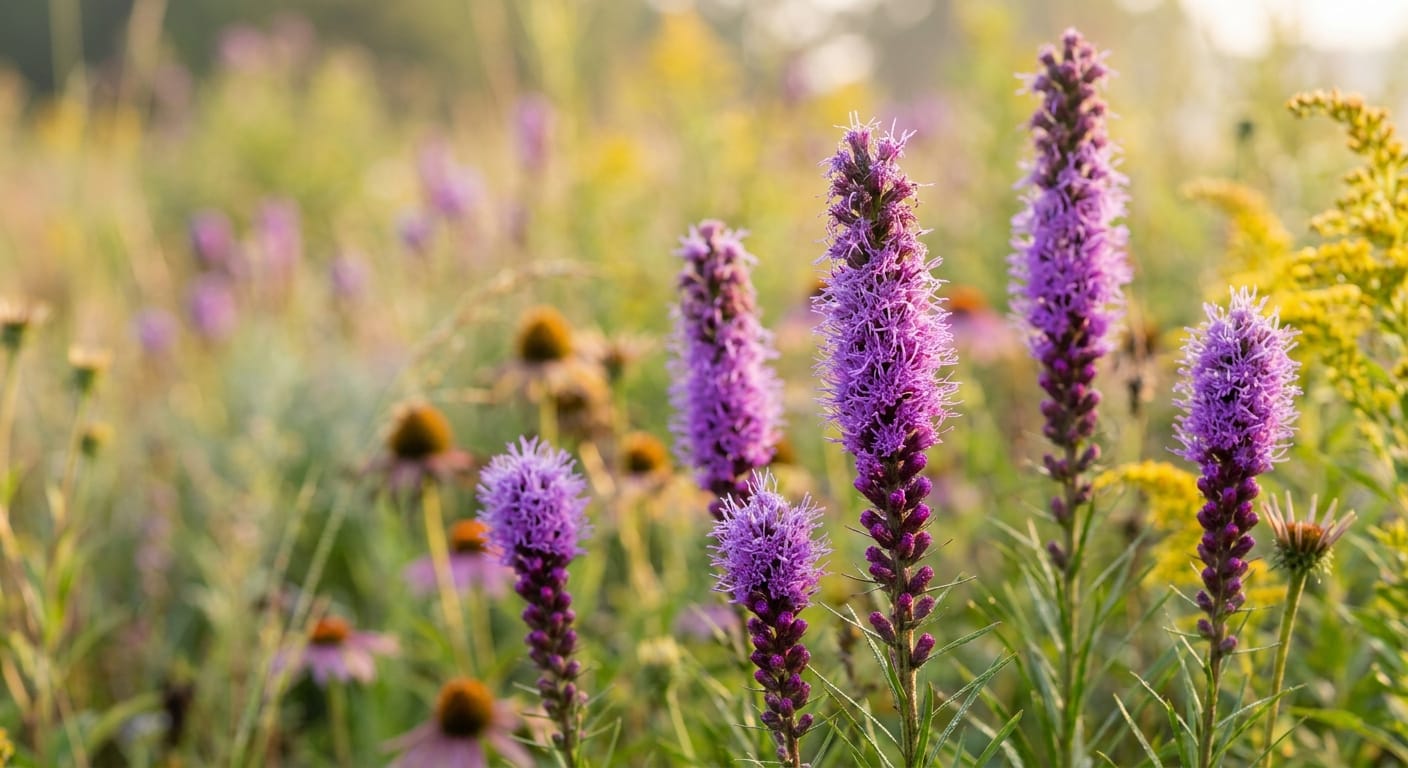
These look like little purple bottle brushes and bees find them irresistible. They prefer well-drained soil and are quite deer-resistant a big plus if you live in the suburbs. They add a great vertical element to your flower beds.
9. Aster (Symphyotrichum)
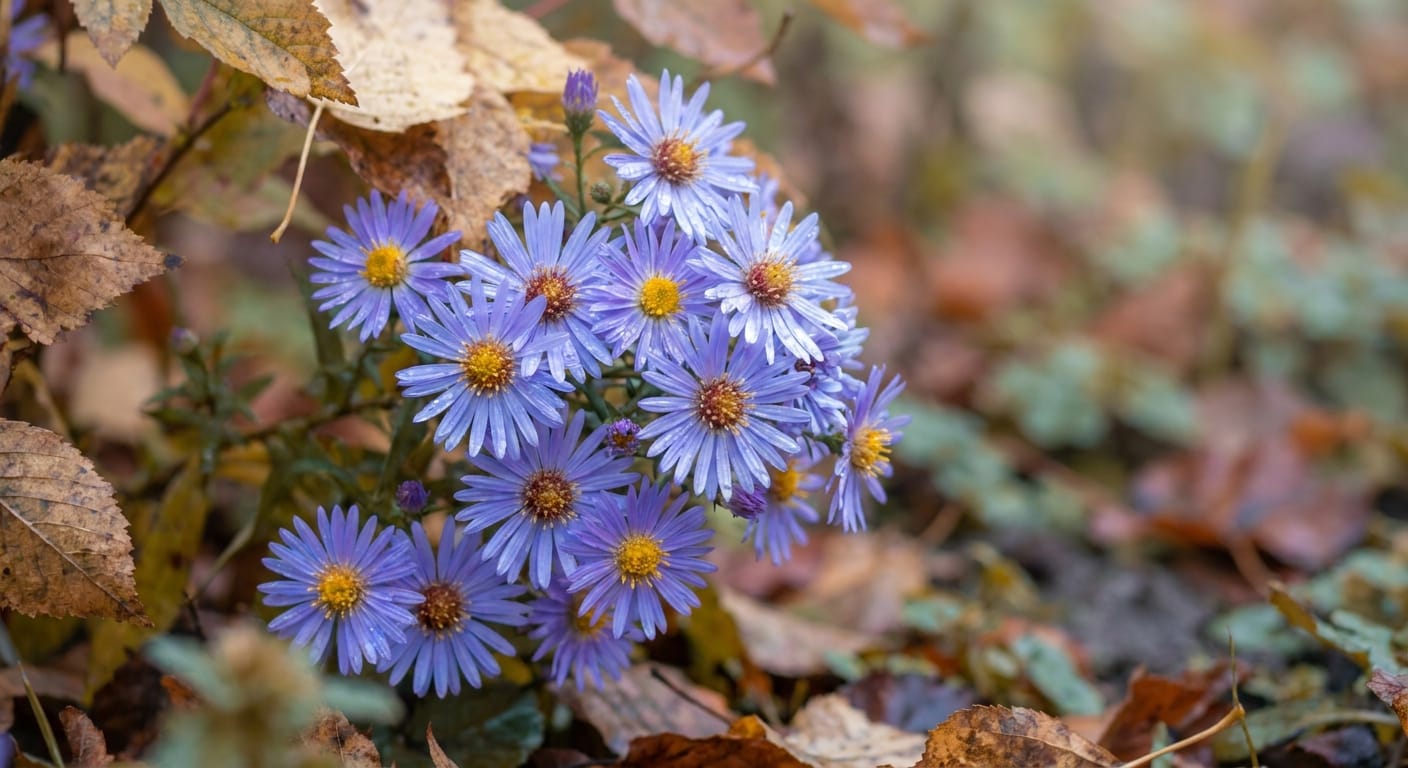
Like goldenrod, asters are essential for the late-season pollinator. They are the final feast before the first hard frost. They come in shades of violet, blue, and white, and they are incredibly easy to grow.
10. Wild Bergamot (Monarda fistulosa)
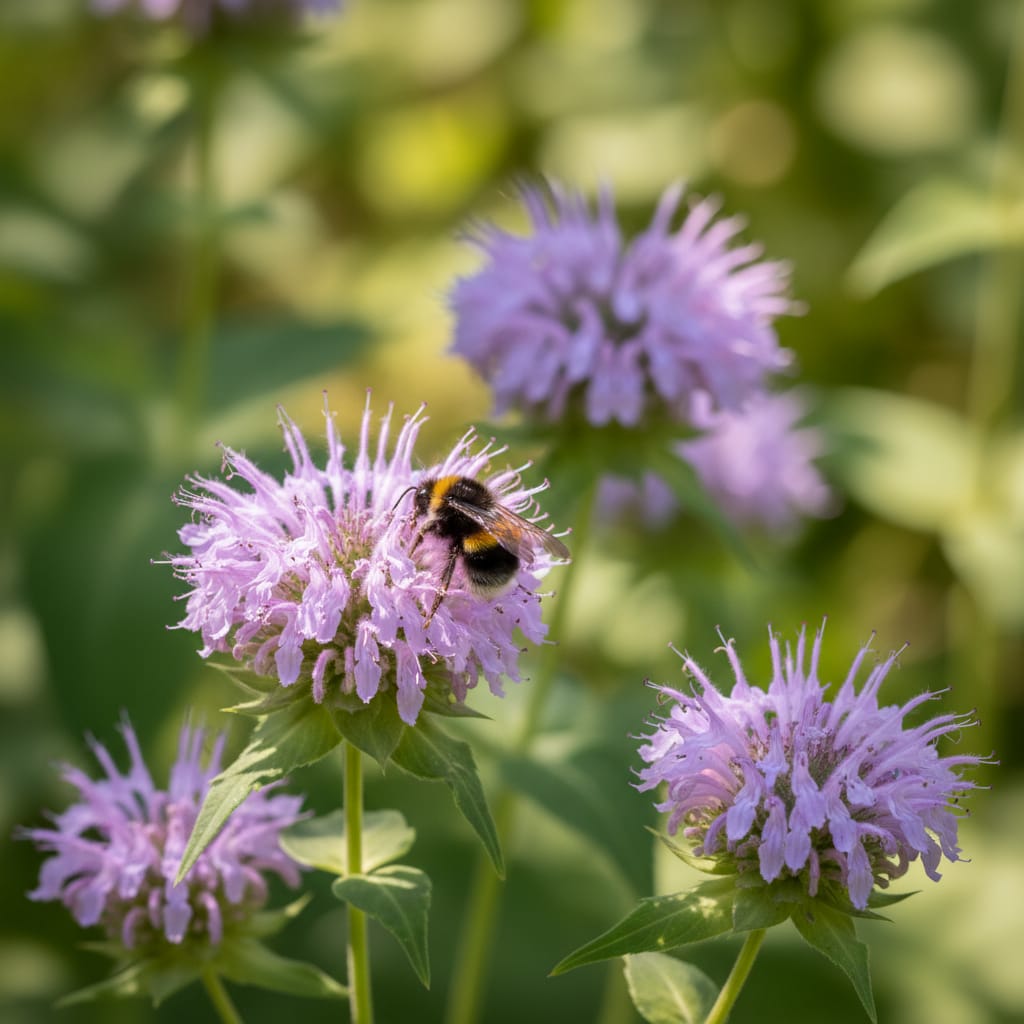
This is the wild cousin of the garden Bee Balm. It’s much more drought-tolerant and handles poor soil like a champ. The scent is herbaceous and lovely, and the bees will thank you for planting it.
11. Blanket Flower (Gaillardia)
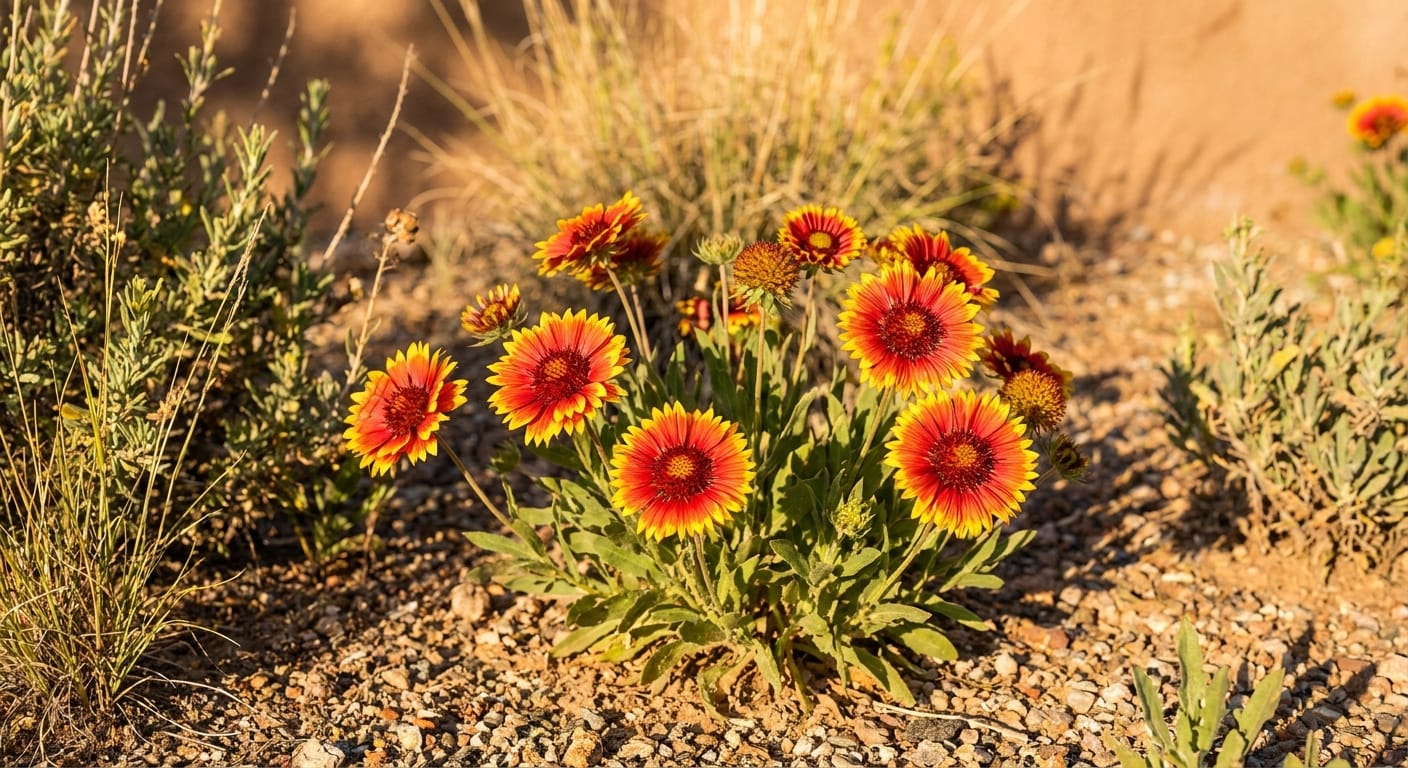
If you’re in a warmer climate or a drought-prone area, this is your plant. It blooms non-stop from early summer until the frost kills it. The colors are intense, and the bees love the open, accessible centers.
12. Penstemon (Beardtongue)
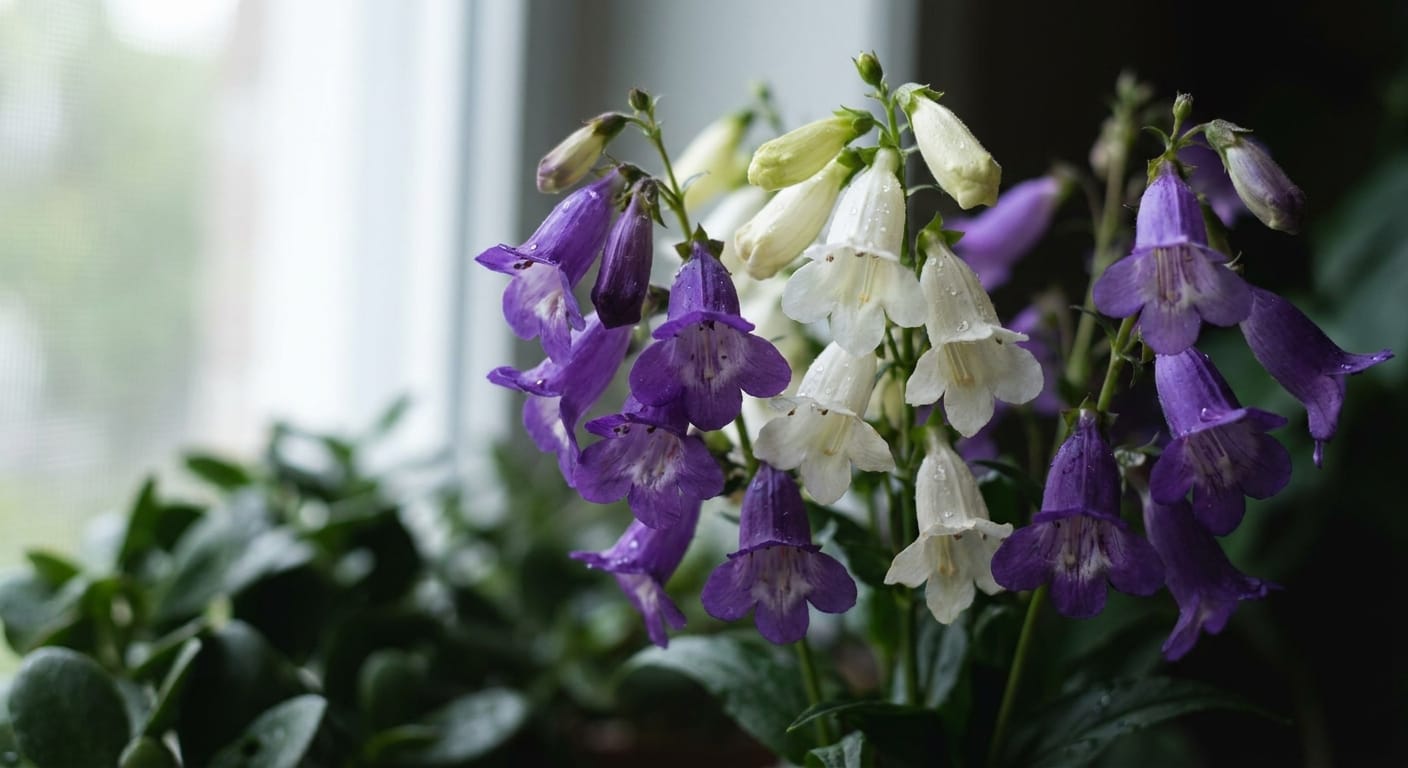
These are native to almost every part of the US. They have unique, tubular flowers that are specifically shaped for long-tongued bees. They’re elegant, hardy, and a classic choice for a native-focused landscape.
13. Mountain Mint (Pycnanthemum)
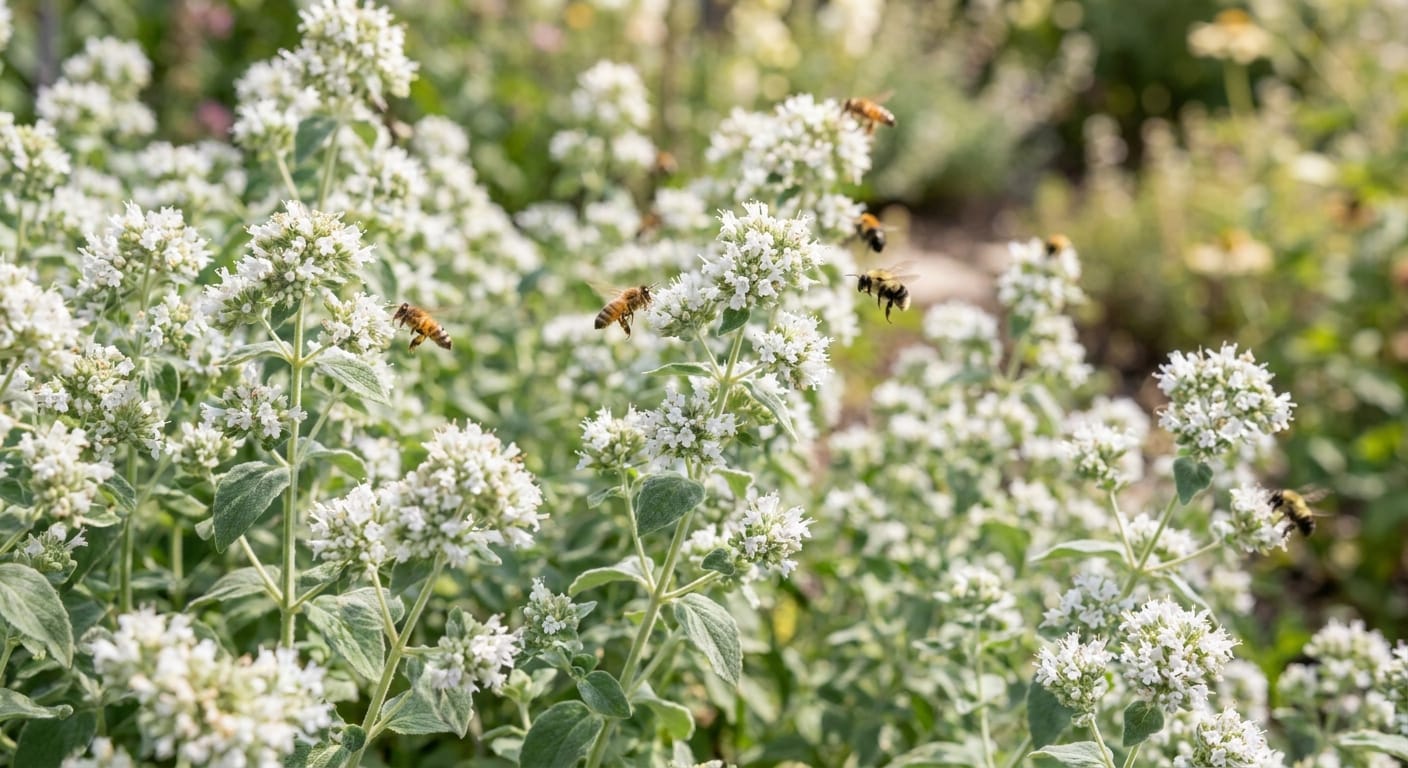
Don’t let the name fool you; this isn't the invasive mint from your herb garden. It’s a well-behaved native that pollinators absolutely obsess over. It’s arguably one of the best plants you can add if you want to see a huge variety of bee species.
14. Coreopsis (Tickseed)
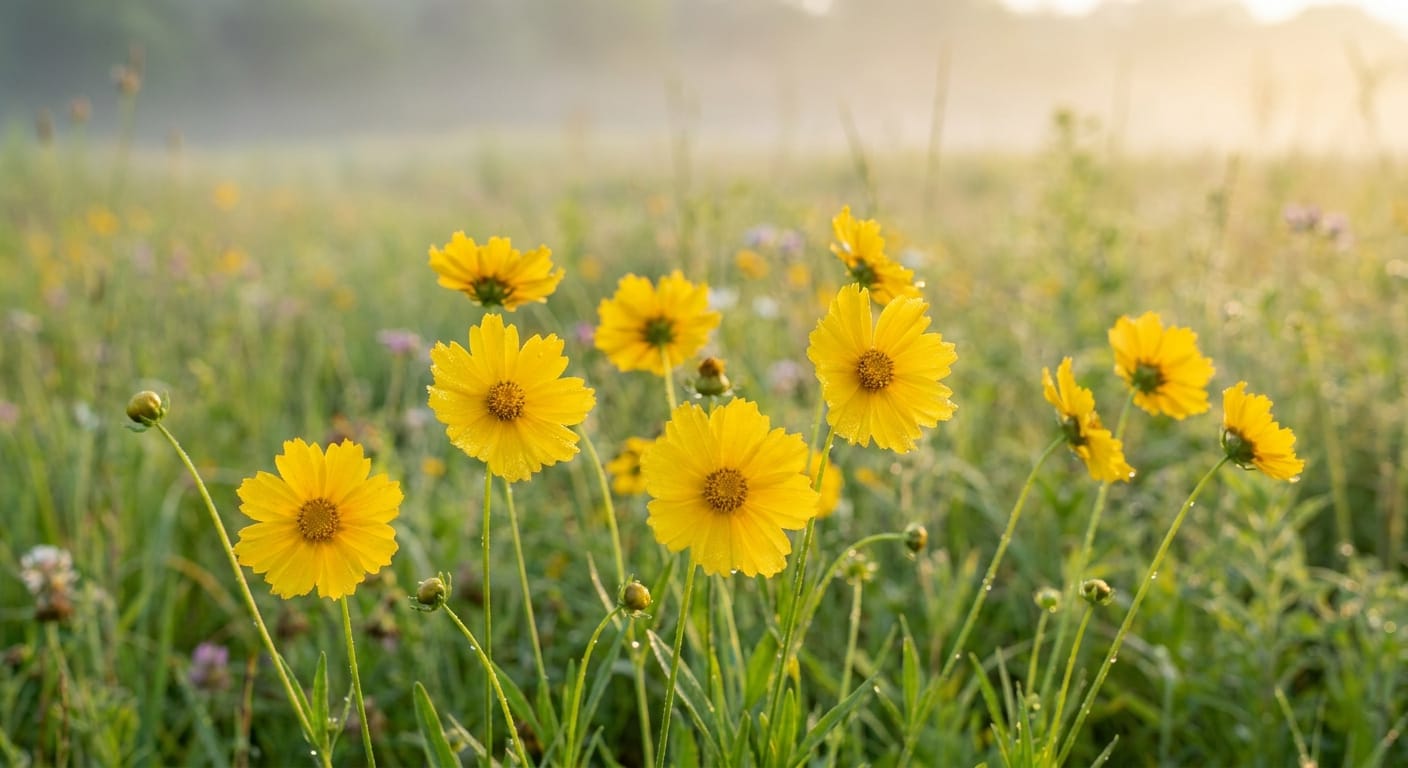
This is a low-maintenance, prolific bloomer. It’s perfect for the front of a border. It’s native to much of the US and provides a steady supply of nectar throughout the hot summer months.
15. Salvia (Salvia azurea)
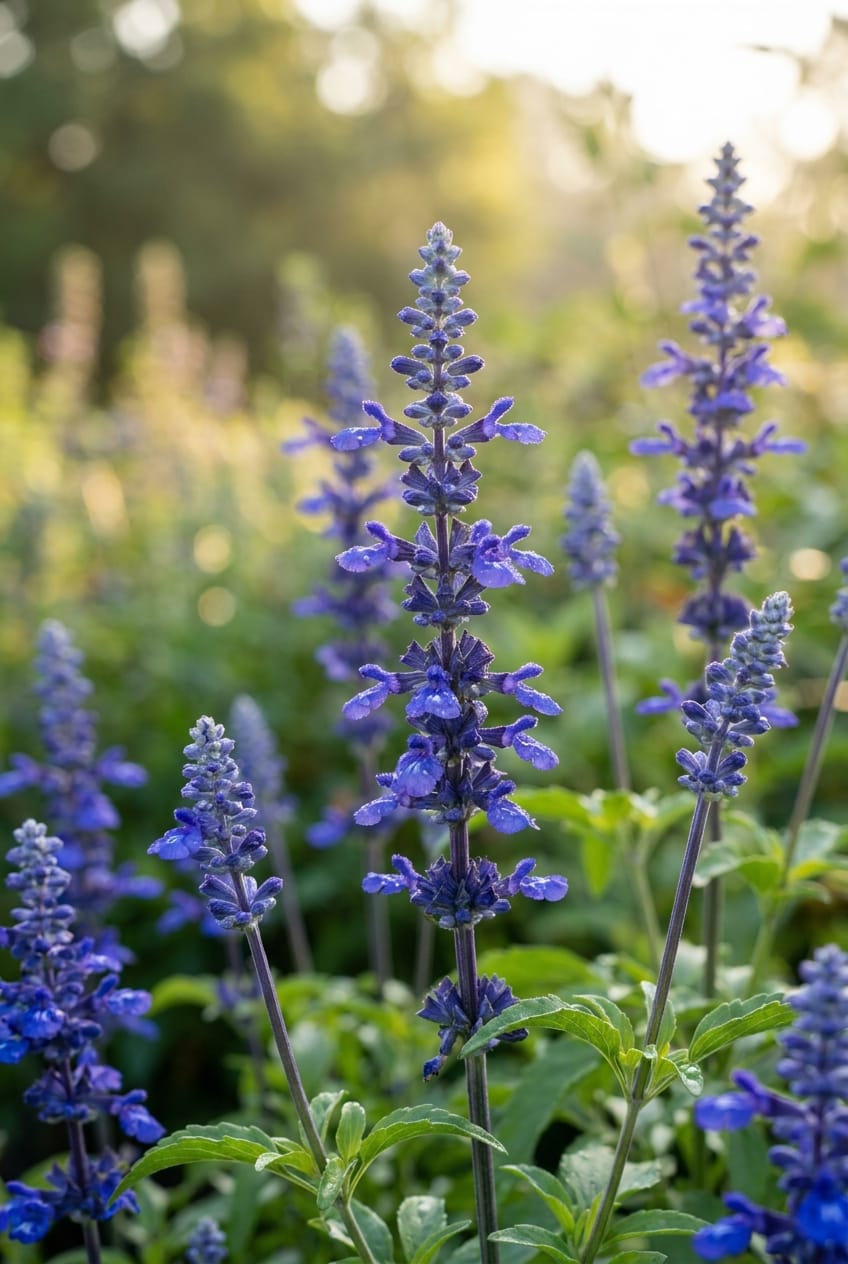
There are many salvias, but for bees, stick to the native ones like Salvia azurea (Blue Sage). The color is an intense, true blue that you don’t see often in nature. Bees navigate well toward blue and purple, making this a top-tier choice.
16. Lupine (Lupinus perennis)
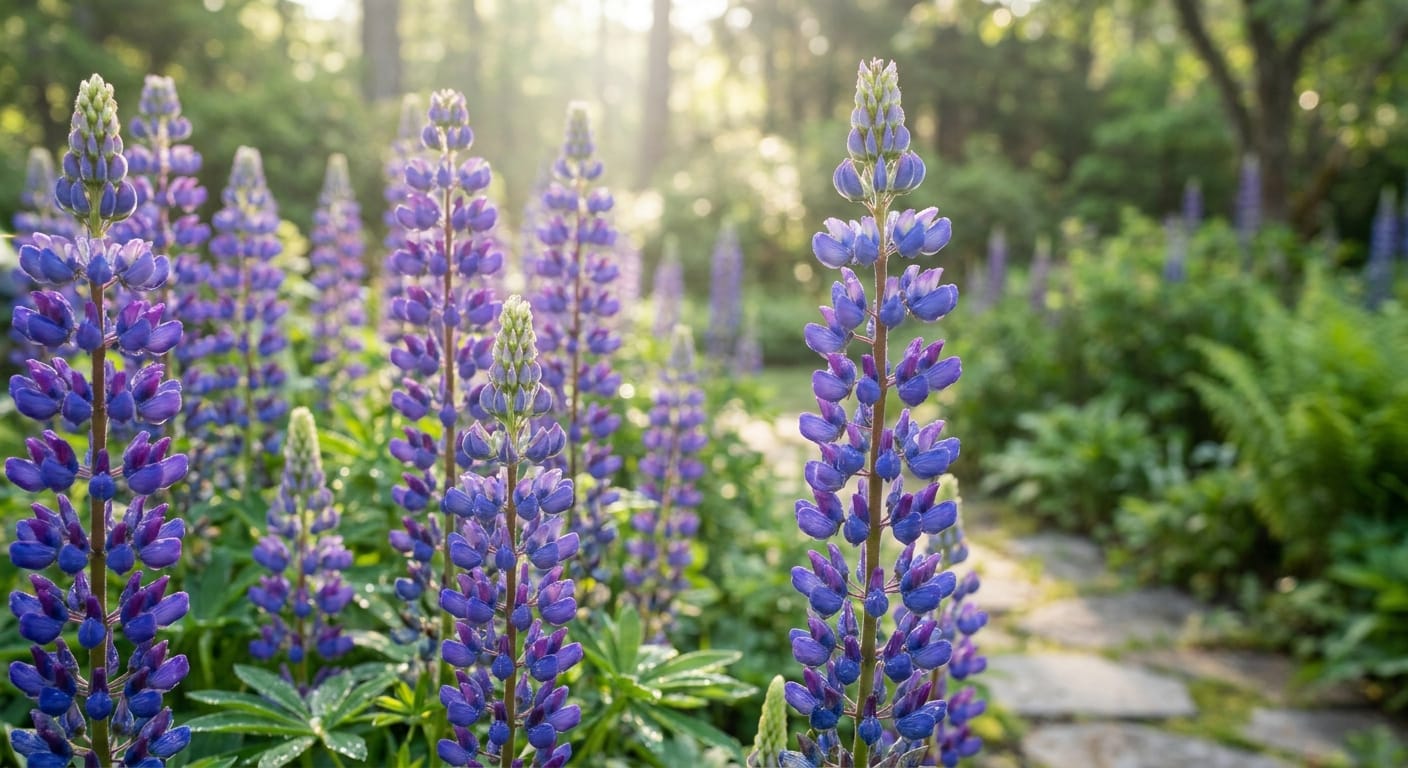
These are the quintessential spring flower. They fix nitrogen in the soil, which is a nice bonus for your other plants. They are a bit pickier about soil drainage, but when they’re happy, they are absolutely breathtaking.
17. Sedum (Stonecrop)
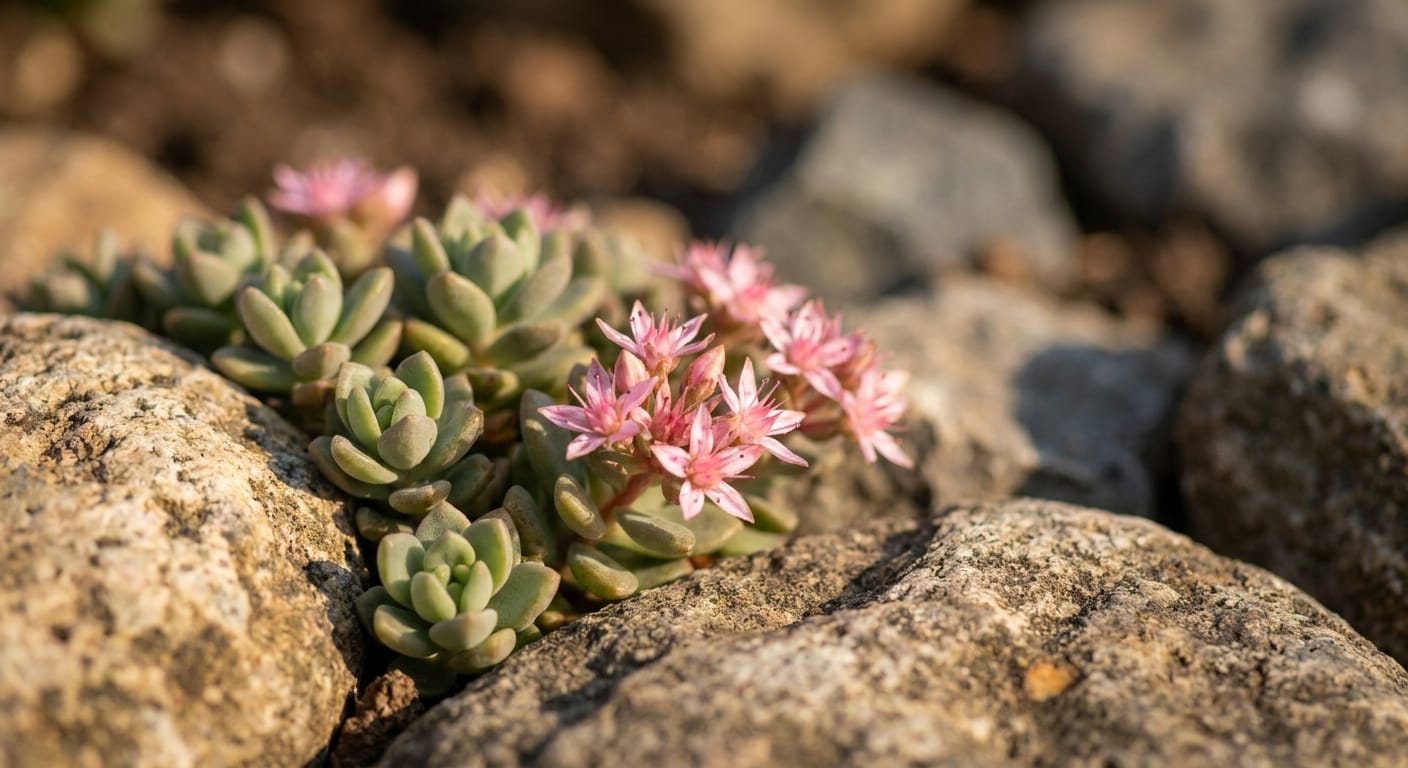
Sedums are bulletproof. They store water in their leaves, so they don’t care if you forget to water them. The late-blooming varieties are another critical food source for bees as the season winds down.
18. Phlox (Phlox paniculata)
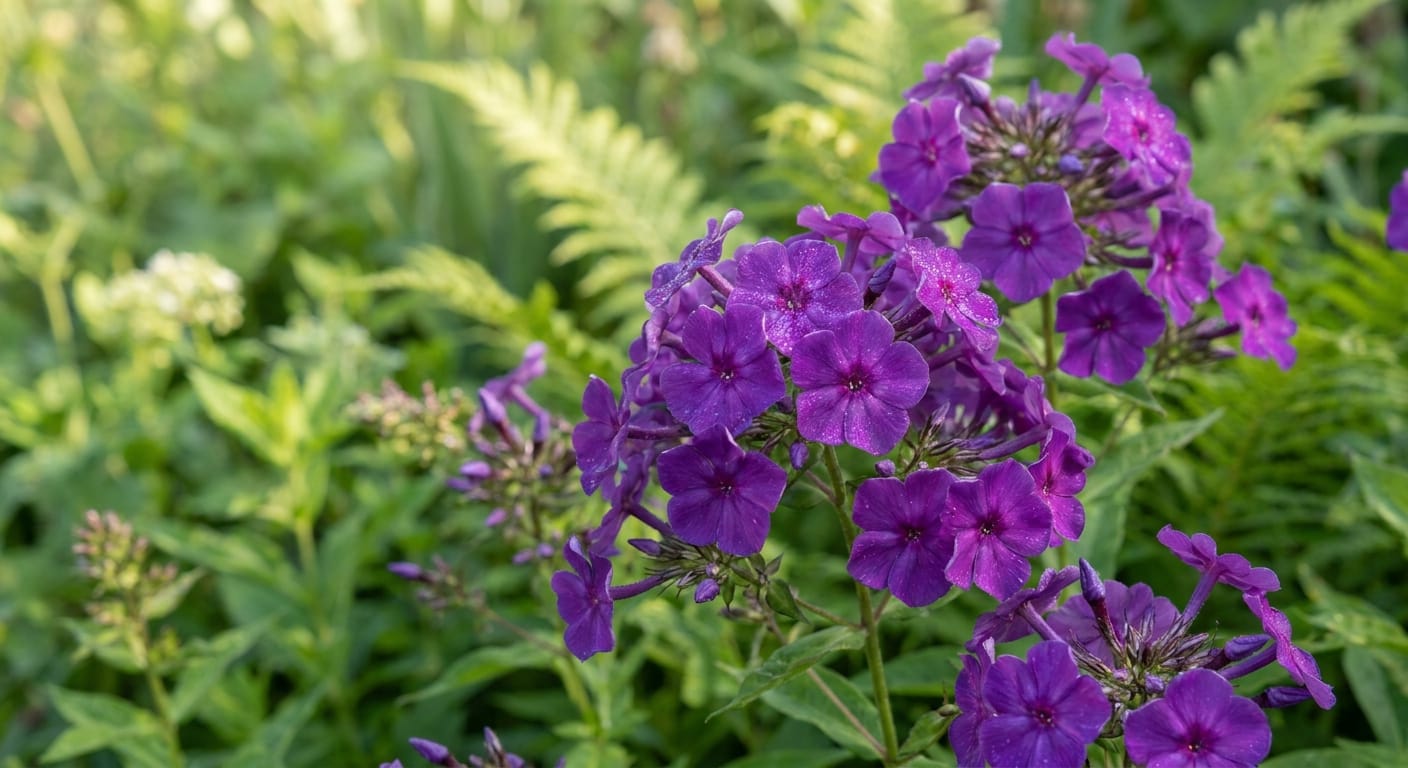
Phlox offers a sweet fragrance that’s as good for you as it is for the bees. It’s a staple of the classic American perennial border. Just give them plenty of room for air circulation to prevent mildew.
19. Anise Hyssop (Agastache foeniculum)
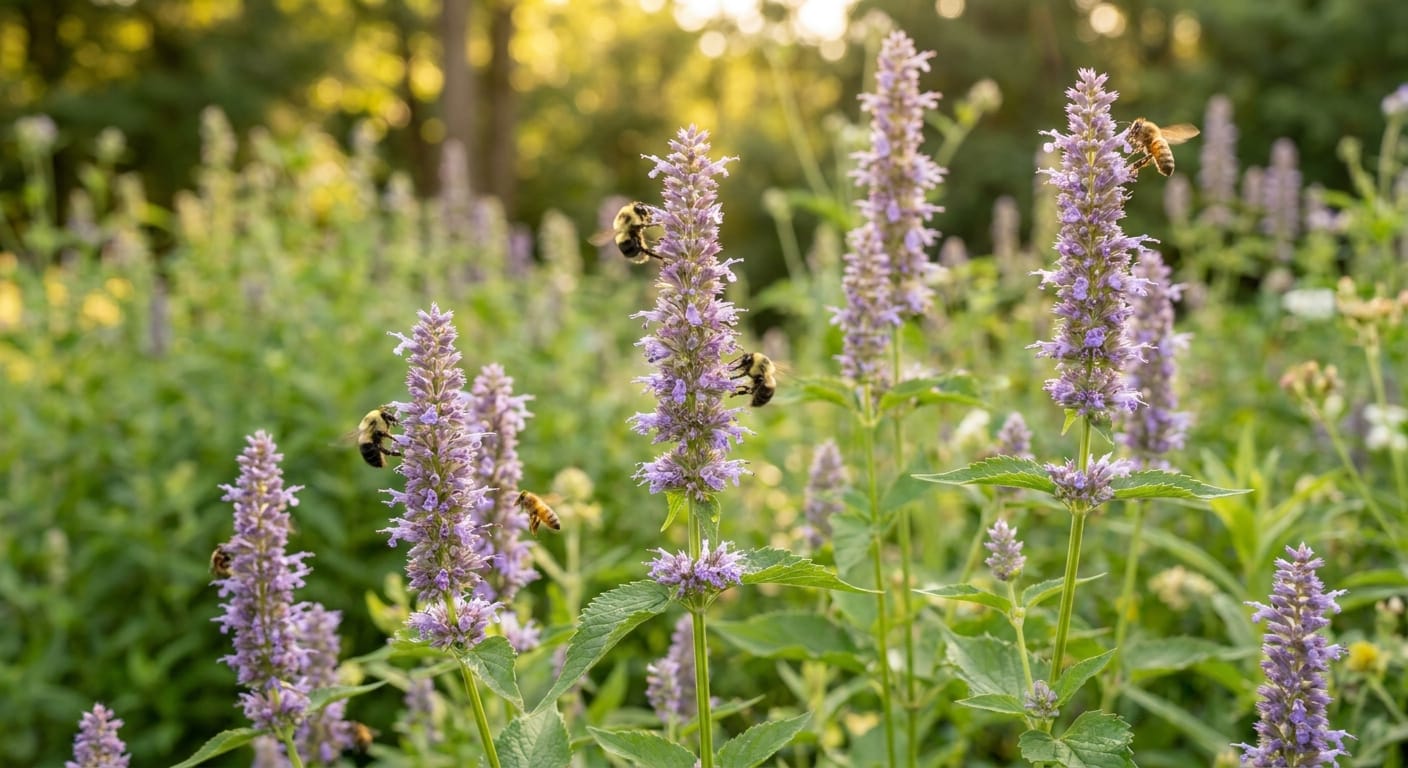
This is a powerhouse. It blooms for a long time, the leaves smell like licorice, and it attracts a massive diversity of pollinators. It’s a must-have if you want to maximize your garden’s impact on local biodiversity.
20. Yarrow (Achillea millefolium)
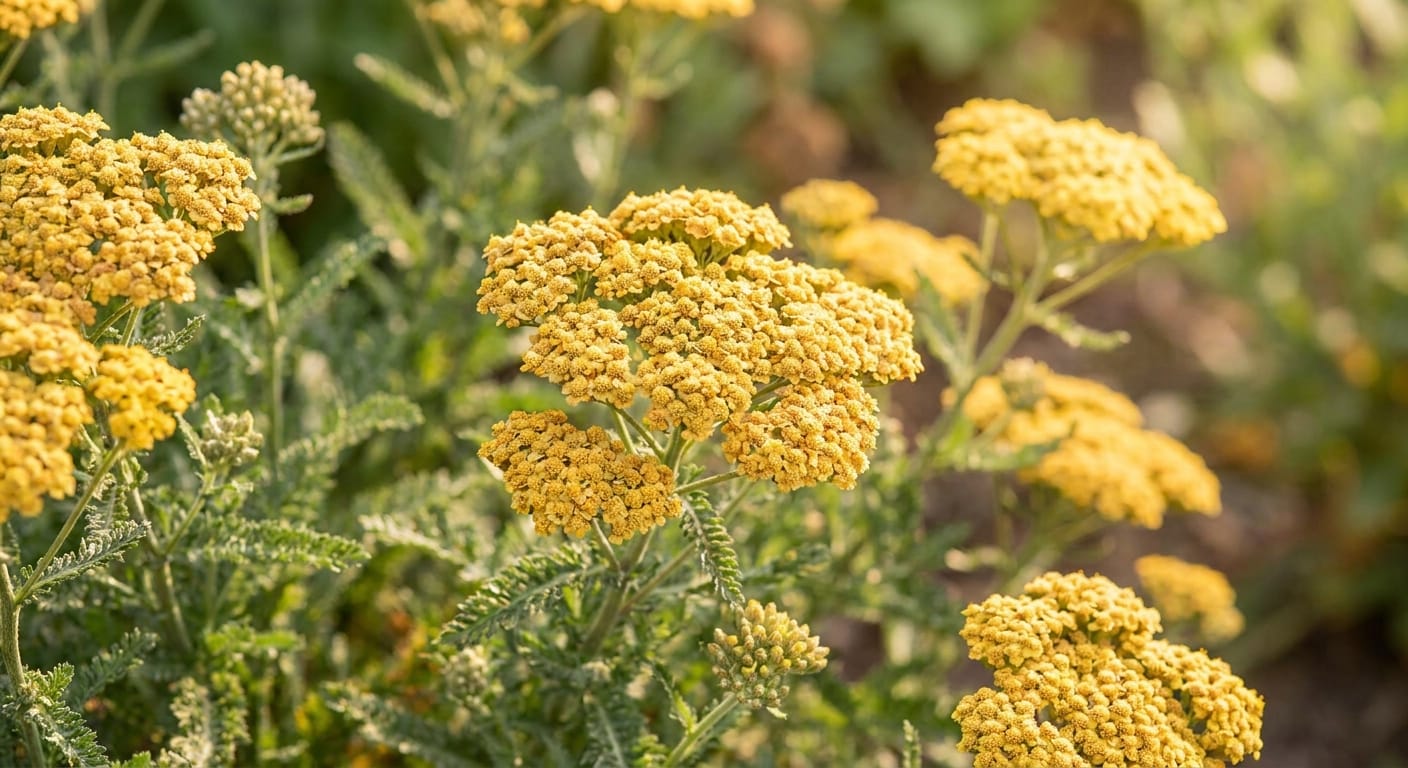
Yarrow is tough, drought-tolerant, and provides a flat landing platform that is perfect for smaller bees. It’s incredibly easy to propagate and comes in a variety of colors, though the native white and yellow forms are the best for pollinators.
Why Bloom Succession is Your Secret Weapon
Most people make the mistake of planting a garden that looks great in June but is a ghost town by August. To truly help bees, you need a bloom succession. This means selecting plants that flower in early spring, mid-summer, and late autumn. When a bee wakes up from hibernation, it needs food immediately. When it’s prepping for winter, it needs a final high-energy meal. If your garden has a "gap" in the middle of the season, you’re missing the chance to support a whole generation of pollinators. Plan your planting list so that something is always opening up just as something else is finishing.
Avoiding Neonicotinoids: A Florist’s Warning
Here’s a hard truth: not all "pollinator-friendly" plants sold at big garden centers are actually safe. Many are treated with systemic pesticides that stay in the plant's tissues for months or even years. When a bee drinks nectar from these plants, it can suffer from neurological damage or even death. Always ask the staff if their plants are neonicotinoid-free. If they don't know, walk away. Look for local native plant nurseries or organic growers who understand the life cycle of the plants they sell. Your garden should be a sanctuary, not a trap.
The bottom line is that your garden is a tiny, powerful piece of the national ecosystem. By choosing these native, chemical-free flowers and timing your blooms, you’re doing more than just decorating you’re actively fighting for the survival of our most important garden allies.


