
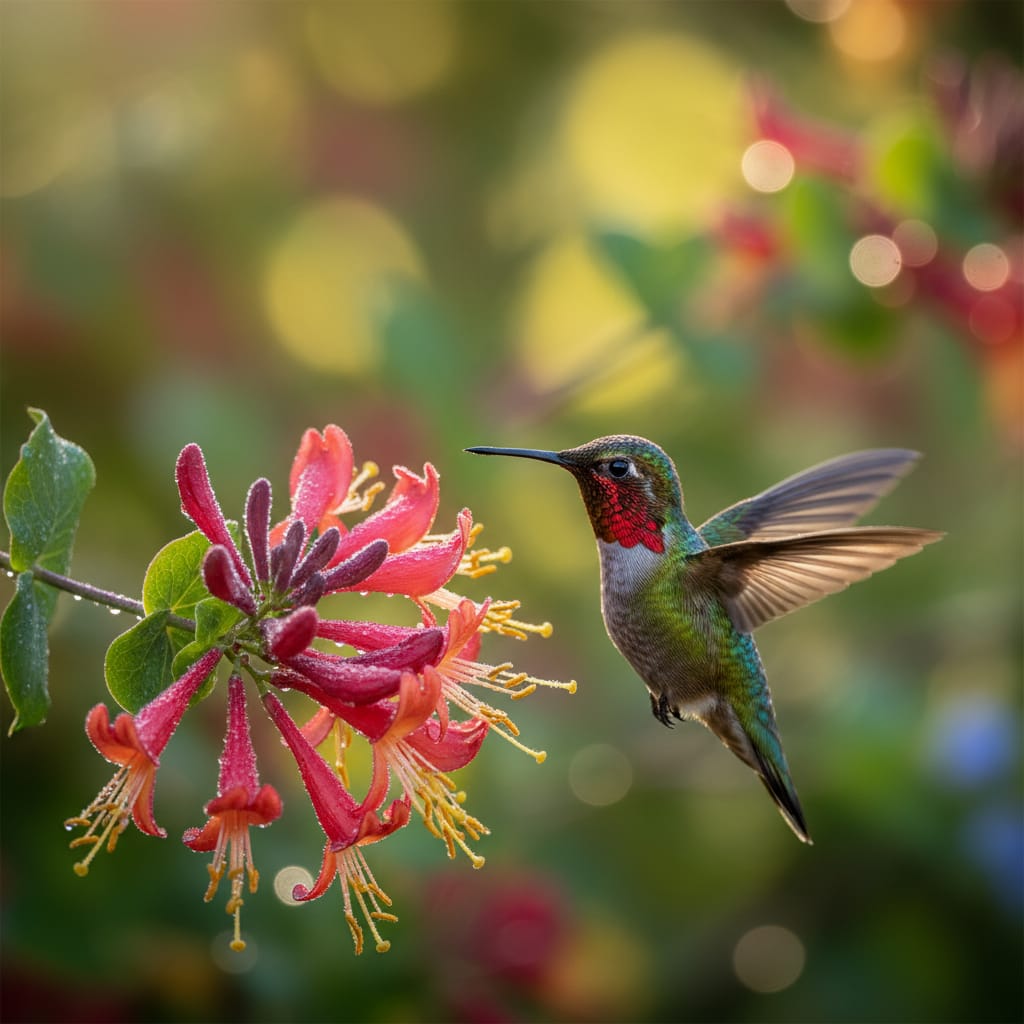
There’s something magical about hearing that soft, rhythmic hum right next to your ear while you’re sipping your morning coffee. Hummingbirds are the true jewels of the garden, and if you live anywhere from the humid summers of Georgia to the crisp, cool mornings in the Pacific Northwest, you can absolutely invite them into your backyard. It’s not just about luck; it’s about strategic plant selection.
Most people make the mistake of planting generic, pollen-heavy flowers that birds can’t actually use. Hummingbirds are specialists. They crave nectar-rich, tubular blooms that fit their long, needle-like bills perfectly. If you focus on color and shape specifically those bold reds and oranges you’ll have them fighting over your garden space in no time. Let’s look at the heavy hitters that actually work.
1. Salvia (Sage)
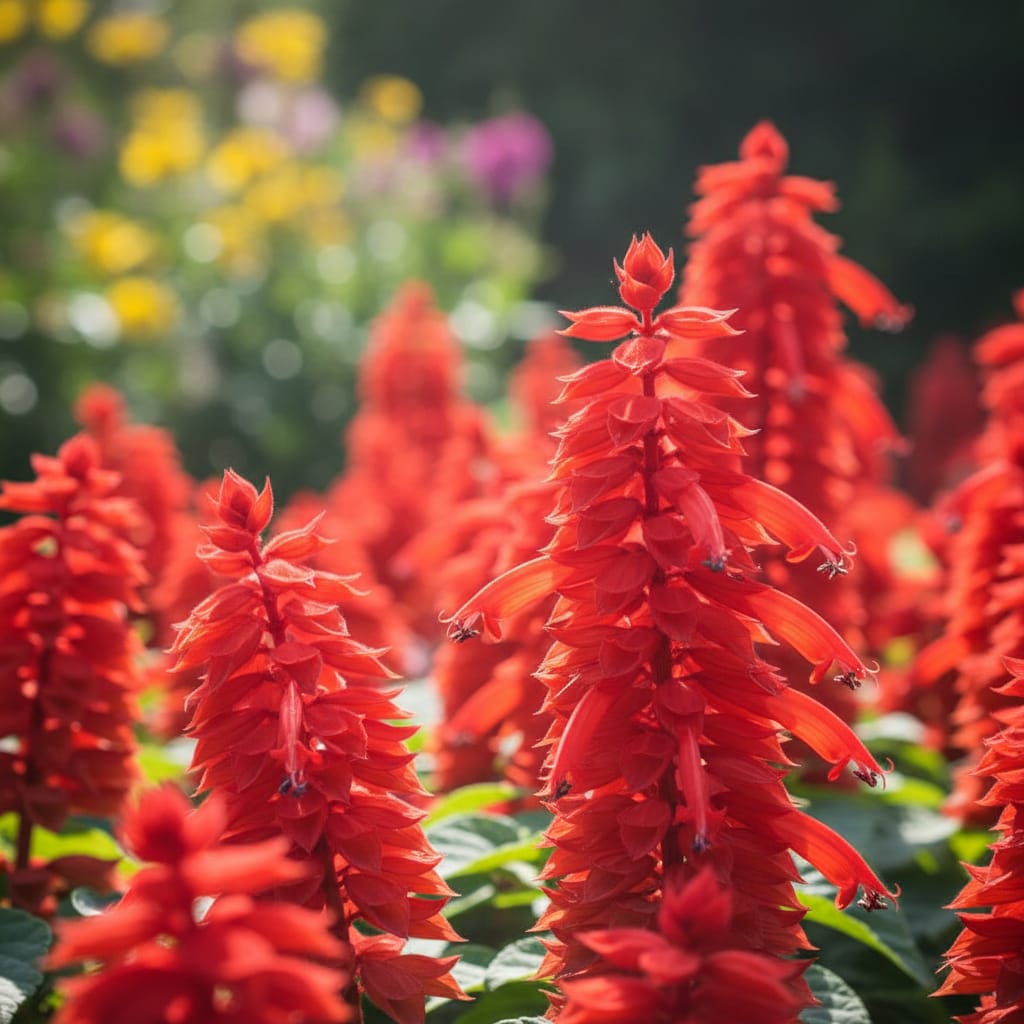
If you only plant one thing, make it Salvia. It’s the undisputed king of the hummingbird garden. These plants are tough, drought-tolerant, and bloom for months on end. I always recommend the 'Hot Lips' variety or the classic Salvia splendens. They produce these tight, tubular flowers that act like little energy bars for hummingbirds.
In my experience, Salvia is virtually indestructible once established. You want to plant them in full sun to get the best color saturation. Because they are so prolific, they provide a constant, reliable food source. They don't mind a little neglect, which is great if you’re a busy gardener. Pro tip: deadhead the spent spikes to encourage a second flush of blooms in late summer. It’s a small effort for a massive payoff in bird activity.
2. Trumpet Vine (Campsis radicans)
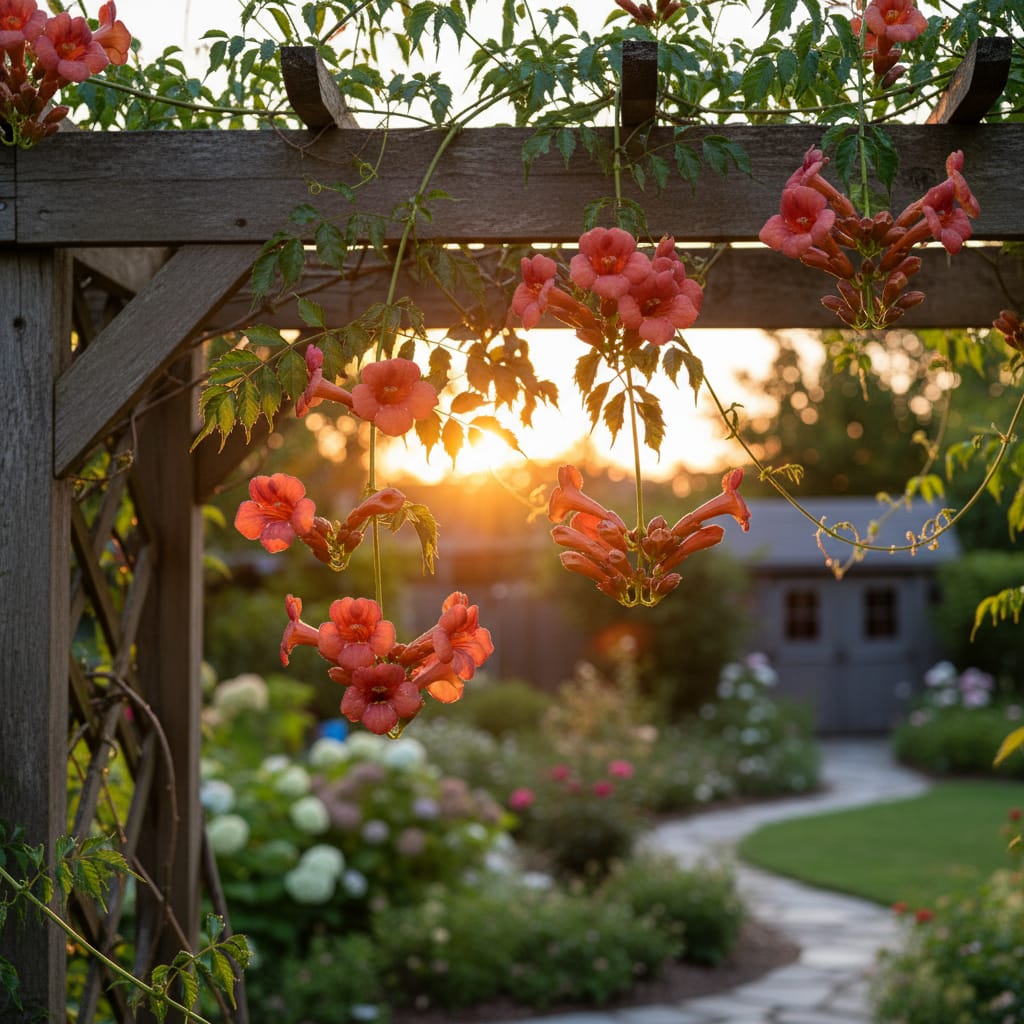
This is the heavy artillery of the hummingbird world. The Trumpet Vine is named for its shape, which is essentially a custom-built straw for a hummingbird’s beak. It’s aggressive, though I have to warn you. If you don't keep it on a sturdy trellis or a fence away from your house, it will try to take over your entire siding.
Honestly, the trade-off is worth it. When these vines are in full bloom, they act like a hummingbird magnet. I’ve seen them draw birds from three yards away. Just keep it pruned back every spring to keep it in check. It’s best suited for larger spaces where it can really spread its wings. If you’re in a colder climate, look for the 'Madame Galen' variety, which is a bit more manageable but still provides that high-nectar punch.
3. Bee Balm (Monarda)
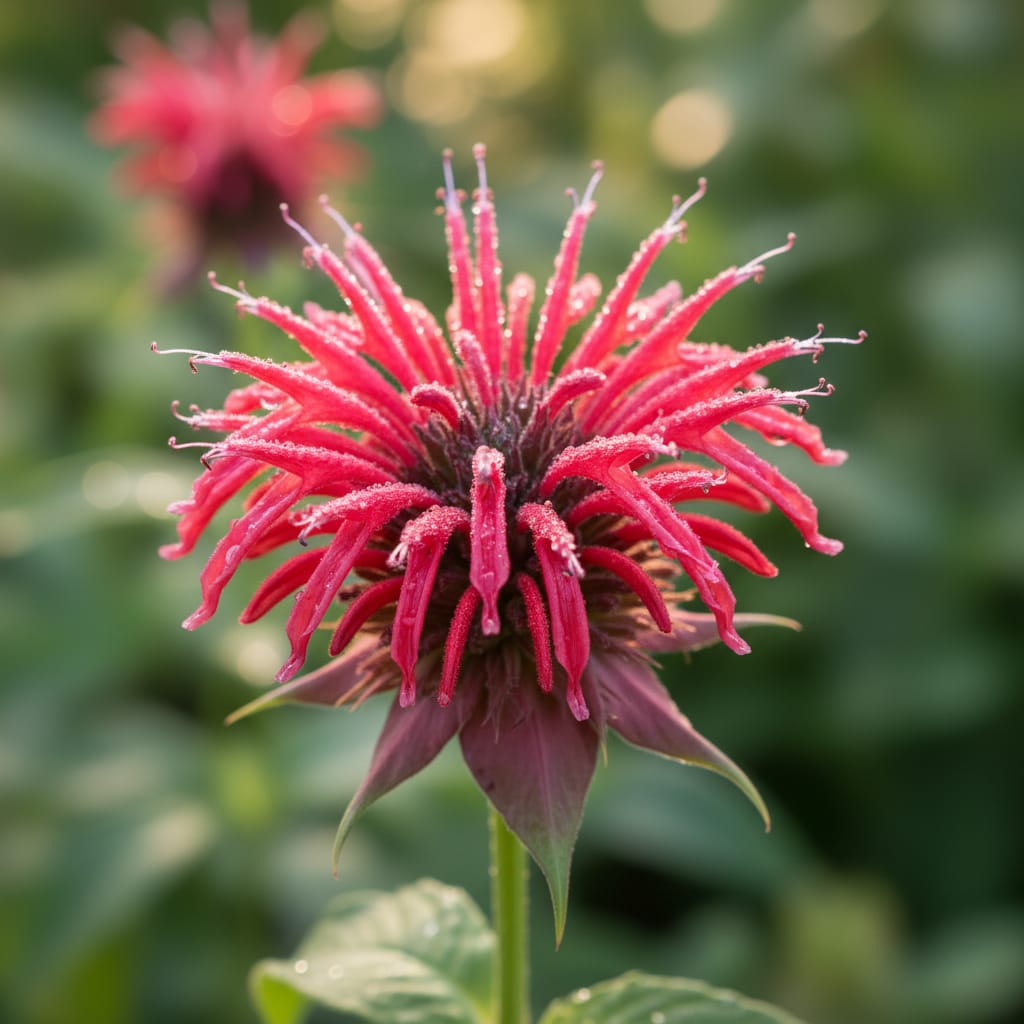
Bee Balm, or Monarda, is a staple of the classic American cottage garden. It’s a perennial, meaning it’ll come back year after year, which is great for your budget. The flowers look like little fireworks, and they are absolutely packed with nectar. Hummingbirds love them because they can perch on the sturdy stems while they feed.
One thing to watch out for: powdery mildew. It’s a common issue with Bee Balm in humid climates. To avoid this, make sure you give your plants plenty of space for airflow. Don't crowd them against a wall or other dense shrubs. If you live in a particularly humid area like the Midwest or the South, look for disease-resistant cultivars like 'Jacob Cline'. It’s a brilliant red that stands out from a mile away, and the hummingbirds honestly can’t get enough of it.
4. Fuchsia
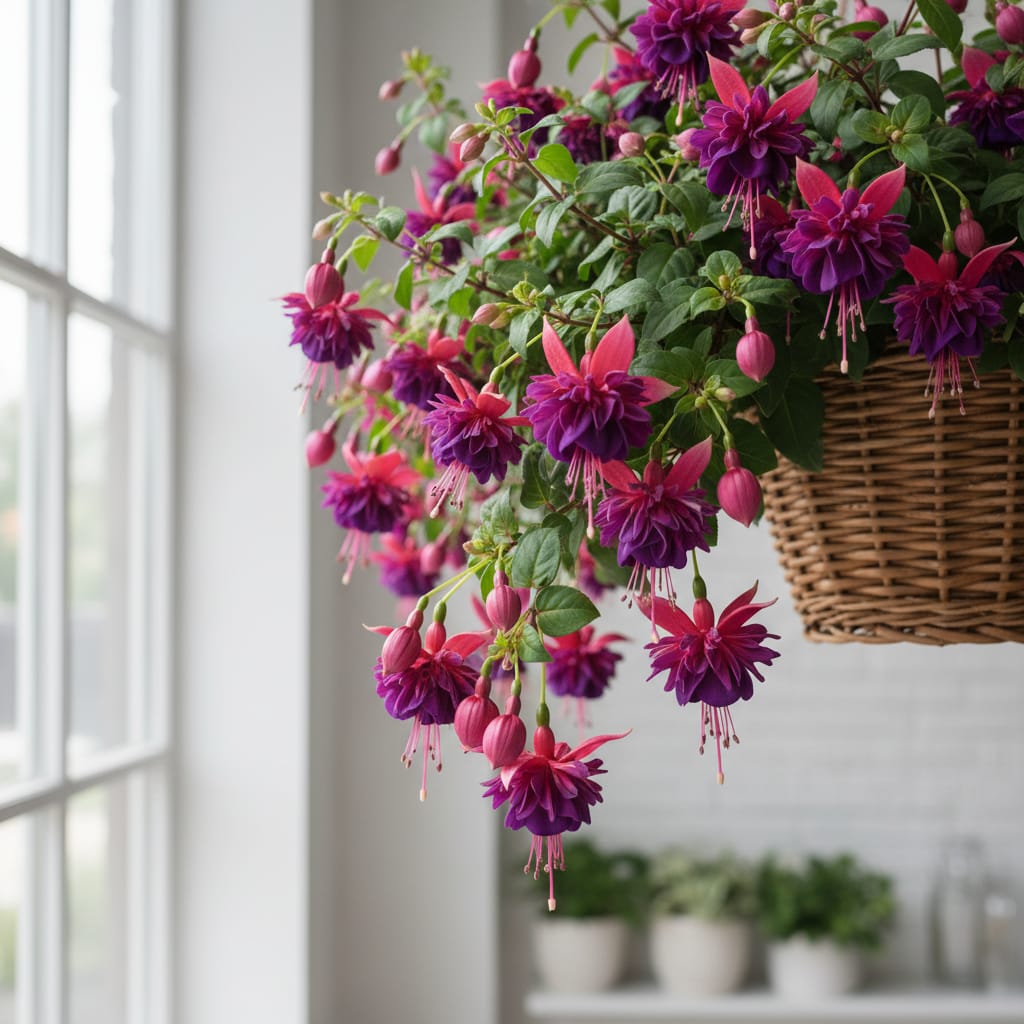
Fuchsia is the perfect choice for your porch or patio. Since hummingbirds are very territorial, having a hanging basket of Fuchsia right near your seating area is the best way to get an up-close look at them. They love the shade, which makes them a great option if your backyard is mostly tree-covered.
They bloom continuously throughout the season, providing that steady flow of sugar the birds need to keep their high metabolisms running. I’ve noticed that hummingbirds are particularly drawn to the pendulous, bell-shaped flowers. Just remember to keep them watered. Fuchsias don't like to dry out if the soil gets too crispy, they’ll drop their buds. Keep them in a cool, shaded spot, and you’ll have a constant stream of visitors right by your front door.
5. Columbine (Aquilegia)
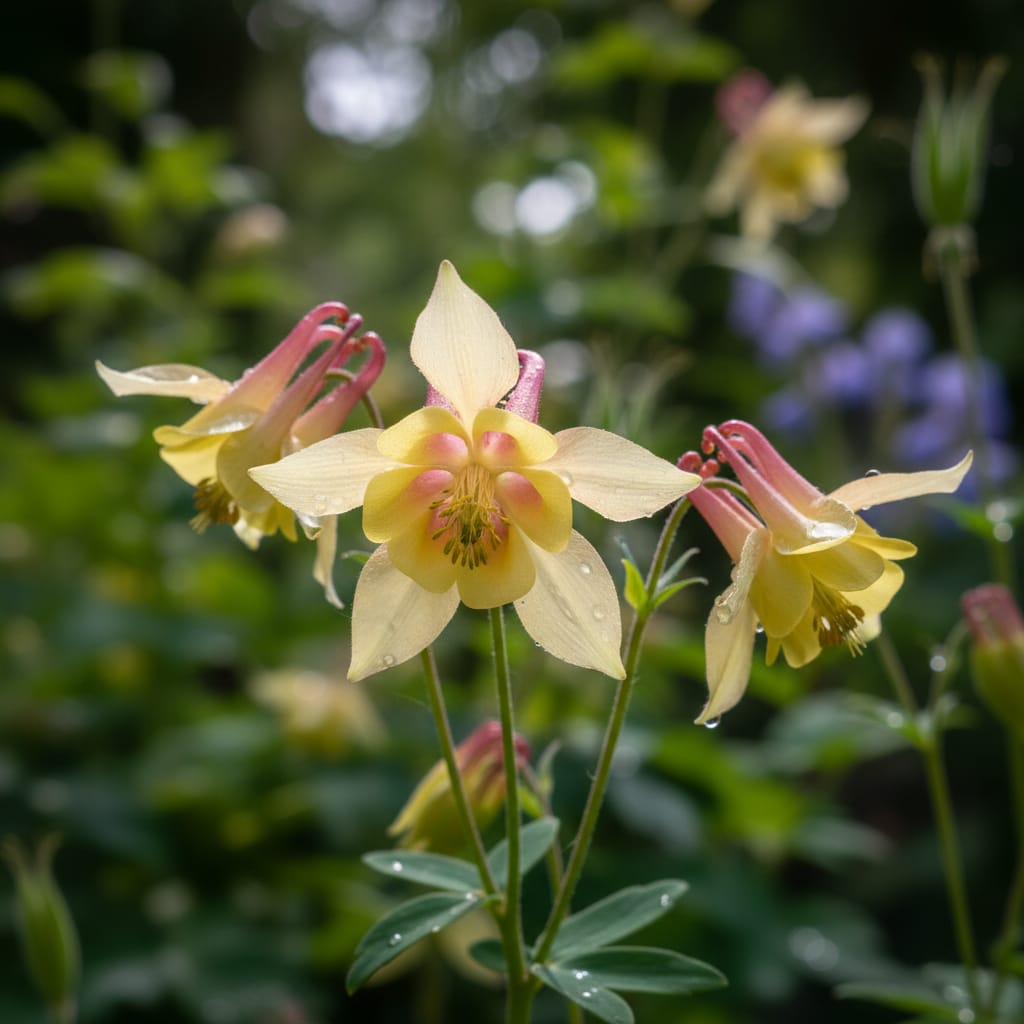
Columbine is one of the first flowers to bloom in the spring, which is a huge deal. Hummingbirds are often exhausted from their migration, and they need fuel the second they arrive. Having these early bloomers in your yard is like setting out a welcome mat.
They have a unique, spurred shape that is perfectly adapted for the long beaks of hummingbirds. They’re also quite pretty, with a whimsical, nodding habit that looks great in rock gardens or at the front of a border. They prefer partial shade and well-draining soil. If you live in a region with very hot summers, make sure they get some protection from the afternoon sun, or they’ll go dormant early. Honestly, they’re low-maintenance superstars that every bird-friendly yard needs.
6. Penstemon (Beard-tongue)
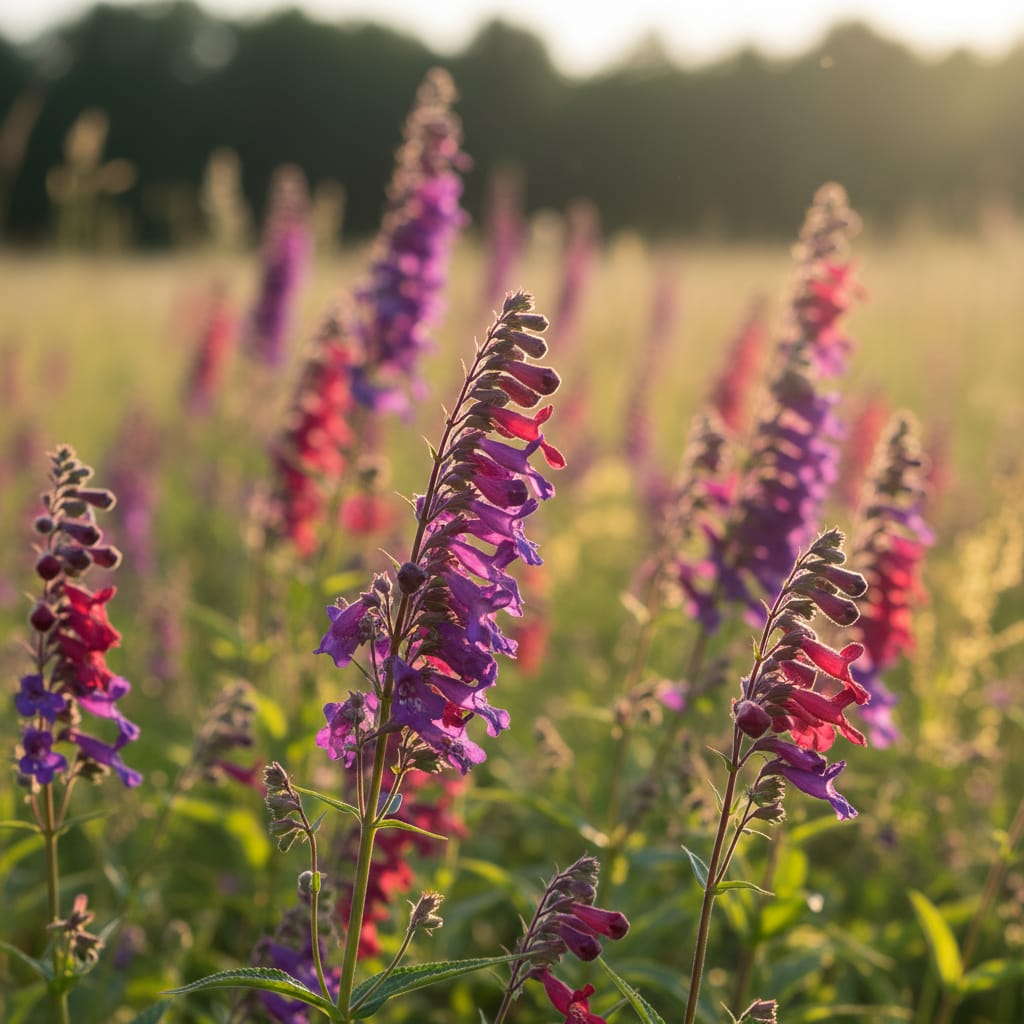
Penstemon is a bit of an unsung hero. It’s native to much of the US, which means it’s already adapted to your local soil and weather patterns. It produces these beautiful, tall spikes of tubular flowers that are basically the perfect shape for hummingbirds.
There are dozens of varieties, but for hummingbirds, I always lean toward the red or hot-pink types. They’re incredibly drought-tolerant once they’ve established their root systems, making them an excellent choice for a water-wise garden. If you want a garden that looks like it belongs in a wild meadow, Penstemon is your best friend. Plus, they’re great at attracting other pollinators too, so you’re doing the whole ecosystem a favor.
7. Cardinal Flower (Lobelia cardinalis)
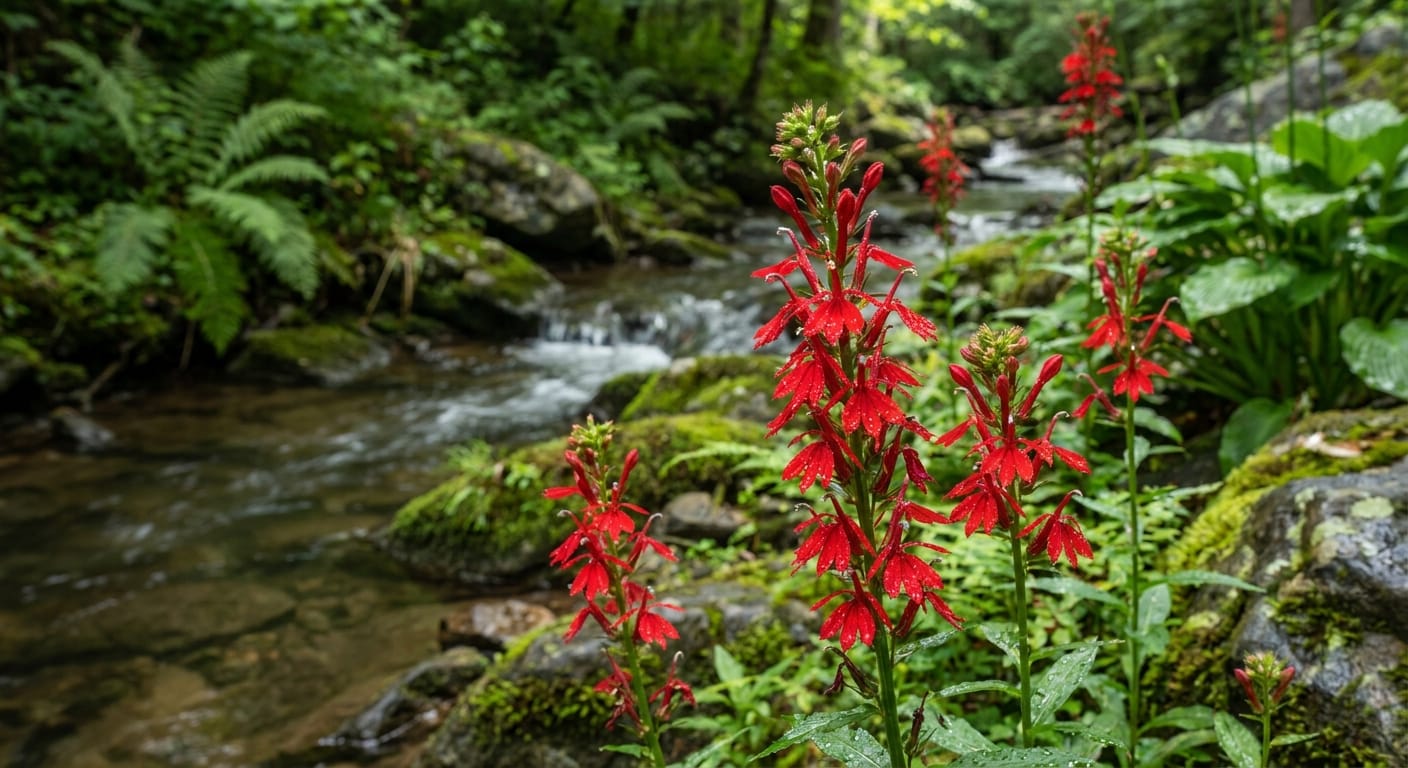
If you have a wet spot in your yard maybe near a downspout or a natural depression the Cardinal Flower is the answer. Most plants hate "wet feet," but this one thrives in it. The color is a deep, intense scarlet that is virtually impossible to miss, even from a distance.
Hummingbirds are drawn to this plant like a lighthouse. It’s one of the few plants that is almost exclusively pollinated by hummingbirds because the nectar is tucked so deep inside the tube. It’s a native powerhouse that adds a vertical element to your garden design. Just make sure it doesn't dry out. If you keep the soil consistently moist, it will reward you with a stunning, late-summer display that will have birds buzzing around your yard for weeks.
8. Honeysuckle (Lonicera)
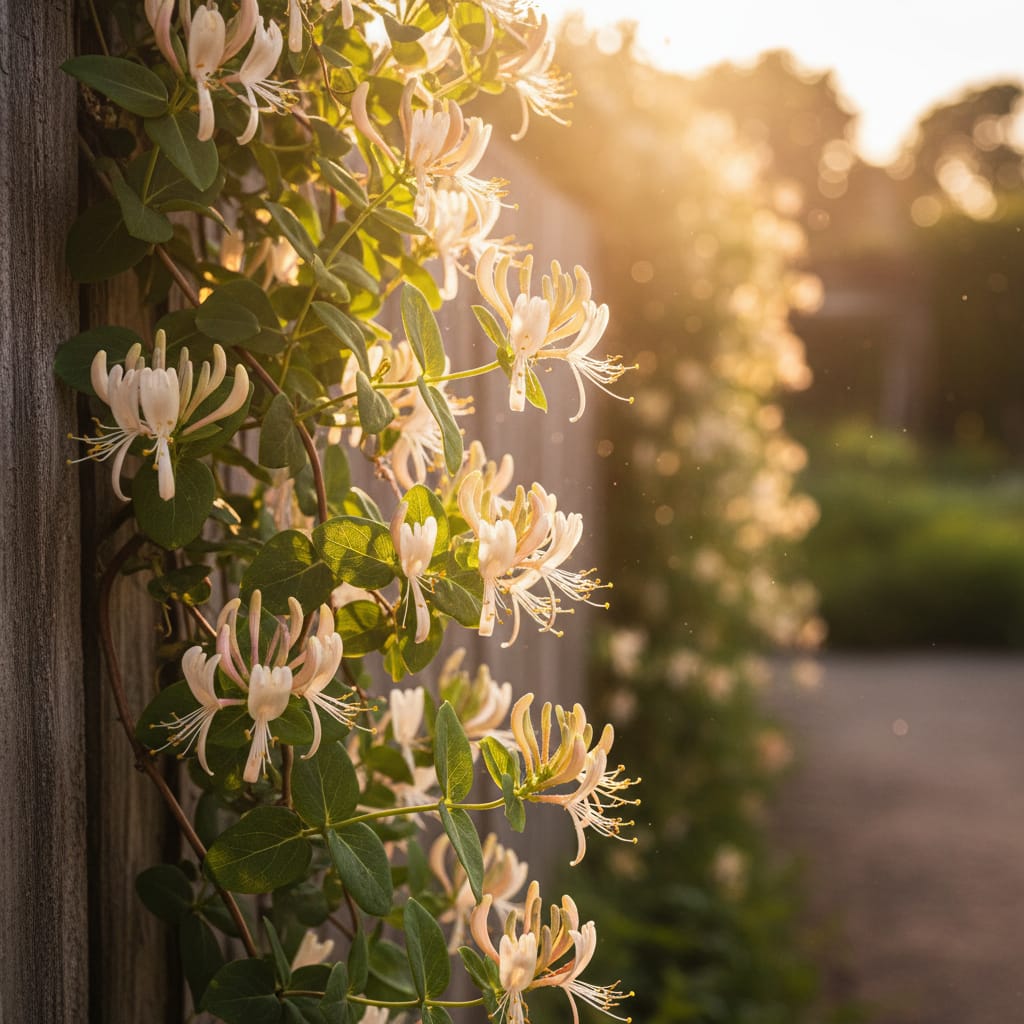
There is nothing like the scent of honeysuckle on a warm summer evening. It’s a classic for a reason. While some non-native varieties can be invasive, stick to the native coral honeysuckle (Lonicera sempervirens). It’s not aggressive, it’s evergreen in warmer climates, and the hummingbirds go absolutely wild for it.
It’s a vine, so give it a fence or a trellis to climb. It’s much more polite than the Trumpet Vine and stays in its lane. The tubular flowers are perfectly sized, and they bloom over a long period. It’s the kind of plant that makes your garden feel like a sanctuary. Just ensure you’re buying the native variety at your local nursery your local birds will thank you for it.
9. Petunias (The Right Kind)
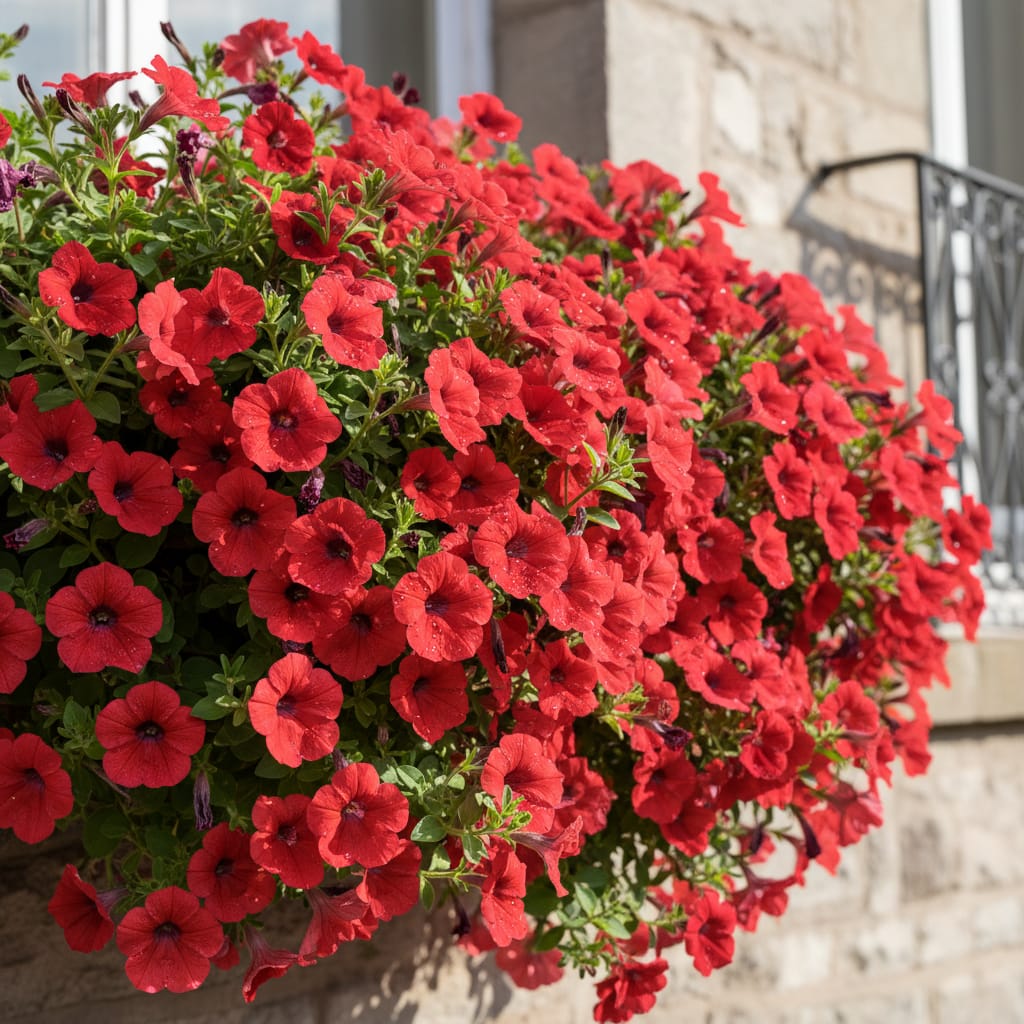
I know, I know petunias are everywhere. But they are a secret weapon for hummingbird enthusiasts. The key is to choose the single-bloom varieties rather than the fancy, ruffled double-blooms. Hummingbirds can’t easily navigate the layers of petals on the double varieties, but they can zip right into the single ones.
They’re cheap, they’re everywhere, and they bloom non-stop until the first frost. Use them in hanging baskets, window boxes, or as a colorful border. They need regular feeding and consistent watering, but they are the easiest way to add a pop of red to your garden on a budget. Don't overthink it; sometimes the simplest solution is the best one.
10. Lantana
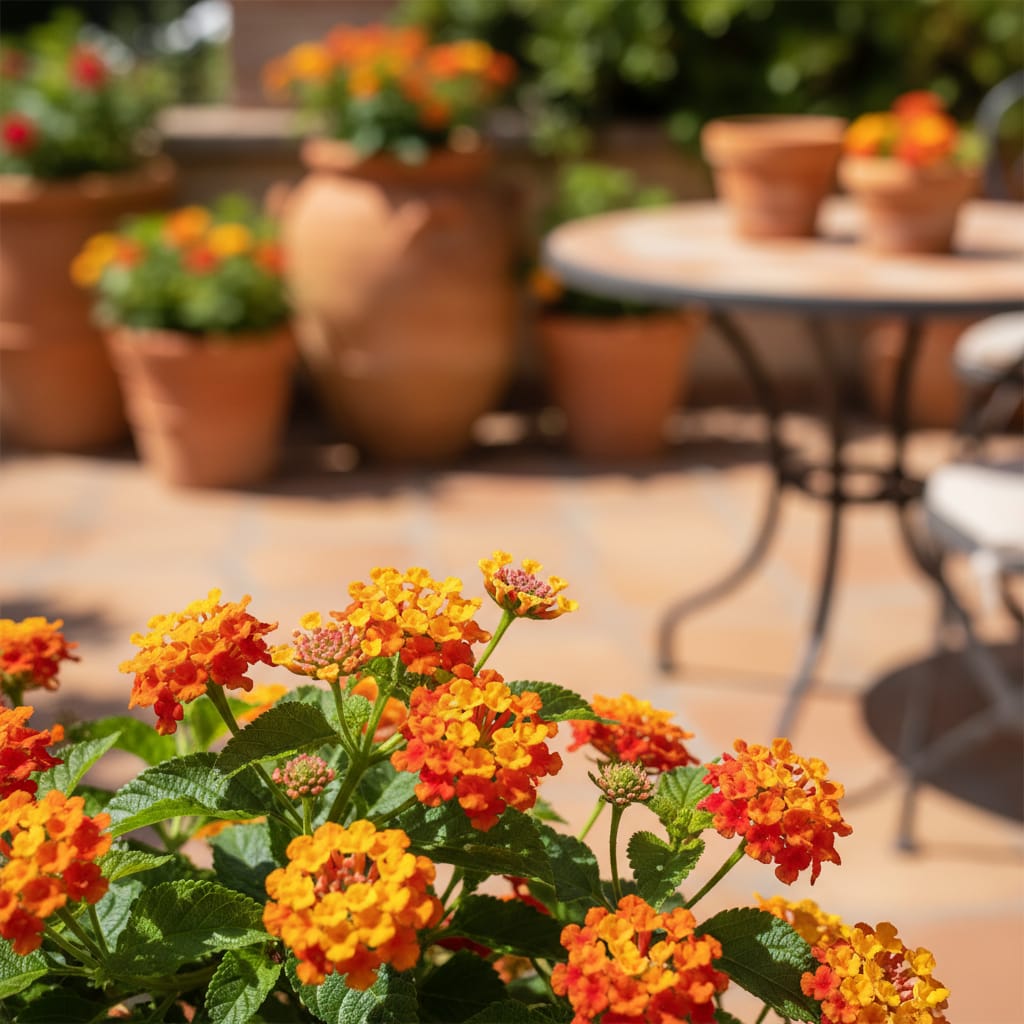
Lantana is a heat-loving machine. If you live in a place where the summers are brutal, Lantana will be the only thing in your garden that actually looks happy. It produces these tight clusters of small, tubular flowers that hummingbirds adore.
It’s incredibly hardy and drought-tolerant. In the South, it can act as a perennial, while in the North, it’s a stellar annual. Because the flowers are small, hummingbirds can spend a long time at a single cluster, meaning you get a better chance to watch them. Just be careful in some parts of the country, it can be invasive, so check your local extension office before planting. Otherwise, it’s a low-effort, high-reward plant that keeps the birds fed all season long.
How to Place Your Feeders Properly
Now that you have the flowers, let’s talk about feeders. A feeder is not a replacement for flowers; it’s a supplement. When the blooms start to fade or the weather turns, your feeder is the safety net.
- Keep it clean: This is non-negotiable. If you don't clean it, you’re essentially feeding them poison. Wash it with hot water and a bit of vinegar at least twice a week.
- Location matters: Don’t put it in direct, baking sun. The nectar will ferment, and that’s dangerous for the birds. Aim for a spot with morning sun and afternoon shade.
- Keep it safe: Place it near a "safe zone" a shrub or tree where they can perch and watch for predators before they dive in to feed.
- The color trick: You don't need red dye in the sugar water. Seriously, don't do that; it’s harmful. Just make sure the feeder itself has some red on it. That’s enough to catch their eye.
The bottom line is that creating a hummingbird-friendly space is all about layering. Mix these plants with some reliable feeders, keep the environment clean, and you’ll transform your backyard into a seasonal hotspot for these incredible birds.


