If you live in the suburbs or near wooded areas in the US, you know the heartbreak. You spend weeks planning your beds, hauling bags of mulch, and carefully watering your seedlings, only to wake up to a garden that looks like a salad bar for the local deer population. It’s frustrating, expensive, and frankly, it makes you want to give up on gardening entirely.
But here’s the thing: deer aren’t just picky; they’re creatures of habit and scent. They rely heavily on their sense of smell to decide what’s edible and what’s a waste of energy. By choosing plants that have strong fragrances, fuzzy textures, or even mild toxicity, you can effectively "deer-proof" your landscape without installing an ugly eight-foot fence. Let’s look at the best flowers that actually stand a chance against your local herd.
1. Daffodils
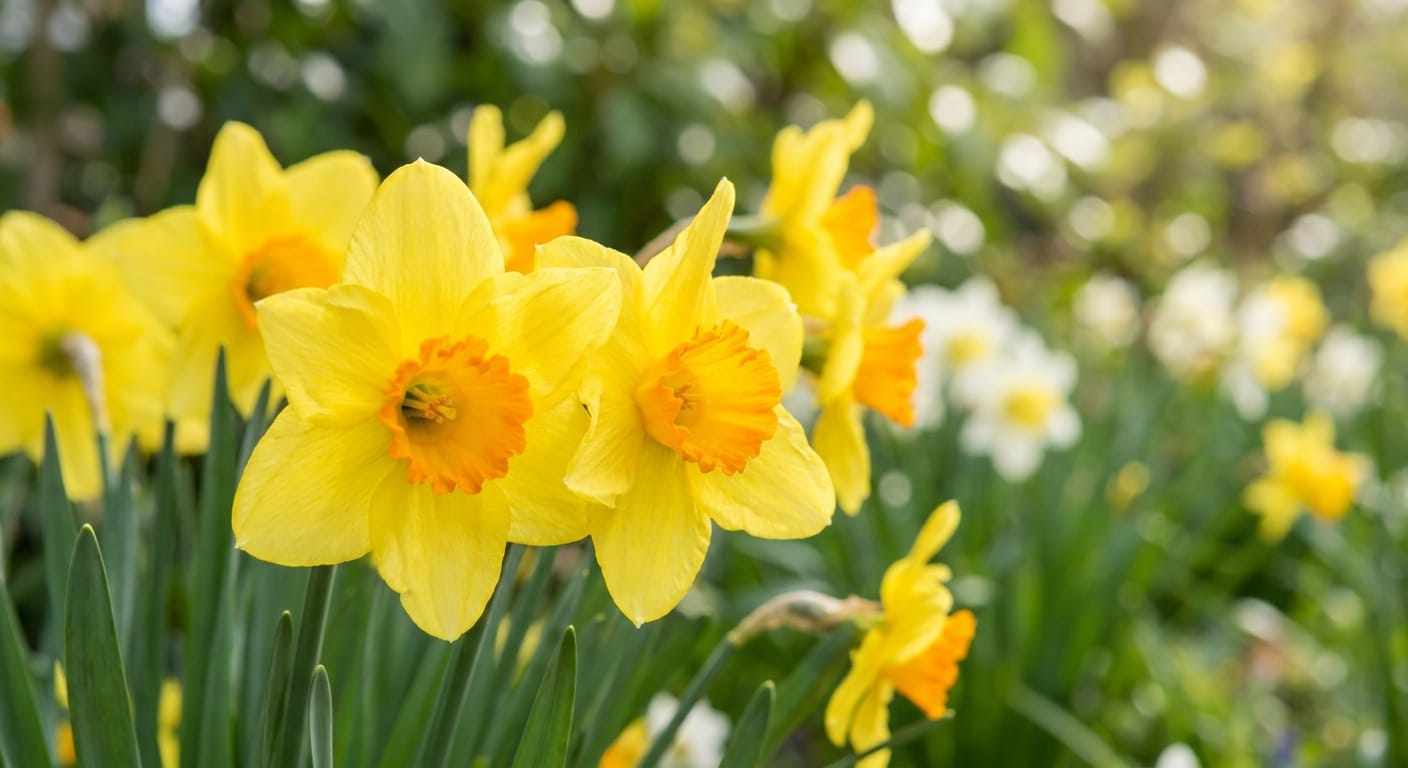
If there is one plant that belongs in every deer-prone garden, it’s the daffodil. These are the gold standard for deer resistance. They contain lycorine, a substance that is toxic to deer, and the bulb itself tastes terrible to them. In my experience, even the hungriest deer will walk right past a patch of daffodils to get to something tastier. They are incredibly easy to plant in the fall for a massive spring payoff. Just make sure you plant them in well-draining soil, as the bulbs can rot in soggy conditions. They are hardy across almost every US zone, making them a low-maintenance, high-impact choice.
2. Lavender
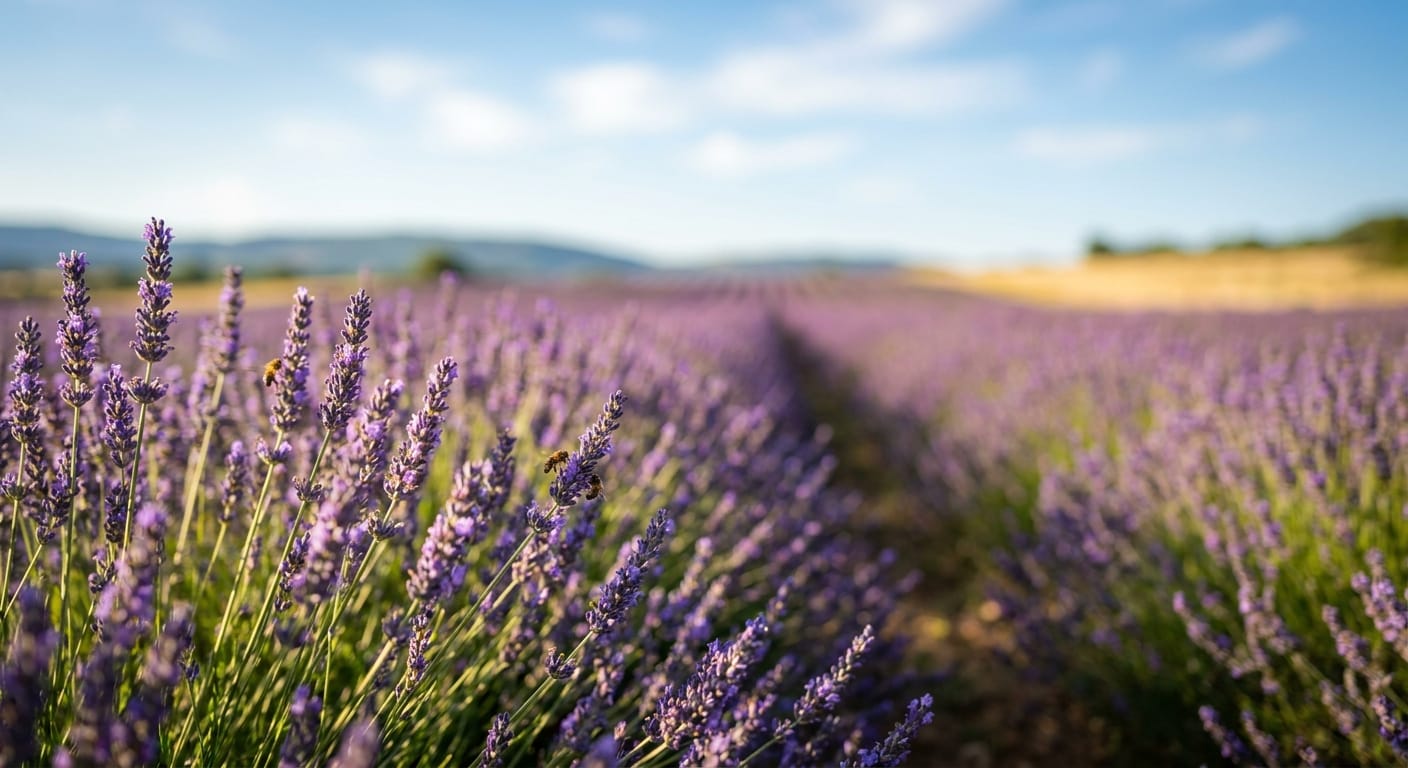
Deer absolutely despise the smell of lavender. Those fragrant essential oils we love so much are a major turn-off for deer, who prefer fresh, tender greens. Lavender thrives in full sun and requires very little water once established, making it a perfect choice for xeriscaping or rocky soil. I always recommend planting it near pathways or your front door so you get to enjoy the scent while the deer steer clear. Just remember to give it plenty of space for airflow humid, stagnant air is the enemy of lavender, not the deer.
3. Foxglove
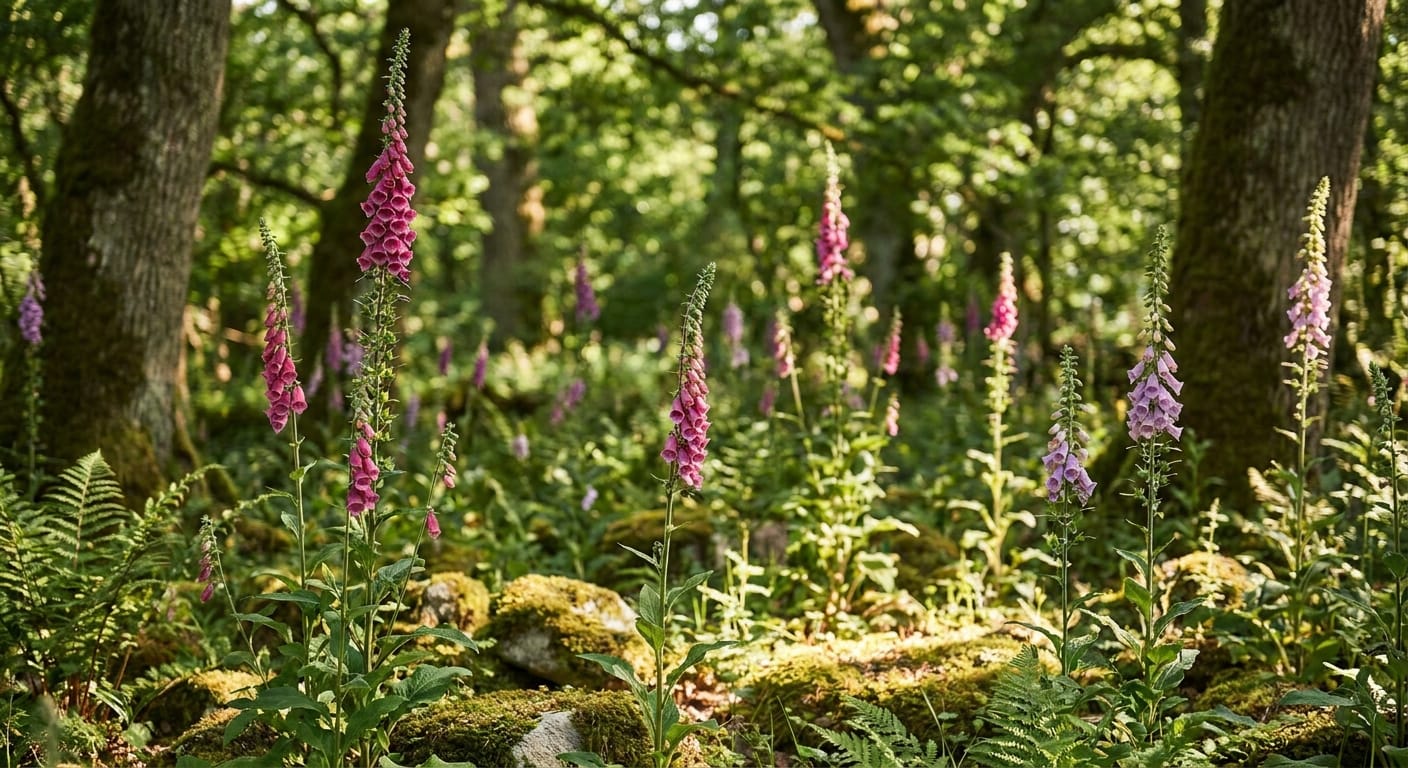
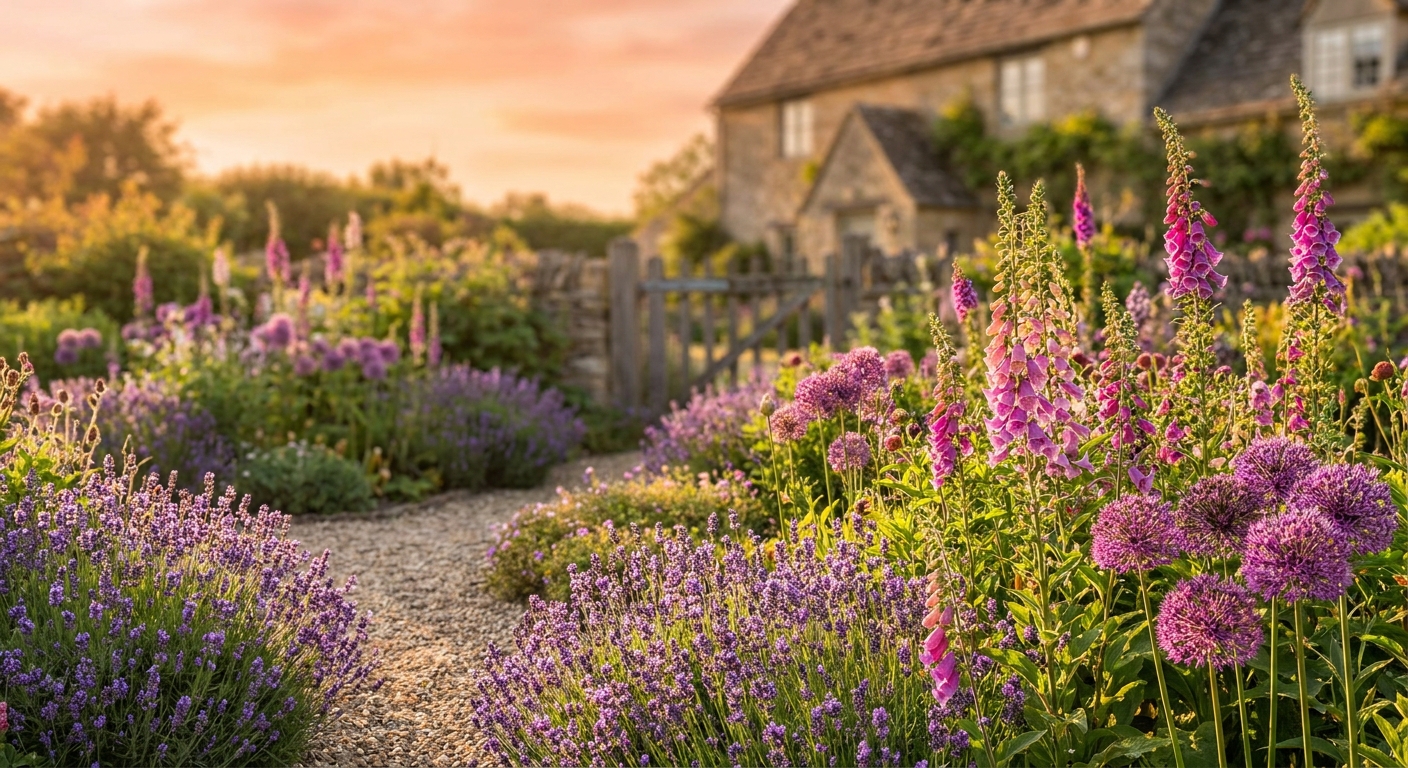
Foxglove is a classic cottage garden staple that happens to be highly toxic to many mammals, including deer. Because these plants contain cardiac glycosides, deer learn very quickly to leave them alone. They add incredible height and architectural drama to the back of a border. While they are biennial meaning they usually grow leaves the first year and bloom the second they often self-seed so effectively that you’ll have a constant supply year after year. They love partial shade, which is a huge plus if your deer-resistant options are limited by tree cover.
4. Salvia
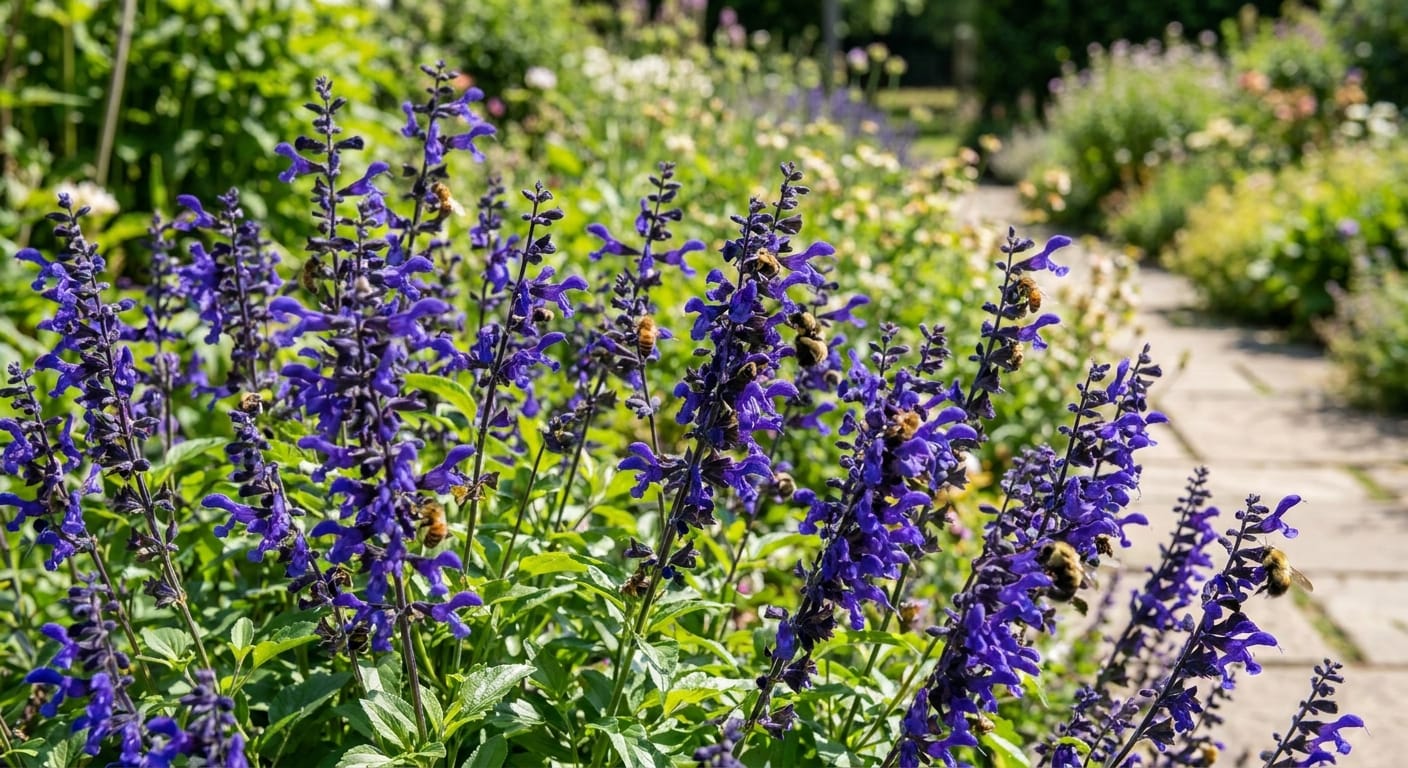
There are dozens of varieties of salvia, and almost all of them are off the menu for deer. Like lavender, salvia is a member of the mint family, and its aromatic foliage is a huge deterrent. These are absolute workhorses in the garden they bloom for months, attract pollinators like bees and butterflies, and are incredibly drought-tolerant. Whether you’re in the humid South or the dry West, there’s a salvia variety that will thrive. I love using them to fill in gaps in perennial beds because they grow quickly and reliably.
5. Alliums
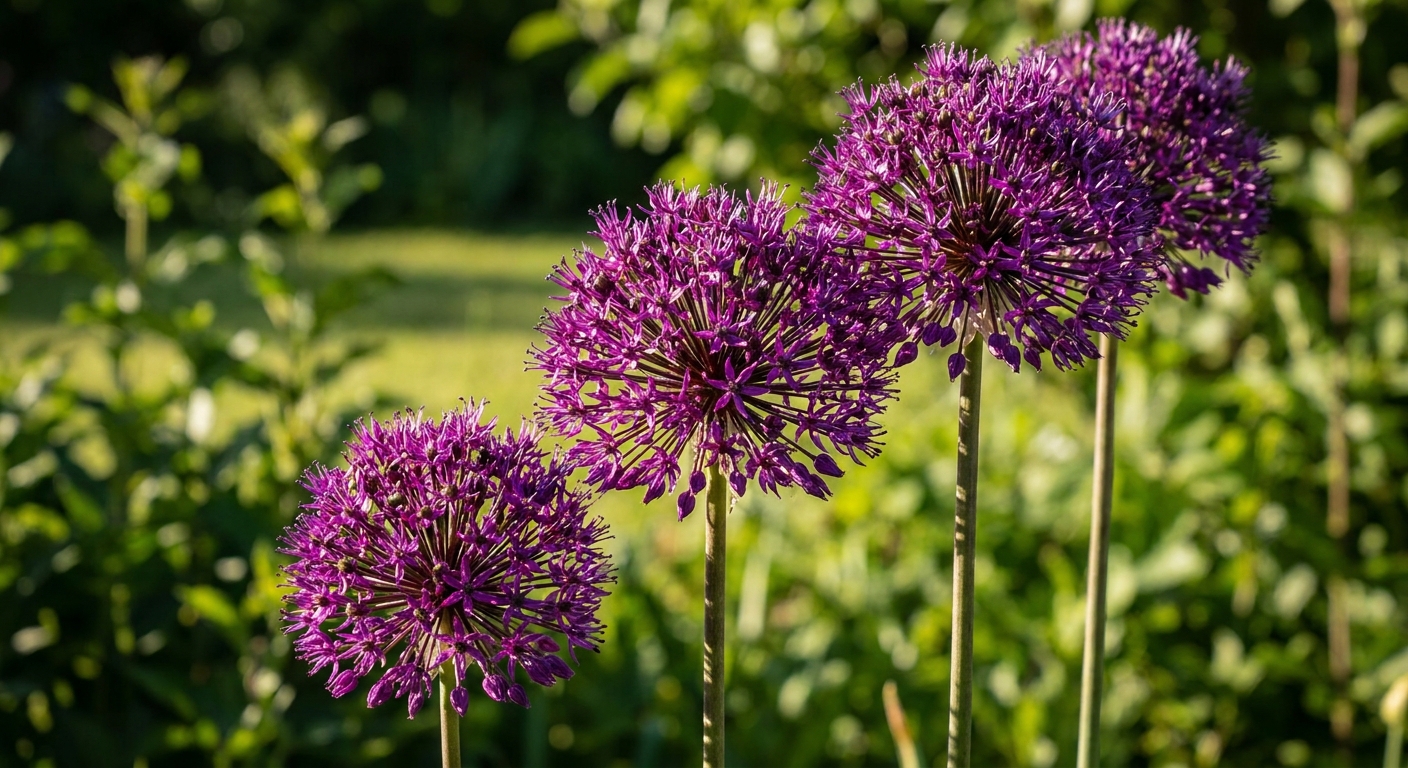
If you want a plant that looks like it came from another planet, go for alliums. These are part of the onion family, and they have that signature pungent scent that deer find repulsive. They look fantastic when planted in clusters of three or five, providing a sculptural element that stands out against softer, more traditional flowers. Because they are bulbs, they are another "plant it and forget it" addition to your garden. They bloom in late spring and early summer, bridging the gap between your spring bulbs and your summer perennials.
6. Peonies
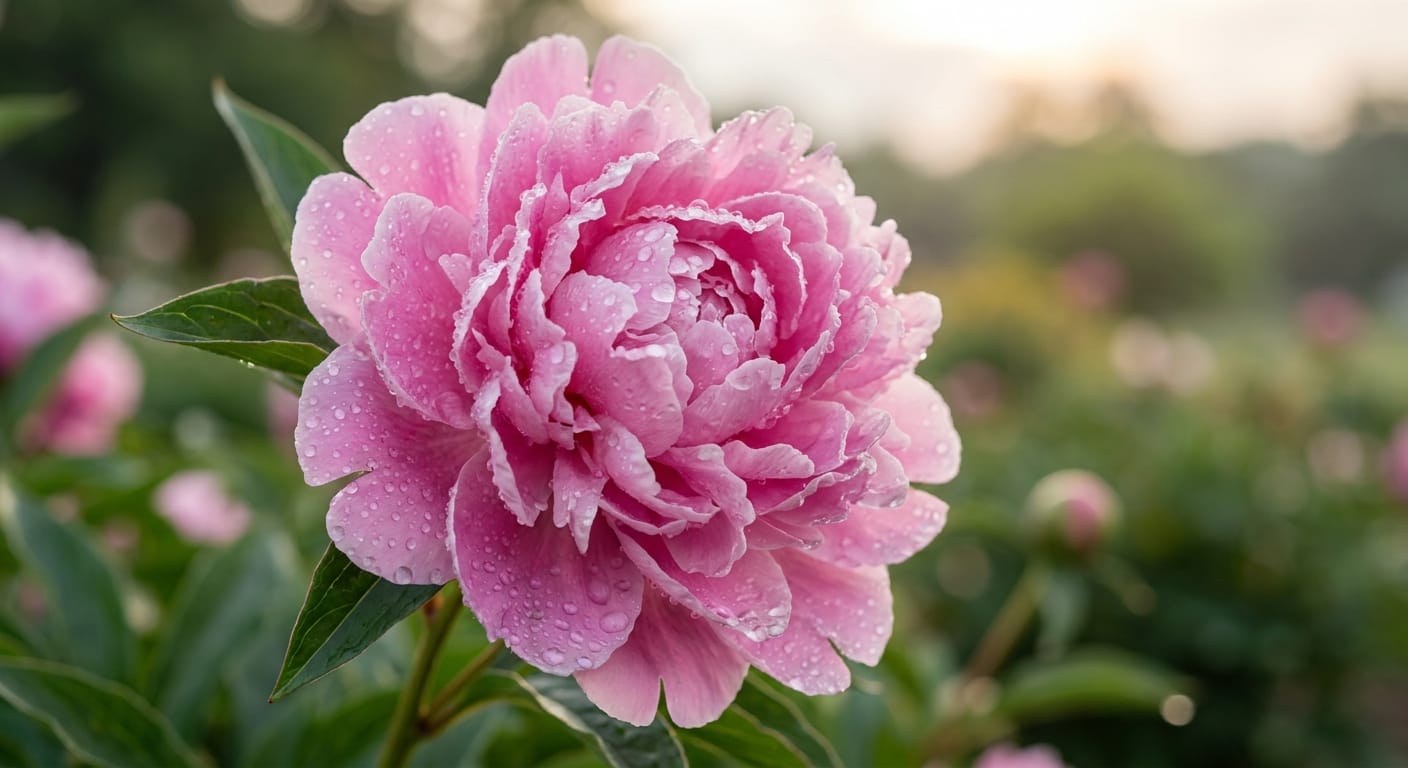
Most people are surprised to hear this, but peonies are generally considered deer-resistant. Deer usually avoid them because of the taste and the texture of the leaves. While there’s always a rare, desperate deer that might take a nibble, they are rarely the first choice. Peonies are a long-term investment they can live for decades in the same spot. They prefer full sun and deep, rich soil. If you have the patience to wait for them to establish, they will reward you with some of the most beautiful blooms in the entire garden.
7. Bleeding Heart
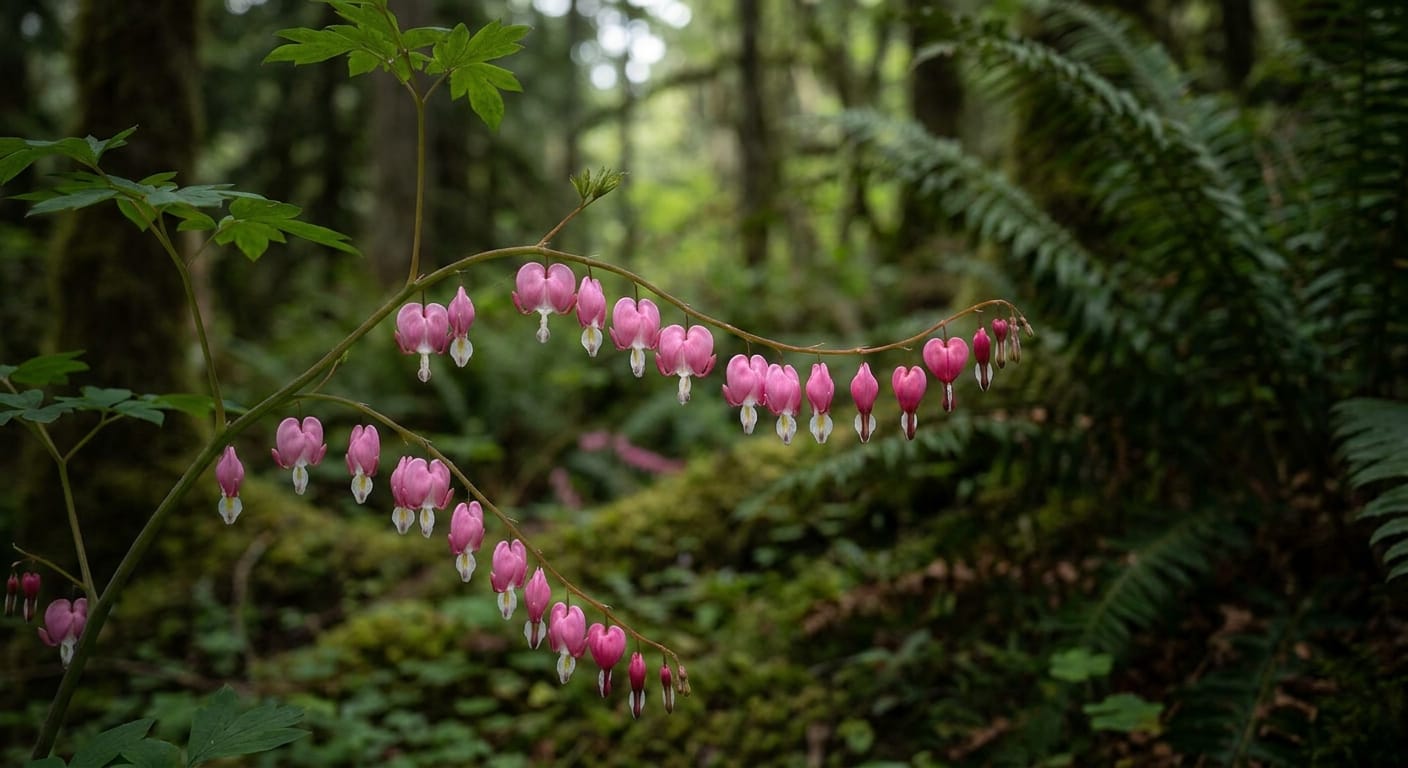
For those shady corners of your yard where nothing else seems to grow, bleeding hearts are a fantastic option. They possess a delicate beauty, but they are tough enough to be ignored by deer. They prefer cool, moist soil and shade, making them the perfect companion to ferns or hostas (though, to be fair, deer love hostas, so keep the bleeding hearts around them to act as a distraction). They go dormant in the heat of mid-summer, so don’t worry if they disappear after their spring show they’ll be back next year.
8. Catmint
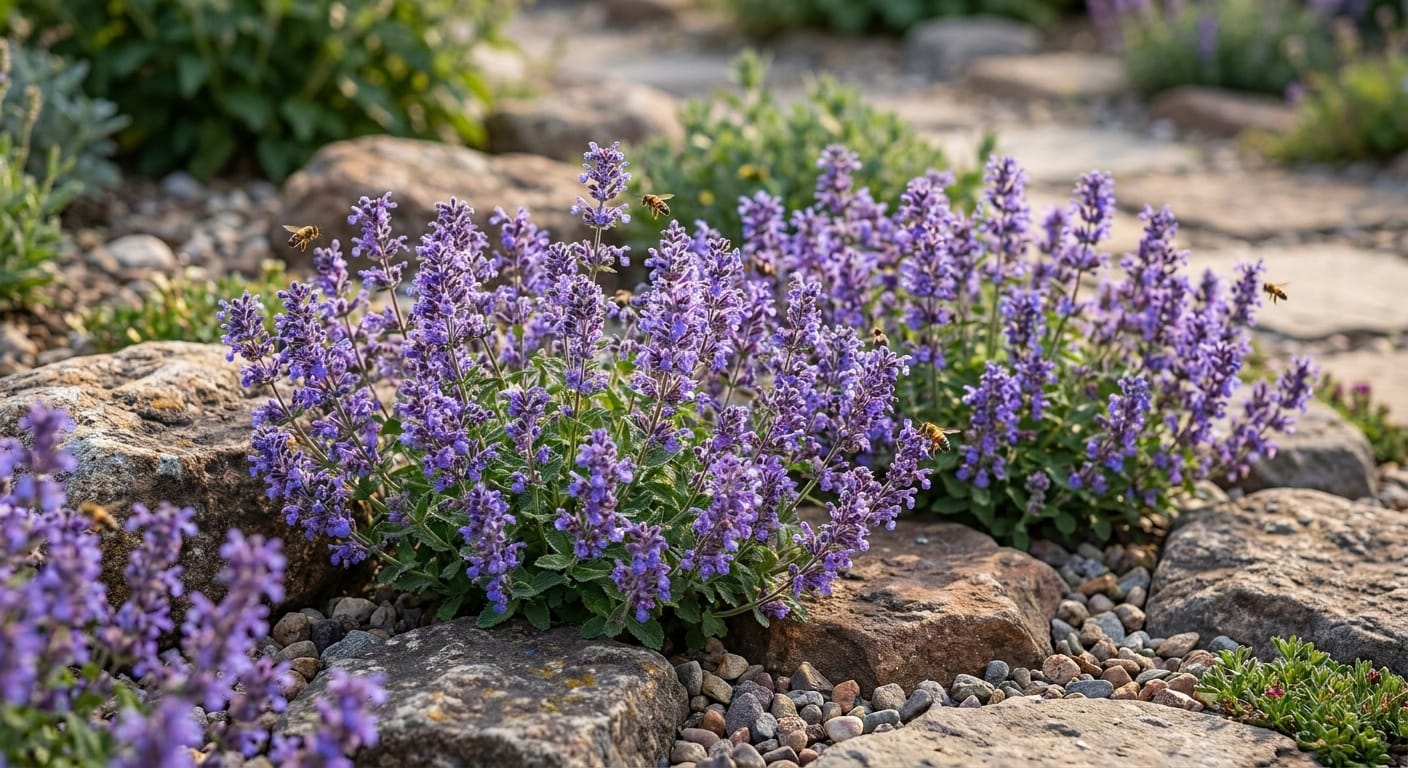
Catmint (Nepeta) is the ultimate "set it and forget it" plant. It’s incredibly hardy, grows in almost any soil, and spreads to create a soft, purple-hued carpet that deer simply won't touch. It blooms repeatedly throughout the summer, especially if you give it a light shear back after the first flush of flowers. It’s a great choice for filling in edges or covering up unsightly areas where you don’t want to do much maintenance. Just be warned: if you have an outdoor cat, they might spend a lot of time lounging in your catmint patch!
9. Coneflower
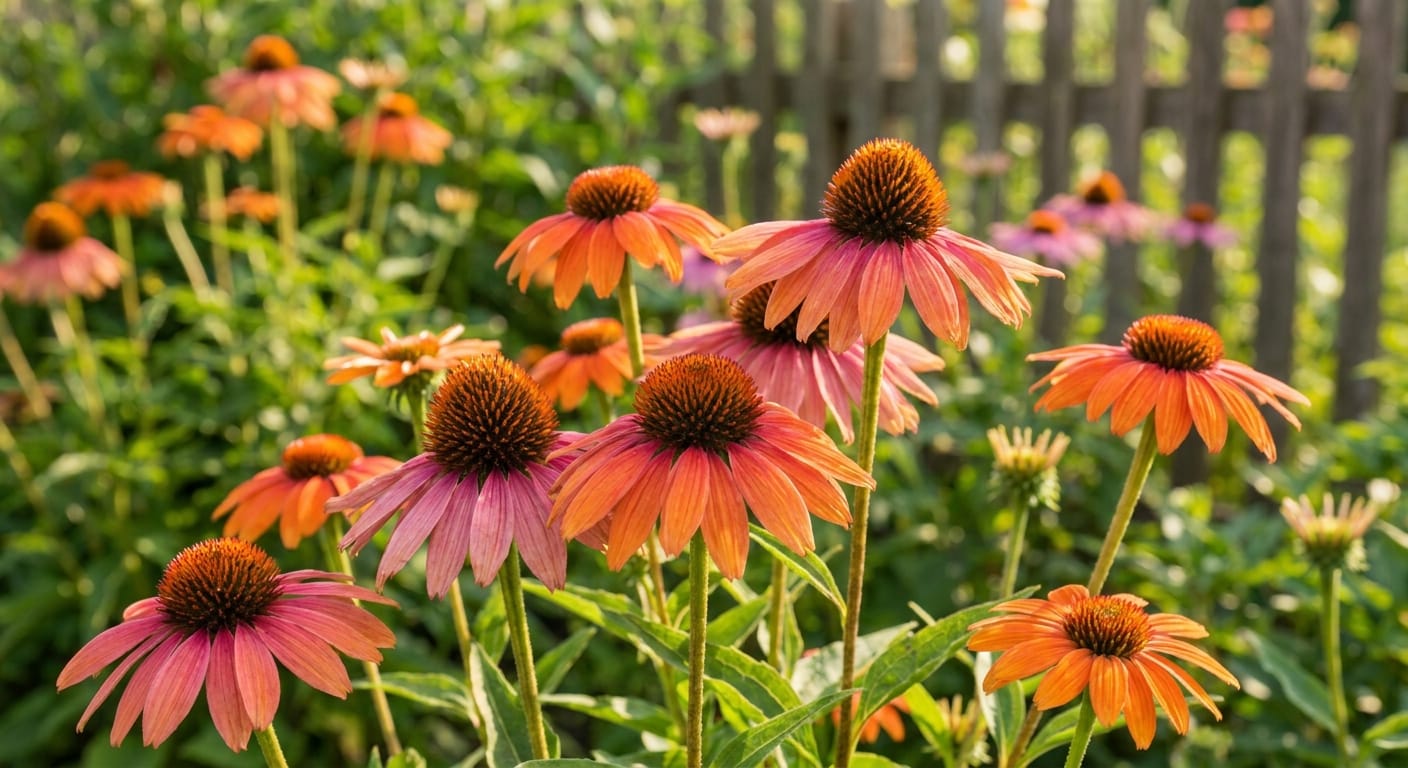
Coneflowers (Echinacea) are a native prairie plant that deer typically find too rough and scratchy to enjoy. These are absolute magnets for butterflies and goldfinches, making them a must-have for any wildlife-friendly garden. They are incredibly tough, drought-tolerant, and handle the heat of a typical US summer with ease. Once the flowers fade, leave the seed heads up for the birds it adds winter interest to your garden while keeping the deer away from your more delicate shrubs.
10. Yarrow
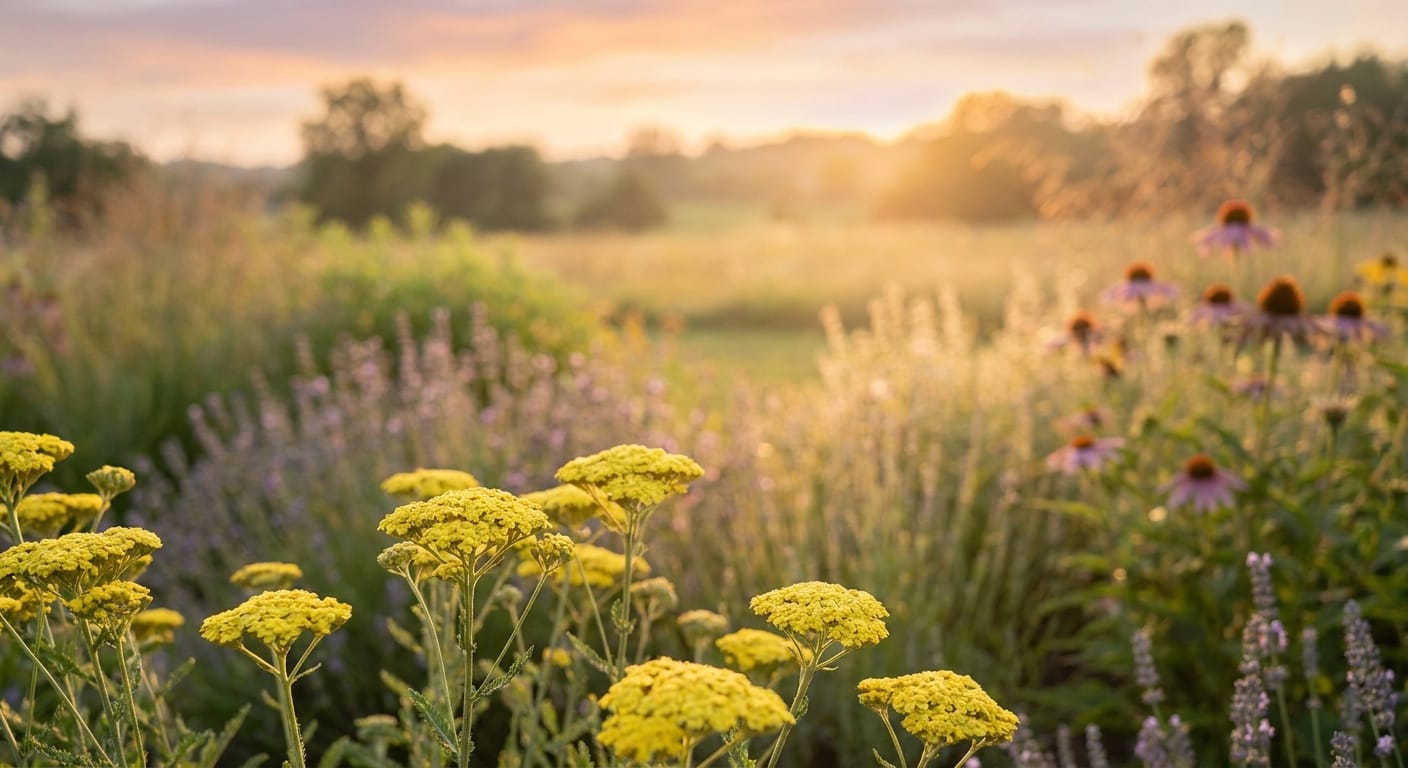
Yarrow is another native powerhouse that deer tend to avoid because of its bitter, fern-like foliage. It comes in a variety of colors, from bright yellow to deep red and terracotta, and it thrives in poor soil where other plants would struggle. It’s virtually indestructible. If your garden has dry, sandy, or rocky soil, yarrow is your best friend. It provides a great structural contrast to rounder flowers like peonies or alliums and is a favorite among beneficial insects.
What NEVER works (and why you should stop trying)
I see people try these every single season, and it breaks my heart. Please, save your money: Hostas are essentially deer candy. If you plant them, you are inviting the herd to dinner. Similarly, Tulips are like gourmet dessert for deer; they will eat the buds off the stem before you even get a chance to see them open. And don’t get me started on Roses. While some people claim certain varieties are "resistant," a hungry deer will strip a rose bush to the thorns in a single night. If you love these plants, grow them in a fenced-in courtyard or in pots on a deck that deer can’t reach. Otherwise, stick to the list above.
A quick note on deterrents
If you absolutely must grow something that deer love, you have to use a multi-pronged approach. Sprays that use rotten egg or predator urine scents can work, but you have to reapply them religiously after every rain. Physical barriers like motion-activated sprinklers or fishing line fences can provide a temporary deterrent, but deer are smart they’ll eventually figure out that the sprinkler isn’t actually going to hurt them. The best "deer-proof" garden is one that relies on plants they find naturally unappealing.
The bottom line: If you’re tired of losing your garden to the local wildlife, stop fighting nature and start working with it. By filling your beds with these aromatic, fuzzy, and bitter-tasting varieties, you can stop being a buffet and start being the envy of the neighborhood.