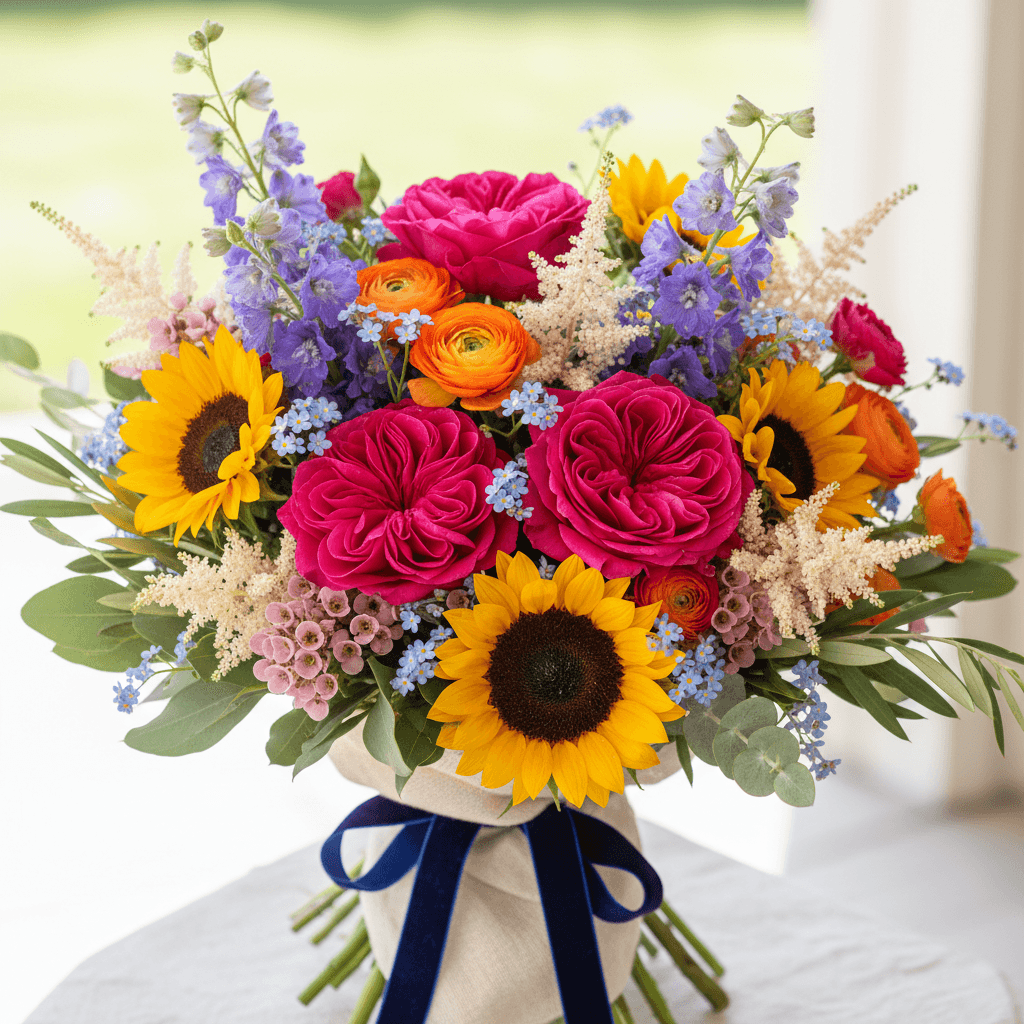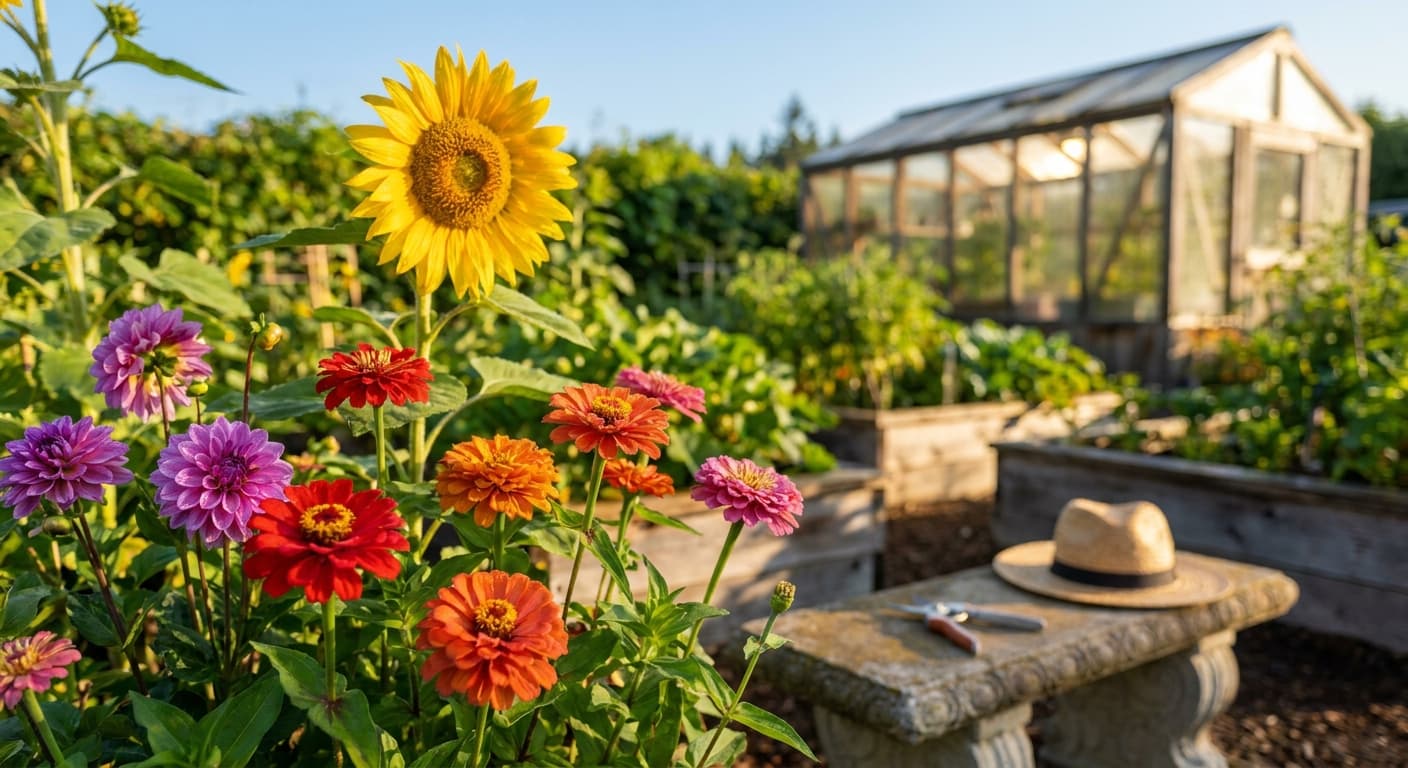
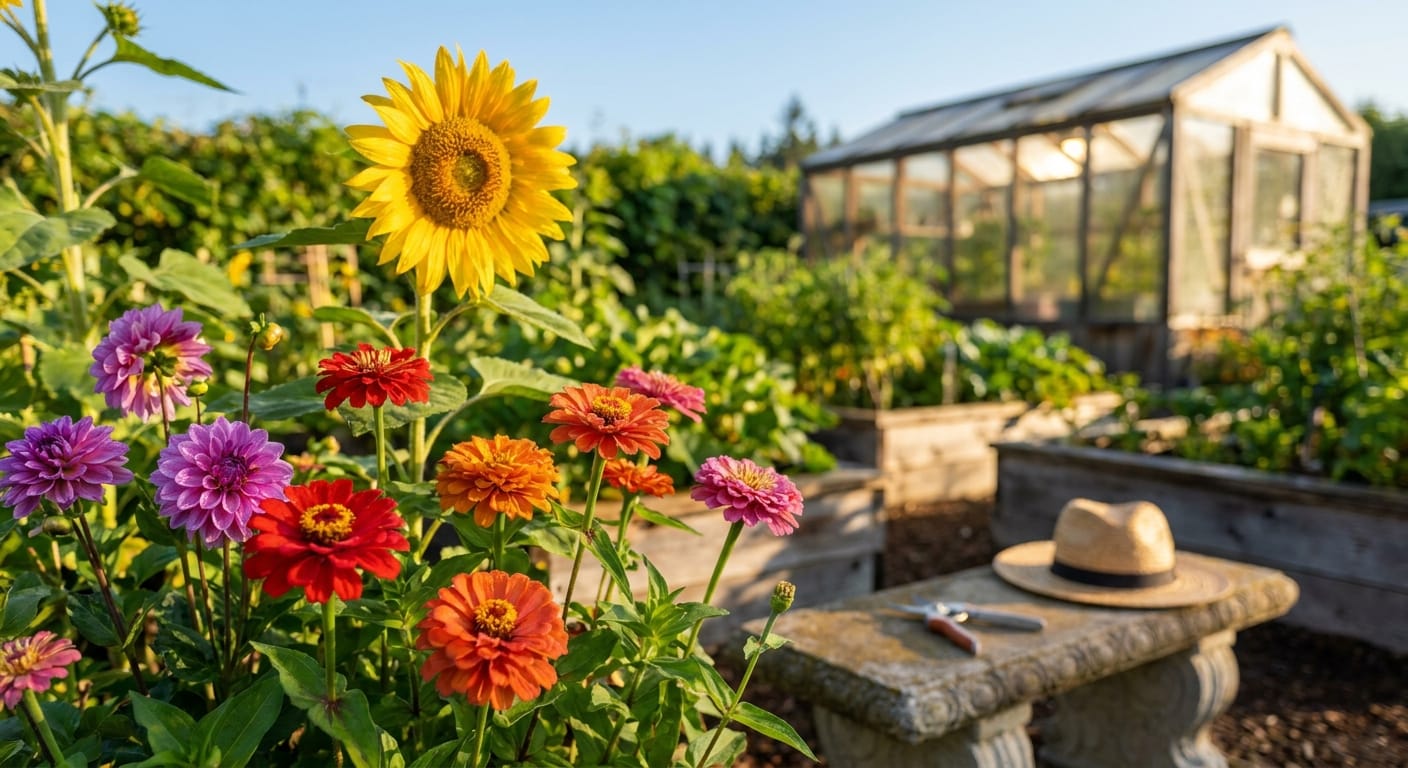
There’s something honestly transformative about walking out your back door in your pajamas, clippers in hand, and harvesting a professional-looking bouquet before the coffee is even finished. If you’ve been eyeing those gorgeous, high-end florist arrangements and thinking, "I could never do that," I’m here to tell you that you’re wrong. You don’t need a greenhouse or a degree in horticulture; you just need the right seeds and a little bit of patience.
Most people make the mistake of planting too many complicated perennials right out of the gate. Skip the drama. For your first season, focus on high-yield annuals that actually reward you for cutting them. In the US, our climate zones range from the chilly north to the humid south, but these seven plants are the heavy hitters that perform consistently across almost every state. Let's dig in.
1. Zinnias
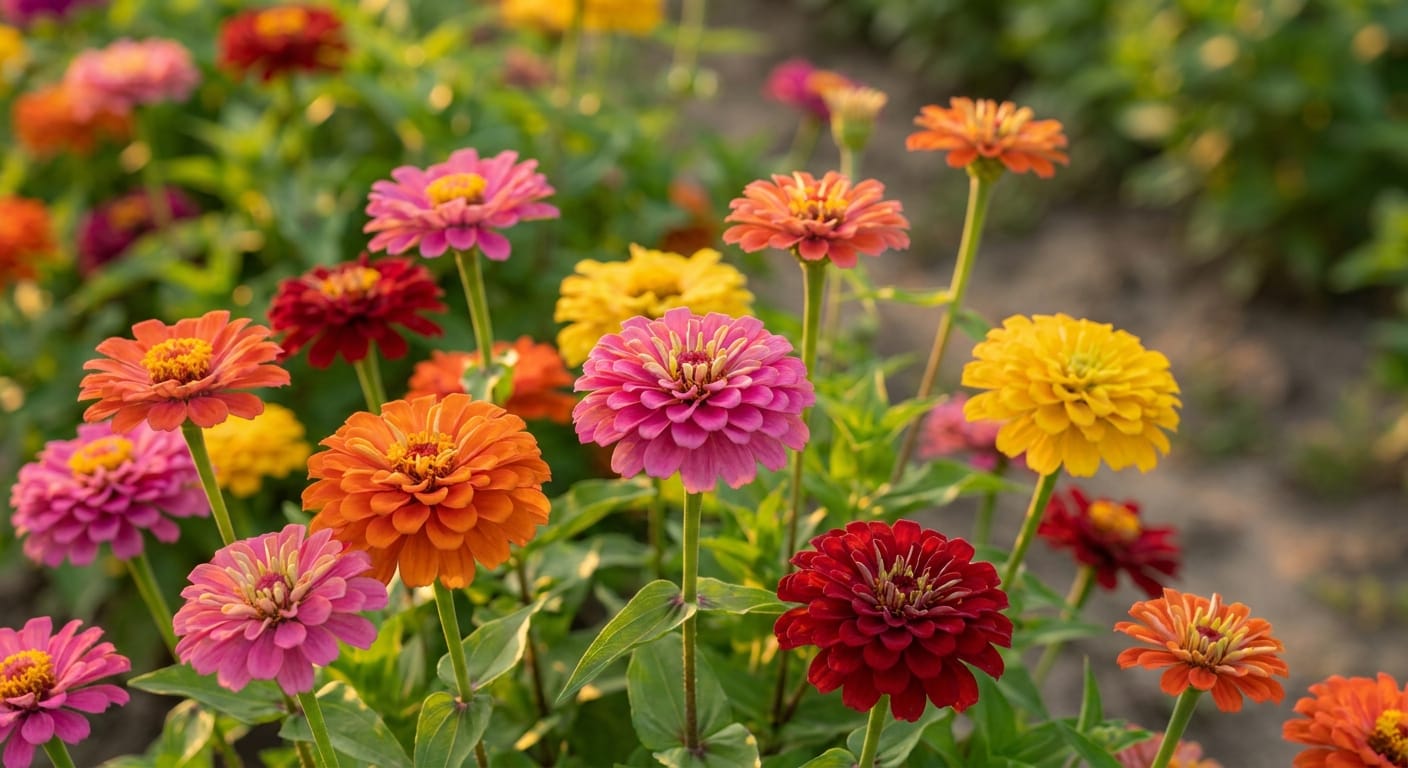
Zinnias are the absolute backbone of any beginner's cut flower garden. Honestly, if you can’t grow a zinnia, you might want to switch to plastic plants. They are bulletproof, heat-loving, and come in practically every color of the rainbow. The trick here is pinching. When the plant is about 8 to 12 inches tall, snip off the top center stem. It feels counterintuitive, but it forces the plant to branch out, giving you twice as many stems to harvest later in the season.
They thrive in full sun and are native to the warm climates of the Americas, meaning they’ll handle a humid July in Georgia or a dry August in Colorado without breaking a sweat. For the best results, look for the 'Benary’s Giant' or 'Queen Lime' series. They produce long, sturdy stems that hold up perfectly in a vase for over a week.
2. Cosmos
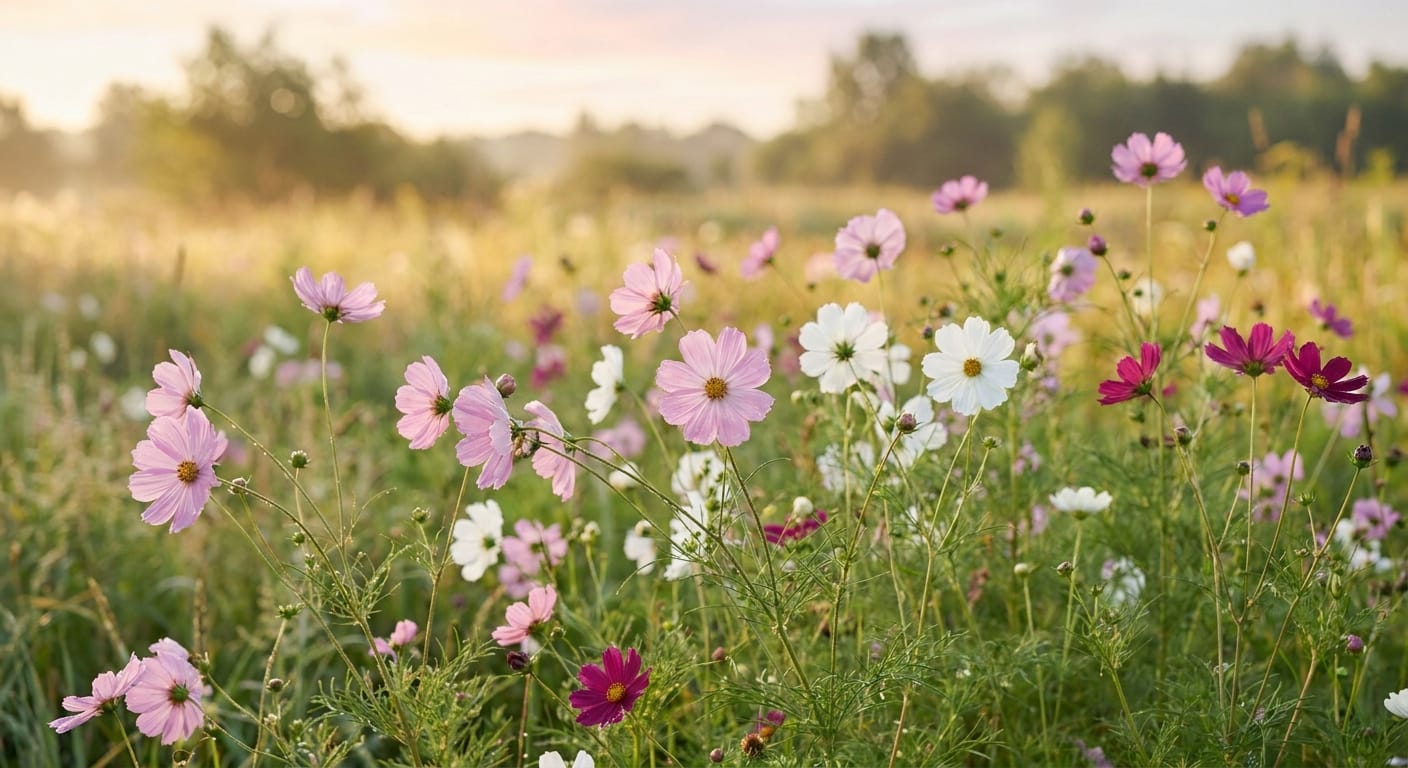
If zinnias are the sturdy workhorses, cosmos are the ethereal dancers of your garden. They have these fine, fern-like leaves and papery blooms that look like they belong in a fine art painting. They grow like weeds literally. You can toss these seeds directly into the soil after the last frost, walk away, and you’ll have flowers by mid-summer.
One thing most beginners don't realize is that cosmos need to be harvested while the buds are just starting to open, or even when they are still tight. If you wait until they are fully open in the garden, they won't last long in a vase. Harvesting early keeps them fresh for up to 7-10 days. They are also fantastic pollinators, so planting them will make your entire garden healthier.
3. Sunflowers
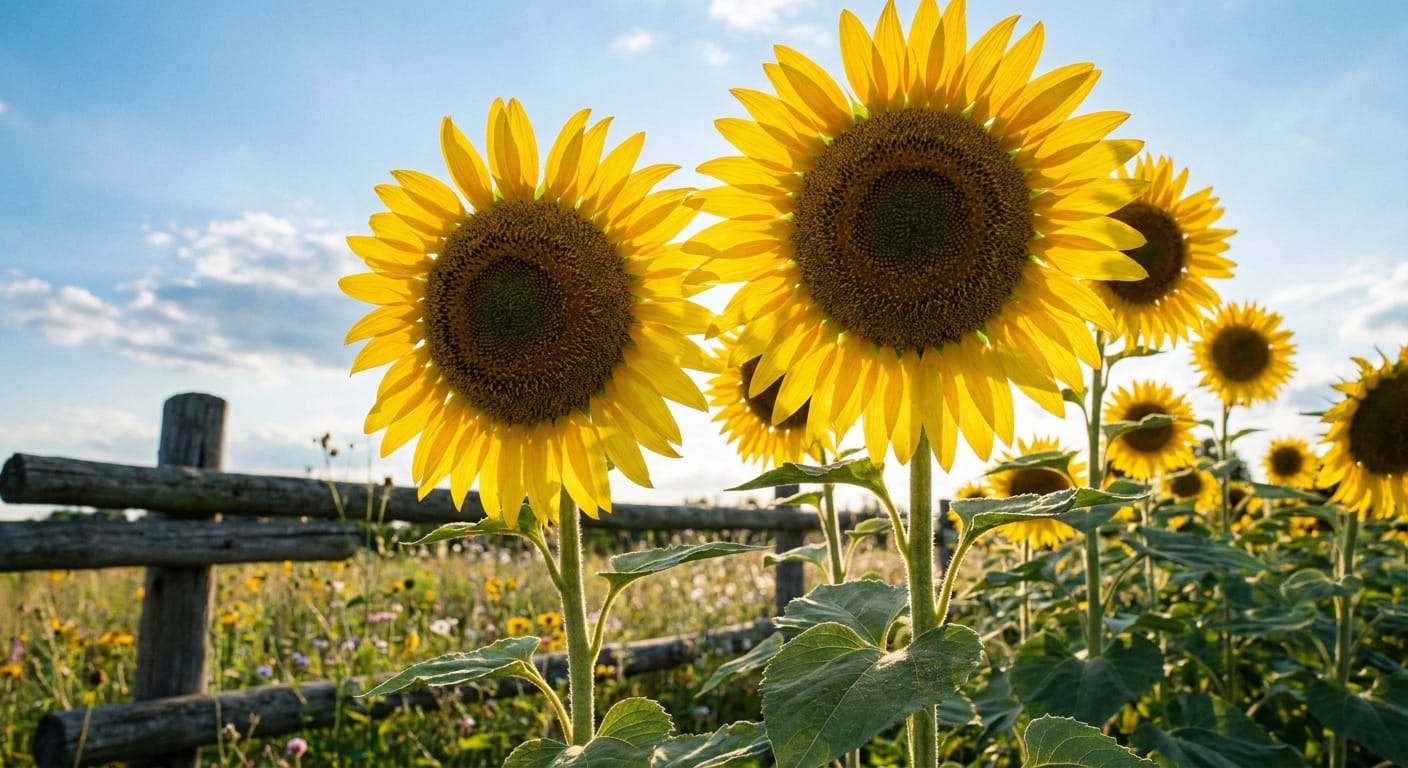
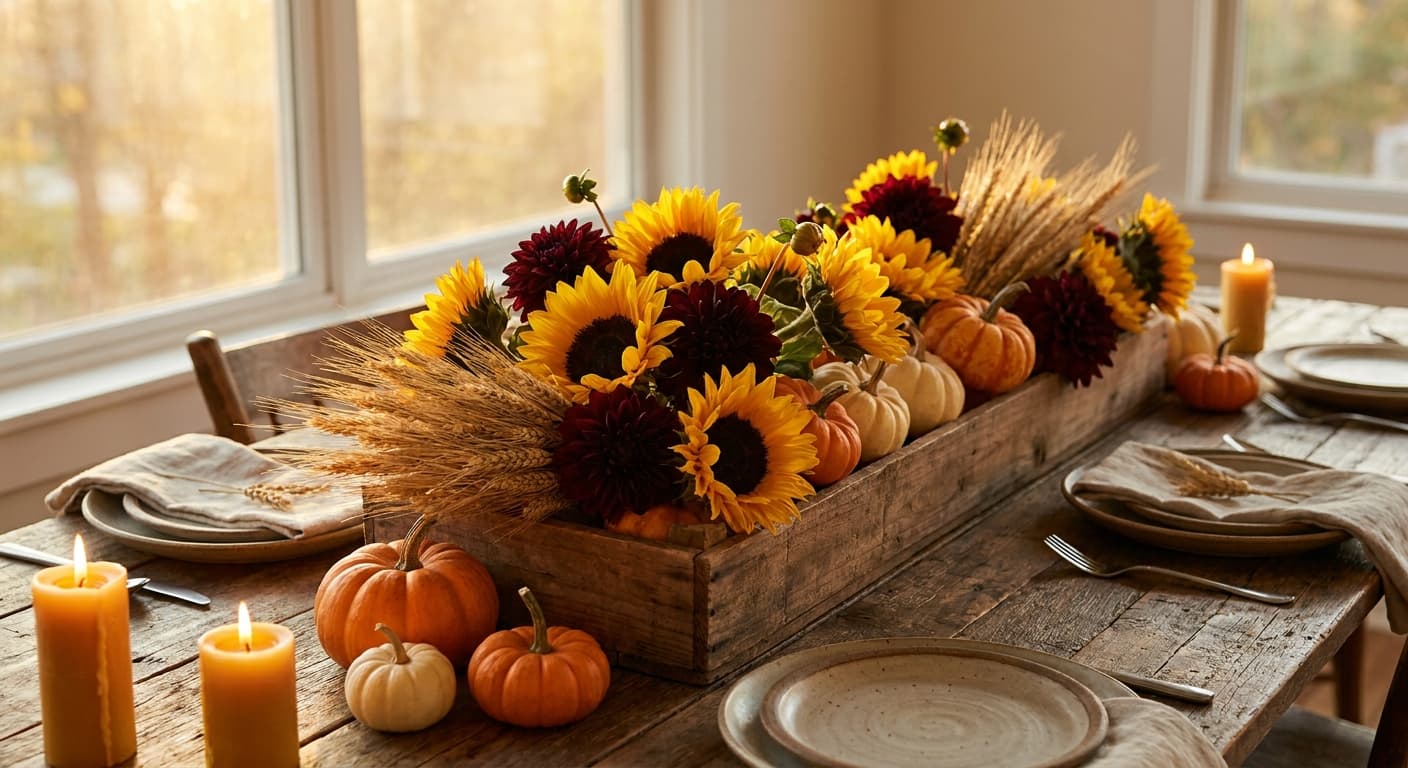
Sunflowers are the quintessential American garden flower. For a cutting garden, however, you have to be careful which variety you pick. Avoid the giant 'Mammoth' types unless you want a flower the size of a dinner plate that weighs a ton. Instead, look for pollen-less varieties like the 'ProCut' series. These are bred specifically for florists.
They grow to a manageable size, don't drop messy pollen on your dining room table, and they come in stunning shades of orange, gold, and even chocolate. Plant them in succession meaning a new batch of seeds every two weeks so you aren't stuck with 50 sunflowers all blooming on the exact same Tuesday in July.
4. Snapdragons
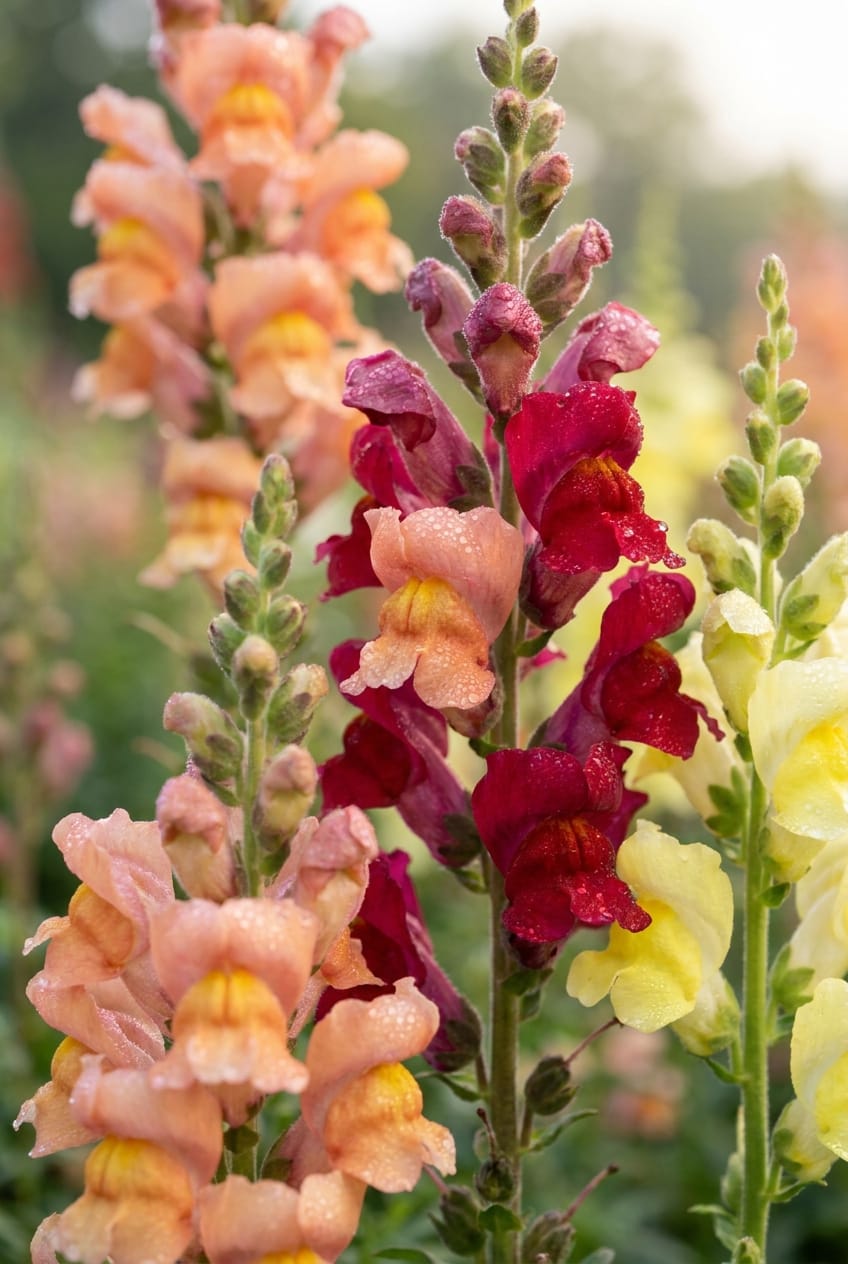
Snapdragons are the vertical element every bouquet needs. Without them, your arrangements look a bit like a flat blob. These are technically cool-season flowers, so if you live in a place like USDA Zone 7 or 8, you should try to get these in the ground in the fall or very early spring. They love a bit of a chill and will start blooming when the weather is still crisp.
They are incredibly sturdy. If you give them a good drink of water and keep them out of direct, scorching afternoon sun, they can last two weeks in a vase. The more you cut, the more they bloom. It’s a perfect cycle. Just make sure you stake them if you live in a windy area, as those tall, heavy spikes can topple over during a summer storm.
5. Dahlias
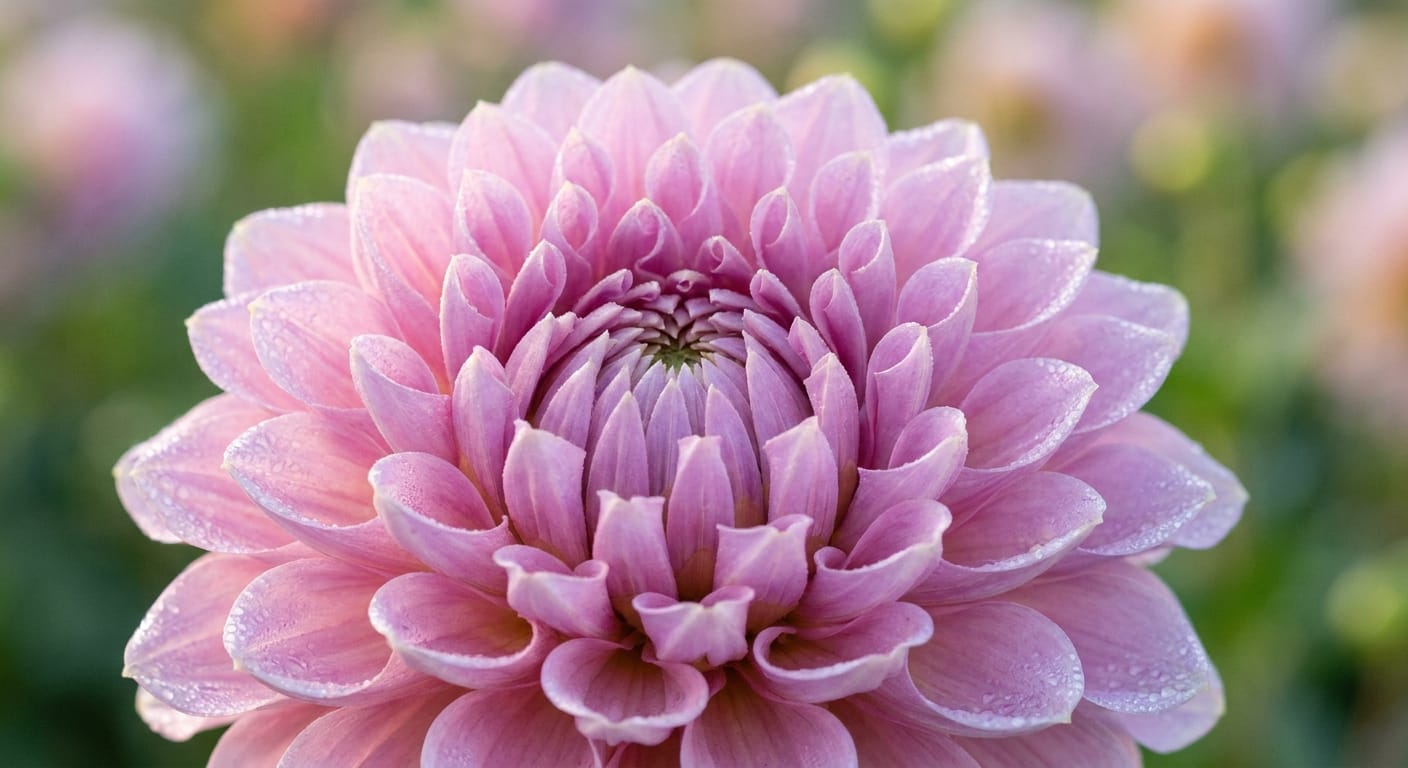
Dahlias are the "it" flower of the gardening world. They are a bit more work than zinnias because you have to plant them as tubers, but the payoff is immense. You’ll get flowers that look like they came from a high-end wedding florist. In colder US climates, you’ll need to dig the tubers up in the winter, but trust me, it’s worth the effort.
When you’re planning your bed, give these guys plenty of room. They get big and bushy. Also, don't be afraid to cut deep into the plant when harvesting. You want to cut down to the next set of leaves; this encourages the plant to send up a new, long stem rather than a short, stubby one. Dahlia care is all about consistent moisture and feeding them a balanced fertilizer once a month.
6. Celosia
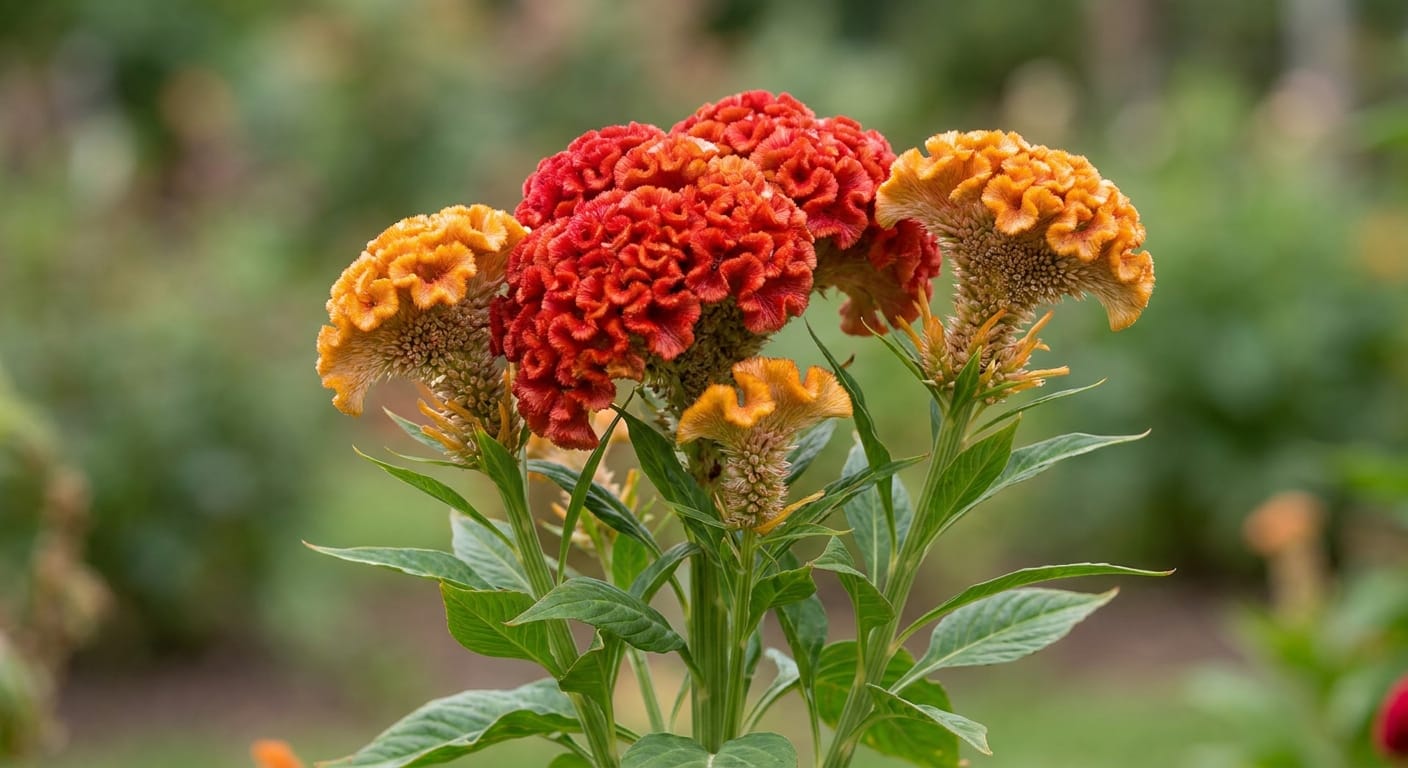
If you want your bouquets to have some serious "wow" factor, you need texture. Celosia, or cockscomb, provides that weird, wonderful, velvet-like texture that makes people stop and ask, "Is that real?" They come in two main shapes: the brain-like cockscomb and the feathery, flame-like plumes. Both are incredibly easy to grow.
They thrive in the same heat as your zinnias and sunflowers. In fact, they are practically indestructible once established. They are also excellent for drying. If you have more than you can use in a fresh bouquet, hang them upside down in a cool, dark room, and you’ll have dried flowers for your winter arrangements. It’s a two-for-one deal that every beginner should take advantage of.
7. Rudbeckia
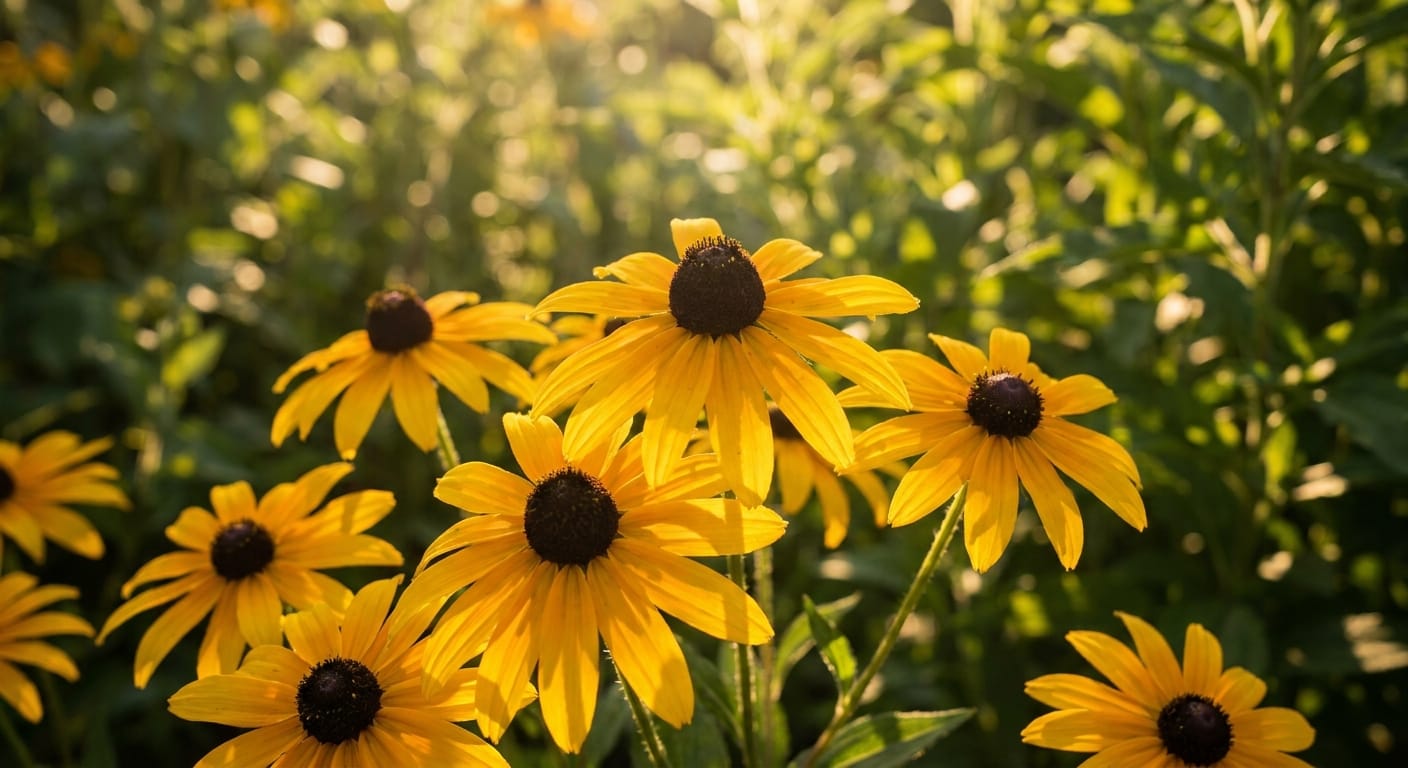
Rudbeckia, or the classic Black-Eyed Susan, is the ultimate reliable bloomer. While many people think of these as just roadside wildflowers, the cultivars bred for cutting like 'Sahara' or 'Cherry Brandy' are sophisticated, long-lasting, and absolutely stunning in an arrangement.
They are perennials in many parts of the US, meaning they’ll come back year after year if you treat them right. They don't require much coddling. Just give them a sunny spot, some decent soil, and they’ll reward you with hundreds of stems. Pro tip: When harvesting, sear the ends of the stems in boiling water for 10 seconds before putting them in your vase. It helps them take up water much better and prevents them from wilting prematurely.
The bottom line is that your garden doesn't need to be perfect to be productive. Start with these seven, keep your clippers sharp, and don't be afraid to experiment with your own color palettes your home is about to look like a floral boutique.