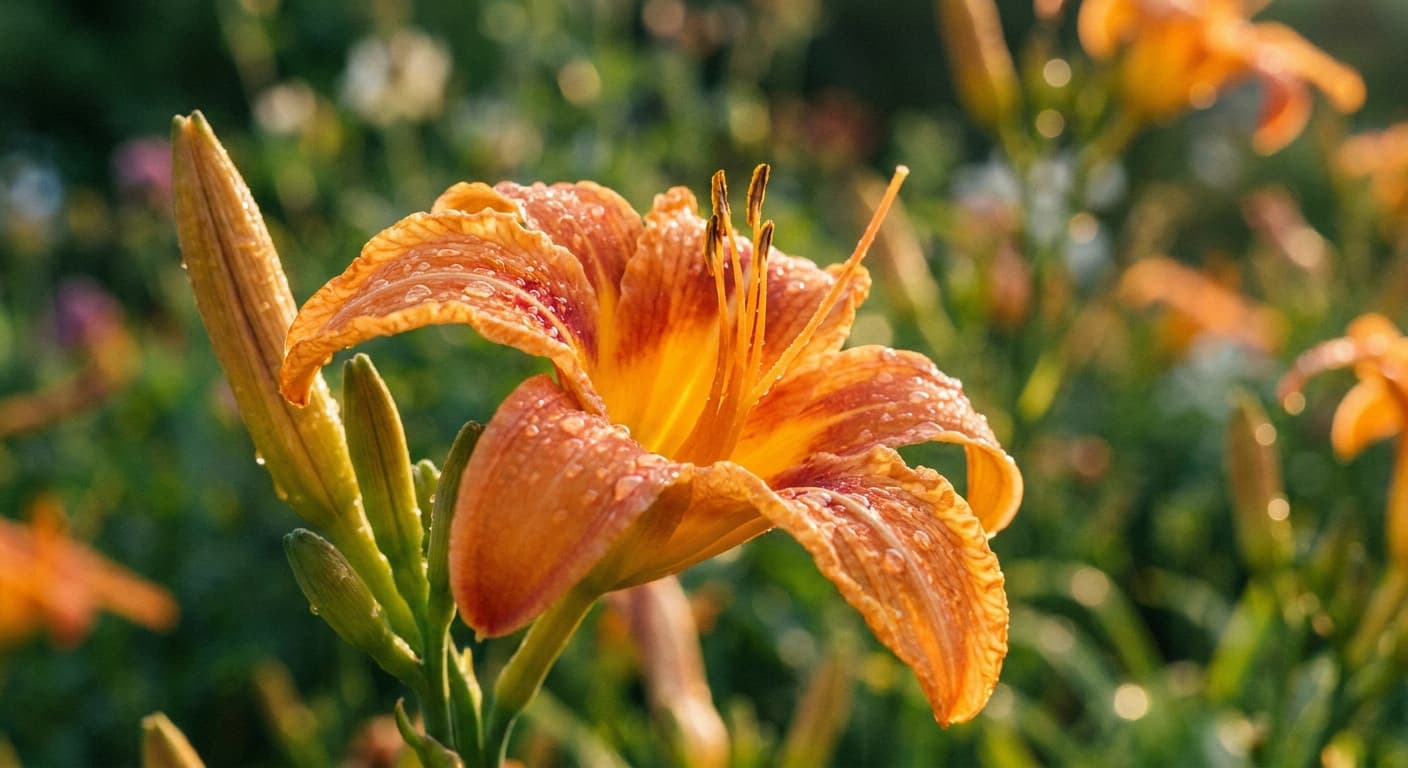
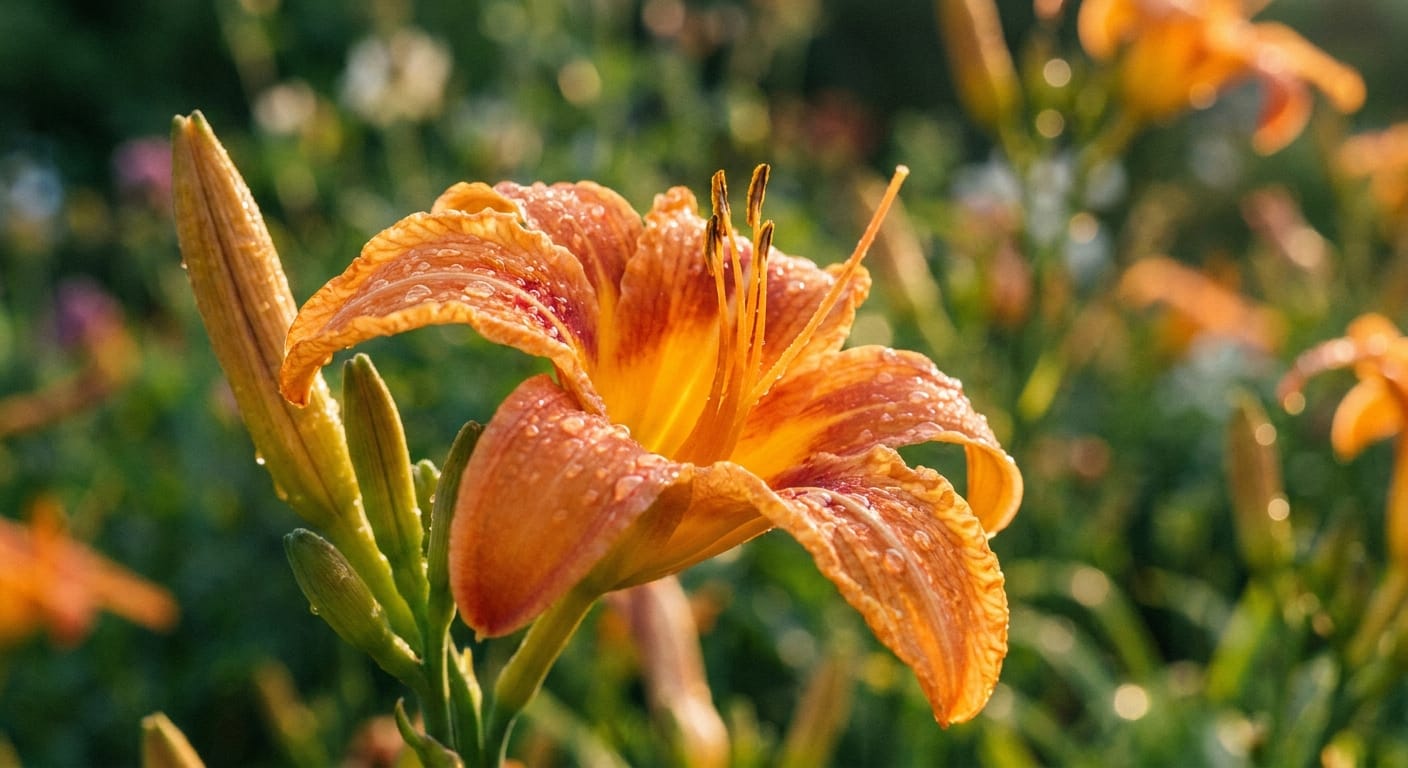
Have you ever walked through your garden, spotted a stunning bloom, and then returned the next day only to find it withered? If you’ve ever wondered what flower lives only one day, you’ve likely met the daylily. Despite their fleeting lifespan, these plants are the workhorses of the American garden. They aren't just "one-hit wonders"; they are masters of succession, packing enough buds on a single scape to keep your flower beds looking vibrant for weeks on end.
Scientifically known as Hemerocallis which literally translates from Greek to "beauty for a day" these perennials are a dream for anyone who wants high-impact color with minimal fuss. Whether you’re in the humid climate of Georgia or the crisp air of the Pacific Northwest, there’s a variety of daylily that will feel right at home in your soil. Let’s pull back the curtain on why these flowers operate on such a unique schedule and how you can keep them thriving in your backyard.
Why do daylilies only bloom for 24 hours?
It sounds like a botanical tragedy, doesn't it? But for the plant, this is an evolutionary strategy. By opening and closing in a single day, the daylily ensures it catches the attention of specific pollinators during peak daylight hours. It’s a high-energy, all-or-nothing approach to reproduction. While the individual flower is short-lived, the plant itself is a perennial powerhouse. A mature clump can produce hundreds of flowers over a single season.
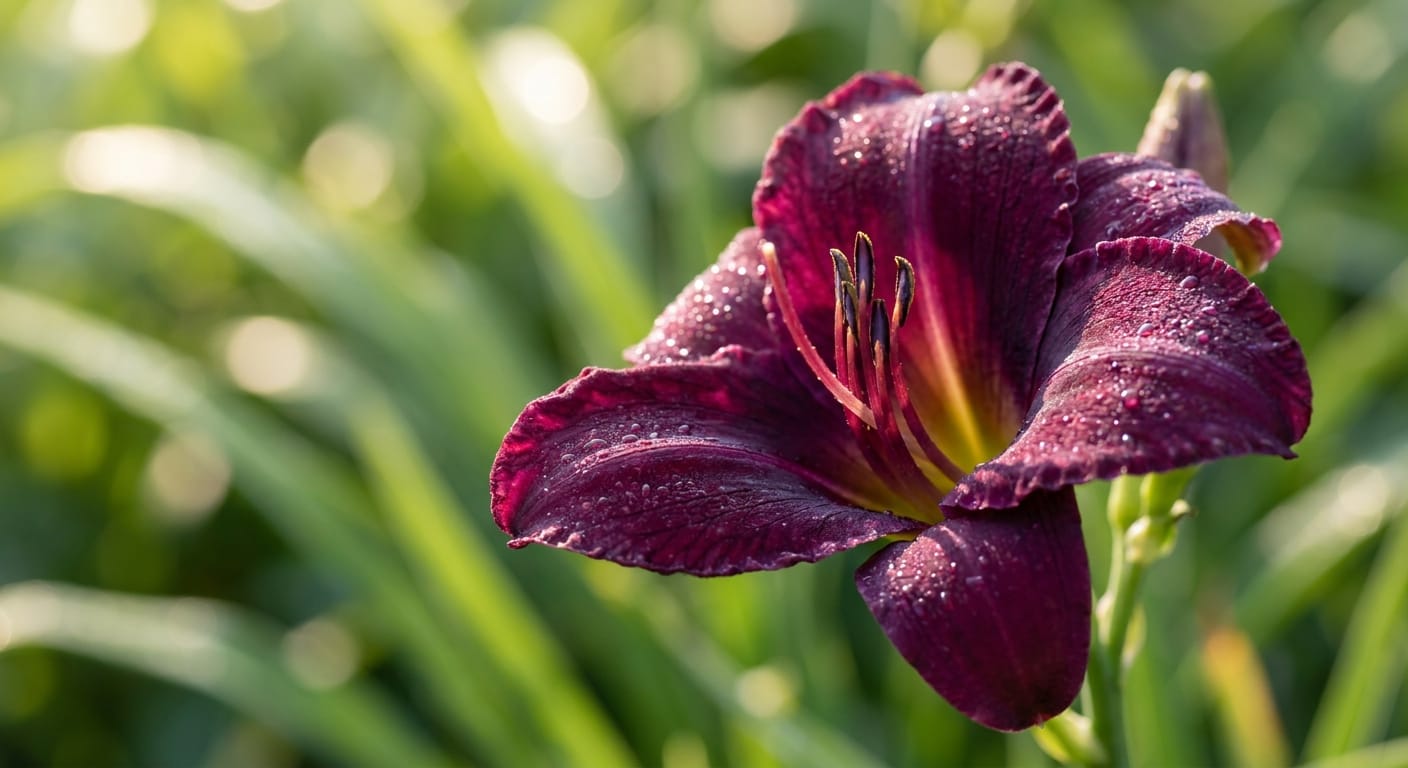
In my experience, people often panic when they see the petals drooping by sunset. Don't reach for the fertilizer or the water hose just yet! That’s just the plant doing exactly what it was designed to do. Once that bloom is spent, the plant simply moves on to the next bud in the cluster. It’s a constant, rolling display of color that makes them one of the most reliable flowers you can plant in the US.
How to choose the right daylily for your region
Not all daylilies are created equal. Some are "evergreen," meaning they keep their foliage through the winter in warmer zones like Florida or Southern California, while others are "dormant" and will die back to the ground once the first frost hits in places like New England or the Midwest. If you’re planting in a colder climate, always check the hardiness tag to ensure the cultivar won't struggle when the temperatures drop below 32°F.
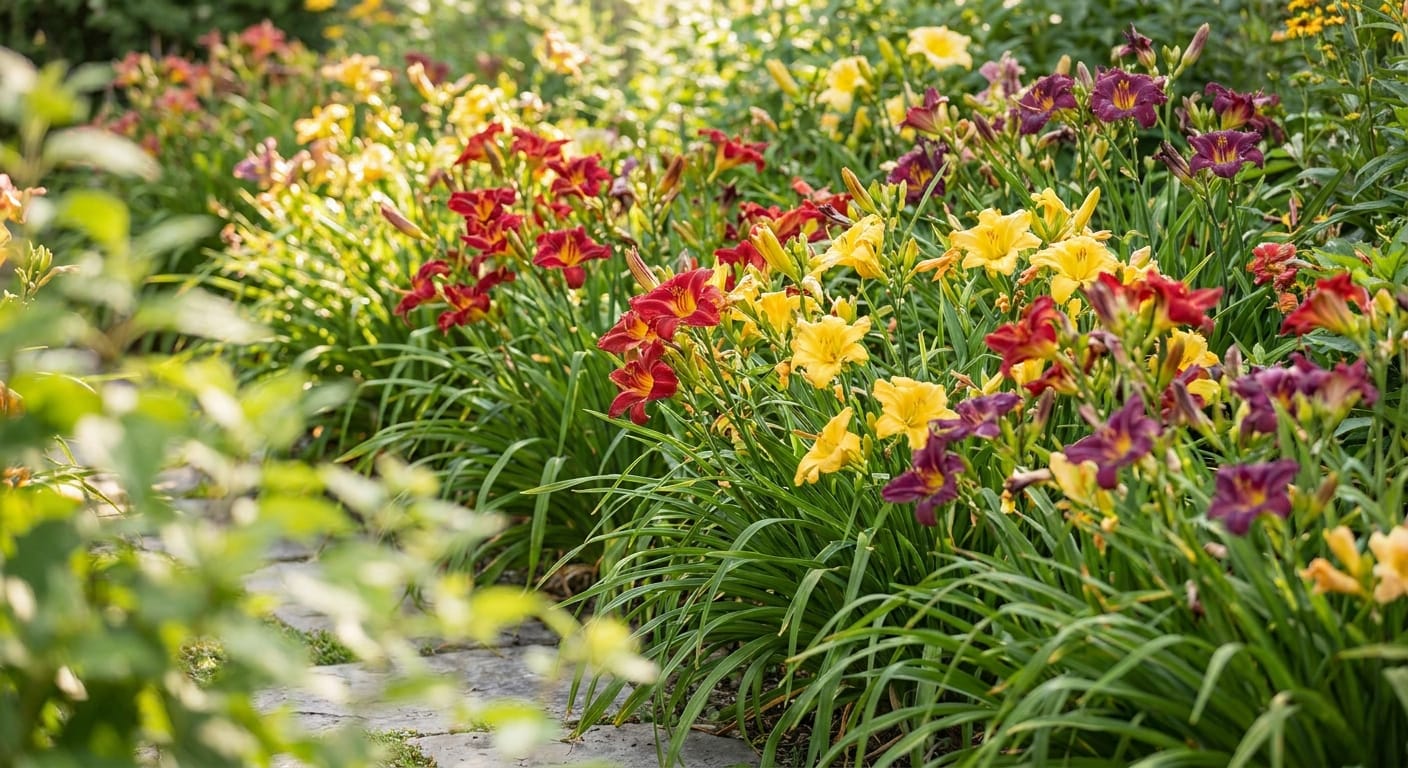
When you’re at the local nursery, look for the term "reblooming." These varieties are the secret weapon for a long-lasting garden. They’ll give you a massive flush of color in early summer, take a short nap, and then push out another wave of blooms in late August. It’s the closest thing to a perpetual motion machine in the world of horticulture.
Pro tips for daylily maintenance
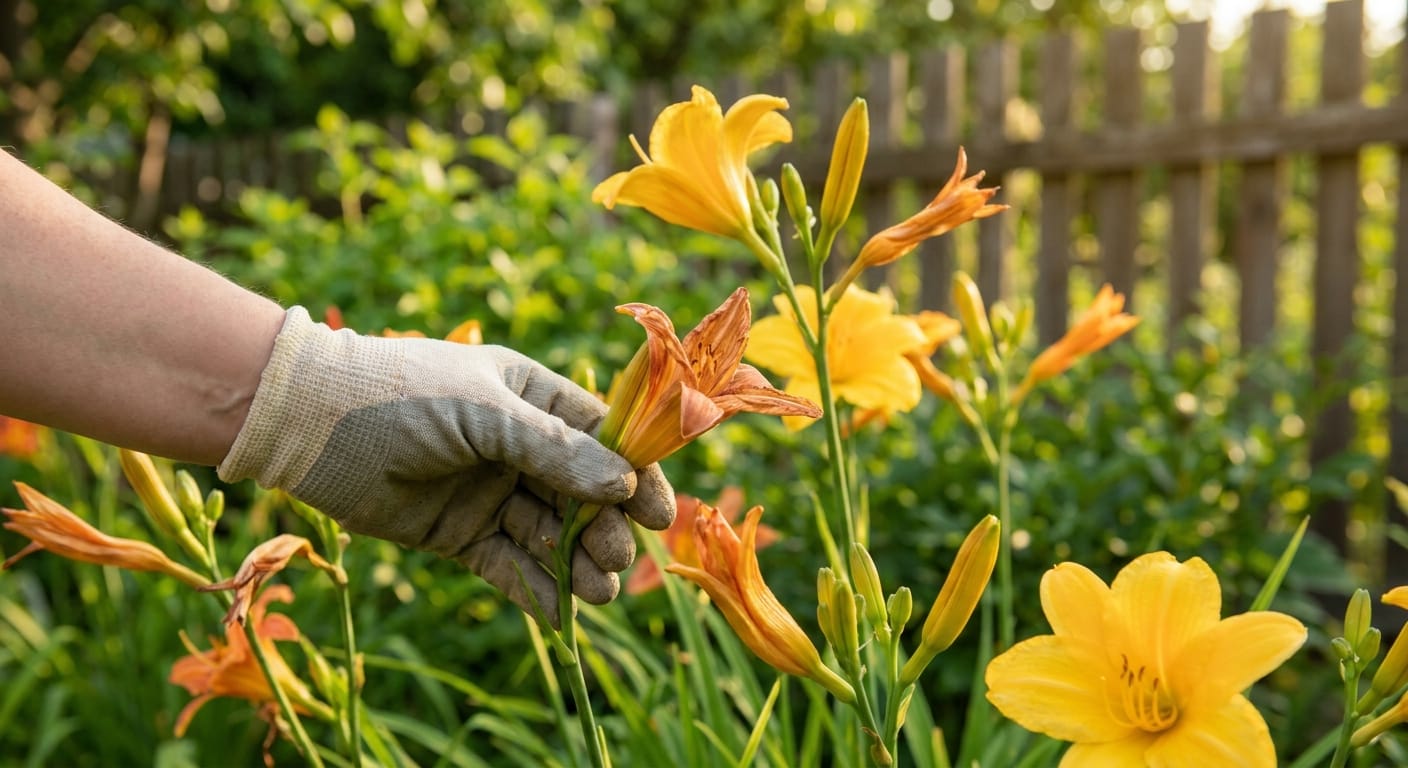
If you want your daylilies to look like they belong in a magazine, deadheading is your best friend. Because each bloom dies after a day, the plant will naturally try to turn those spent flowers into seed pods. This takes a huge amount of energy. If you simply go out in the morning with your fingers and snap off the old, mushy blooms, the plant will redirect that energy into producing more buds.
Watering is another area where people often overcomplicate things. Daylilies are incredibly drought-tolerant once established. You don't need to baby them. A deep soak once a week during the hottest part of July is plenty. If you notice the tips of the leaves turning brown, it’s usually a sign of salt buildup or erratic watering, not necessarily a disease. Just trim the tips back with clean, sharp shears, and your plant will look fresh as a daisy or, well, a daylily.
The bottom line
Don't let the "one-day" reputation fool you; daylilies are among the toughest, most rewarding plants you can add to your US garden. By choosing the right variety for your zone and keeping up with simple deadheading, you’ll enjoy a summer-long show that keeps on giving. Embrace the cycle, enjoy the daily transformation, and let these resilient beauties anchor your landscape.


