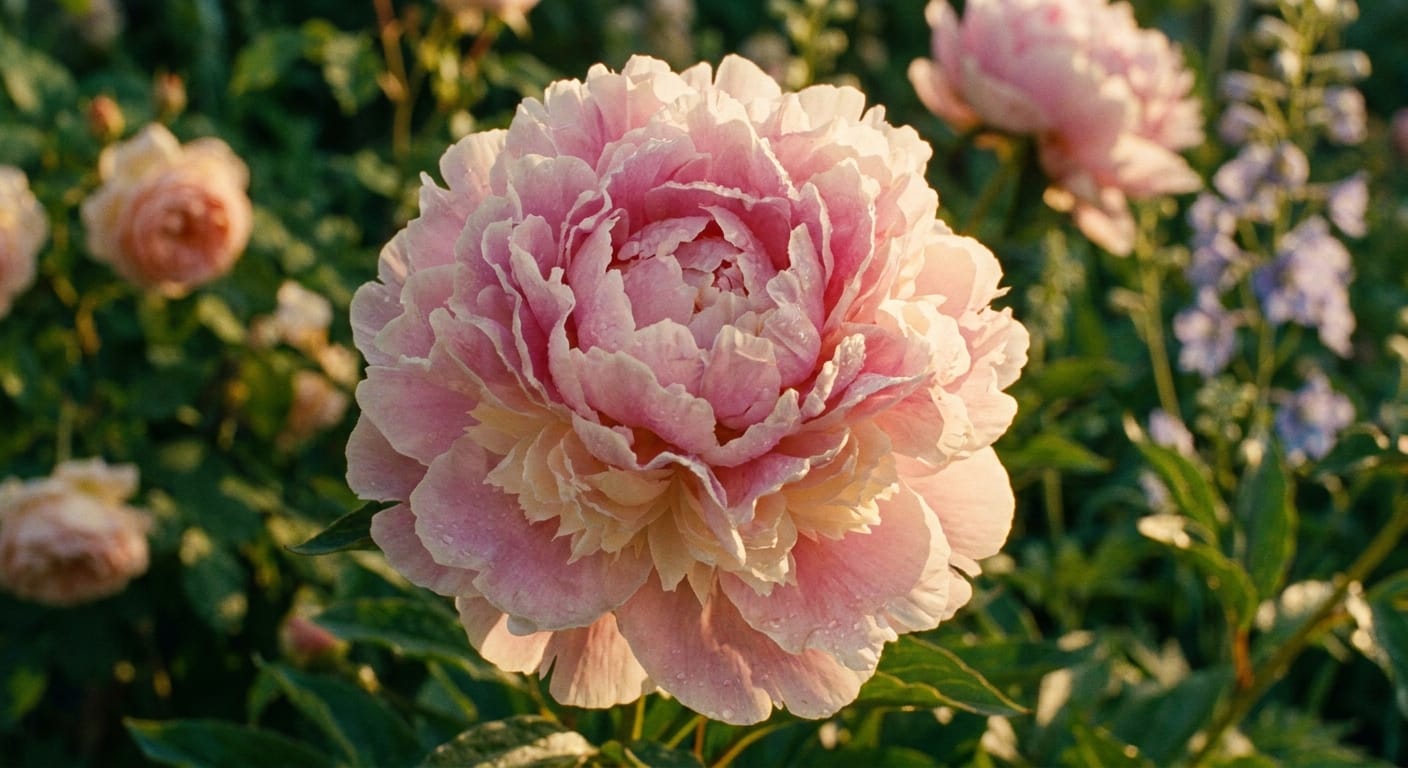
There is something undeniably romantic about a peony. As a florist, I see dozens of varieties pass through my hands, but nothing beats the feeling of cutting a fresh stem from your own garden. Whether you're in the chilly plains of the Midwest or the mild climate of the Pacific Northwest, these long-lived perennials are the backbone of a classic American garden. They’re tough, beautiful, and they practically live forever if you treat them right.
Most gardeners get intimidated by the "three-year wait" rule, but honestly? It’s worth every second. Once you get them established, a single peony bush can thrive for over 50 years. That’s a legacy plant. If you’re ready to stop buying pricey bouquets and start growing your own, let’s dig into the nitty-gritty of making these garden icons thrive in your specific patch of soil.
Why Fall is the Only Time to Plant
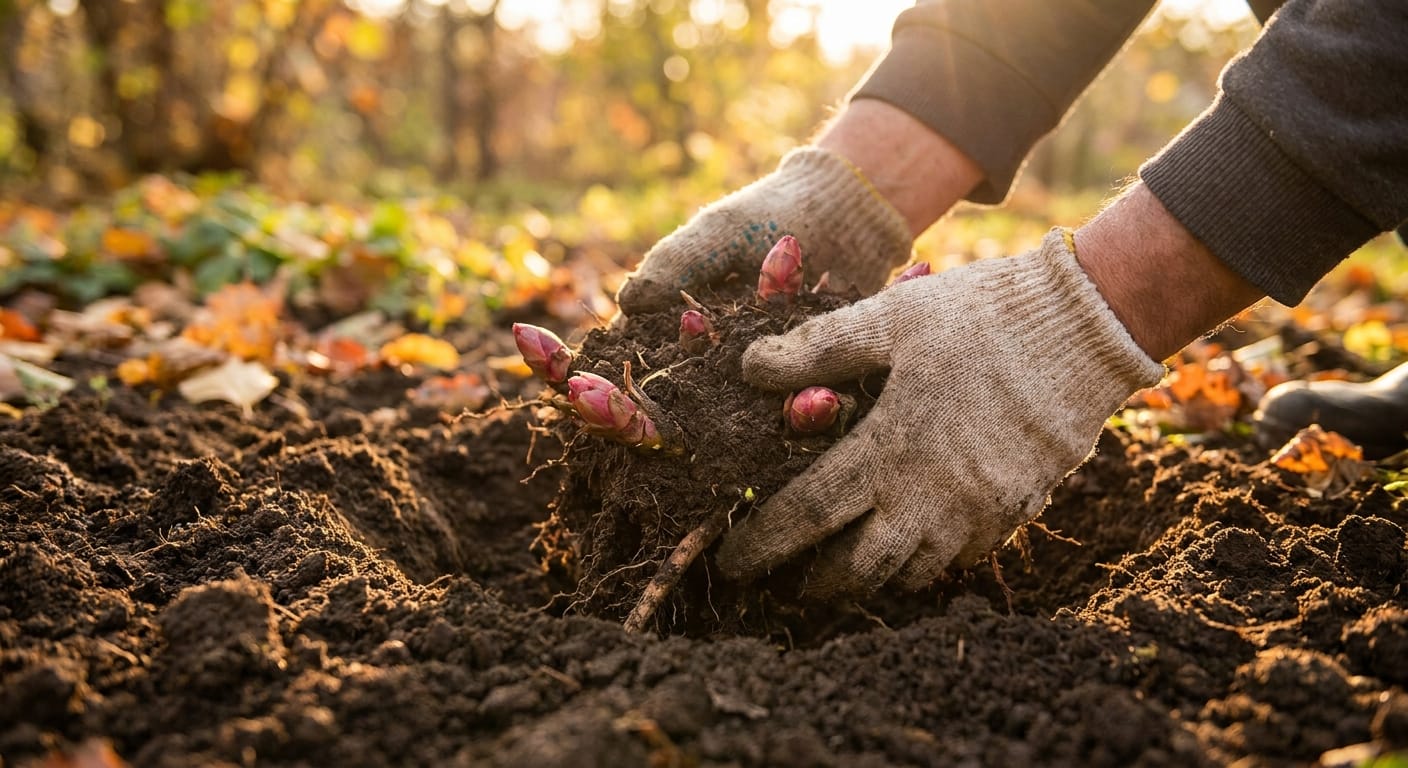
If you take one thing away from this guide, make it this: Plant in the fall. In the US, the sweet spot is typically late September through October. You want those roots to get settled and start developing feeder roots while the soil is still warm, but the air is cooling down. If you try to plant in the spring, you’re essentially forcing the plant to grow leaves and flowers before it has a root system to support them. It’s a recipe for a stunted, sad plant.
When you buy your roots, you're looking for "bare-root" divisions. They’ll look like ugly, knobby brown tubers. Don't worry about the appearance. Look for the "eyes" those little pink or red bumps on the roots. Those are your future stems. Treat them like gold. If you break an eye off, you’re losing a potential bloom for next year.
Master the Planting Depth
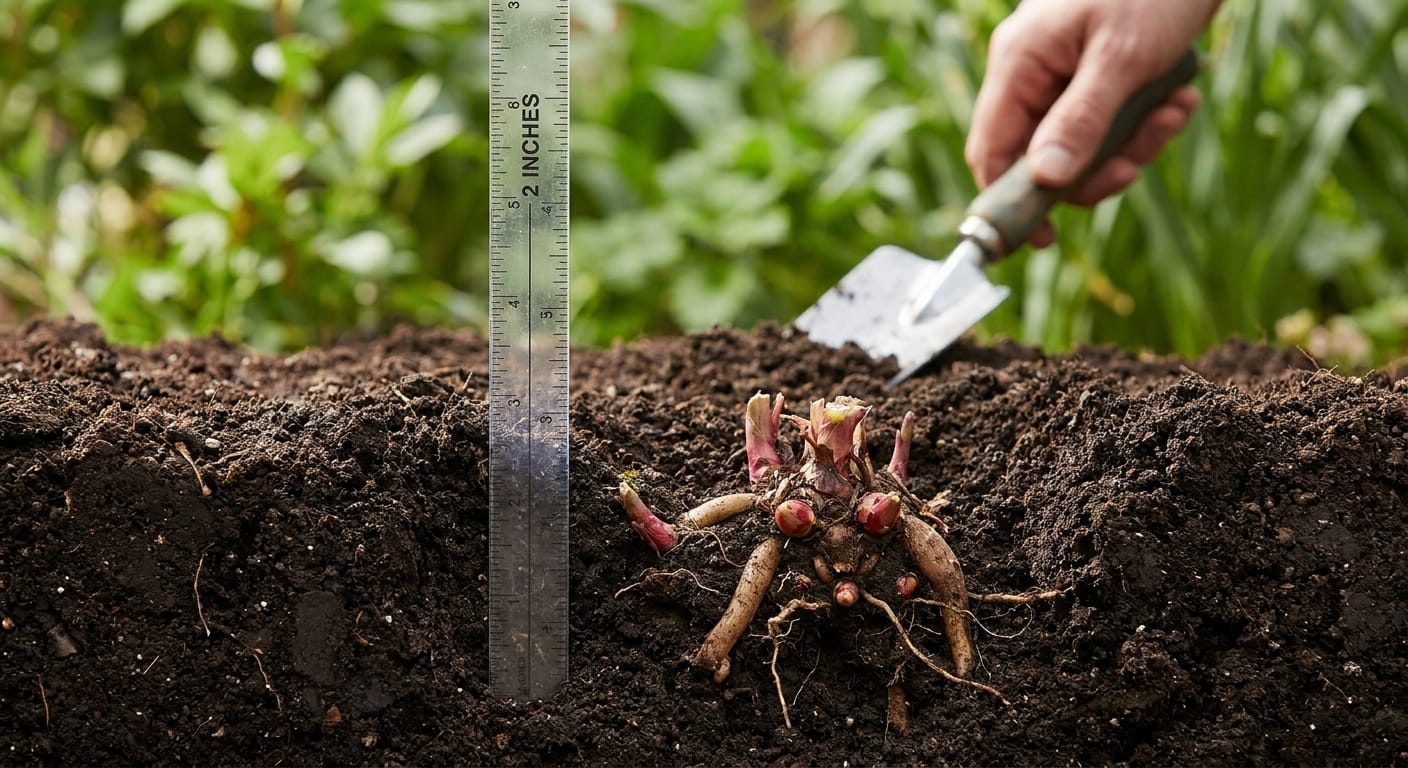
This is where 90% of home gardeners go wrong. If you plant your peony too deep, it will grow beautiful, lush, green foliage every single year, but you will never see a single flower. It’s the most frustrating thing in the world.
In USDA zones 3-8, you need to keep those eyes shallow. I’m talking no more than 2 inches below the soil surface. If you live in a colder zone, like zone 3 or 4, you can get away with 2 inches, but in warmer zones like 7 or 8, keep it closer to 1 inch. Once you cover them with soil, gently firm it down, but don't pack it like concrete. They need to breathe, and they need to be able to feel the winter chill to trigger that spring bloom cycle.
The Truth About Those Ants
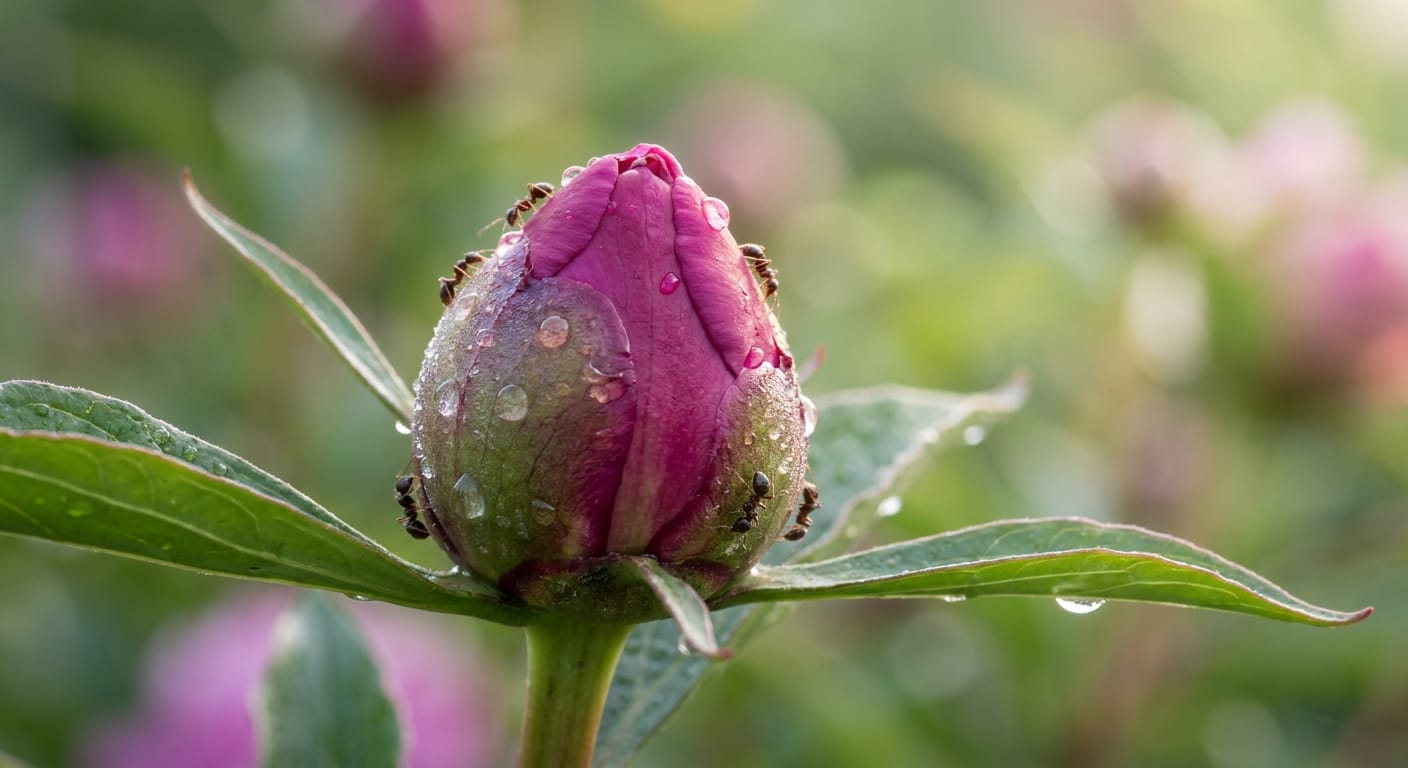
Let’s clear the air: you don’t need ants to grow peonies. I hear this myth every spring. People think the ants are "opening" the buds. They aren't. They’re just there for the sweet, sugary nectar that the bud secretes. It’s a mutual relationship the ants get a snack, and they provide a bit of protection from other pests. If you’re bringing them inside for a vase, just give the stem a quick shake or a gentle rinse under cool water. Your kitchen counter will thank you.
Feeding and Maintenance: The Long Game
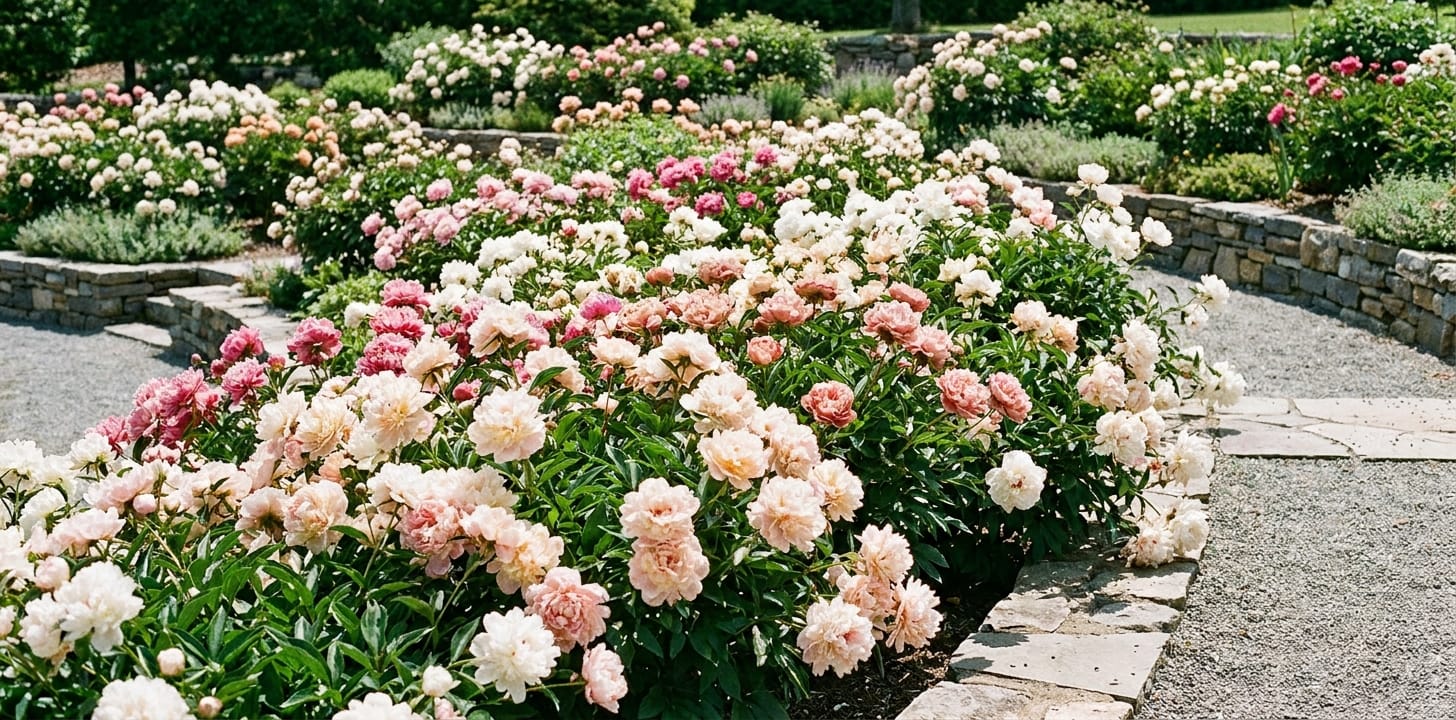
Peonies are heavy feeders, but don't overdo it with high-nitrogen fertilizers. If you give them too much nitrogen, you’ll get massive leaves and zero flowers. Aim for a balanced, low-nitrogen fertilizer or just a good top-dressing of well-rotted compost every spring.
Remember the three-year rule. Year one, the plant is establishing roots. Year two, you might get one or two small blooms. By year three, you’ll finally see that spectacular show you’ve been waiting for. Don't be tempted to cut the foliage back in the summer when it starts to look a bit tired. That foliage is the factory that fuels the roots for next year’s flowers. Wait until the first hard frost in autumn, then cut the stalks down to about 2 inches above the soil.
Choosing the Right Spot
Peonies are sun-worshippers. In the US, they need at least 6 to 8 hours of full sun to perform their best. If you’re in the deep South, they might appreciate a little bit of afternoon shade, but generally, the more sun, the better. They also hate "wet feet." If your soil stays soggy after a rain, they’ll rot. Amend your soil with plenty of organic matter to improve drainage. They’re picky about moving, too. Once you plant a peony, leave it there. They hate being transplanted and will often sulk for a few years if you dig them up and move them to a new spot.
The bottom line: If you give your peonies a sunny spot, keep them shallow, and have the patience to let them settle in, you’ll be rewarded with the most stunning blooms in the neighborhood for decades to come.