There is nothing quite as disappointing as bringing home a stunning floral arrangement, only to watch it droop, brown, and lose its luster by the third day. We’ve all been there, wondering if we bought sub-par blooms or if our home environment is just a floral graveyard. The truth? Most flowers are perfectly healthy when you buy them; they just need a little bit of professional guidance to thrive in your living room.
As a florist, I see people make the same mistakes over and over again. They skip the flower food, they leave the leaves in the water, and they forget that flowers are living, breathing organisms that need care just like a pet. You don't need a degree in botany to keep your blooms looking like they just left the shop. With these 15 tricks, you’ll be extending your vase life from a few days to nearly two weeks. Let’s get into the nitty-gritty of floral preservation.
1. The 45-Degree Trim
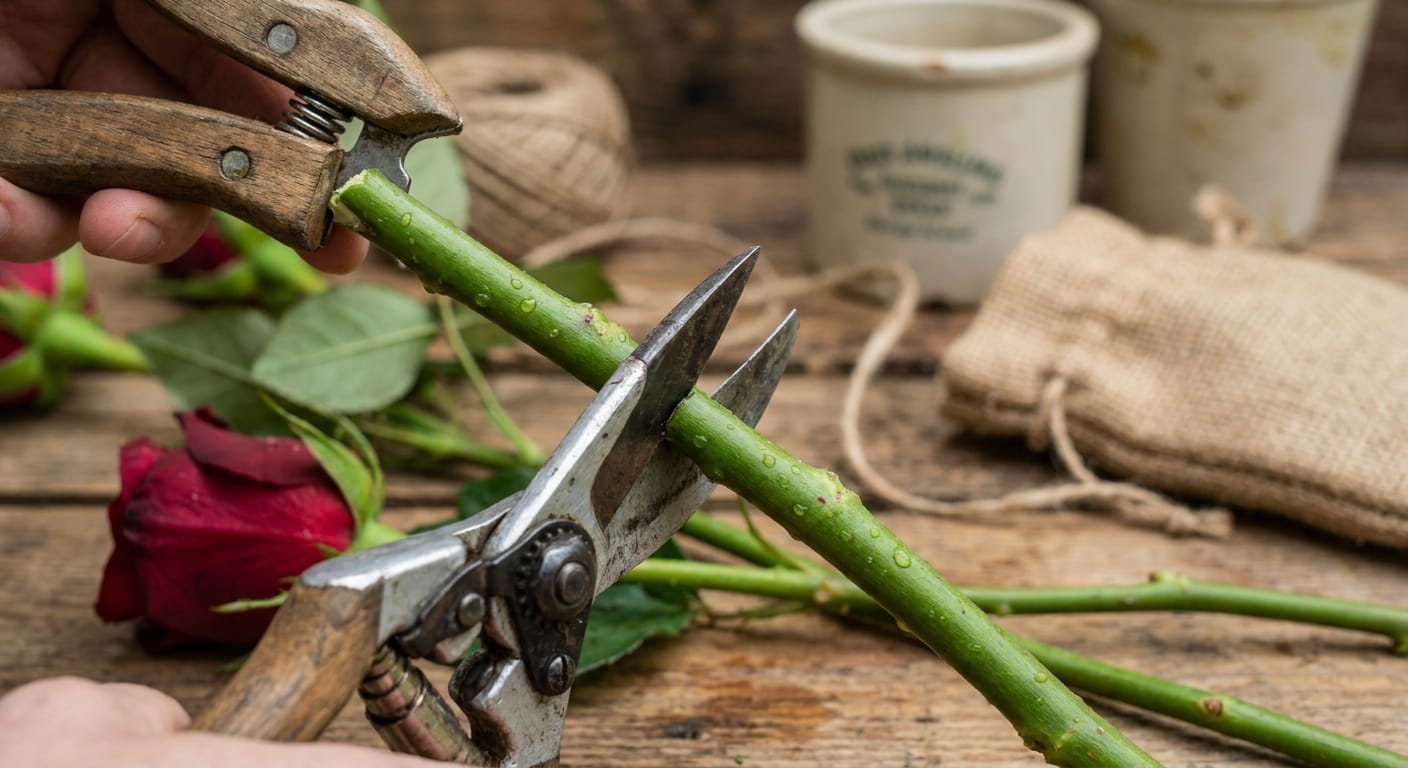
Never just snap your stems or cut them straight across. Always use a sharp, clean pair of shears to make a 45-degree angle cut. This does two things: it increases the surface area for the flower to gulp up water, and it prevents the stem from sitting flat against the bottom of the vase, which would effectively choke it off. If you’re in a dry climate like Arizona or Colorado, this step is non-negotiable for hydration.
2. Strip the Foliage
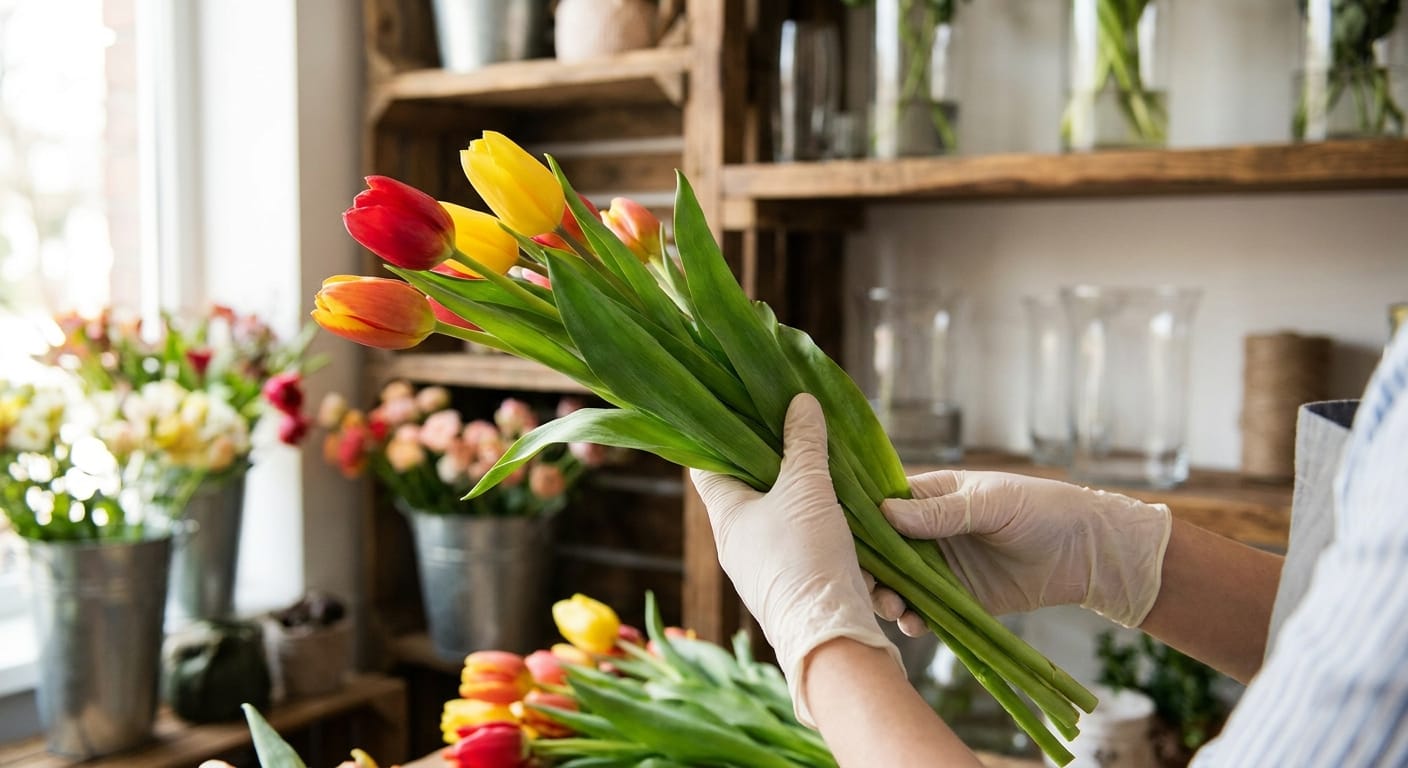
I see people leave foliage on stems all the time, and it makes my heart hurt. Any leaves that sit below the waterline will rot, creating a bacterial breeding ground that will kill your flowers in record time. Strip the bottom third of every stem before it goes into the vase. It keeps the water clean and sends all that energy straight to the bloom instead of the leaves.
3. The Truth About Flower Food
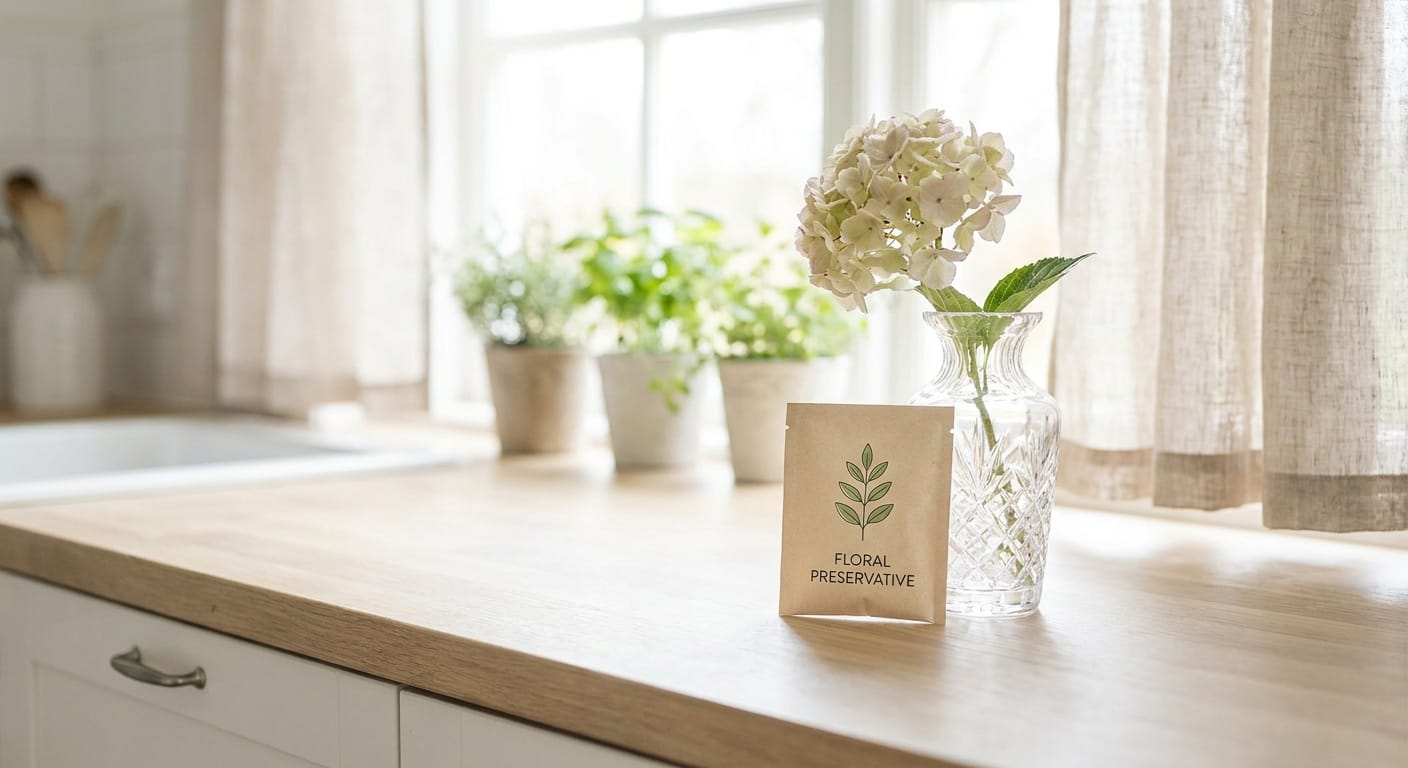
Those little packets that come with your bouquet? Use them. They aren't just sugar; they contain a citric acid to lower pH (which helps water flow up the stem), sugar for fuel, and a bleach-like agent to kill bacteria. If you run out, a DIY mix of one teaspoon of sugar, a few drops of bleach, and a squeeze of lemon juice is a decent emergency substitute.
4. Skip the Penny Myth
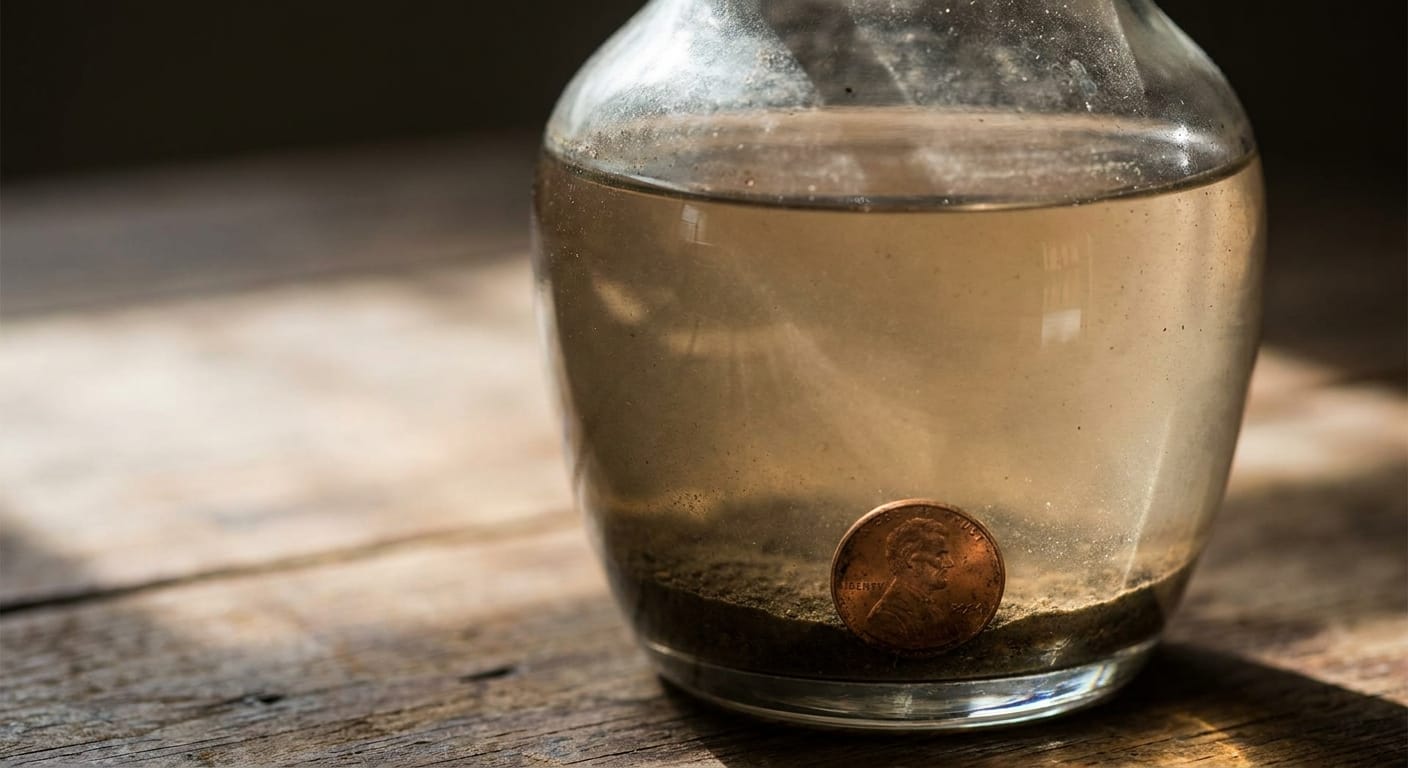
Let’s put this to bed once and for all: pennies do not help. The myth suggests the copper kills bacteria, but modern pennies are mostly zinc and don't provide the chemical reaction needed to sanitize water. In fact, the metal can leach into the water and actually harm delicate stems. Stick to fresh, clean water instead.
5. Use Lukewarm Water
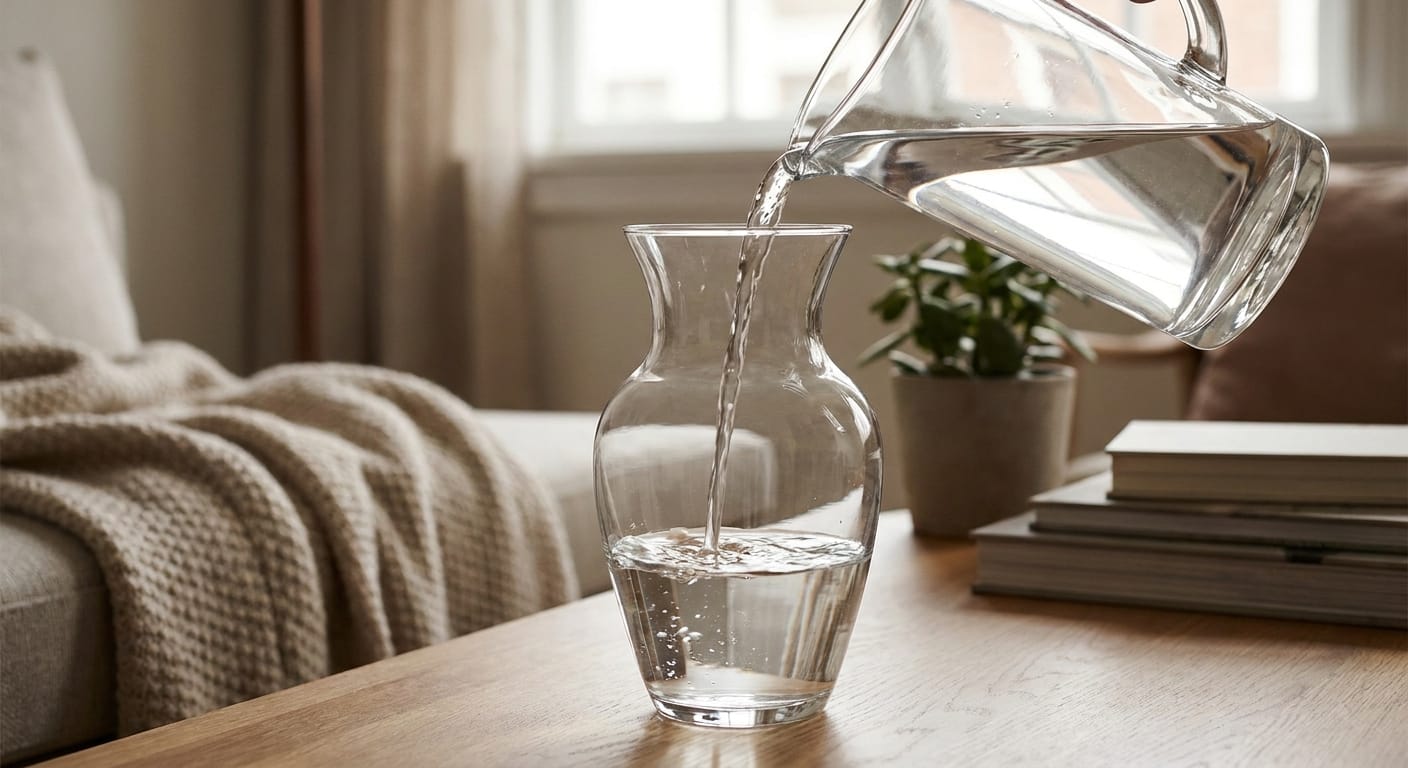
Unless you’re dealing with bulb flowers like tulips or daffodils, use lukewarm water. It’s easier for the stems to absorb than icy cold water, which can shock the plant. For bulb flowers, however, keep the water cold and shallow. It’s all about matching the flower’s natural environment.
6. The Vodka Hack
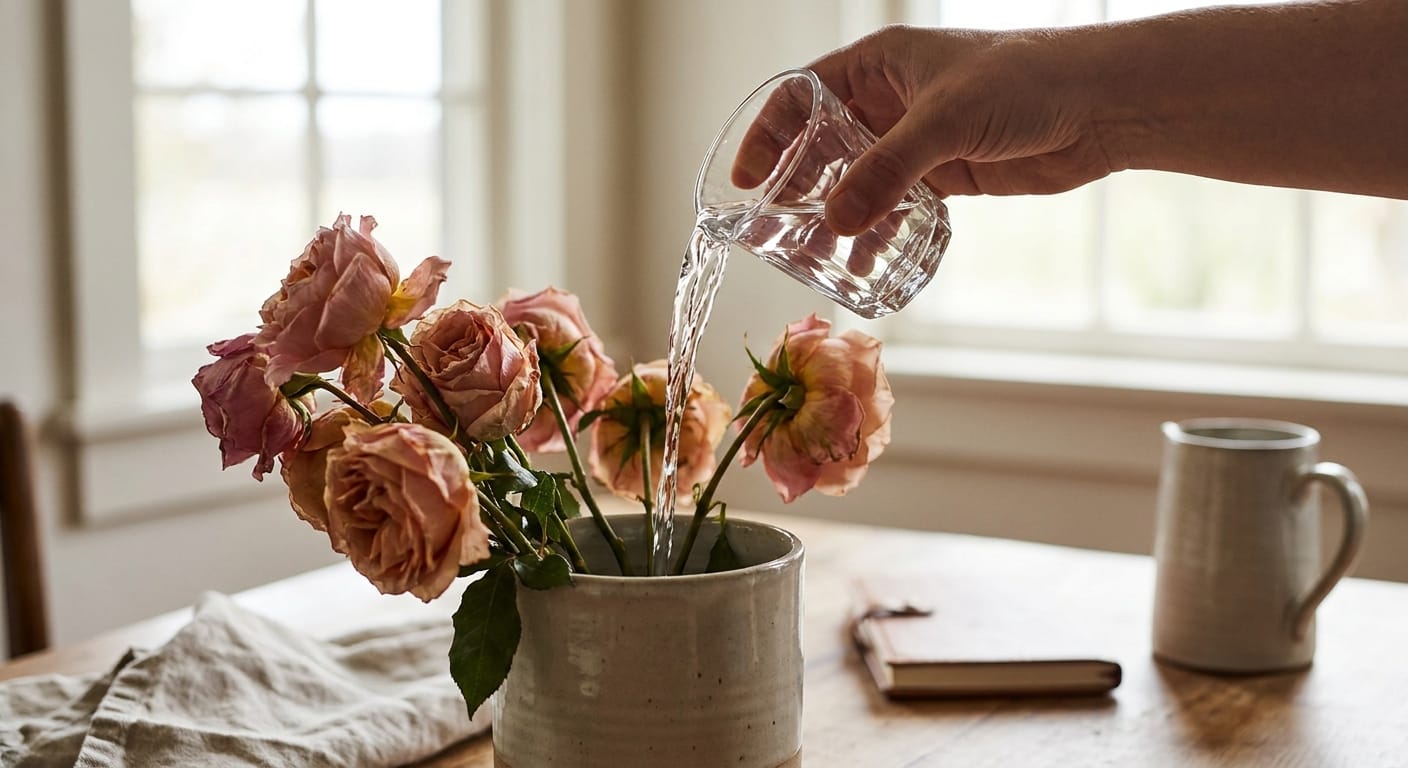
A tiny splash of vodka and I mean just a teaspoon can actually inhibit ethylene production. Ethylene is a gas that flowers release as they age, which signals them to wilt. The alcohol stunts this process, effectively acting as a preservative. Just don't overdo it, or you’ll end up with tipsy flowers and a wasted drink.
7. Change the Water Regularly
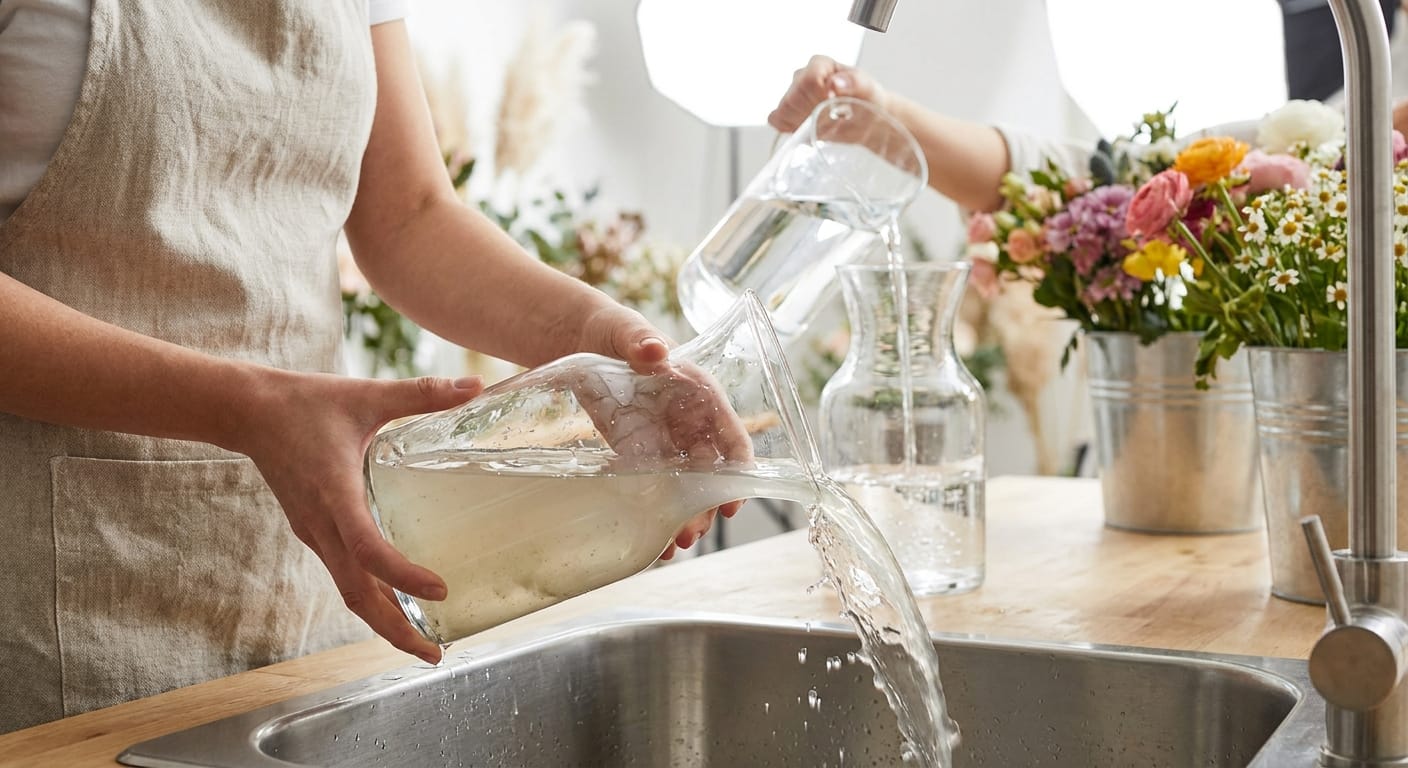
If the water looks cloudy, it’s already too late. You need to be refreshing that vase every two to three days. When you change the water, give the stems another quick trim. This removes the clogged ends that have been sitting in the vase, allowing for a fresh start. It’s the easiest way to add 4-5 days to your bouquet's life.
8. Keep Away from Fruit
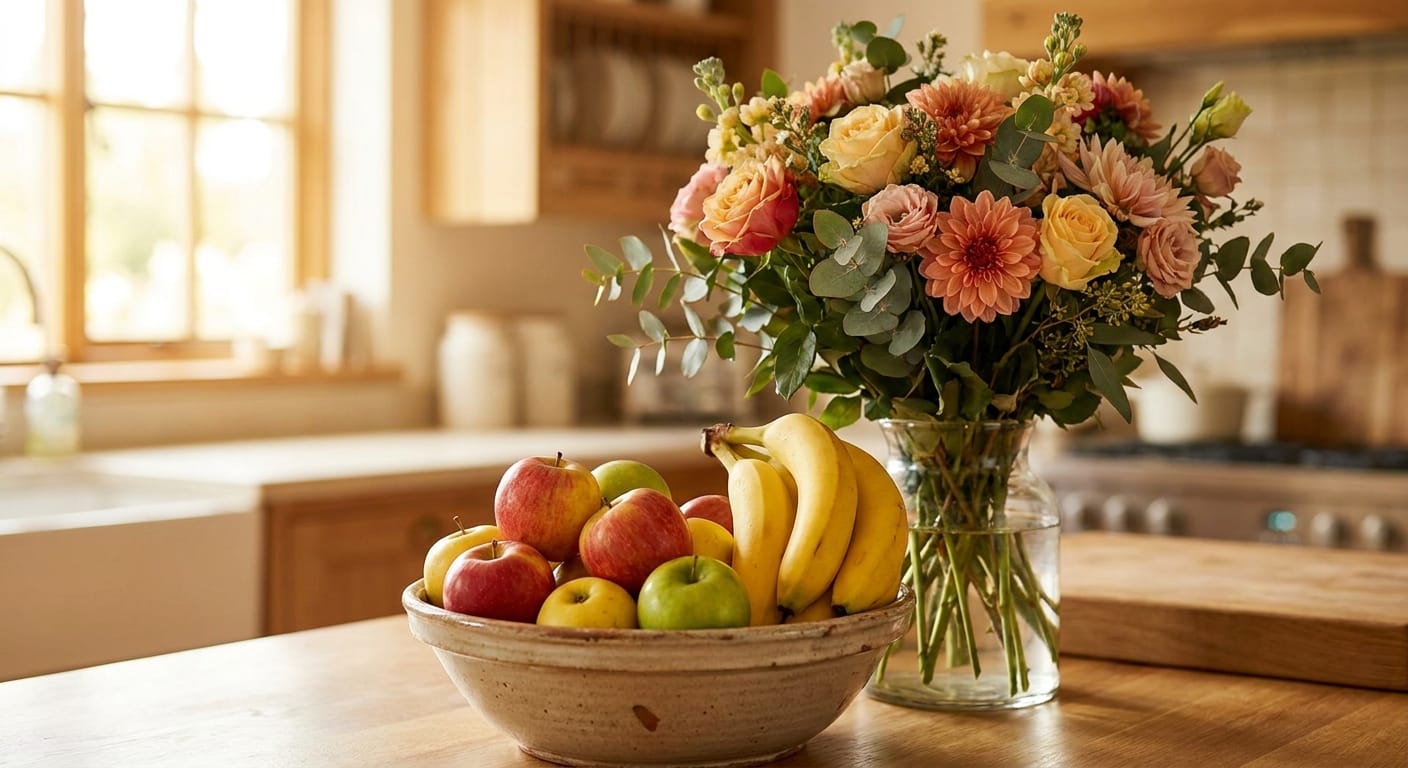
Keep your flowers away from your fruit bowl. Seriously. Ripe fruit, especially bananas and apples, releases high levels of ethylene gas. That gas is like a death sentence for your lilies and carnations. It will cause them to drop their petals almost overnight. Keep your centerpiece on the dining table, not the kitchen island.
9. Avoid Direct Sunlight
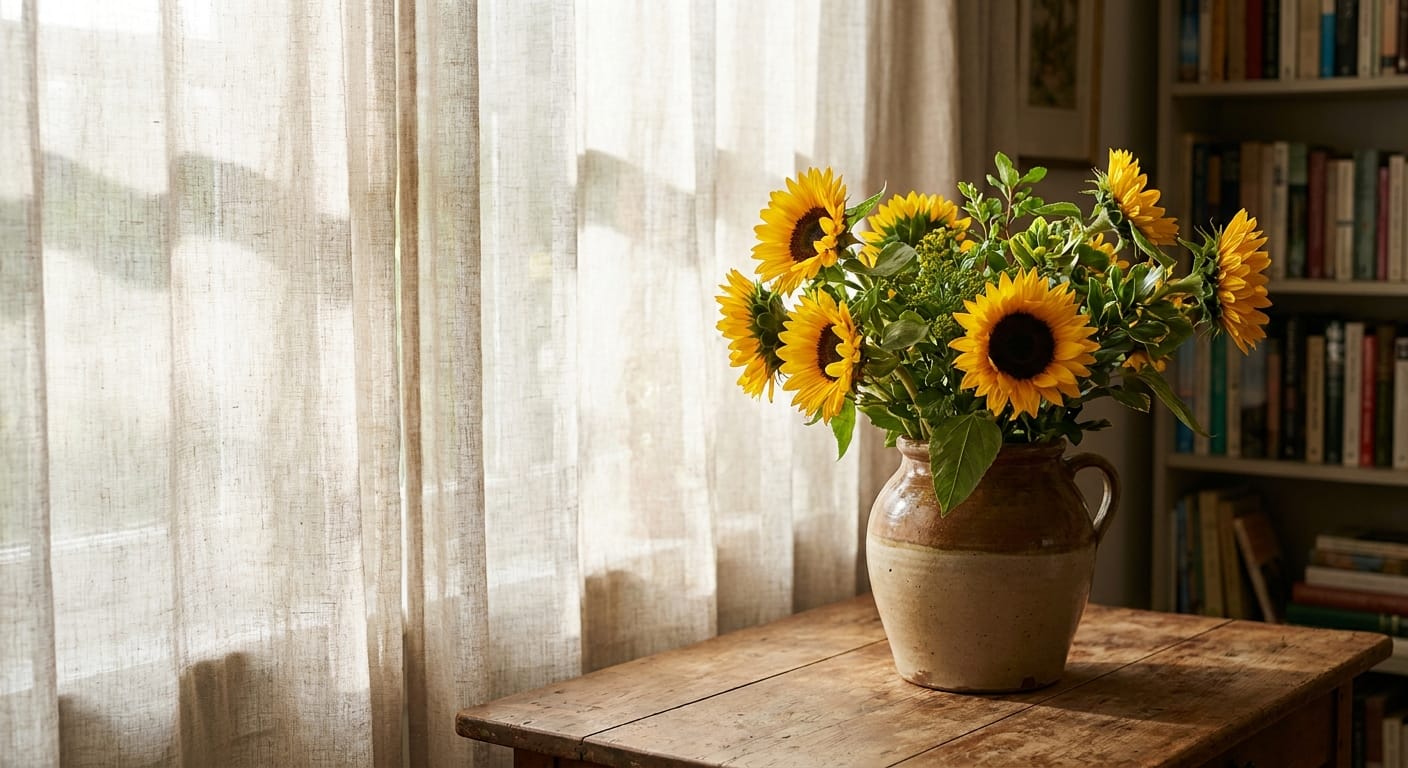
While flowers love the sun in the garden, they hate it once they’ve been cut. Direct sunlight causes them to dehydrate rapidly and speeds up the aging process. Keep them in a cool, shaded area of your home. If you live in a hot region like Florida or Texas, keep them away from air conditioning vents, too, as the dry air will suck the moisture right out of them.
10. The Aspirin Trick
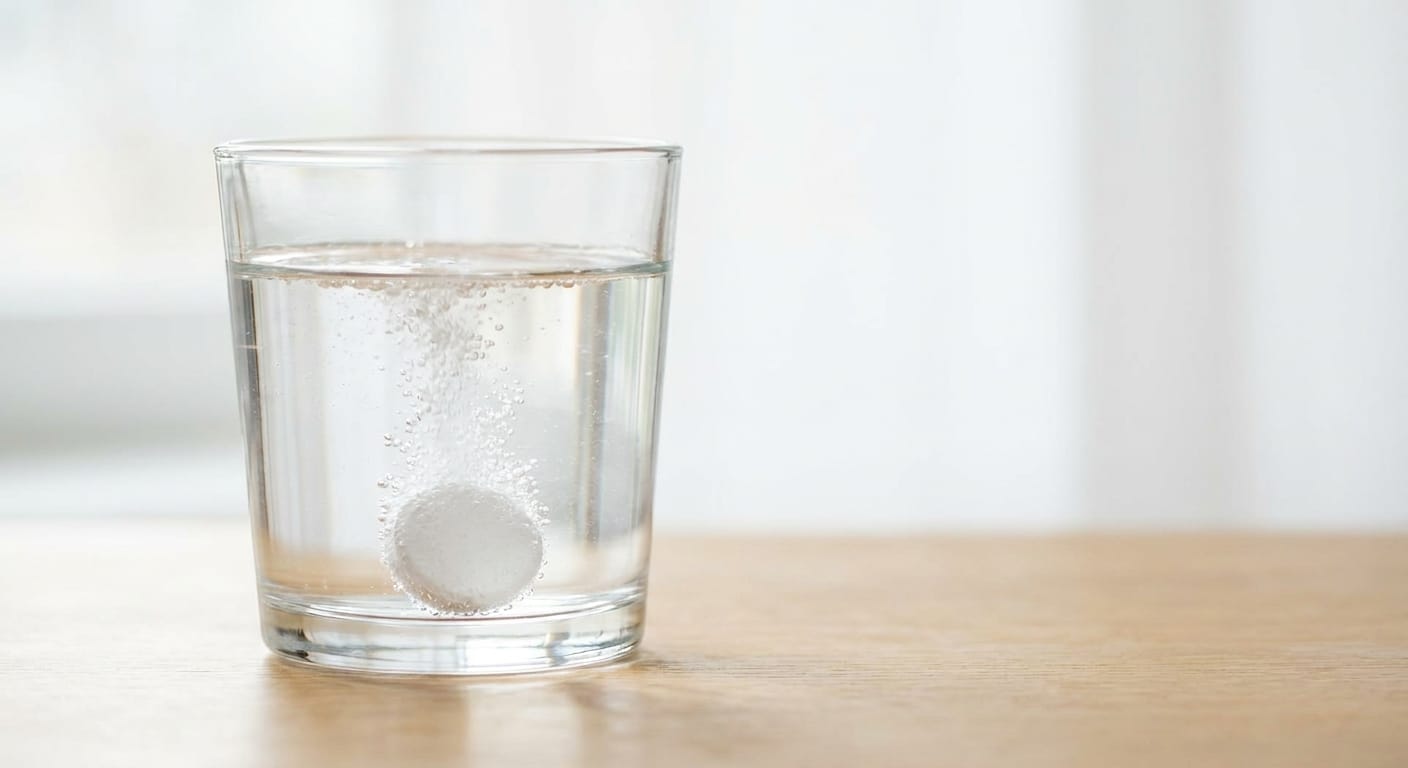
Some florists swear by dropping a crushed aspirin into the water. The salicylic acid can help lower the water's pH, which mimics the effects of professional flower food. It’s not a magic cure-all, but if you’re in a pinch, it’s a tried-and-true household trick that can give your roses a little extra boost.
11. Recutting Under Water
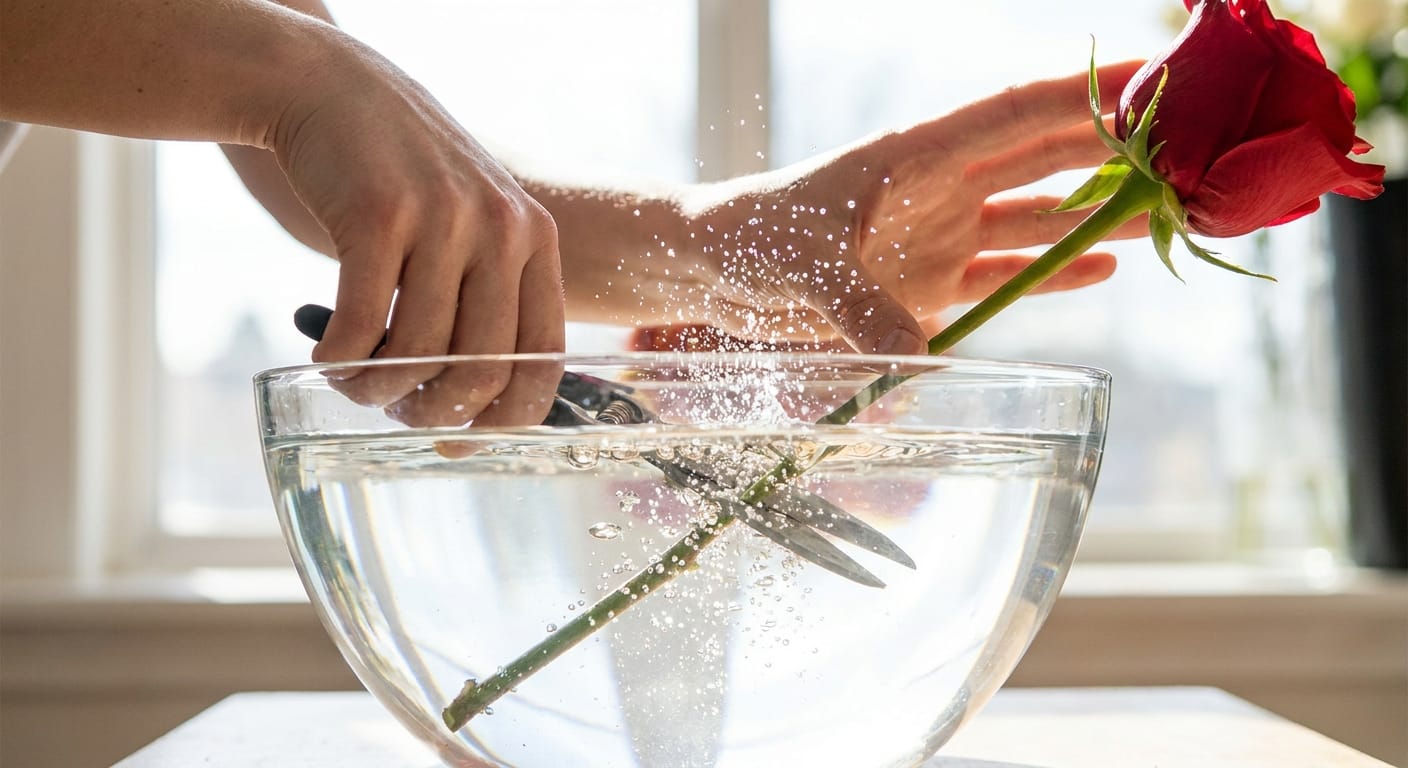
If you really want to be a pro, trim your stems while holding them under water. This prevents air bubbles from entering the stem, which can block the xylem (the plant's "veins"). If air gets in there, the flower can't drink, and it will wilt despite having plenty of water in the vase.
12. Choose the Right Vase
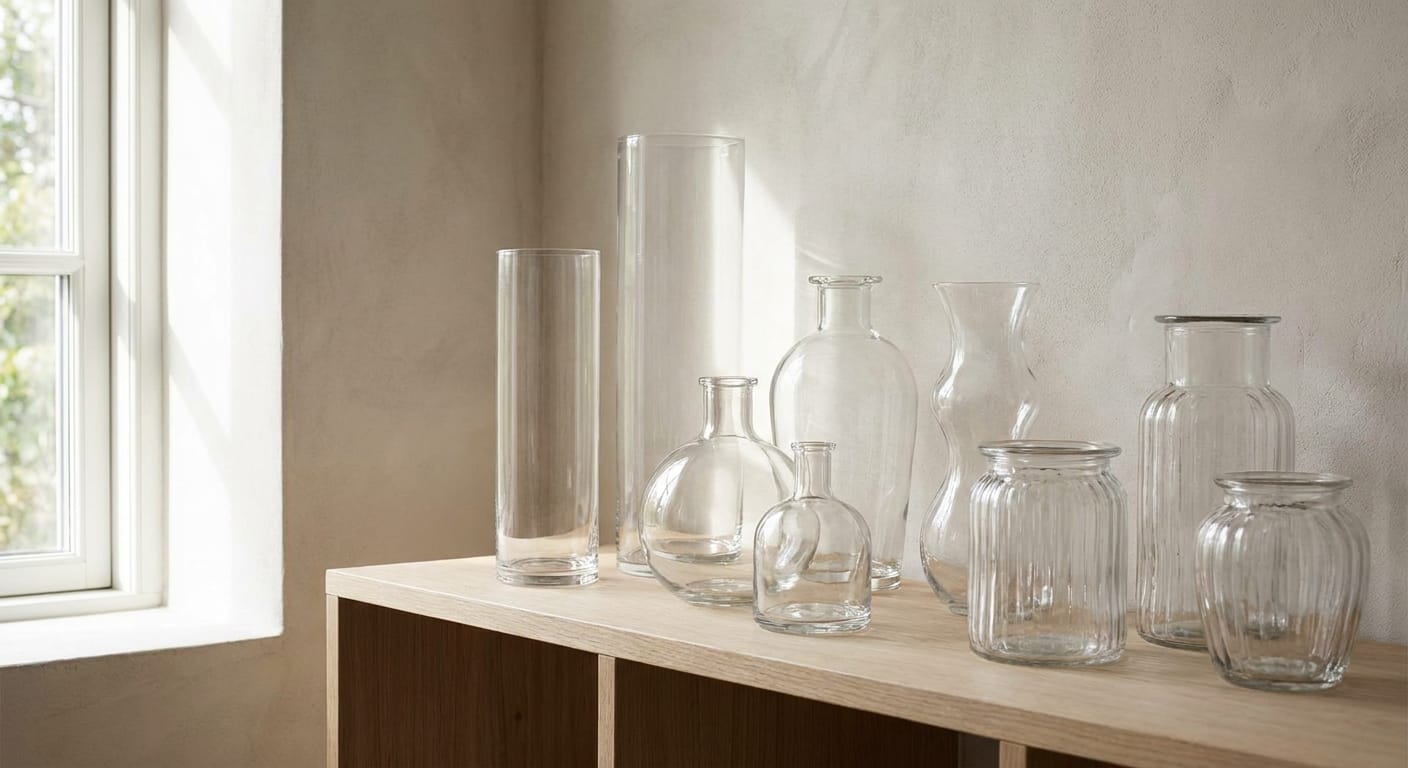
Your vase choice matters. Narrow-necked vases provide better support for heavy-headed flowers like hydrangeas, while wide-mouthed vases allow for better airflow. Always ensure your vase is squeaky clean before you use it. A dirty vase is just a petri dish for bacteria, and no amount of flower food can fix that.
13. Mist Your Blooms
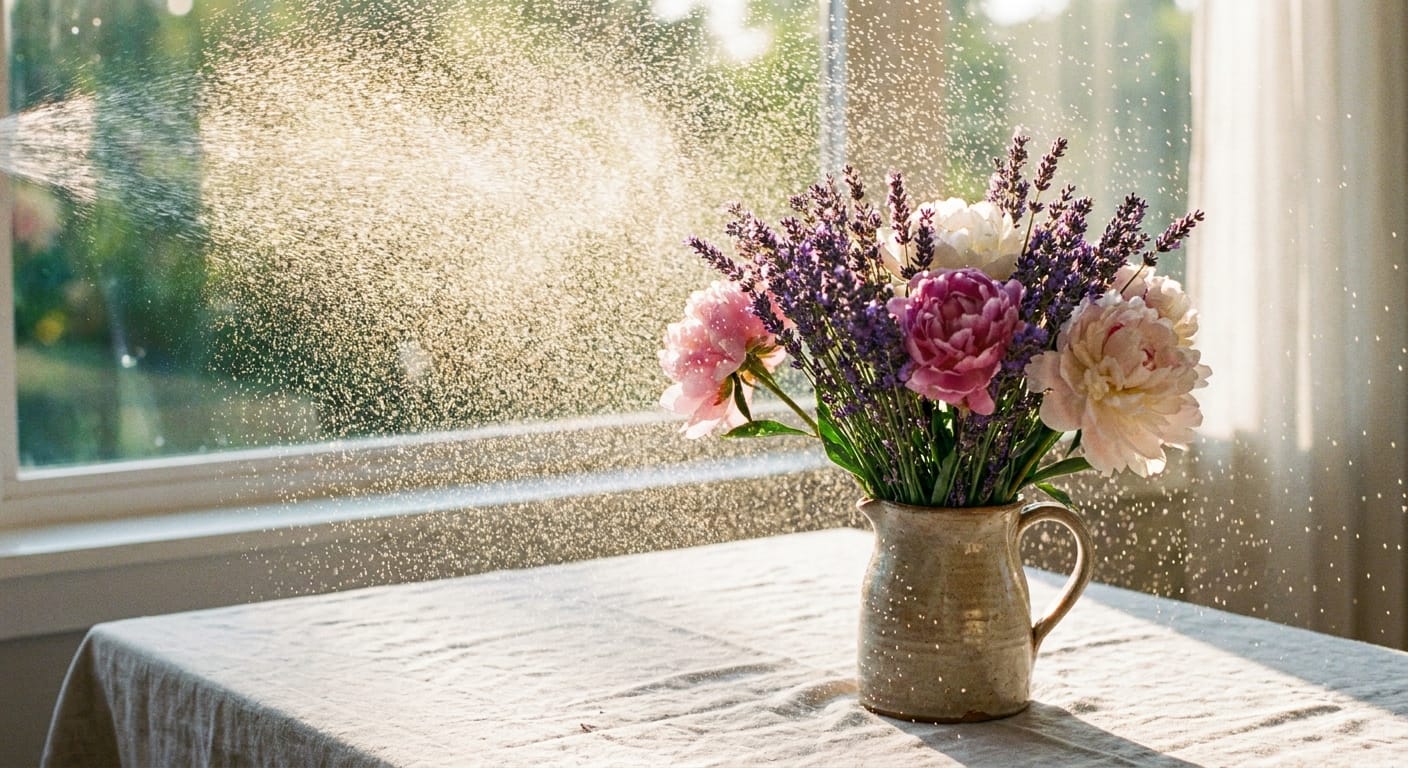
For tropical flowers or those with soft petals, a light misting of water on the leaves and blooms can help them stay hydrated. Don't soak them just a fine, gentle spray. This is especially helpful in the winter months when home heating systems turn our indoor air into a desert.
14. Remove Dead Blooms
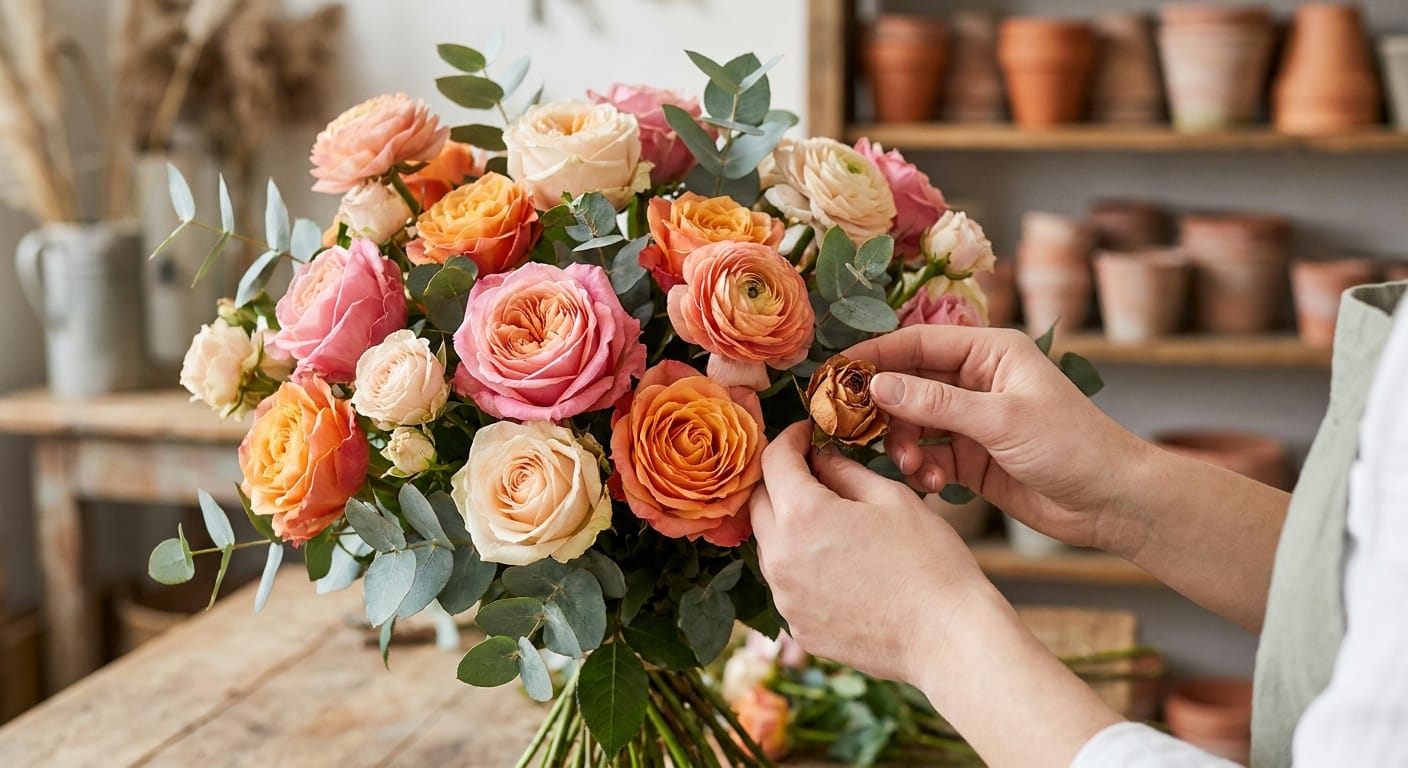
If you have a mixed bouquet, some flowers will die faster than others. As soon as a flower starts to turn, pull it out. Dead flowers release ethylene, which will accelerate the wilting of the surrounding healthy blooms. Don't be afraid to pull a bad apple out of the bunch; it’s better for the rest of the arrangement.
15. The Overnight Chill
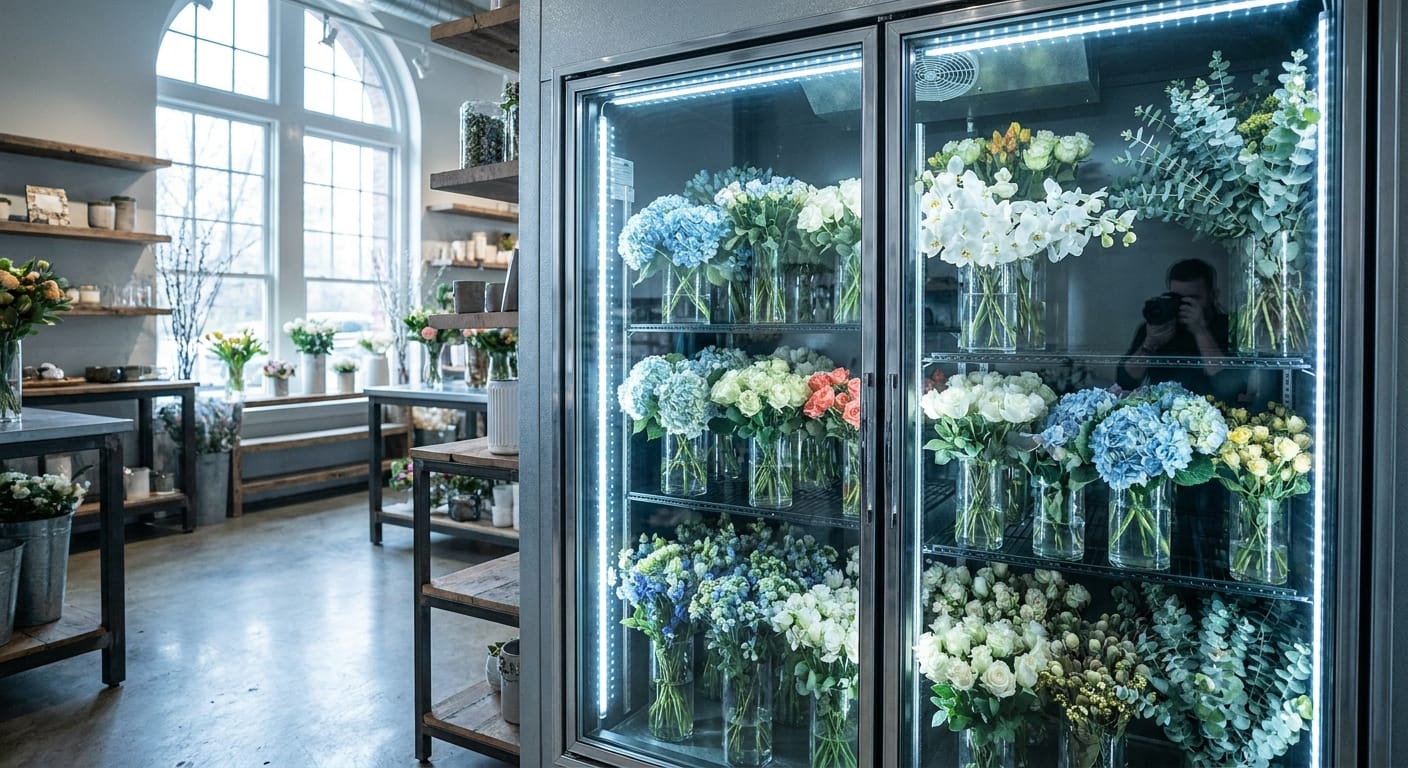
If you have a big event and need your flowers to look perfect the next day, put them in the fridge overnight. No, I’m not kidding. Florists do this all the time. The cool temperature slows down the flower's metabolism, effectively putting them in a "sleep mode" so they stay fresh until you’re ready to display them.
The bottom line is that flowers are dynamic, living things that respond to their environment. By keeping their water clean, their stems trimmed, and their exposure to ethylene gas to a minimum, you can enjoy your bouquets for days longer than the average person. Treat your flowers with this level of care, and they’ll reward you with beauty that lasts.