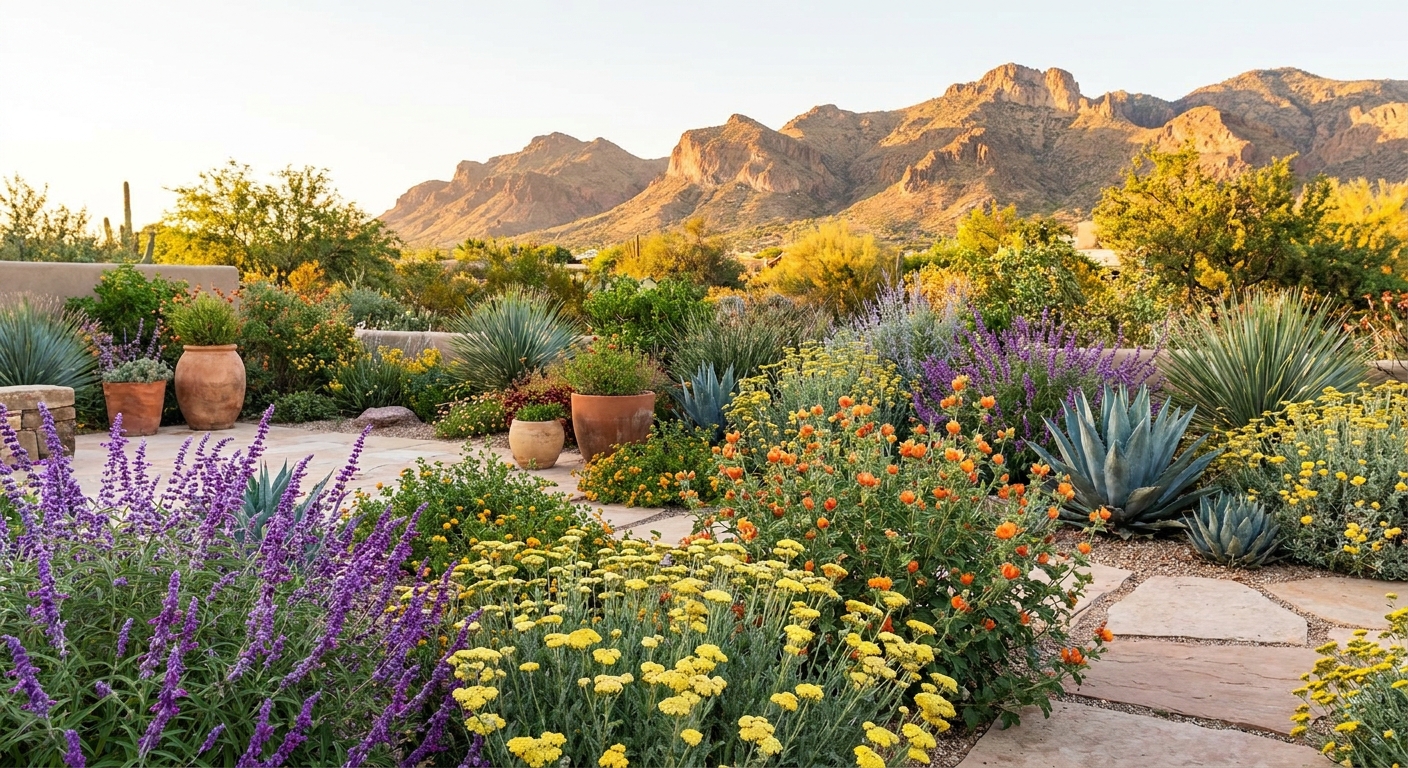
If you’ve spent any time gardening in the Southwest, you know the struggle. You want a lush, blooming garden, but the mid-July heat in Phoenix or the dry spells in Central California make it feel like a losing battle. Most people think you have to choose between a water bill that breaks the bank and a yard full of brown, crispy stems. I’m here to tell you that’s just not true.
Here at MyCareerly, we talk to florists and nursery owners across the country every day. The secret isn't more water; it's choosing the right drought-tolerant flowers that actually enjoy the heat. These plants aren't just survivors they’re stunners that add texture, fragrance, and color to your landscape without constant babying. Let’s look at the best options for your climate.
1. Lavender
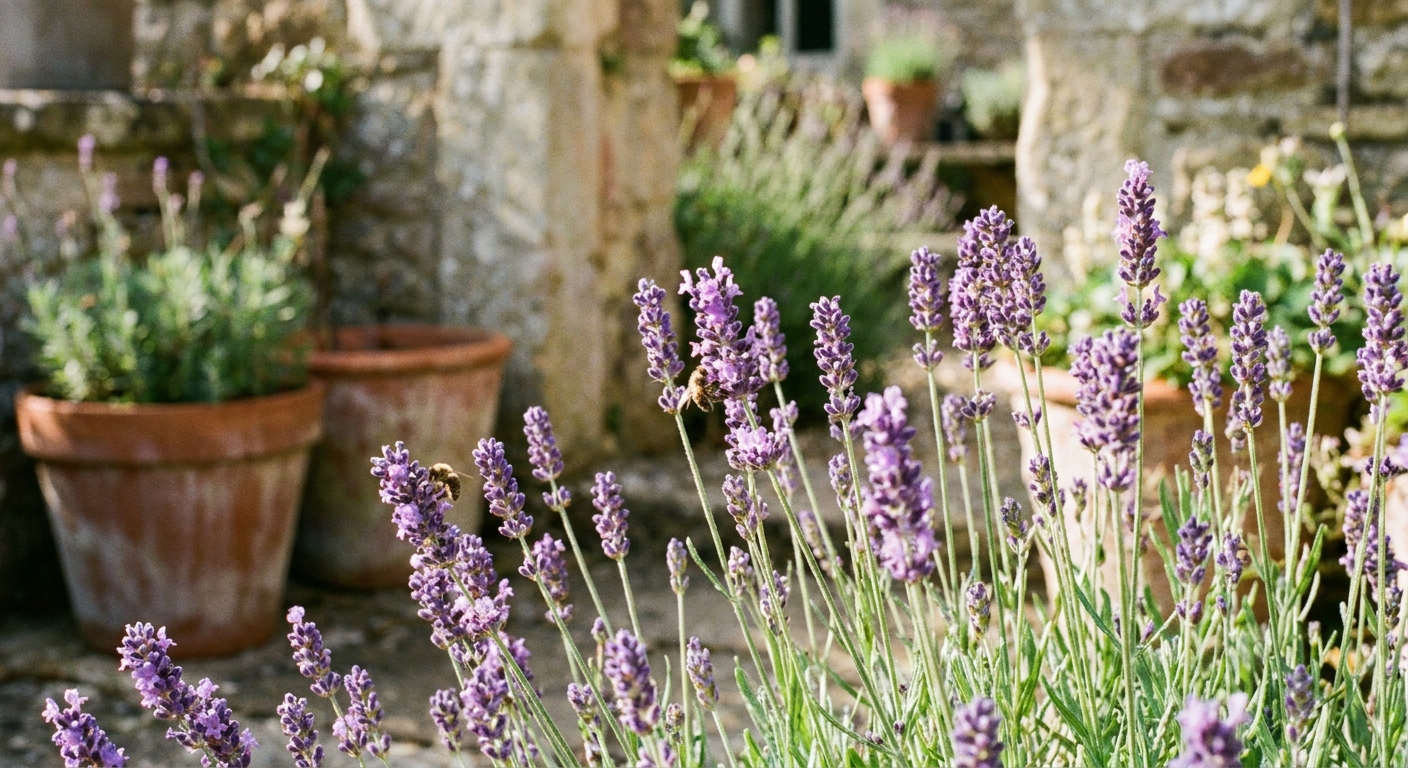
Lavender is the gold standard for a reason. It handles the intense sun of Arizona and the dry, Mediterranean-style climate of California like a champ. Honestly, the biggest mistake I see folks make is overwatering it. Lavender hates having "wet feet." If the soil stays damp, the roots will rot in a heartbeat. Give it full sun and fast-draining soil, and it will reward you with gorgeous, fragrant spikes for years.
When choosing a variety, look for Lavandula angustifolia (English lavender) if you’re in a slightly cooler area, or Lavandula stoechas (Spanish lavender) if you're in the scorching desert. The scent is incredible, and it’s a total magnet for bees. Pro tip: Don't be afraid to prune it back after the first flush of flowers. It keeps the plant from getting woody and leggy, ensuring it stays bushy and productive for seasons to come.
2. Yarrow
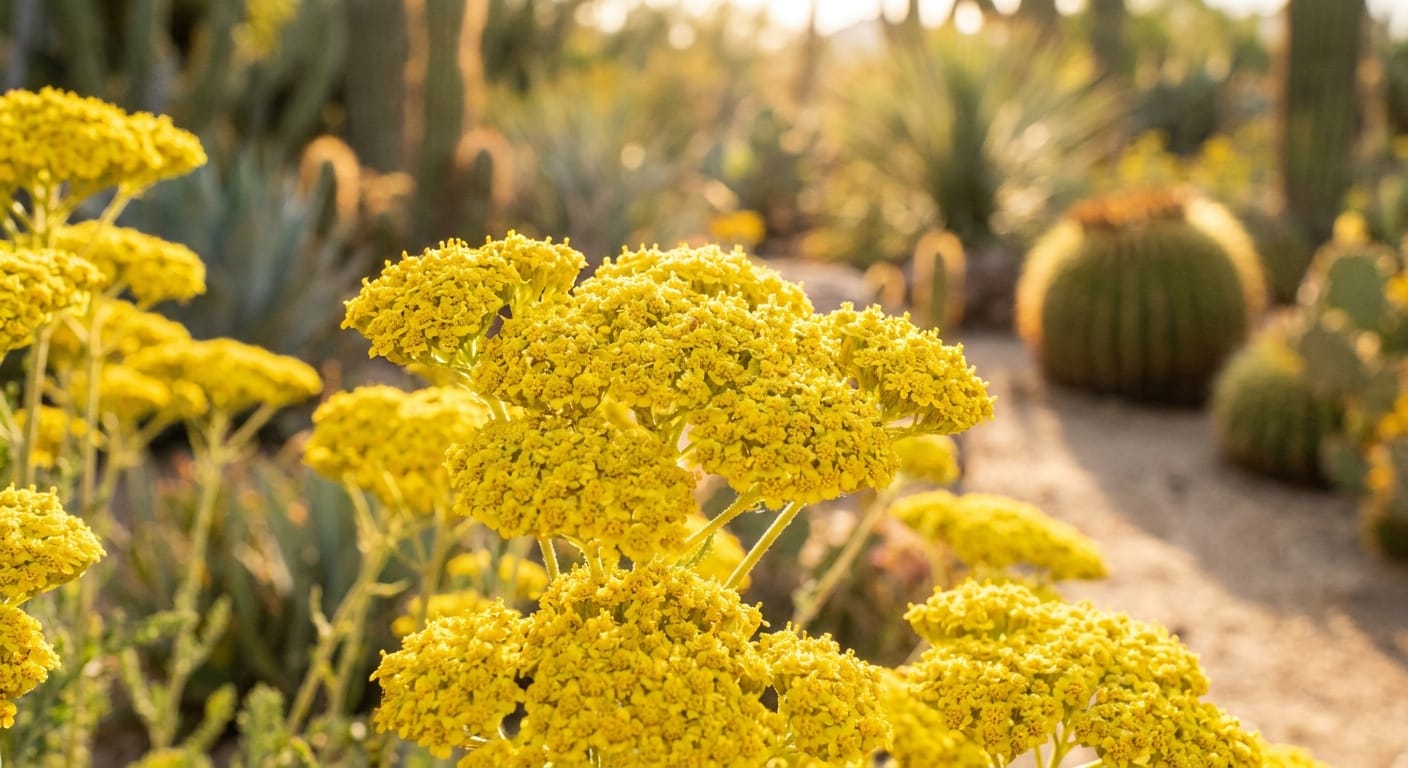
Yarrow is the workhorse of the xeriscape garden. It’s incredibly resilient, drought-tolerant, and comes in colors that pop think bright yellow, soft pink, and deep terracotta. What I love most about yarrow is that it’s practically indestructible. It spreads through underground rhizomes, making it a fantastic groundcover if you have a large, sunny patch that needs filling.
In Texas, where the humidity can sometimes be a factor, yarrow holds its own. It’s a perennial that doesn't mind poor, rocky soil. If you find your soil is too rich, the yarrow might get a bit floppy; keep it in the leaner soil to maintain that nice, upright structure. It’s also a host plant for beneficial insects, so you’re doing your local ecosystem a favor by planting it. Just chop it back when the flowers fade to encourage a second bloom in the fall.
3. Penstemon
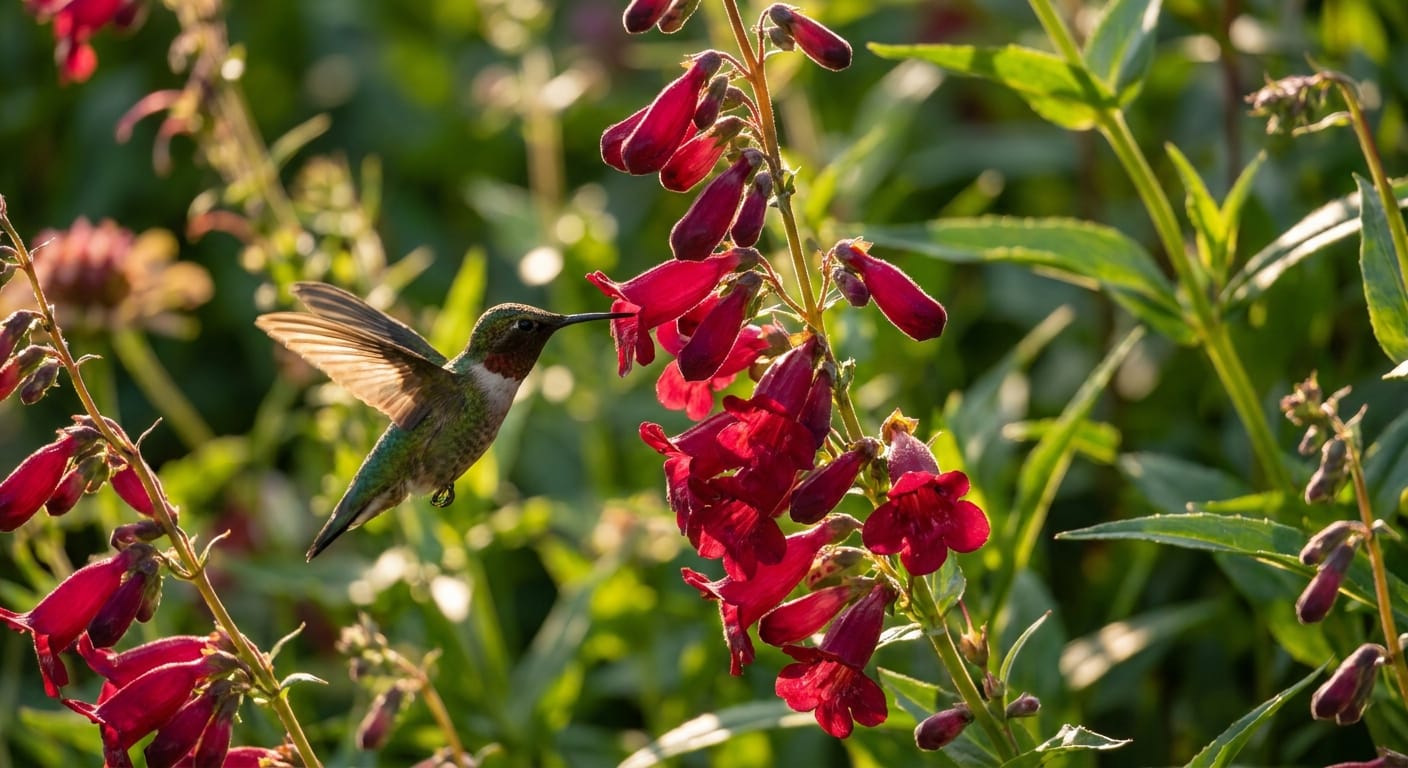
If you want to attract hummingbirds, you need Penstemon. These tubular, bell-shaped flowers are like a beacon for pollinators. They are native to the Western US, so they’re already adapted to our specific brand of heat and drought. They come in an array of colors, from electric blue to fiery red and soft lavender.
Most people skip the step of deadheading, but with Penstemon, it makes a world of difference. If you snip off the spent flower stalks, you’ll often get a repeat performance later in the season. They’re great for adding vertical interest to your flower beds. They don’t need much fertilizer in fact, too much nitrogen will lead to lots of leaves and very few flowers. Keep it simple, give them plenty of space for airflow, and watch the hummingbirds flock to your yard.
4. Agastache
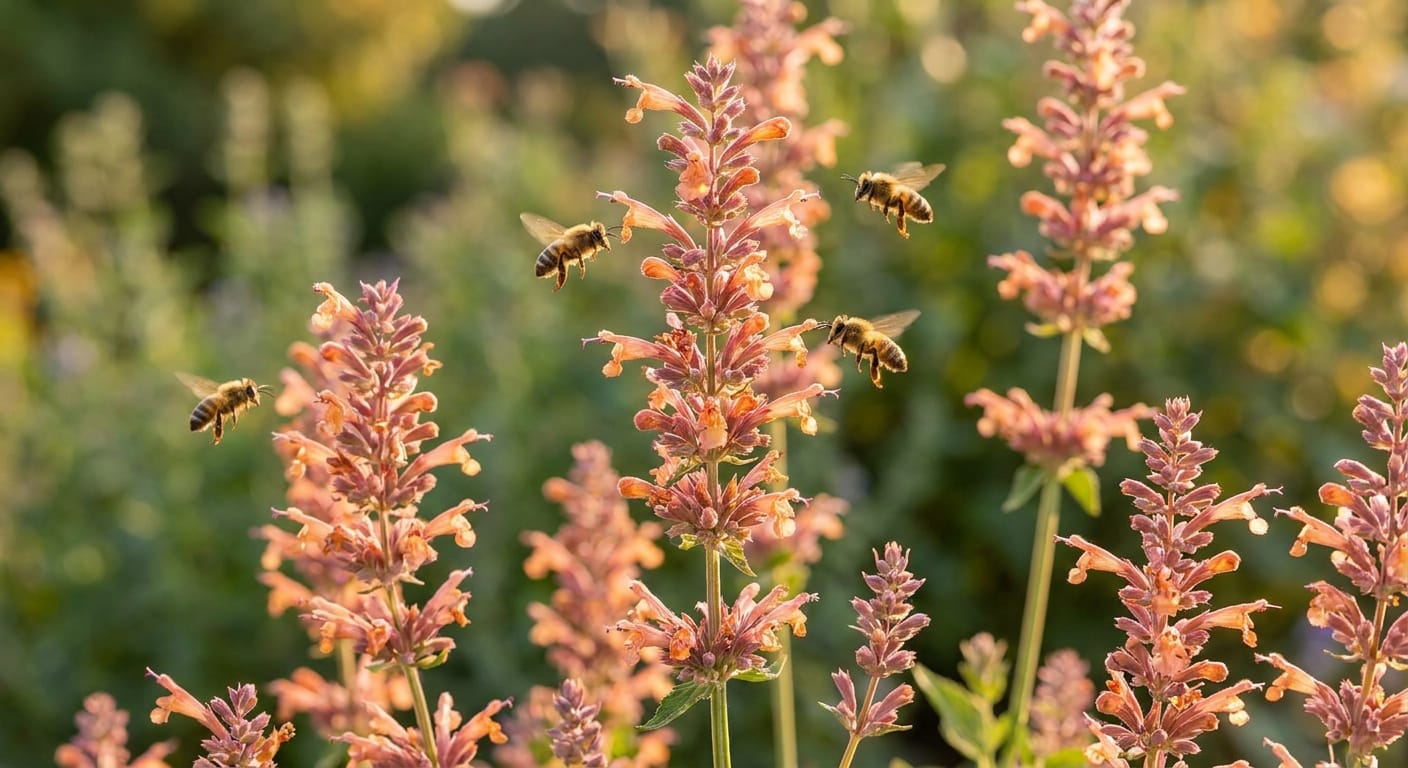
Often called Hummingbird Mint, Agastache is a dream for the hot, dry Southwest. The leaves have a wonderful, subtle scent when you brush against them some varieties smell like licorice or bubblegum. It thrives in the intense, baking heat of Arizona and Texas, and it’s one of the few plants that actually looks better as the summer drags on.
This is a plant that thrives on neglect. It’s incredibly water-efficient once established. If you’re dealing with clay soil, make sure to amend it with some grit or sand before planting, as it really needs that drainage. I’ve seen this plant survive 100°F+ days with barely a drink. It’s a must-have if you want a garden that looks lush even when the rest of the neighborhood is wilting.
5. Blanket Flower
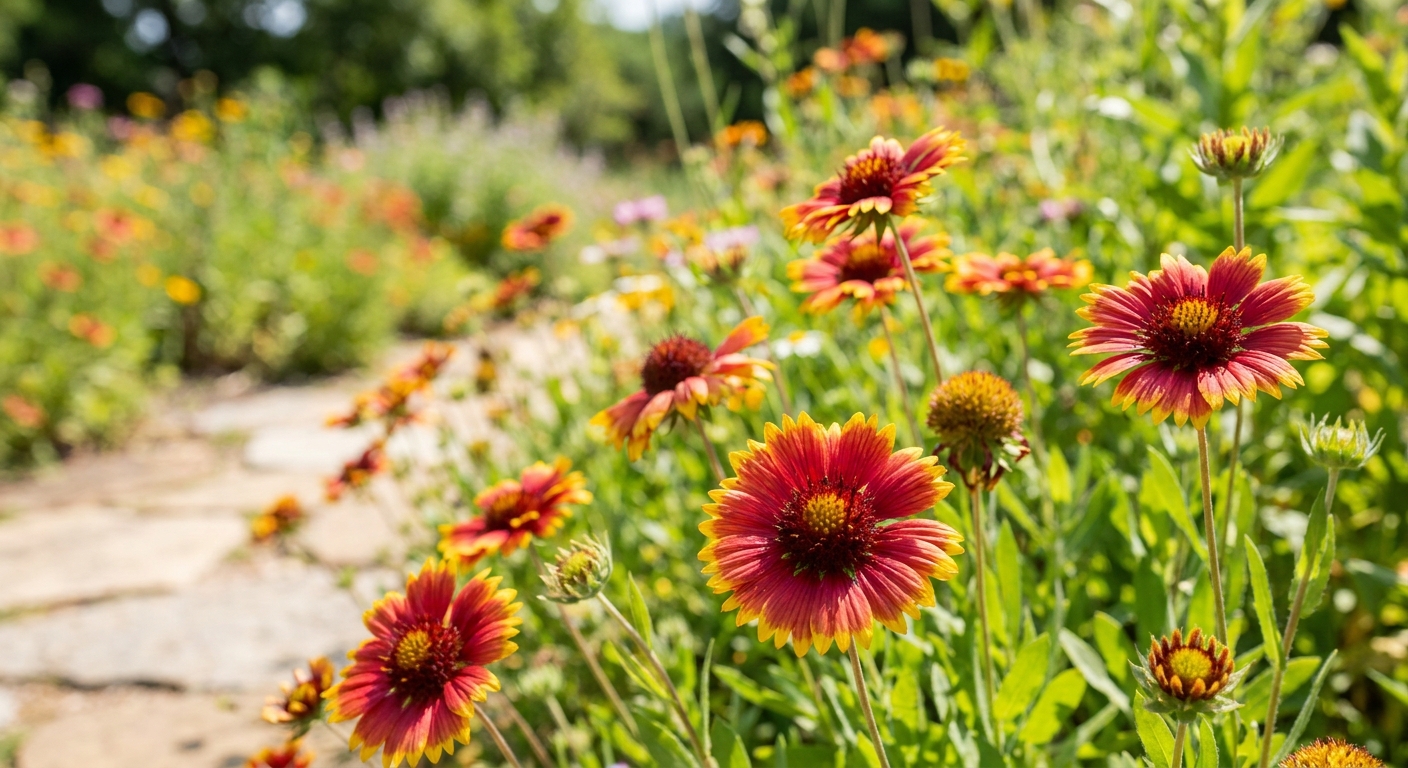
Blanket Flower, or Gaillardia, is named for the way it spreads out and blankets the ground in color. It’s a cheerful, daisy-like bloom that doesn't know the meaning of the word "quit." Whether you’re in the high desert or the coastal plains, this plant is a survivor. It’s a short-lived perennial, but it reseeds so easily that you’ll have a permanent display without doing any extra work.
These flowers are tough as nails. They handle heat, poor soil, and limited water with ease. They are perfect for those "forgotten" corners of the garden where you don't want to run a drip line. The combination of red and yellow petals is iconic for the Southwest aesthetic. Plus, they make excellent cut flowers, so you can bring a bit of that desert sunshine inside for your vases.
6. Mexican Sage
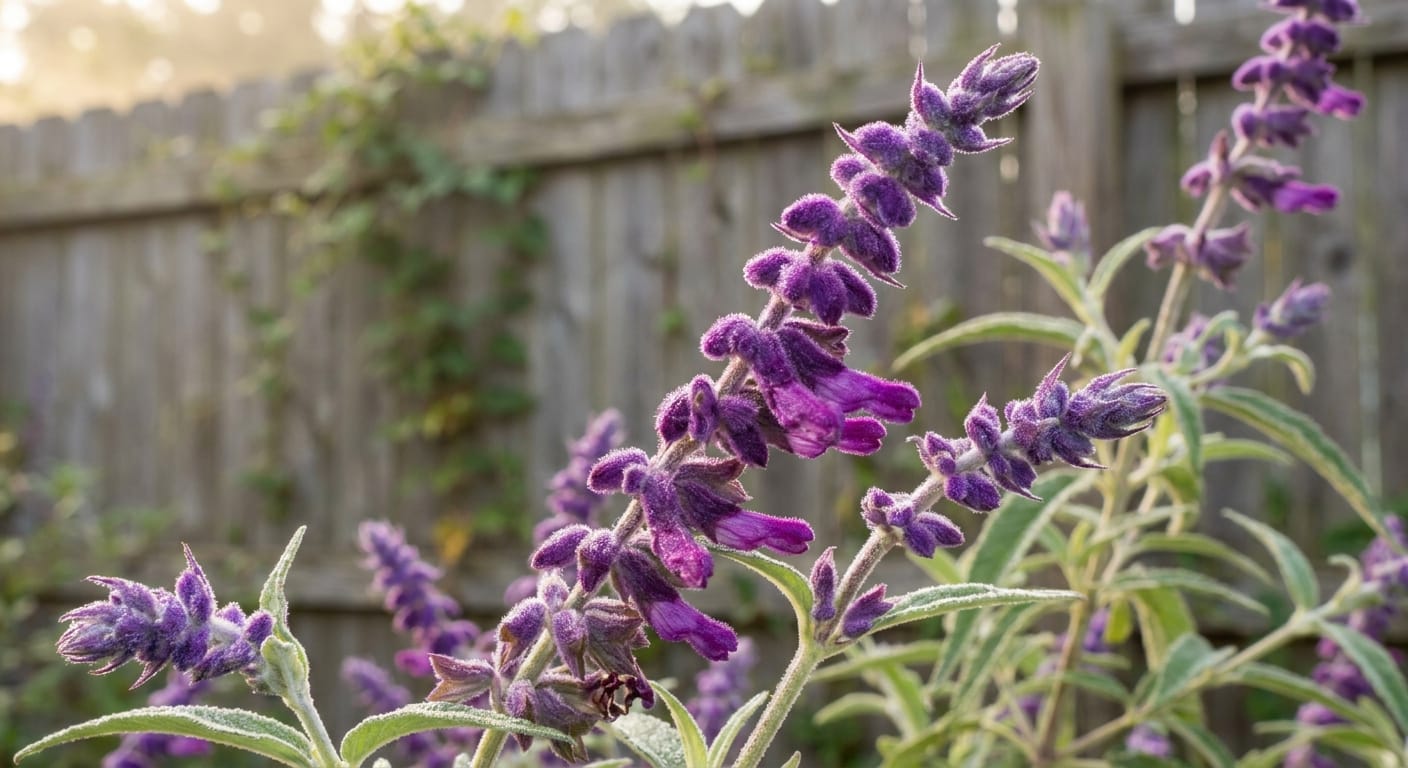
Mexican Sage (Salvia leucantha) is a total showstopper. The velvety, purple flower spikes are soft to the touch and add a unique texture to any garden arrangement. It grows into a large, bushy shrub that can easily reach three to four feet tall and wide. Because it’s so hardy, it’s a favorite among professional landscapers in California and Arizona.
Here’s the trick: give it room to breathe. This plant wants to grow, and if you crowd it, it won't be as happy. It’s incredibly resistant to pests and deer, which is a huge bonus if you live in an area with a lot of wildlife. Once the first hard frost hits, you can cut it back to the ground, and it will come roaring back in the spring. It’s one of those low-maintenance plants that makes you look like a master gardener with minimal effort.
7. Desert Marigold
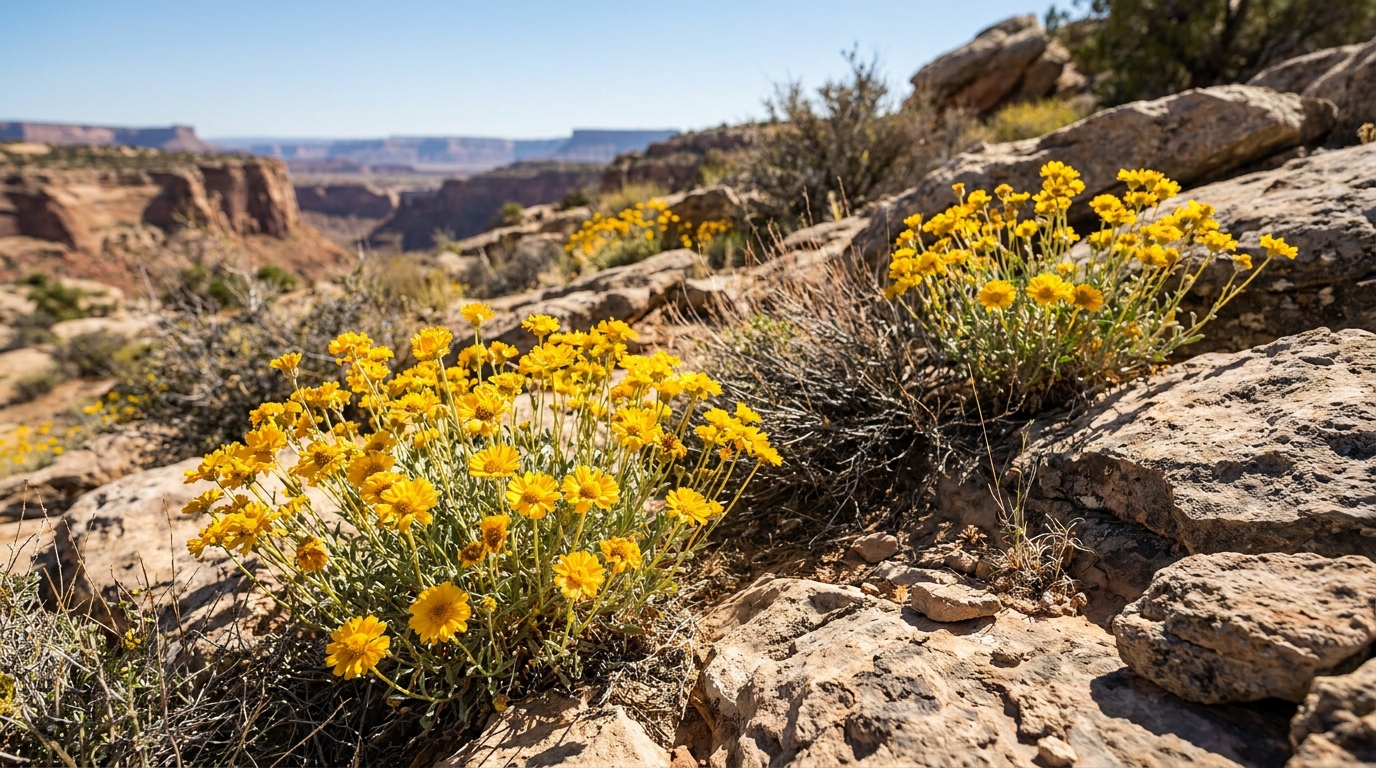
If you want a plant that truly embraces the spirit of the desert, look no further than the Desert Marigold. These aren't your typical grocery store marigolds; these are tough, native beauties that thrive in the harshest, driest conditions imaginable. They produce intense, sunny yellow flowers that can brighten up even the bleakest rock garden.
They’re perfect for xeriscaping because they genuinely thrive in the heat and don't need rich soil. In fact, they prefer the rocky, sandy soil found across the Southwest. They’re a great choice for pollinator gardens because they provide a reliable nectar source when other plants have given up for the season. If you want a garden that looks like it belongs in the landscape, this is the one to pick.
The bottom line is that you don't need to sacrifice beauty for water conservation. By choosing these seven resilient varieties, you'll create a vibrant, thriving garden that respects the unique climate of the Southwest. Start with a few, watch them settle in, and enjoy your new, low-water oasis.