
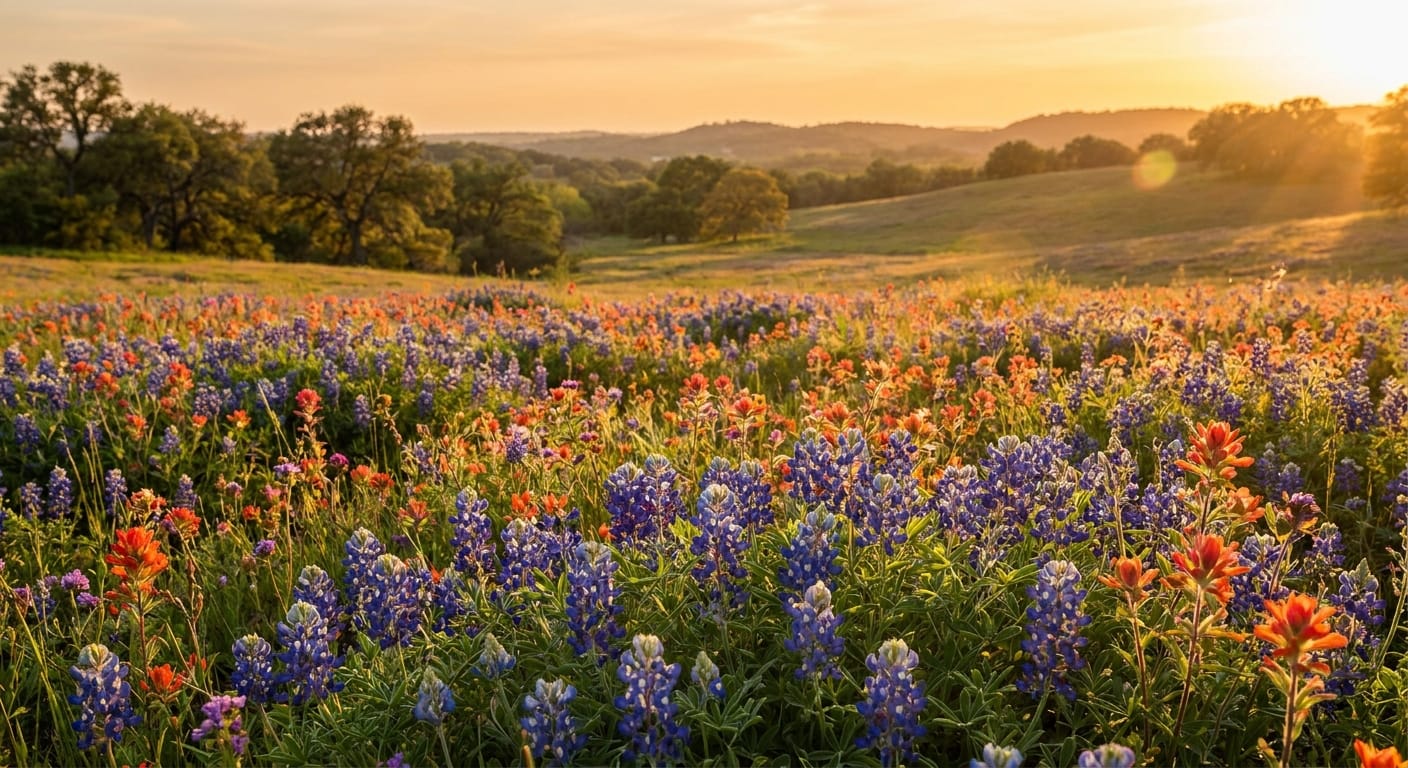
There is something honestly magical about stumbling upon a patch of wildflowers that have been blooming in the exact same spot for centuries. It’s not just about the color; it’s about the history. When you plant native species, you’re doing more than just landscaping you’re restoring a tiny piece of the local ecosystem. Whether you’re working with the clay-heavy soils of North Texas or the sandy, sun-baked earth of Southern California, native plants are the secret weapon for a low-maintenance garden that actually thrives.
Most people think gardening is a constant battle against nature, but that’s only because they’re picking the wrong plants. If you choose species that are meant to be in your zip code, they won’t need constant coddling. They’ve spent thousands of years adapting to your specific rainfall patterns and temperature swings. Let’s walk through the heavy hitters of three distinct states and figure out how to bring that wild, untamed beauty into your own backyard.
1. Texas Bluebonnet (Lupinus texensis)
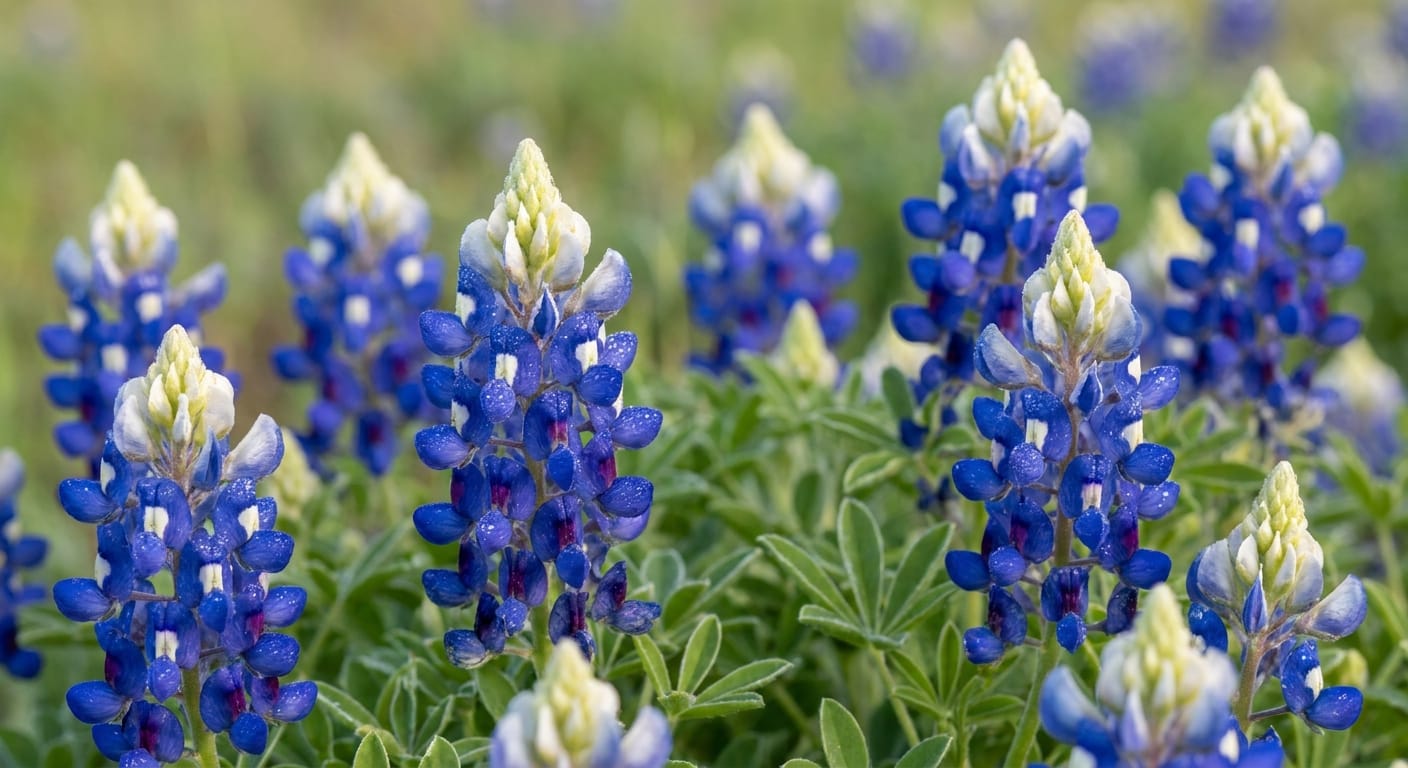
The Texas Bluebonnet is practically the state mascot, and for good reason. These aren't just flowers; they’re a cultural event. In early spring, you’ll see entire hillsides around Austin and San Antonio turn a deep, royal blue. They are annuals, meaning they live their whole life cycle in one season, but they are prolific self-seeders. If you let them go to seed and drop their pods, you’ll have a permanent colony without ever buying another packet of seeds.
The trick with Bluebonnets is the soil. They absolutely despise "wet feet." If your soil holds water like a sponge, they will rot before they even get a chance to bloom. They need well-draining, slightly alkaline soil. If you’re planting these, don’t bury them deep. Just scatter the seeds on top of the soil in the fall and give them a light dusting of dirt. They need the winter cold to trigger germination, so don't be tempted to plant them in the spring. Patience is the name of the game here.
2. Indian Blanket (Gaillardia pulchella)
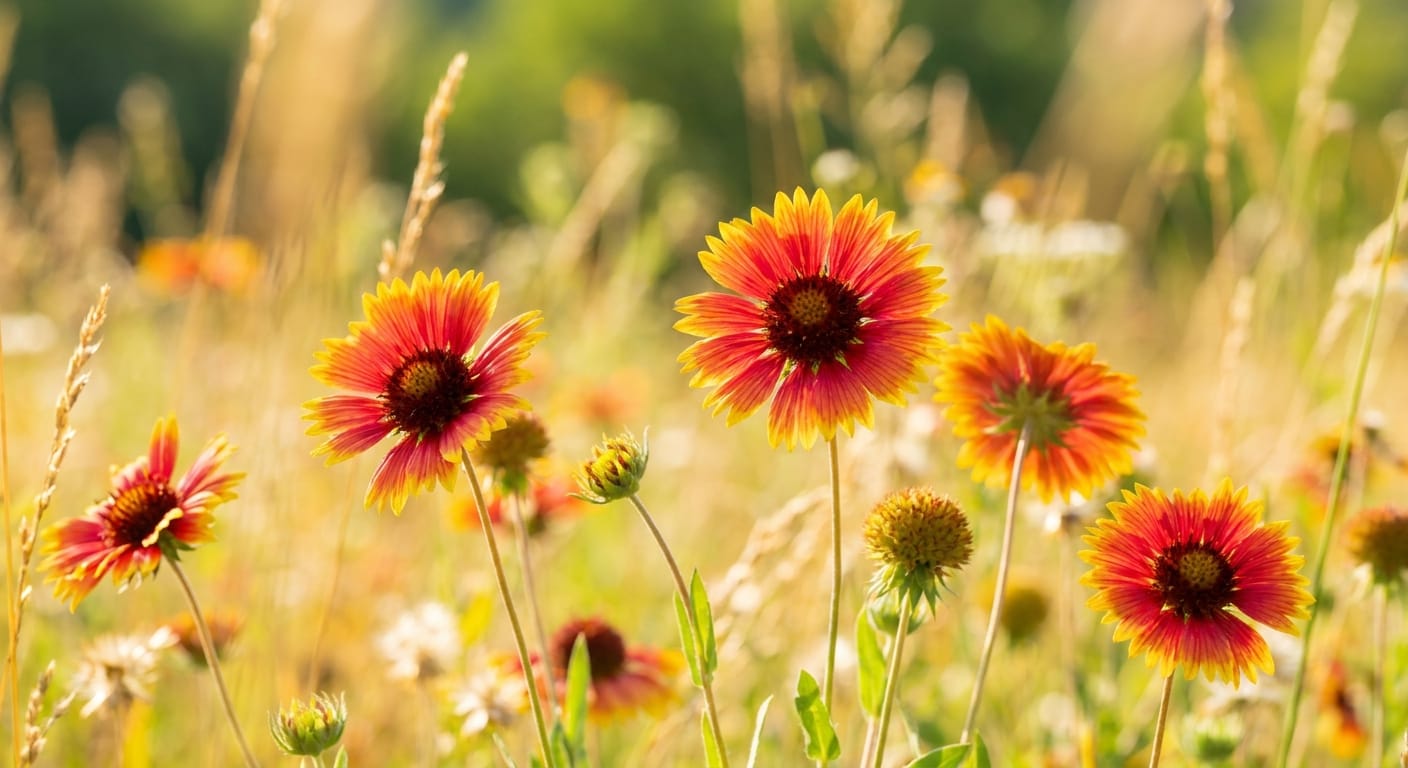
If you want a flower that laughs at the Texas heat, look no further than the Indian Blanket. This flower is a survivor. It handles the scorching 100°F summers of Dallas and Houston with total indifference. It’s a member of the sunflower family, and you can tell by the way it constantly tracks the sun. The petals are a stunning mix of deep crimson transitioning into bright yellow tips, looking almost like a woven textile.
These are perfect for wildflower meadows because they bloom for an incredibly long time often from late spring all the way until the first frost. They are also super pollinator-friendly. If you’re trying to attract native bees to your garden, this is your go-to plant. One insider tip: don’t over-fertilize them. These plants are built for poor soil. If you give them rich, nitrogen-heavy fertilizer, you’ll get a huge, lush plant with zero flowers. Keep it lean and mean.
3. California Poppy (Eschscholzia californica)
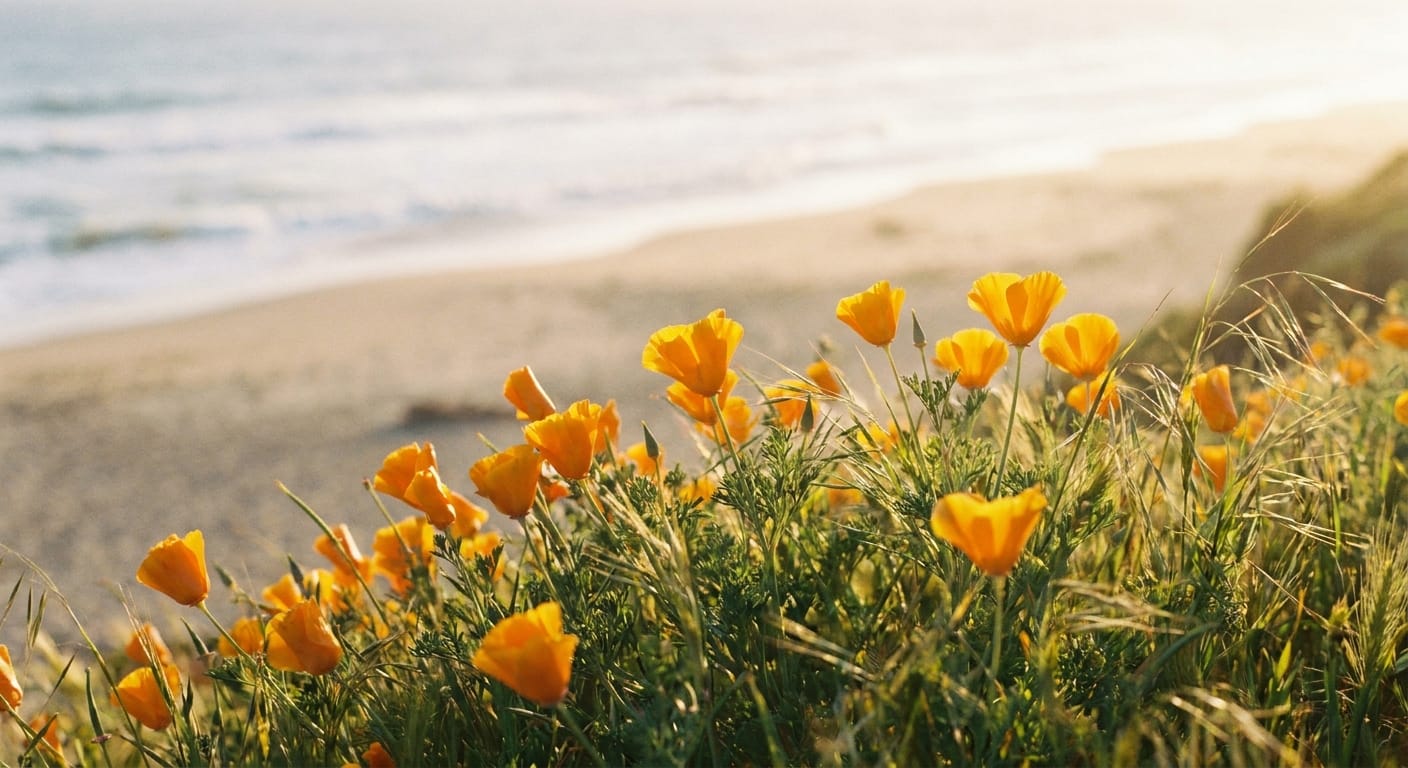
The California Poppy is the definition of sunshine in a petal. These silky, golden-orange blooms are iconic for a reason. They thrive in the Mediterranean climate of California, specifically in the coastal regions where they get plenty of sun but also benefit from that cooling Pacific breeze. They’re incredibly easy to grow because they essentially grow themselves. Seriously, I’ve seen them popping up through cracks in concrete sidewalks.
Because they have a delicate taproot, they hate being transplanted. If you buy them in a plastic pot from a nursery, you’re likely to kill them when you put them in the ground. Always, and I mean always, direct-sow these seeds. Just toss them on the ground in late autumn or very early spring. They love full sun give them at least 6 to 8 hours a day. If you live in a hotter inland area like the Central Valley, they might go dormant in the peak of summer, but that’s just them taking a nap before the next flush of growth.
4. Matilija Poppy (Romneya coulteri)
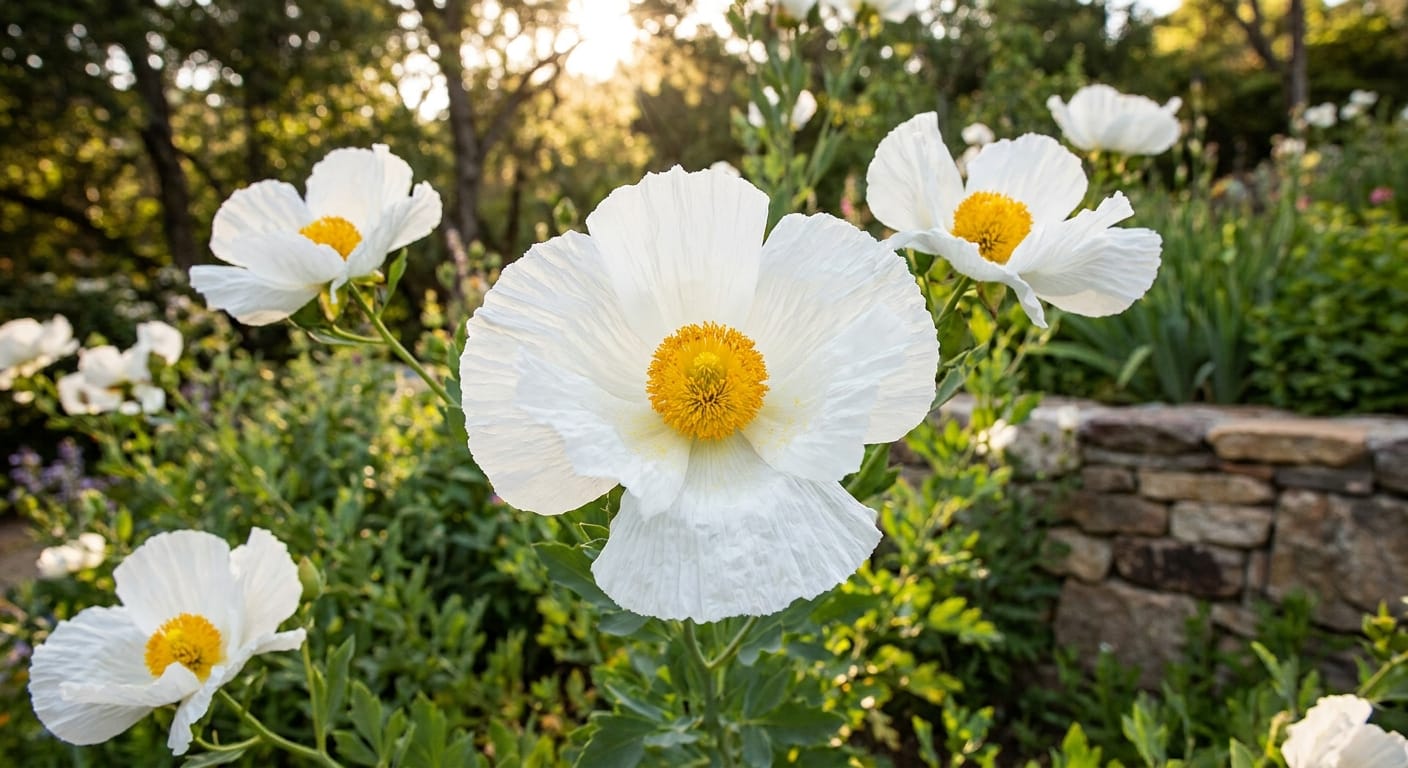
Often called the "Fried Egg Plant," the Matilija Poppy is the showstopper of the California native world. These flowers are massive some can reach 8 inches across and they look like delicate, white crepe paper. They’re a bit more temperamental than the standard orange poppy, but the payoff is worth it. They are native to the dry canyons of Southern California, so they are incredibly drought-tolerant once they establish.
The biggest mistake people make with these is overwatering them during the summer. They are built for dry summers. If you keep the ground wet, you’re inviting root rot, which is a death sentence for a Matilija. Give them plenty of space, too. These aren't dainty little flowers; they are shrubs that can grow 6 to 8 feet tall. Plant them in a spot where they can sprawl out and get lots of sun. They’re a bit of an investment, but once they take hold, they’ll be a focal point in your yard for years.
5. Flame Azalea (Rhododendron austrinum)
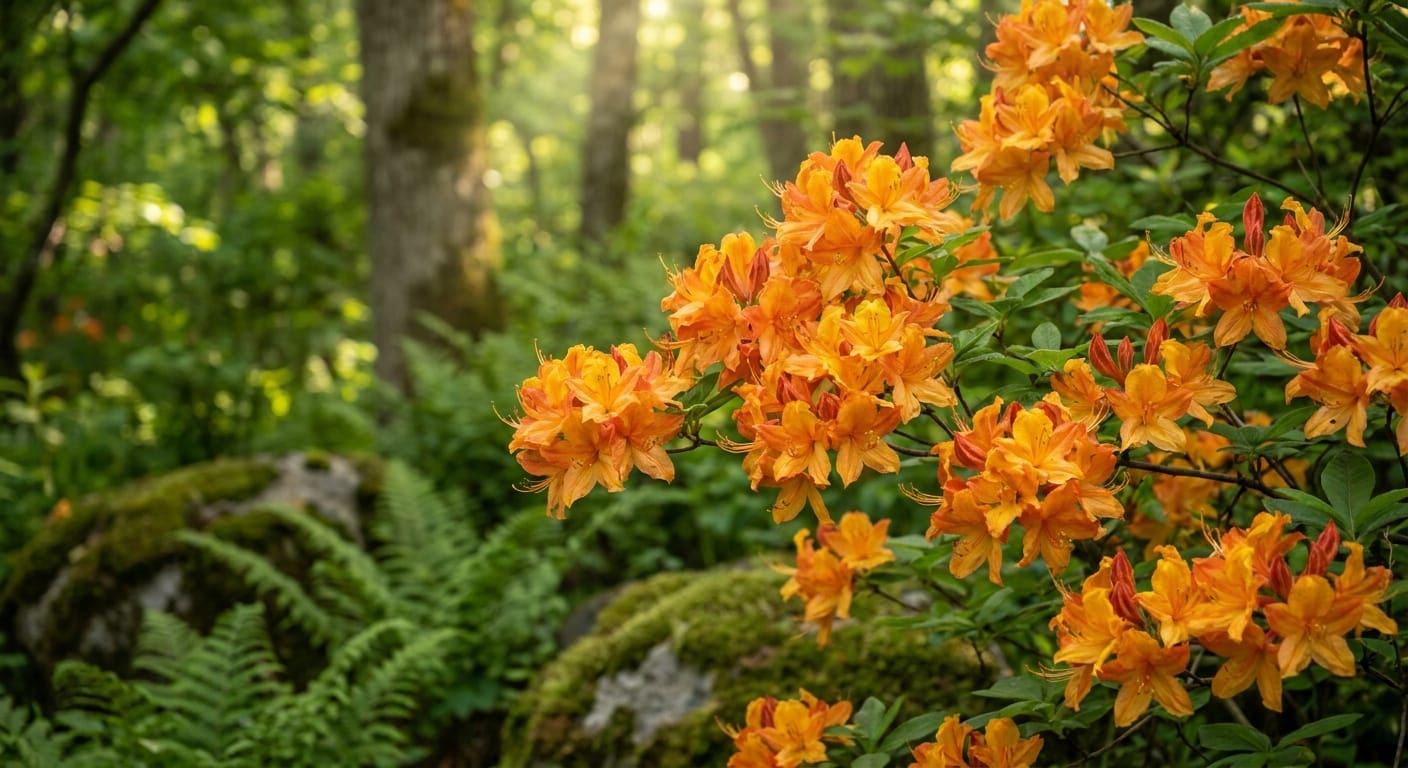
Moving over to Florida, we have to talk about the Flame Azalea. Unlike the other plants on this list, this one loves the dappled shade of a woodland edge. It’s native to the Florida Panhandle and parts of the Deep South, and it is absolutely show-stopping when in bloom. The flowers are tubular, clustered in large, vibrant orange-to-yellow heads that seem to glow against the dark green leaves of the forest floor.
Because these are native to Florida’s acidic, well-draining soils, they pair perfectly with pines and oaks. If your soil is heavy or alkaline, you’ll need to amend it with pine bark or peat moss to get the pH down. They’re not big fans of the intense, direct Florida sun, so find a spot that gets morning light but afternoon shade. They need consistent moisture, especially during their first year, but don't let them sit in standing water. Once established, they’re surprisingly resilient and bring a touch of genuine wild elegance to any landscape.
6. Beach Sunflower (Helianthus debilis)
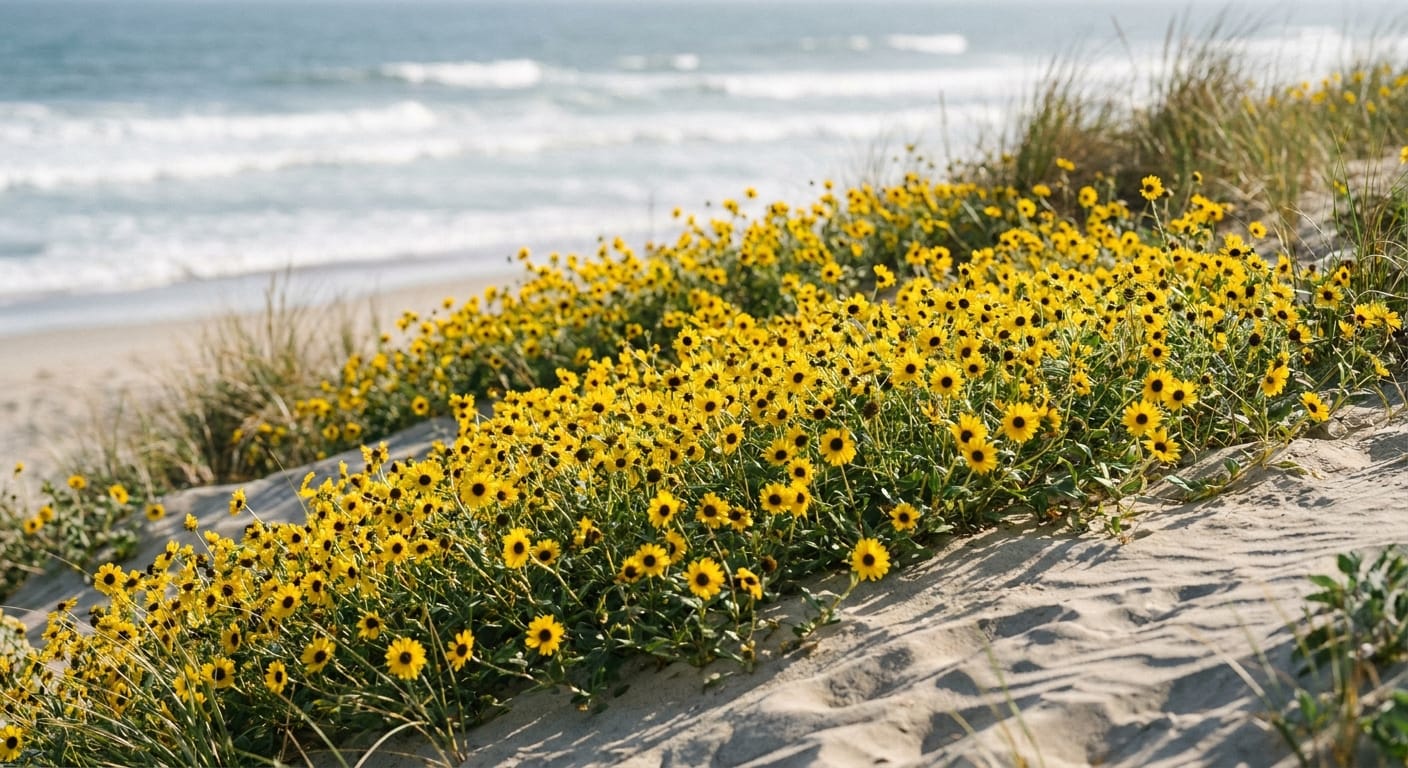
If you have a sandy, challenging spot in your Florida garden, the Beach Sunflower is your best friend. This is a low-growing, creeping plant that is incredibly salt-tolerant. It’s native to the sandy dunes along the Florida coast, so it’s naturally adapted to extreme heat, poor soil, and the salty air that would kill most other flowers. It produces small, cheerful yellow flowers with dark centers that bloom almost year-round in the southern parts of the state.
This is a fantastic groundcover. If you have an area of your yard where grass won’t grow because of the sand or the heat, let this take over. It’s aggressive in the best way possible it’ll crowd out weeds and create a carpet of gold. It needs almost zero maintenance. You might need to trim it back occasionally if it starts wandering into your walkways, but other than that, you can just sit back and enjoy the show. It’s a magnet for butterflies, too, which is just a bonus.
7. Purple Coneflower (Echinacea purpurea)
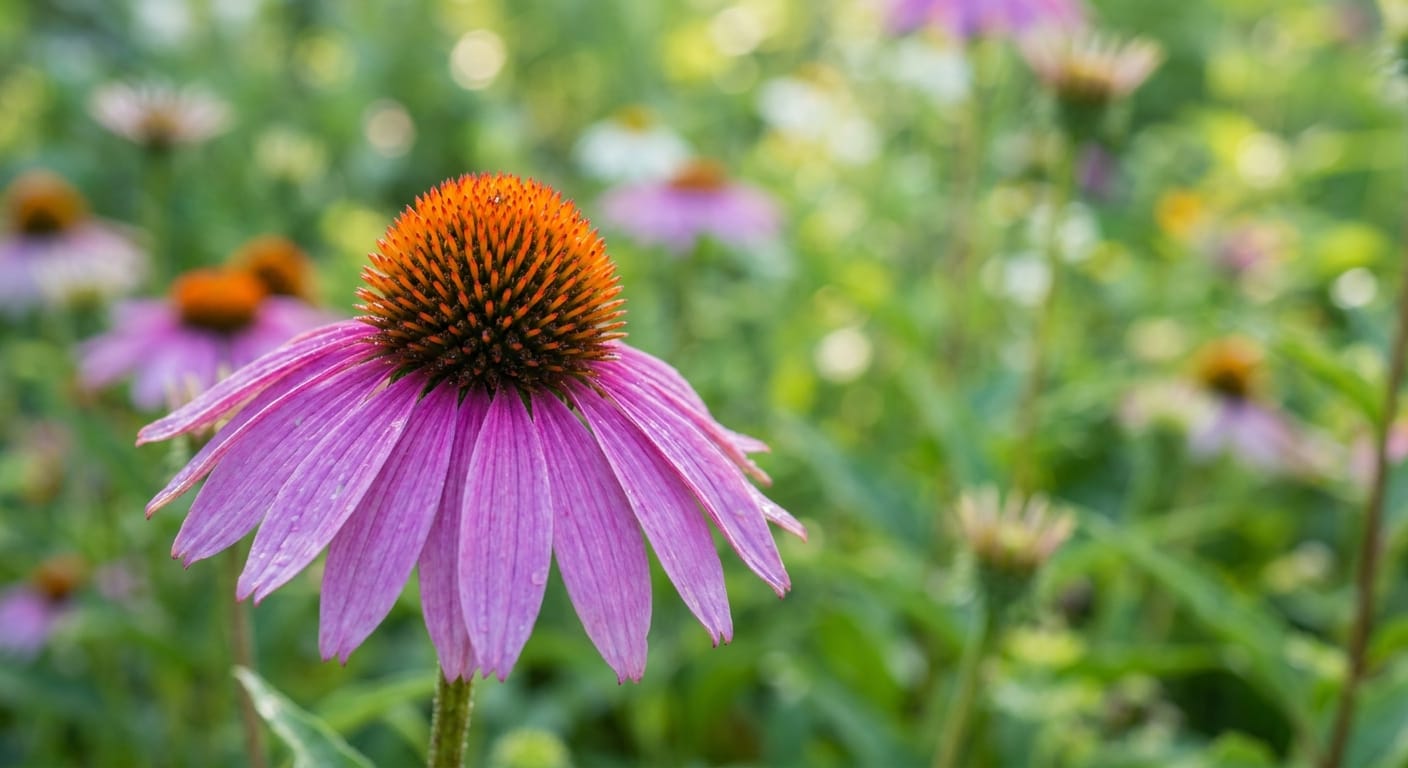
While the Purple Coneflower is native across much of the eastern U.S., it is a staple for Florida gardeners who want a reliable, long-blooming perennial. The iconic, drooping purple petals and the spiky, nectar-rich center cone make it a favorite for both humans and pollinators. It’s incredibly tough and can handle both the heat of a Florida summer and the occasional cold snap in the winter.
For the best results, plant these in a group. They look much better in mass plantings than as a single specimen. They are very adaptable to different soil types, but they do prefer good drainage. If you want a pro tip: deadhead them mid-summer to encourage a second flush of blooms, but stop deadheading in late fall. The birds especially goldfinches love to eat the seeds from the dried cones throughout the winter. It’s a beautiful way to keep your garden alive and buzzing even when the temperatures drop.
The bottom line is that native wildflowers are the easiest way to have a "green thumb" without the constant stress. By choosing plants that have been naturally selecting themselves for your local climate for thousands of years, you’re creating a garden that works with nature instead of against it.


