Let’s be honest: walking into a floral consultation without a clue about seasonality is a recipe for sticker shock. Most couples assume that because they see a flower on Pinterest, it’s available year-round. Unfortunately, that’s not how nature works. When you insist on out-of-season blooms, you aren't just paying for the flower; you’re paying for the flight from the Netherlands, the customs fees, and the extra labor required to keep delicate stems alive after traveling thousands of miles.
Choosing seasonal wedding flowers isn't just about saving your bank account it’s about quality. A locally grown dahlia in September will have a stronger stem and more vibrant color than one that’s been sitting in a cooler for a week. Whether you’re planning a backyard bash in the Pacific Northwest or a ballroom gala in the South, understanding your climate zone and local availability is the secret to a stress-free floral plan. Here is your roadmap to the best blooms for every month of the year.
1. January: Winter Whites and Texture
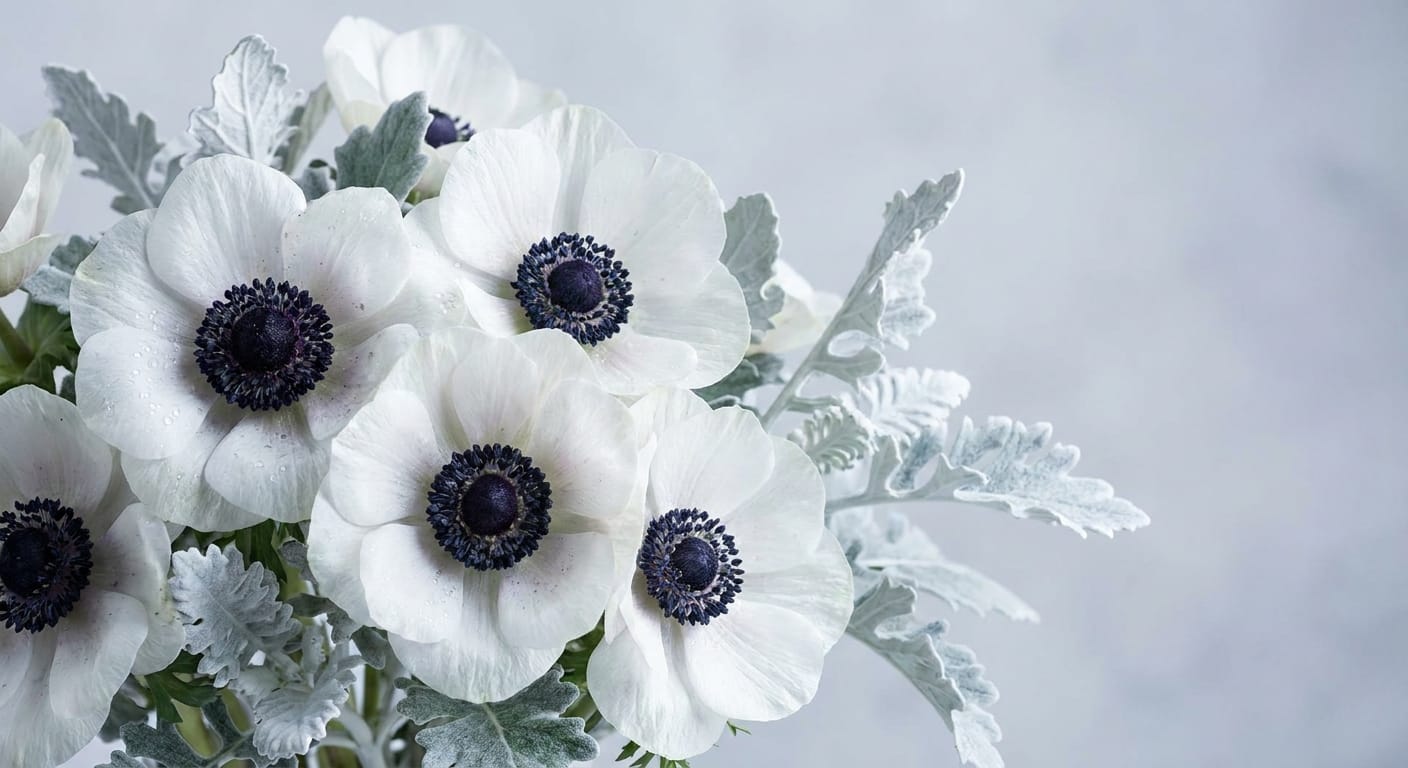
January is tough for local US growers, especially if you’re in the Northeast where the ground is frozen solid. You’re mostly looking at imported flowers or greenhouse-grown staples. This is the month for anemones, ranunculus, and amaryllis. These flowers offer a sophisticated, high-contrast look that feels perfectly at home in a winter wedding palette. If you’re dreaming of a lush, garden-style bouquet, focus on adding texture with dried elements or hardy greenery like pine or eucalyptus. Avoid trying to source delicate spring flowers; they just won't hold up in the cold, and shipping them is a nightmare for your florist. Stick to the sturdy, elegant winter classics.
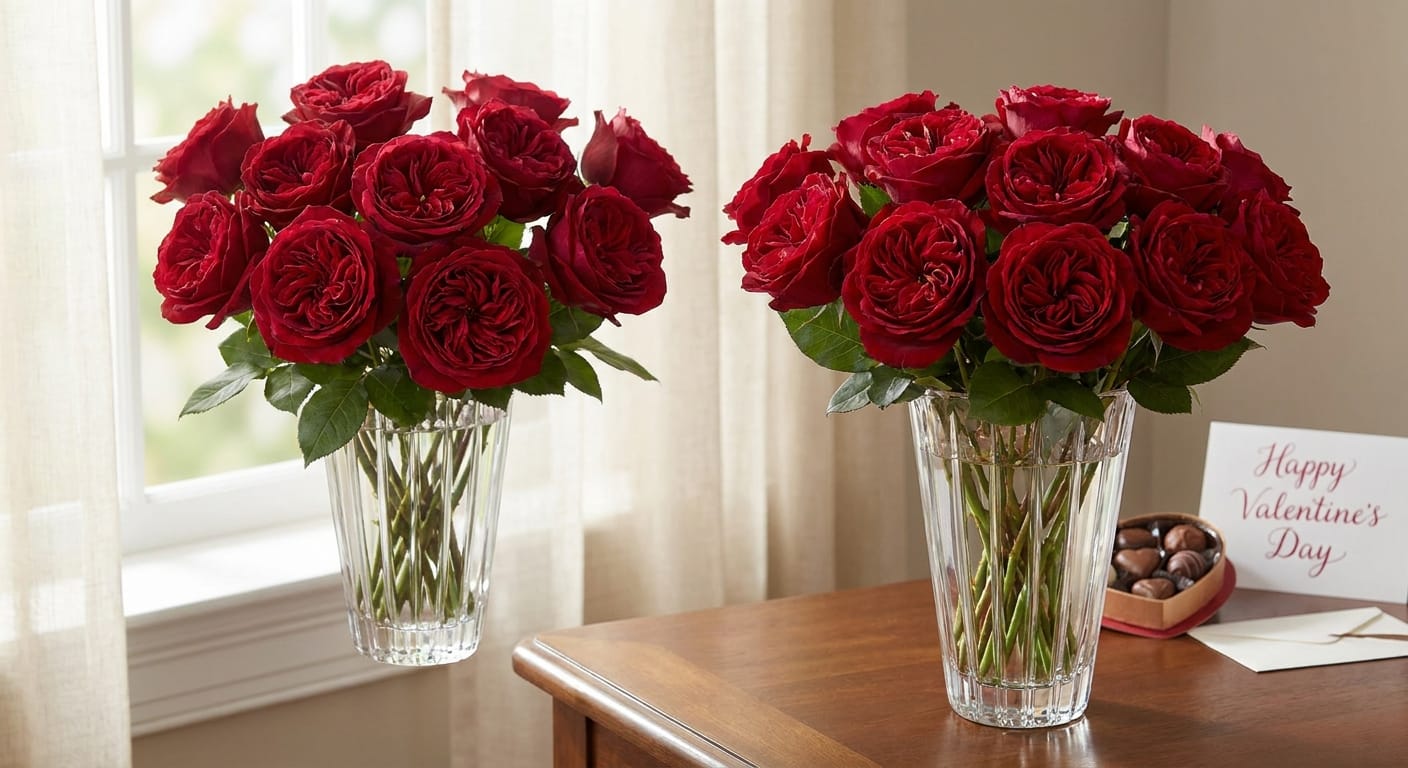
Let’s address the elephant in the room: February is the most expensive month for roses. Because of Valentine’s Day, global demand skyrockets, and suppliers prioritize mass-market bouquets over high-end wedding stems. If you’re getting married in February, try to pivot away from classic red or pink roses to avoid the holiday price hike. Instead, look for hellebores, sweet peas, and tulips. These flowers are coming into their own and offer a much softer, more organic aesthetic than the traditional February rose. Trust me, your florist will thank you for being flexible this month.
3. March: Early Spring Delights
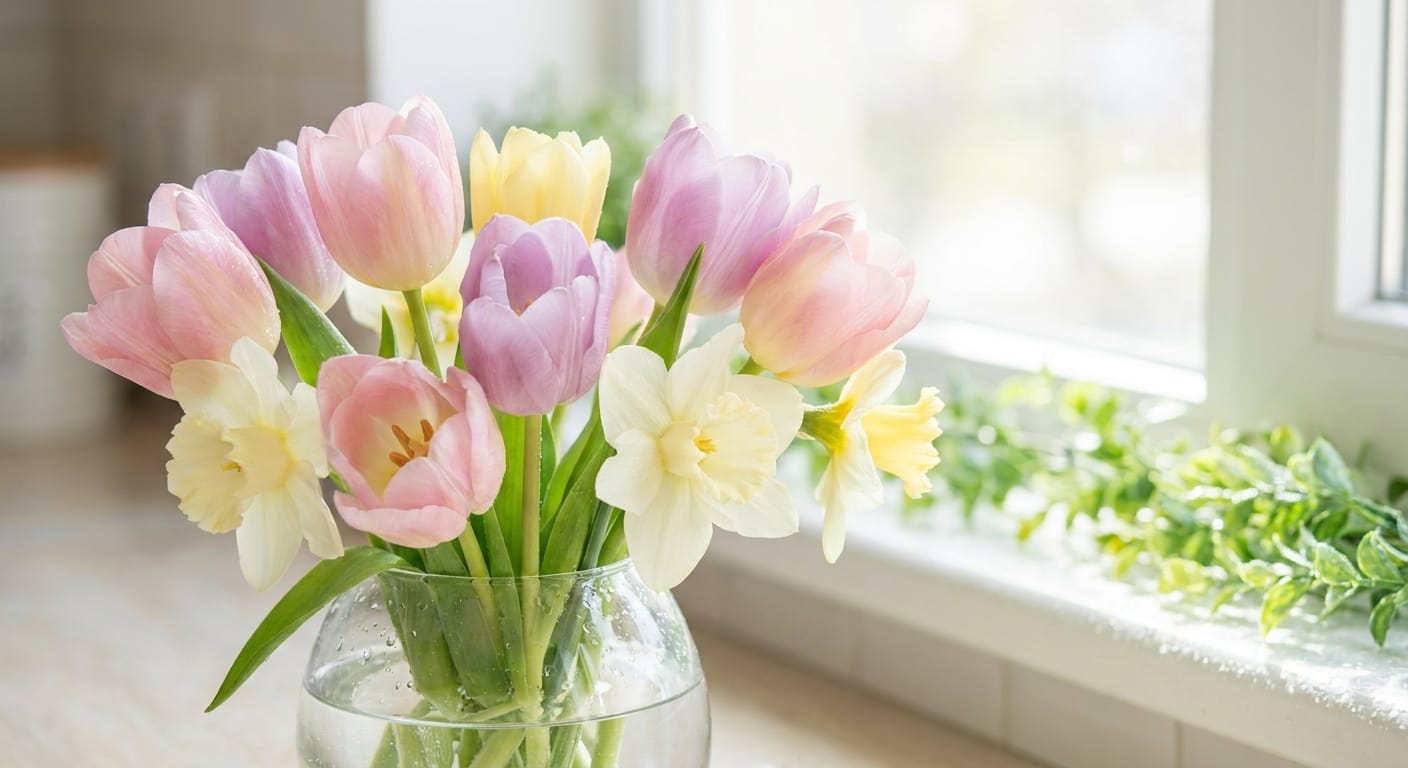
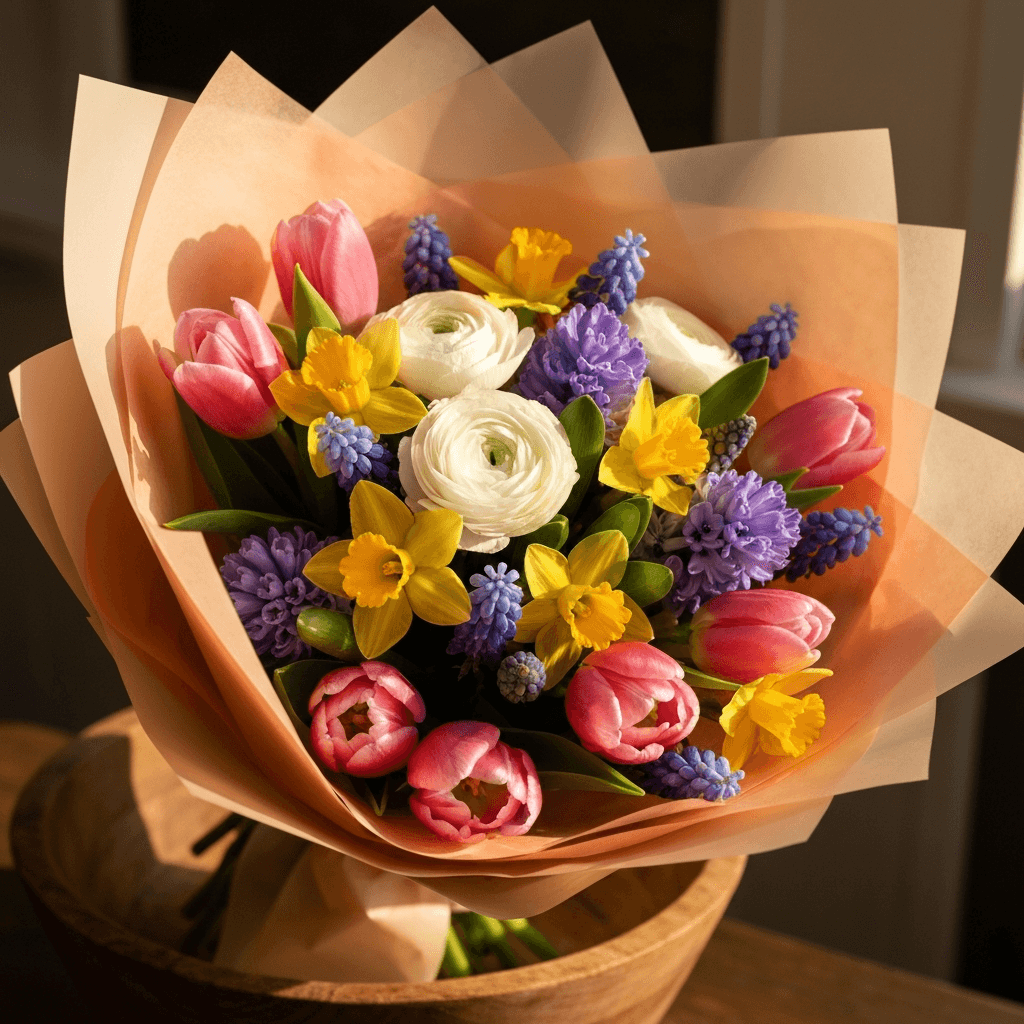
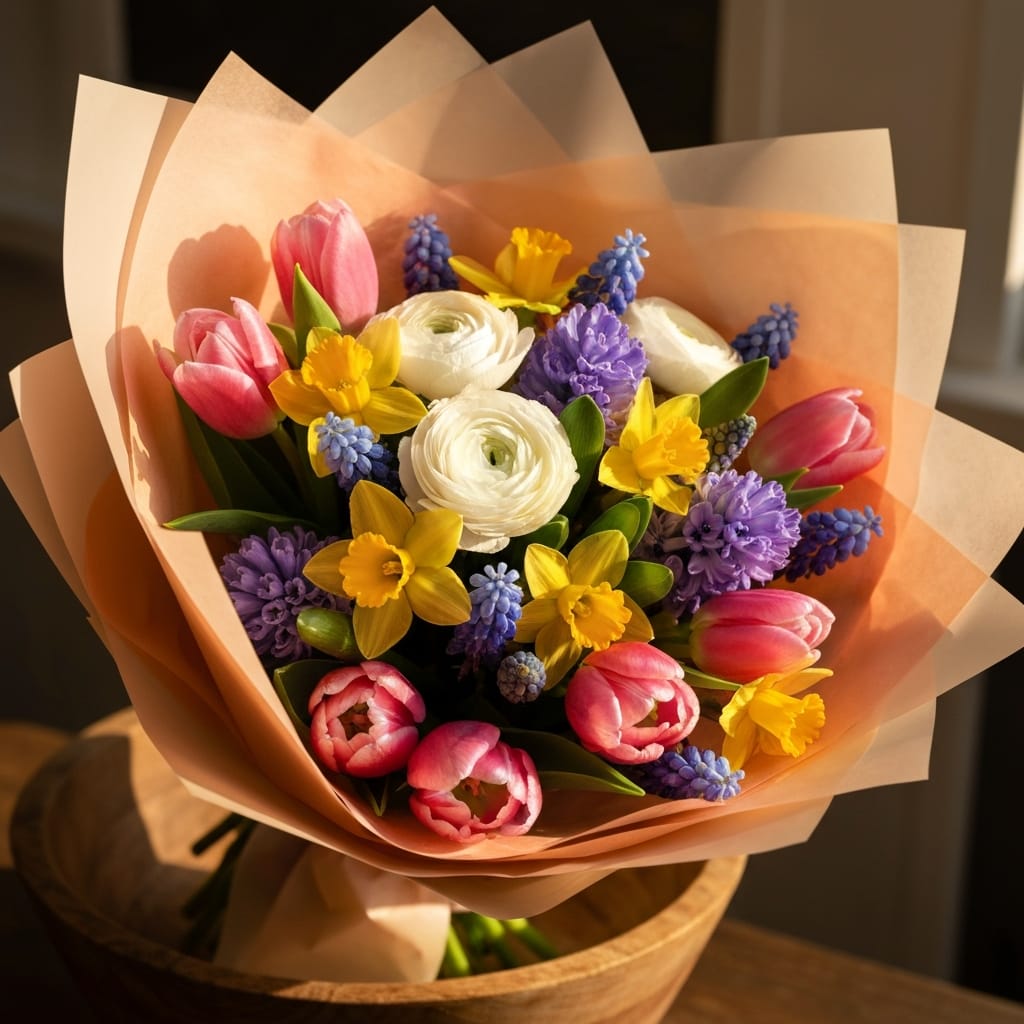
March is when the US flower market finally starts to wake up. In warmer USDA zones like 8 and 9, you’ll start seeing the first local harvests. This is the prime time for bulb flowers like daffodils, muscari, and hyacinths. They bring a beautiful, fragrant "just-picked" vibe to your wedding. If you're in a colder climate, you might still be relying on imports, but the quality of spring imports is generally much higher than the winter stuff. I love using March to experiment with monochromatic color palettes think all-white or soft yellow designs that celebrate the arrival of the new season.
4. April: The Peony Preview
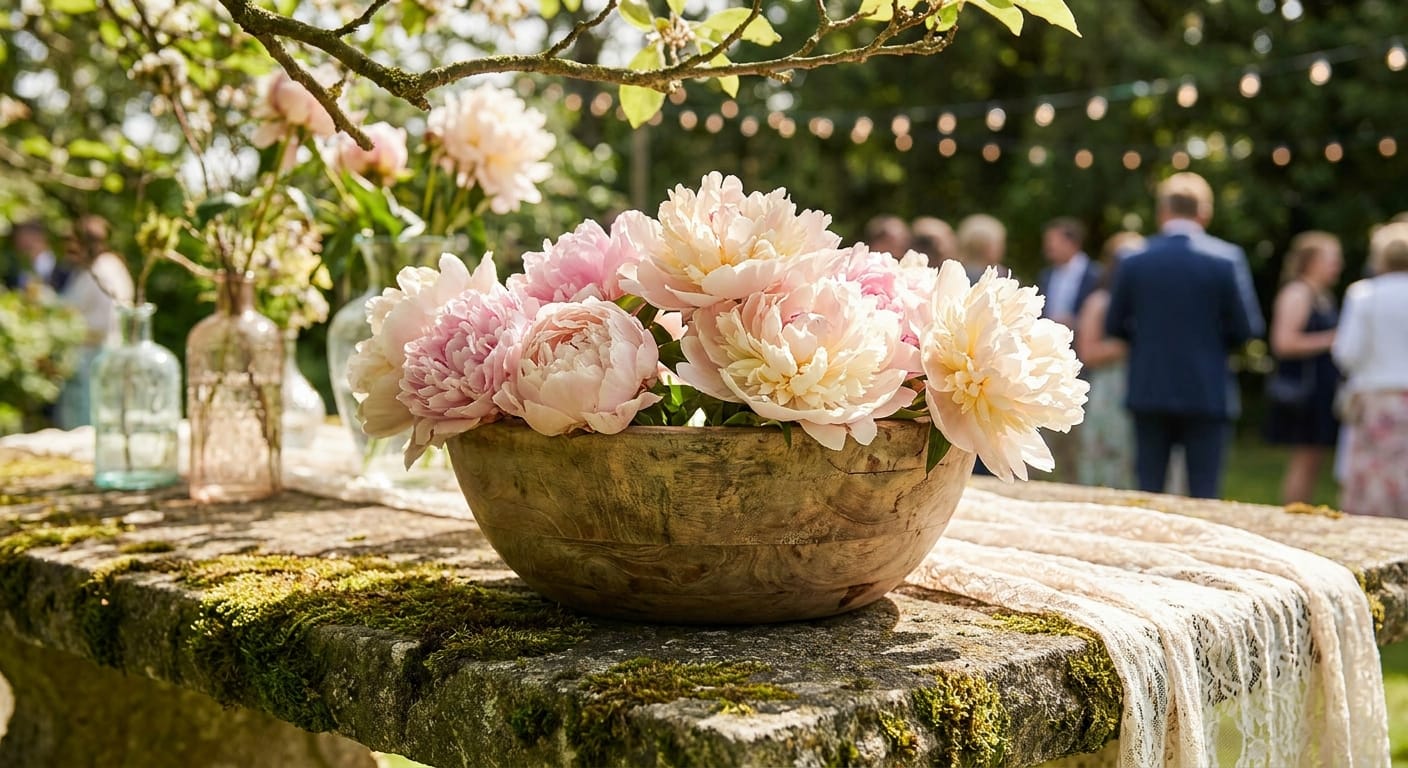
April is a transition month. You’ll start to see early peonies popping up, especially from California growers. These are the "it" flower for a reason, but be careful early season peonies can be small and expensive. If you want that massive, fluffy peony look without the massive price tag, mix them with lilacs and viburnum. The combination of textures is incredible. April weather can be unpredictable (hello, rain), so if you're planning an outdoor ceremony, make sure your florist knows to use flowers that can handle a bit of humidity or temperature fluctuation.
5. May: Lush and Romantic
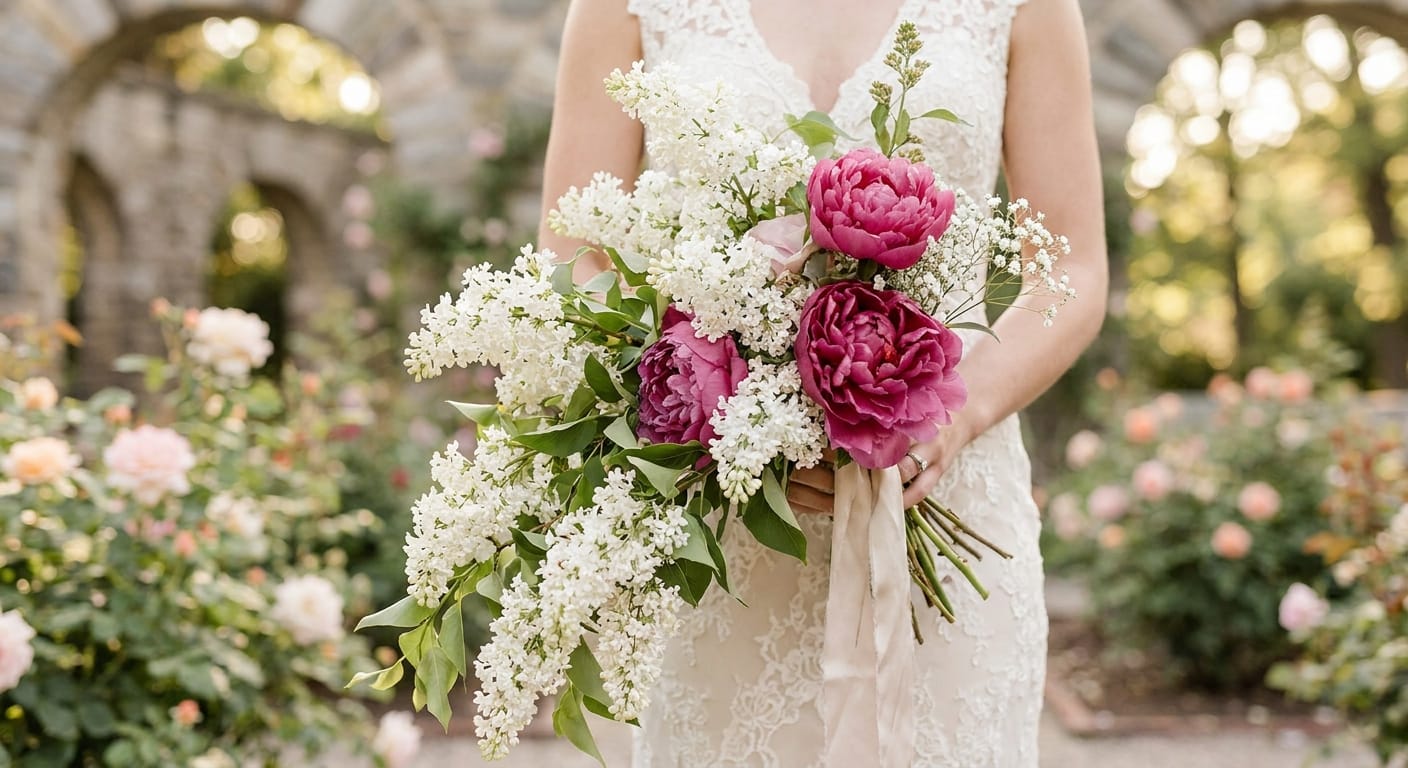
May is arguably the best month for floral variety in the US. The fields are full, the greenhouse production is peaking, and you have access to almost everything. This is prime peony season, along with lily of the valley, sweet peas, and stock. If you’re a bride who wants a lush, romantic, "English garden" look, May is your month. Because supply is high, you can often get more bang for your buck. My advice? Don't overcomplicate your design. Let the natural beauty of these seasonal blooms shine without too much structural filler.
6. June: The Start of Summer
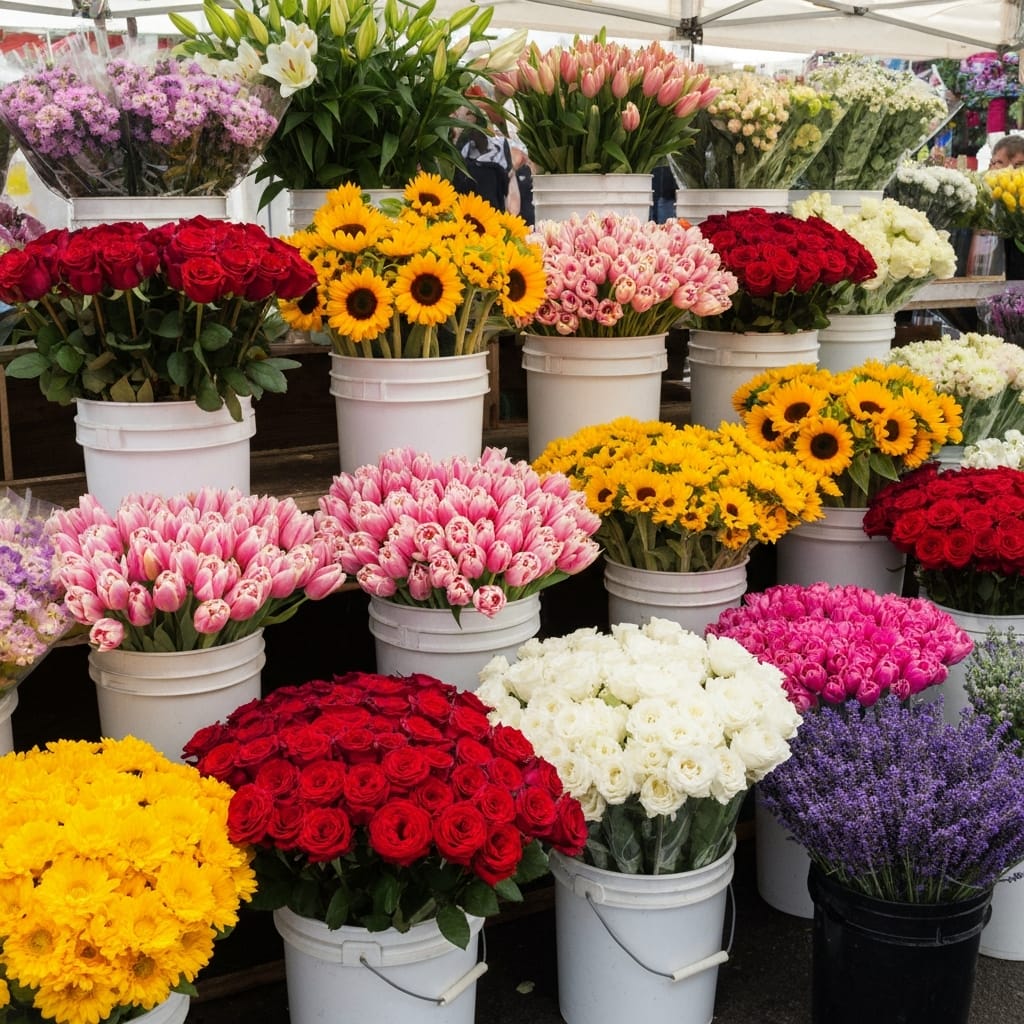
As we head into June, the focus shifts to taller, more dramatic blooms. Delphinium, hydrangeas, and snapdragons are the stars of the show. These are perfect if you’re planning a large-scale wedding with tall centerpieces. One thing to watch out for: heat. If your wedding is outdoors in the sun, hydrangeas are notorious for wilting if they don't have a constant water source. Always check with your florist about stem care and hydration techniques for your specific venue setup.
7. July: Wildflower Season
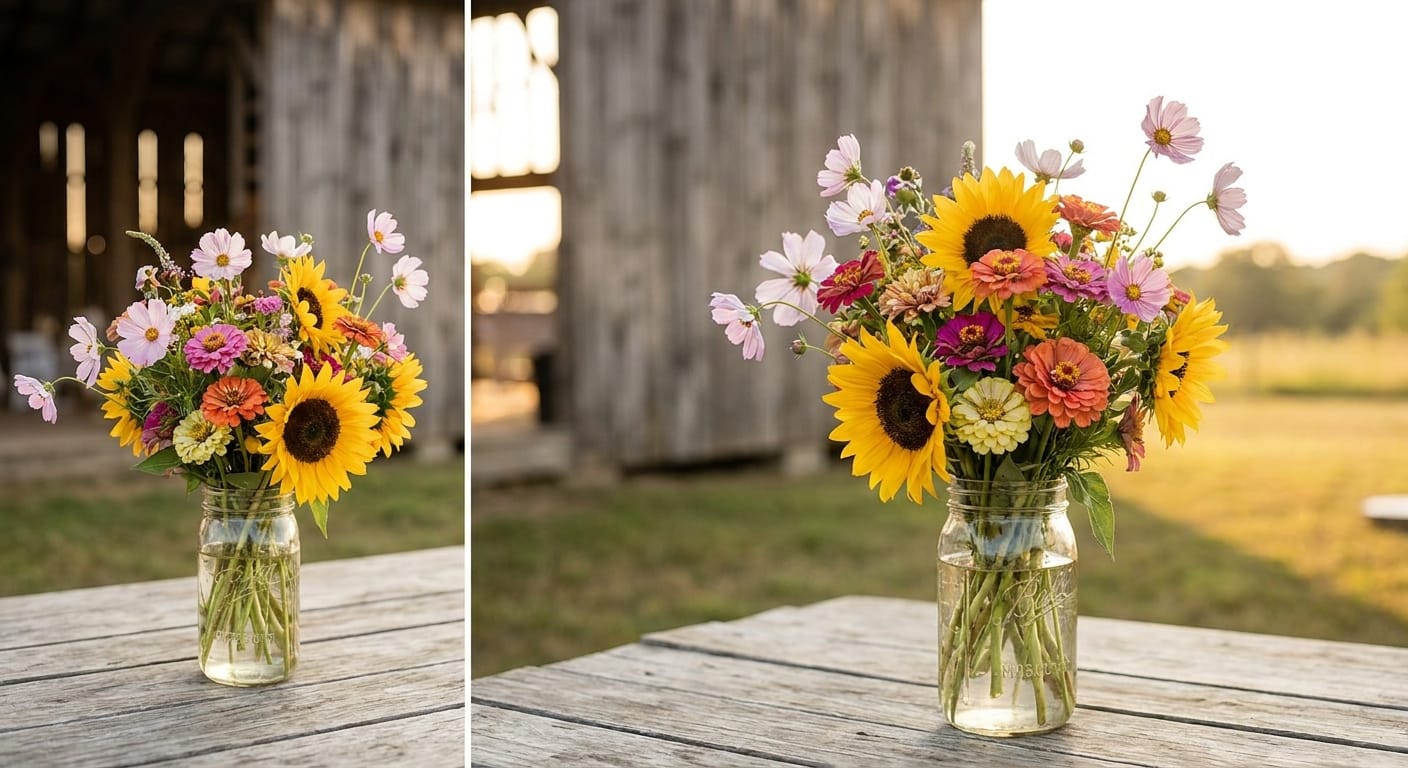
July is for the free-spirited bride. Local farms are bursting with zinnias, cosmos, sunflowers, and black-eyed Susans. These flowers are incredibly hearty and perfect for that relaxed, "just-foraged" look. They’re also very affordable since they grow so easily in the summer heat. If you’re planning a rustic or boho-themed wedding, July is the absolute best time to lean into local, field-grown flowers. They add a layer of personality and charm that you just can't get with imported, "perfect" flowers.
8. August: High Summer Heat
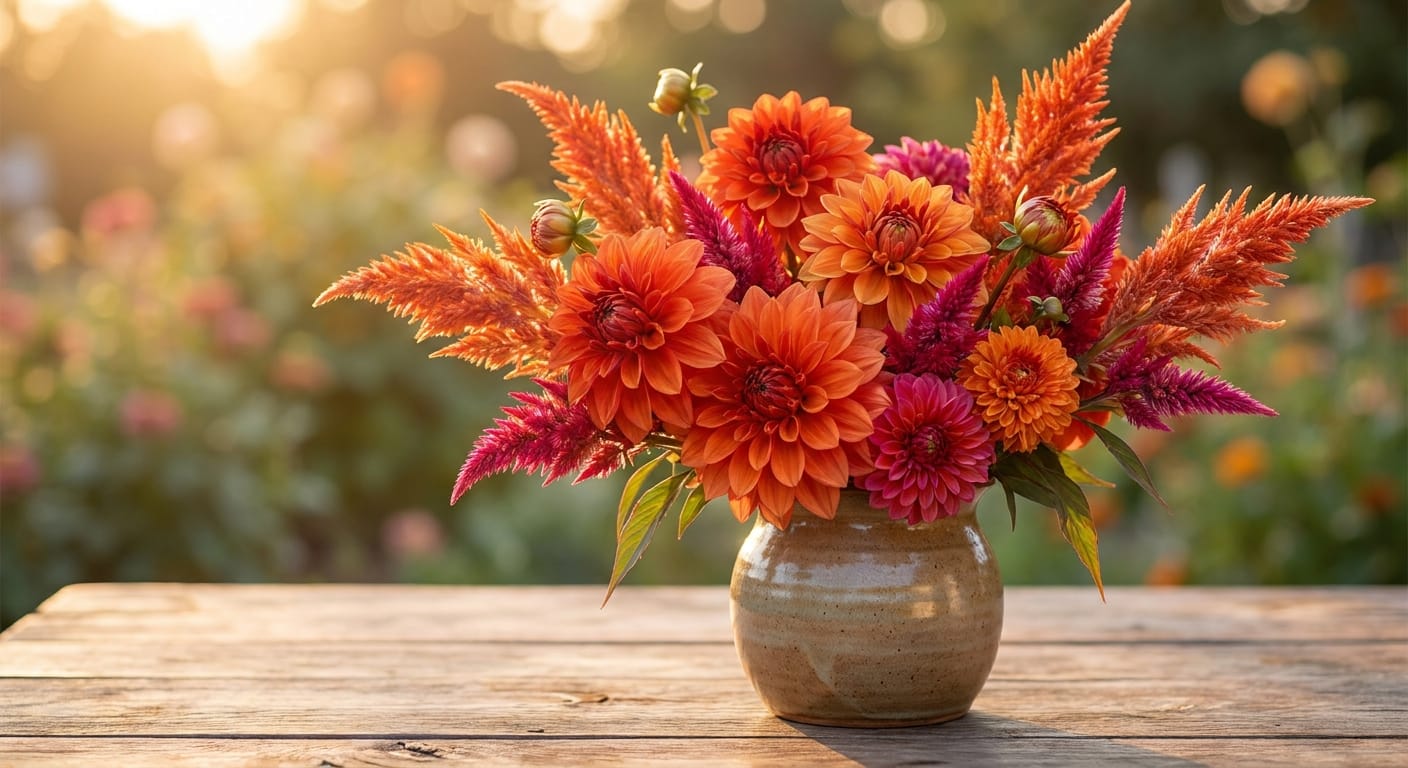
August is hot, and your flowers will feel it. This is the time for bold, heat-loving flowers like dahlias, celosia, and zinnias. Dahlias are the undisputed queens of late summer. They come in every color imaginable and have a sculptural quality that looks amazing in photos. Because of the heat, ensure your florist is using professional-grade floral foam or water tubes for any installations. Avoid delicate flowers like gardenias or sweet peas, which will likely brown in the August sun within an hour.
9. September: The Dahlia Peak
September is the "golden month" for florists. The weather starts to cool down, and the dahlias are at their absolute peak the blooms are huge, the colors are deep, and the stems are long. You’ll also see sedum, amaranthus, and ornamental grasses coming into the mix. This is a fantastic time for moody, rich color palettes. If you’re going for a sophisticated, high-fashion look, September is the perfect time to marry in the US.
10. October: Texture and Warmth
As we move into October, the focus shifts from bright, airy flowers to textures and earth tones. Dried elements, grasses, and late-season chrysanthemums are huge right now. I love mixing fresh flowers with dried textures it adds a depth that feels very current. It’s also the perfect time to incorporate unique foliage like olive branches or eucalyptus, which look stunning against the backdrop of fall colors. Don't be afraid to embrace the "withered" beauty of late-season blooms; it’s very editorial.
11. November: The Transition to Winter
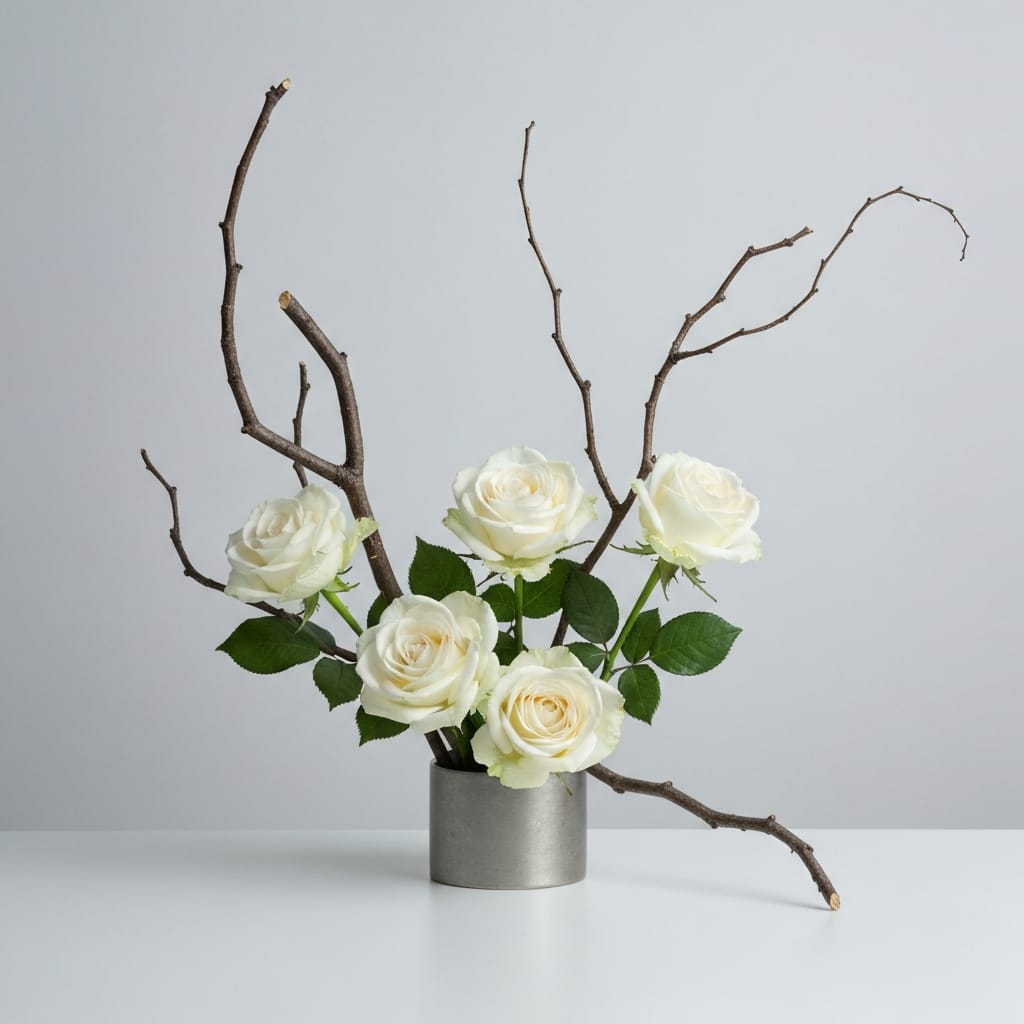
November can be a tricky month. The local fields are mostly done, and we’re waiting for the winter imports to ramp up. This is a great time to lean into evergreens, berries, and structural branches. If you want flowers, stick to hardier varieties like carnations (which are making a huge comeback!), roses, and orchids. Orchids are a fantastic, long-lasting option for November weddings that need a touch of luxury. They handle the cooler air well and provide a clean, modern look.
12. December: Winter Elegance
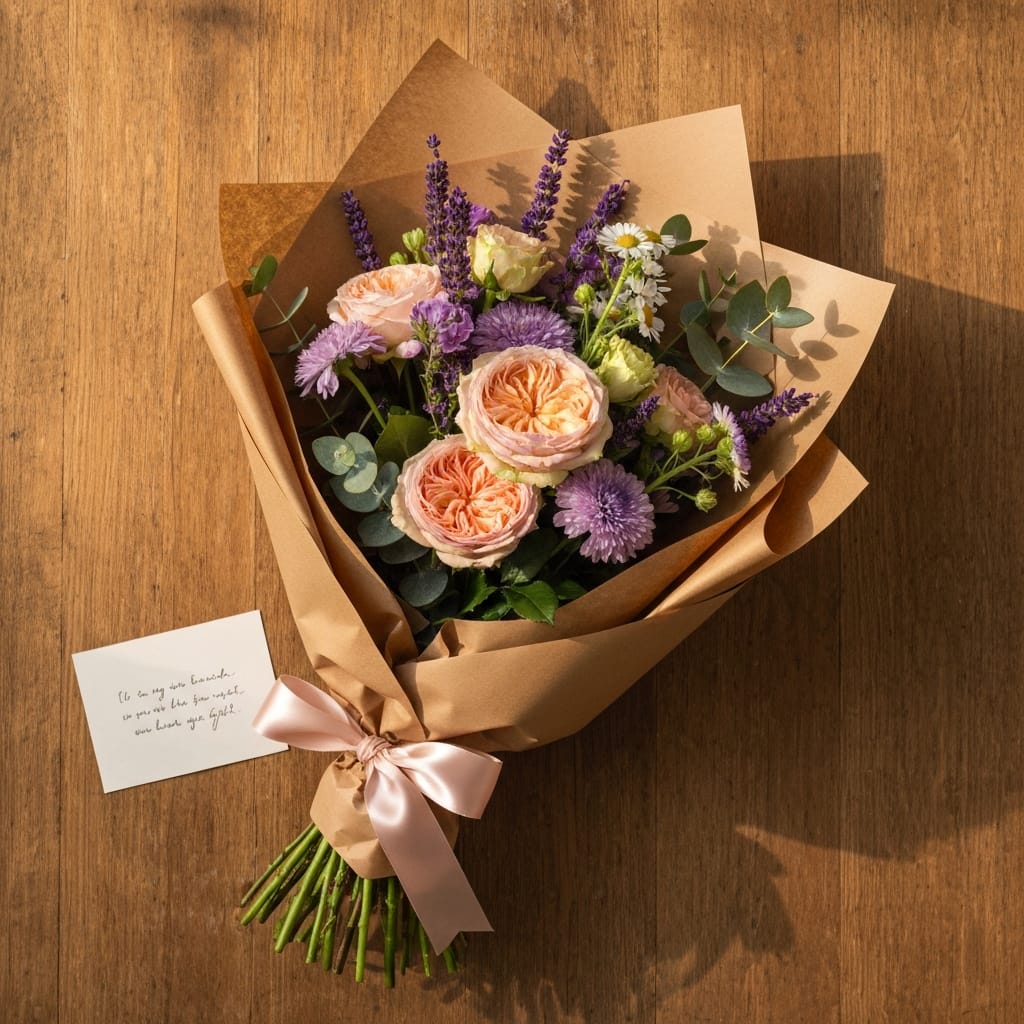
December is all about drama and nostalgia. Amaryllis, paperwhites, and holly are the quintessential December blooms. They feel festive without being "Christmas-y" if you style them right. Many couples choose to incorporate metallic accents or velvet ribbons to elevate their floral arrangements. Just remember: December is a busy time for the floral industry. Book your florist early, and be prepared for higher prices on certain stems due to the holiday demand. Keep your designs focused and high-impact to make the most of your budget.
Bottom line: the best wedding flowers are the ones that are in season, which ensures you get the freshest, most cost-effective blooms for your special day. Work closely with your florist to align your vision with what’s naturally available in your region, and you’ll end up with a stunning, stress-free floral display.