Choosing your wedding florals is more than just picking a color palette; it’s about setting the mood for your entire day. Whether you’re dreaming of a lush, garden-inspired ceremony in a USDA Zone 7 climate or a sleek, modern indoor reception, the medium you choose fresh, silk, or dried will dictate the entire vibe of your photography and your budget.
I’ve seen countless couples stress over these choices. The truth? There’s no "right" answer, only the one that fits your personality and your venue. Let’s pull back the curtain on what really happens when you choose one over the other, from how they hold up under the hot July sun to how they look in your wedding album five years down the road.
The Case for Fresh Flowers
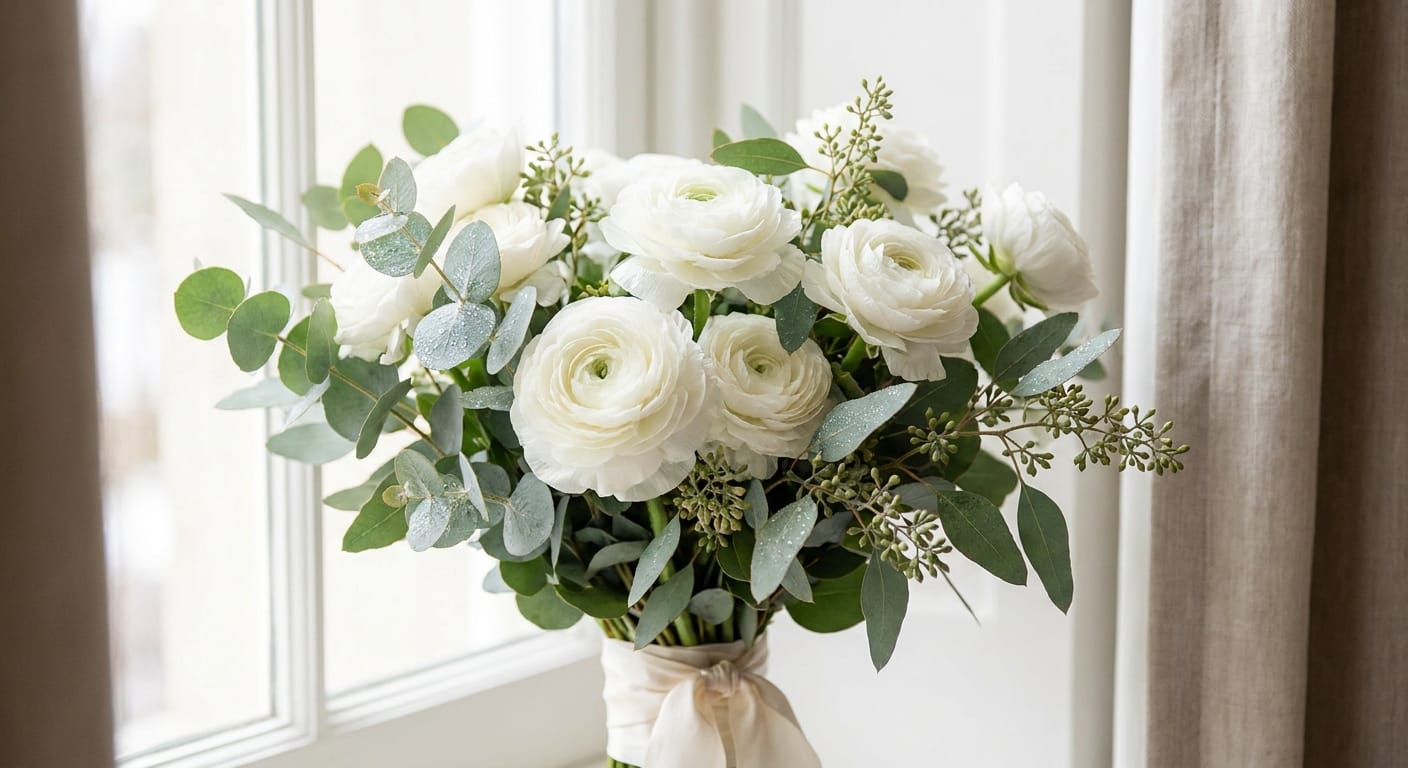
There is an undeniable energy to fresh flowers. When you walk into a venue filled with the scent of lilies or jasmine, it changes the atmosphere. Fresh flowers are the gold standard for a reason. They offer unmatched color vibrancy and that delicate, organic texture that silk just can't perfectly replicate. If you're hosting a spring wedding in the Pacific Northwest, fresh blooms are plentiful and relatively affordable.
However, fresh flowers are divas. They are temperature-sensitive. If you're planning an outdoor ceremony in a place like Palm Springs where temperatures can soar above 100°F, you need a florist who understands heat-tolerant varieties. You’re paying for a product that has a shelf life of about 24 to 48 hours in its prime. You don’t get to keep them, and that’s a hard pill to swallow for some. But for the sensory experience? Nothing beats them.
The Rise of High-End Silk Flowers
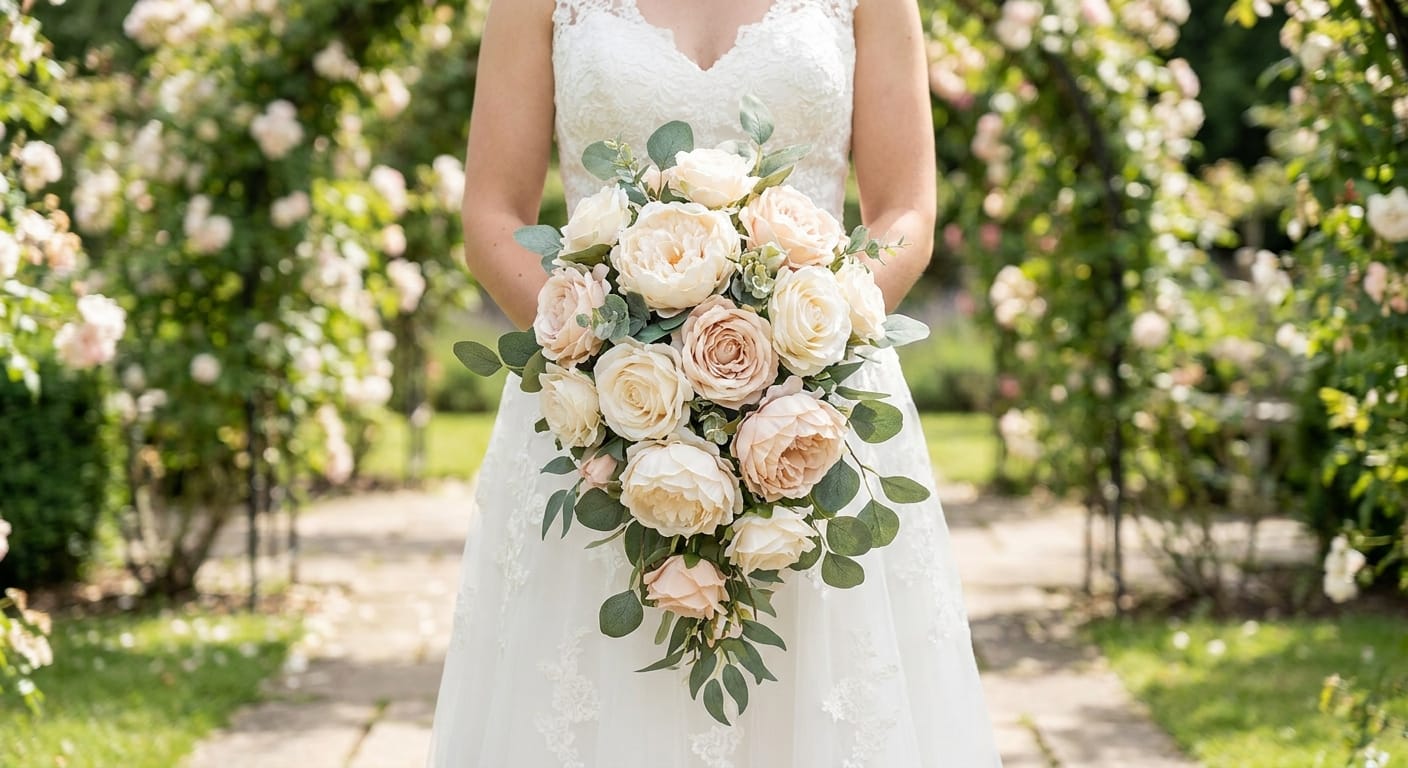
Let’s be real: the silk flowers of the 90s are dead. Today’s "real-touch" silk flowers are honestly mind-blowing. I’ve had guests at weddings try to smell the centerpieces, only to be shocked when they realized they were faux. The biggest pro? Total climate control. You can order your flowers six months in advance, assemble them yourself during a wine night, and never worry about them wilting in a humid Florida ballroom.
Cost-wise, high-end silks are an investment. They aren't necessarily cheaper than fresh flowers if you buy the high-quality stuff, but you can resell them on wedding marketplaces afterward or keep them as home decor. You’re essentially buying an asset rather than renting a fleeting moment. If you have severe floral allergies, this is your best friend.
Embracing the Dried Flower Trend
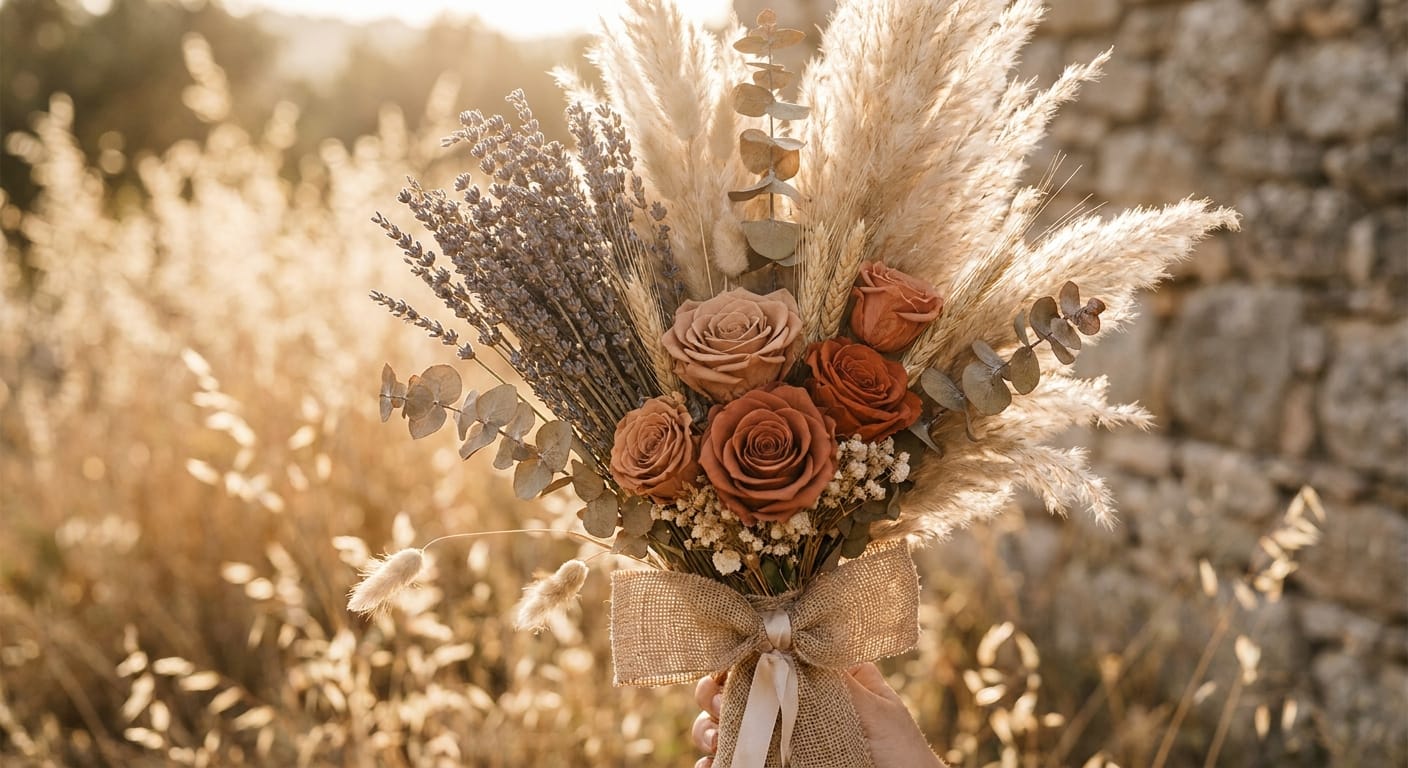
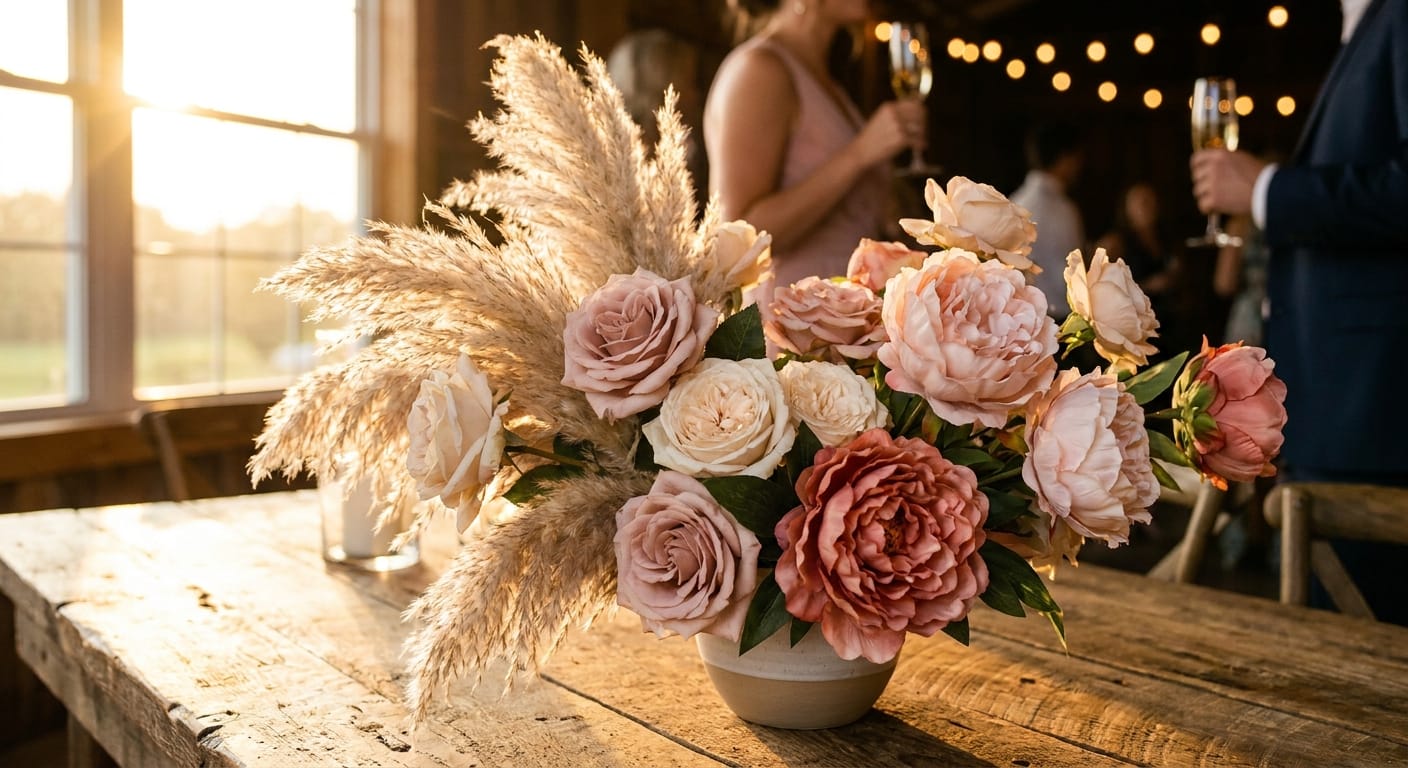
Dried flowers have moved from "boho-chic" to a sophisticated staple for modern weddings. They offer a unique, muted color palette that feels timeless and ethereal. Because they are already dried, they are incredibly lightweight and durable. You don't have to worry about water sources, stems snapping, or petals bruising during transport.
They are perfect for destination weddings or venues where you need to set up the day before. The downside? They can be brittle. You have to handle them with care, or you’ll end up with a mess of petals on the floor. Also, they don't have that "fresh" fragrance, so if you're set on a sensory experience, you might need to supplement with essential oil diffusers or scented candles at your reception tables.
Comparing Costs and Practicality
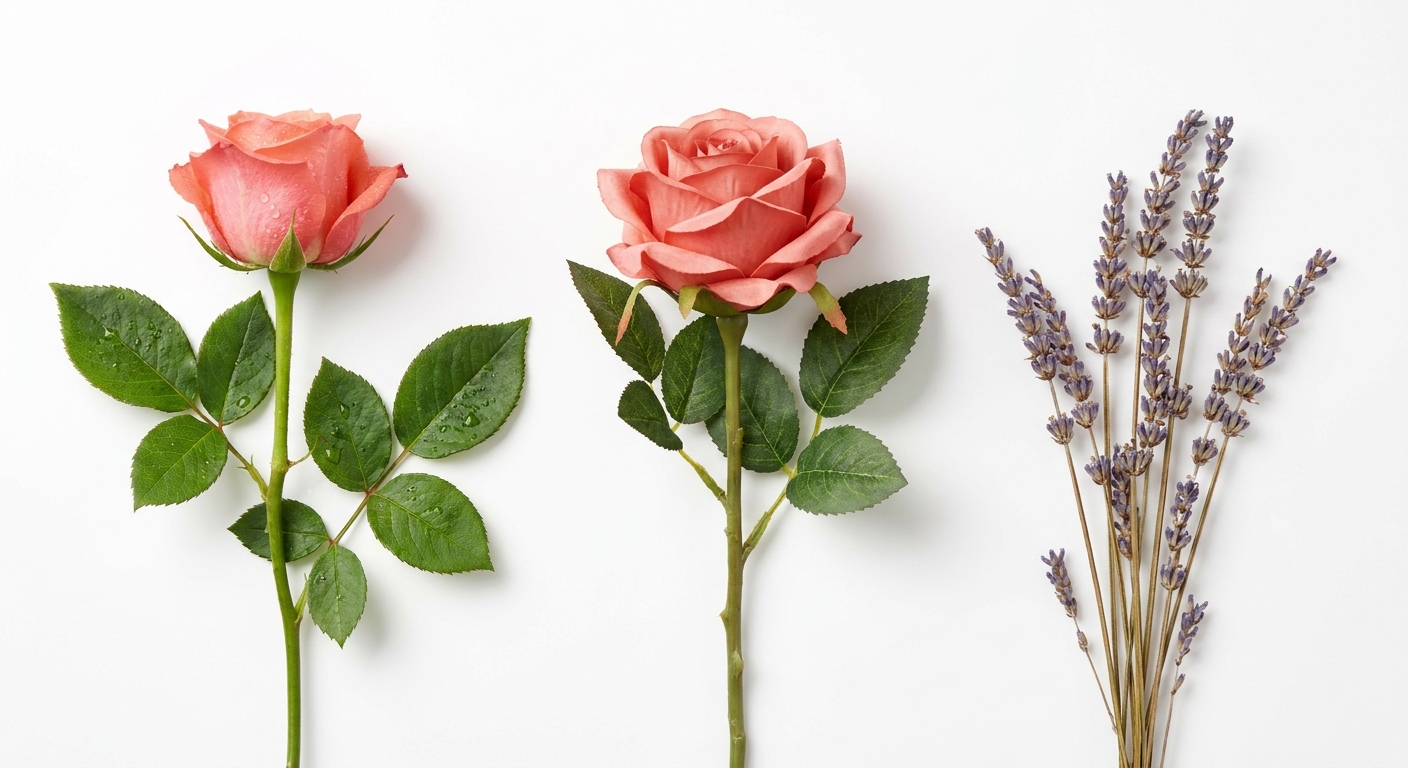
When we talk about the bottom line, it’s rarely as simple as "A is cheaper than B." Fresh flowers fluctuate based on seasonality getting peonies in December will cost you a fortune compared to buying them in May. Silk flowers offer a flat rate, which is great for budget planning, but you’re paying for the craftsmanship of the petal texture.
Consider the "hidden" costs. With fresh flowers, you are paying for the labor of a florist who has to process, hydrate, and arrange them at the last possible minute. With silk or dried, you can do much of the heavy lifting yourself, which saves on labor but costs you time. If you’re a busy professional, the convenience of hiring a pro to handle fresh, delicate blooms is often worth the premium. If you’re a DIY enthusiast, silk and dried provide the creative freedom to start your project months before the big day.
The bottom line: Fresh flowers provide an unmatched sensory experience, silk offers the ultimate reliability for extreme climates, and dried florals deliver a trendy, long-lasting aesthetic. Choose based on your venue's temperature, your desire for a keepsake, and how much "flower stress" you want to handle on your wedding morning.