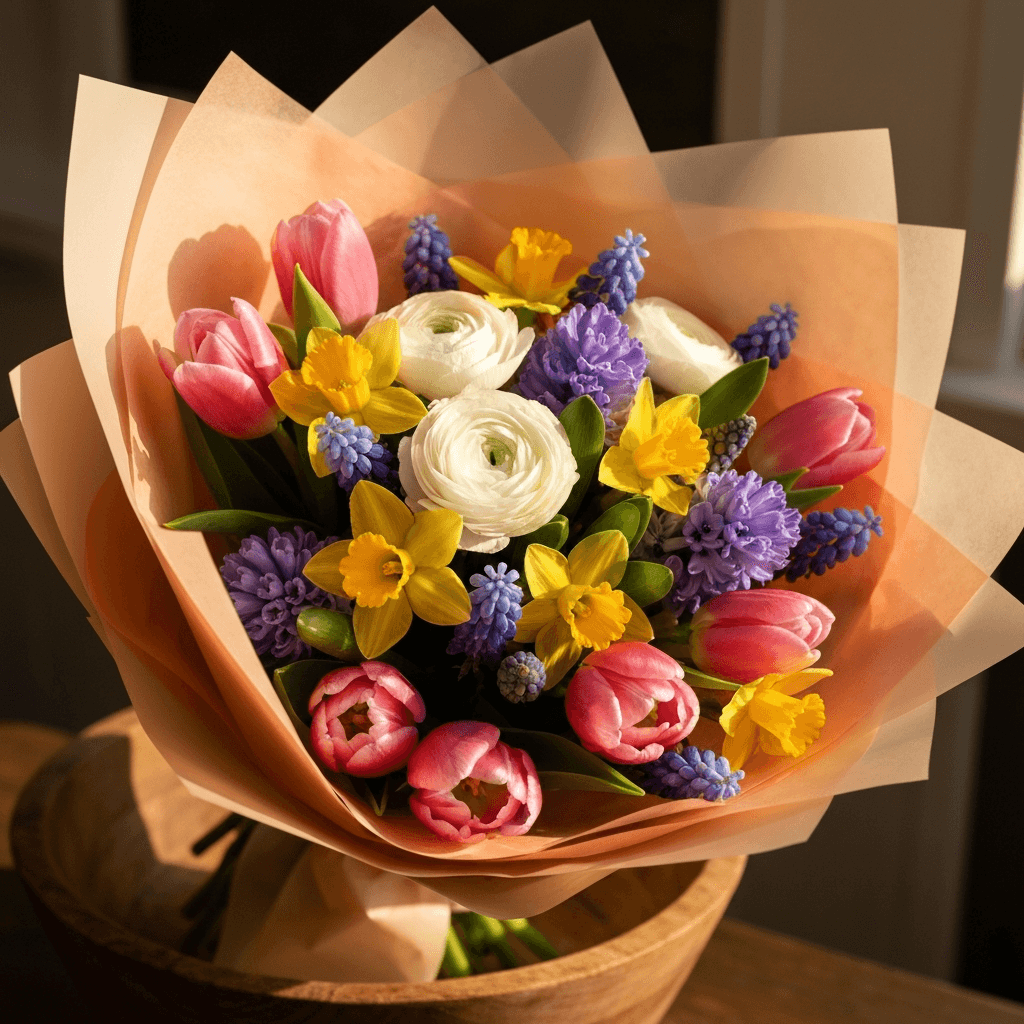
Let’s be real: your wedding floral budget can disappear faster than the open bar if you aren't careful. I see it all the time. Couples fall in love with a Pinterest photo of imported, out-of-season blooms and then get sticker shock when they see the shipping costs. The secret to a breathtaking wedding that doesn't break the bank? Work with the seasons. When you choose flowers that are currently growing in your region, you’re getting the freshest product at the best price point.
Think about it a tulip in April is a happy, sturdy, affordable bloom. A tulip in October? That’s a delicate, imported diva that costs double and might wilt before you even reach the altar. Whether you’re planning a rustic barn wedding in Vermont or a chic rooftop ceremony in Miami, understanding the natural rhythm of the US growing season is your best tool for success.
Spring: The Season of Renewal
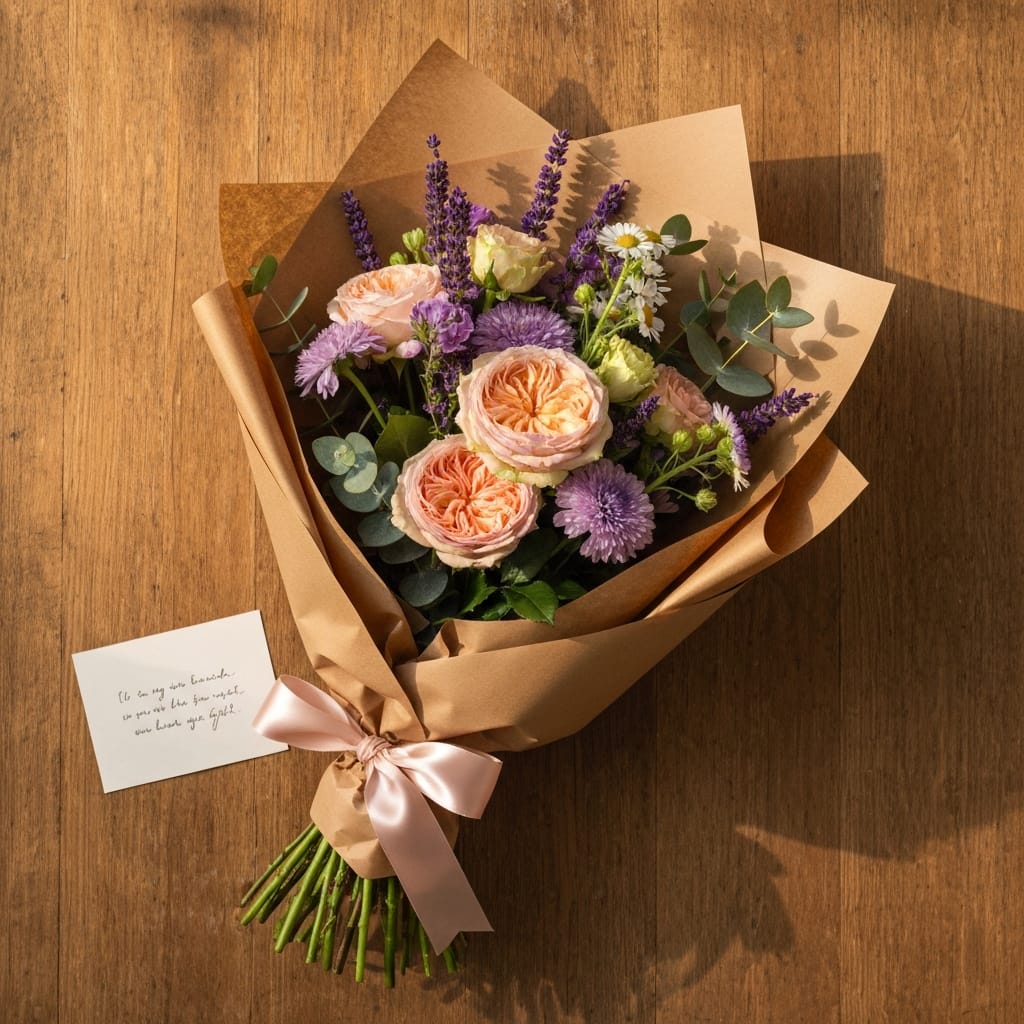
Spring is arguably the most romantic time to get married. From March through May, the market is flooded with soft, delicate textures that you just can't get any other time of year. If you’re dreaming of a garden-inspired aesthetic, this is your moment. Peonies are the absolute queen of spring, but they are notoriously finicky. In the US, they typically peak in late May and June. If you’re getting married in early April, you might be looking at imports from the Southern Hemisphere, which is why your florist might suggest ranunculus or anemones instead.
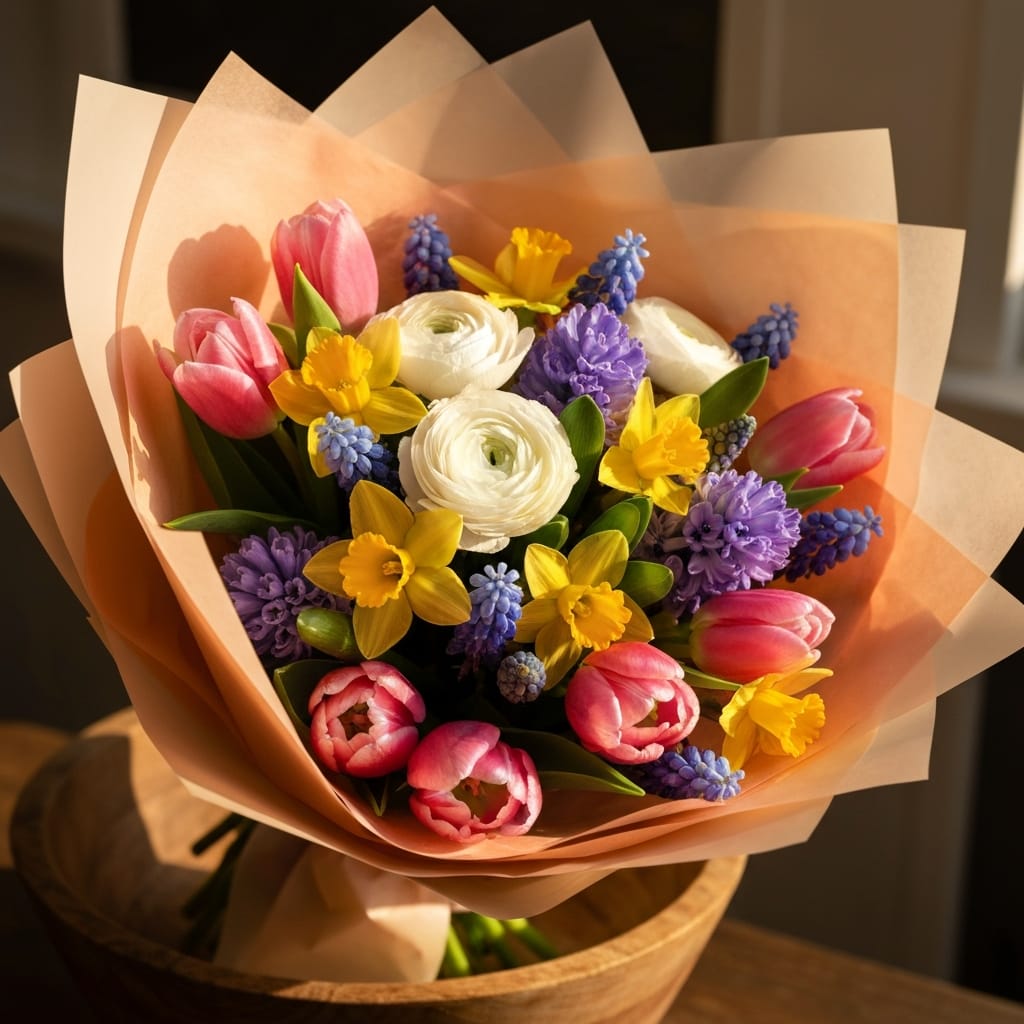
These cooler months with temperatures averaging 50°F to 70°F mean your flowers won't struggle with heat stress. You can get away with more delicate varieties like sweet peas, which have a heavenly scent but tend to faint the second the thermometer hits 80°F. If you're in the Pacific Northwest, you’re in luck; spring bulbs like tulips and daffodils are incredibly accessible and affordable here.
Summer: Bold, Wild, and Resilient
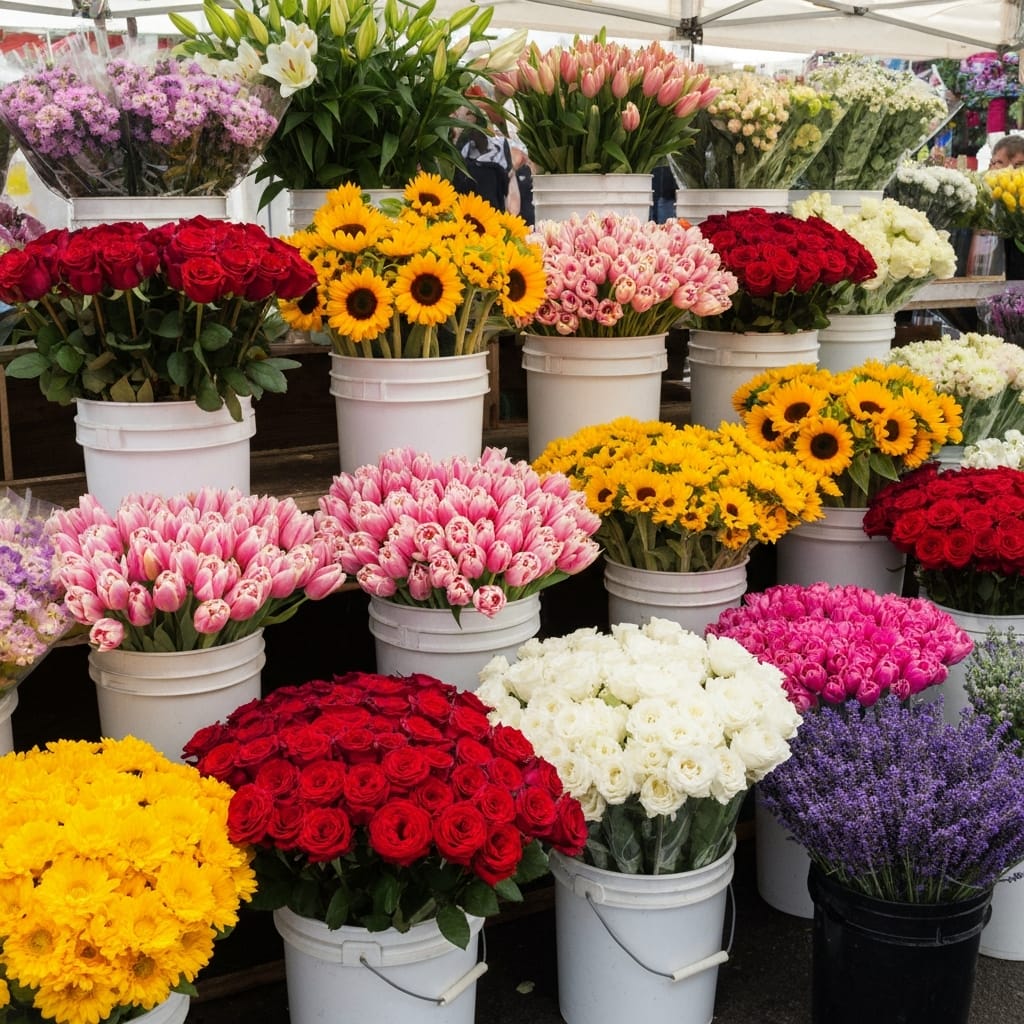
Once the heat kicks in, the floral game changes. We’re talking June through August, where the sun is high and the flowers need to be tough. If you’re marrying in the South, you need blooms that can handle 90°F humidity. Dahlias are the undisputed star of summer. They come in every shape and color imaginable, from dinner-plate sizes to cute pom-poms. They’re sturdy, dramatic, and look incredible in large-scale installations.
This is also the season for wildflowers. Zinnias, cosmos, and sunflowers are at their peak and are generally very cost-effective since they can be sourced from local American farms. Avoid the temptation to force delicate spring flowers like lily-of-the-valley during a mid-July heatwave; they will turn brown before your cocktail hour even starts. Stick to woody-stemmed flowers and hearty, sun-loving varieties that thrive in the heat.
Fall: Texture, Depth, and Earthy Tones
Fall weddings September through November are all about texture. The color palette shifts from the bright, punchy colors of summer to deep, moody, and earthy tones. This is when I love using chrysanthemums and amaranth. Don't let the "grocery store flower" stigma fool you; there are heirloom varieties of mums that are absolutely stunning, with ruffled petals that look like antique silk.
Don’t forget the foliage. Fall gives us access to beautiful branches, changing leaves, and dried elements. Using dried grasses, pampas, or even locally harvested seed pods adds a layer of sophistication that feels very "now." Because the temperatures are dropping (usually between 45°F and 65°F), you have much more freedom with your flower choices. You can even use delicate blooms that would have perished in the summer sun, as the cooler air keeps them hydrated and perky throughout the day.
Winter: Elegant, Crisp, and Sophisticated
Winter weddings (December through February) often get a bad rap for being "expensive" because so much has to be imported. But if you lean into the season, it can be incredibly chic. Think Amaryllis and Paperwhites. These flowers have a clean, architectural beauty that fits perfectly with a formal, black-tie event. They are tall, elegant, and make a massive statement without needing a ton of filler.
If you’re in a colder region, embrace the local evergreens. Using noble fir, cedar, or silver-tipped pine adds a beautiful, fresh scent to your venue and drastically cuts down on the need for expensive imported greenery. If you’re in a warmer climate like Southern California, you might even have access to winter-blooming protea, which is a fantastic way to add a unique, modern touch to your arrangements. The key here is to prioritize quality over quantity. A few perfect, high-impact stems are always better than a sad, wilted mess of flowers that were never meant to be there in the first place.
The Bottom Line
At the end of the day, your wedding flowers should reflect the season you’re getting married in. By working with your florist to select what’s naturally blooming in your region, you’ll save money, support local growers, and ensure your wedding day looks effortlessly beautiful. Trust your florist’s expertise if they tell you a specific bloom is out of season, listen to them, and you'll end up with a much better result.

