If you’re planning your big day for 2026, you’ve probably realized that the floral landscape is shifting fast. Gone are the days of the perfectly round, uniform rose ball. We’re moving toward something more intentional, more architectural, and frankly, a lot more interesting. As a florist, I’ve seen the industry pivot from the mass-produced looks of the early 2020s to a desire for bespoke floral artistry that feels like an extension of the couple's own personality.
Whether you’re getting married in the humid heat of a Florida summer or a crisp autumn day in the Pacific Northwest, your flowers need to stand up to the climate while making a statement. We’re seeing a massive move away from "filler" greens and toward sculptural, mono-floral statements that command attention. Let’s look at what’s defining the 2026 wedding season.
1. The Delphinium Renaissance
Consider the delphinium your new best friend. It’s officially the 2026 Flower of the Year, and for good reason. These tall, stately spikes bring an incredible verticality to wedding installations that smaller flowers just can't touch. In my studio, we’re using them to create "living" ceremony backdrops that look like they grew right out of the floor. They come in every shade of blue imaginable, from pale, icy periwinkle to deep, moody navy. Pro tip: Because they are thirsty, make sure your florist is using professional-grade hydrating agents. If you're marrying in a high USDA zone, like Zone 9 or 10, keep these guys in the shade until the very last second.
2. Dried Florals 2.0
Remember the "dried flower craze" of a few years ago? It was all pampas grass and messy bouquets. Well, it’s back, but it’s had a total glow-up. In 2026, we’re seeing dried elements used with extreme precision. Think sculptural, bleached elements or preserved stems that add a structural, architectural edge to fresh arrangements. It’s not about looking rustic anymore; it’s about looking like an art installation. Use them to bridge the gap between fresh flowers and the rest of your decor. They’re perfect for late-season weddings where fresh blooms might be harder to source locally.
3. The Shift to Muted Plum and Dusty Blue
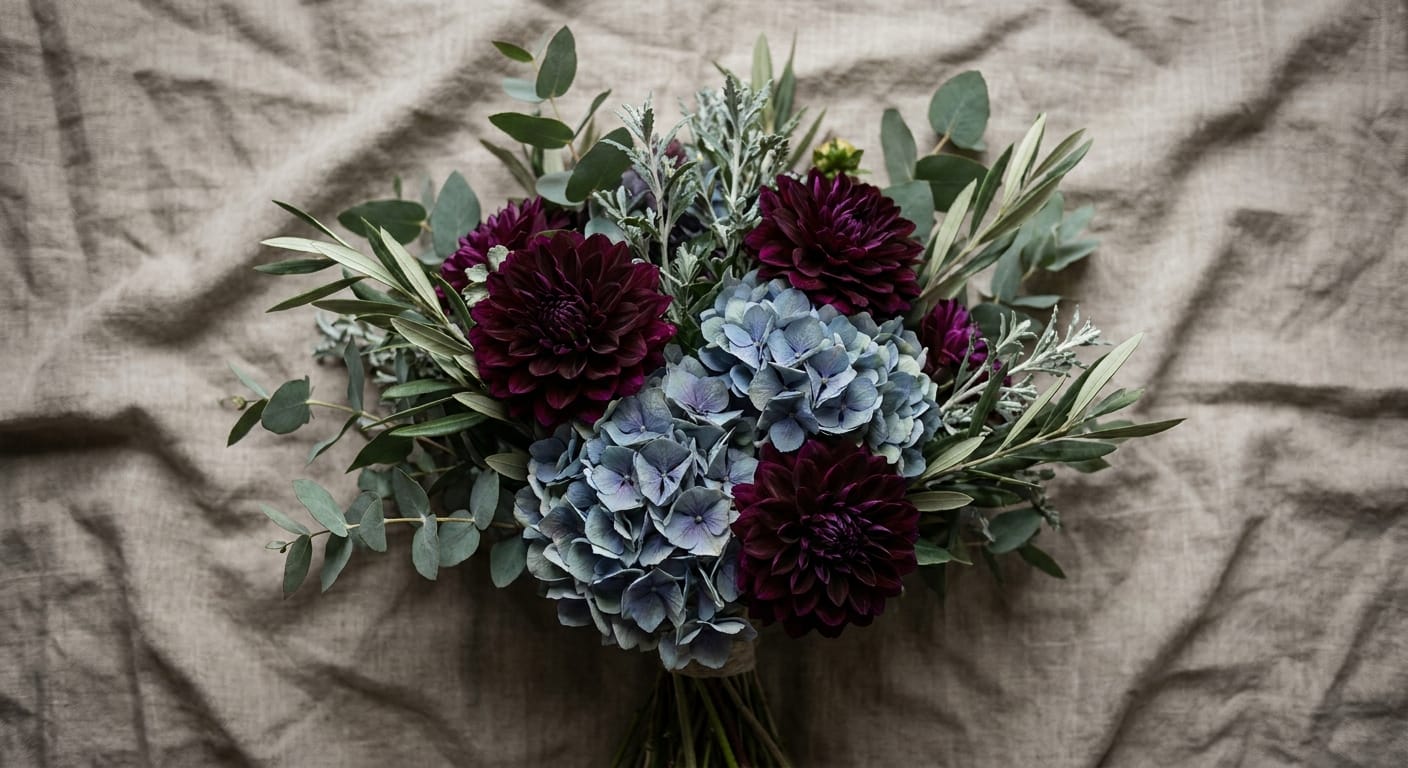
We are officially retiring the neon brights. The 2026 color palette is all about muted, sophisticated tones. Think of a dusty blue not the bright "baby blue" of the past paired with a deep, velvety plum. It’s moody, it’s romantic, and it photographs like a dream. This palette works beautifully in historic venues or modern, industrial spaces. If you’re in a cooler climate, the plum adds a layer of warmth that keeps the blue from feeling too cold. It’s a color story that feels expensive without trying too hard.
4. Mono-Floral Minimalism
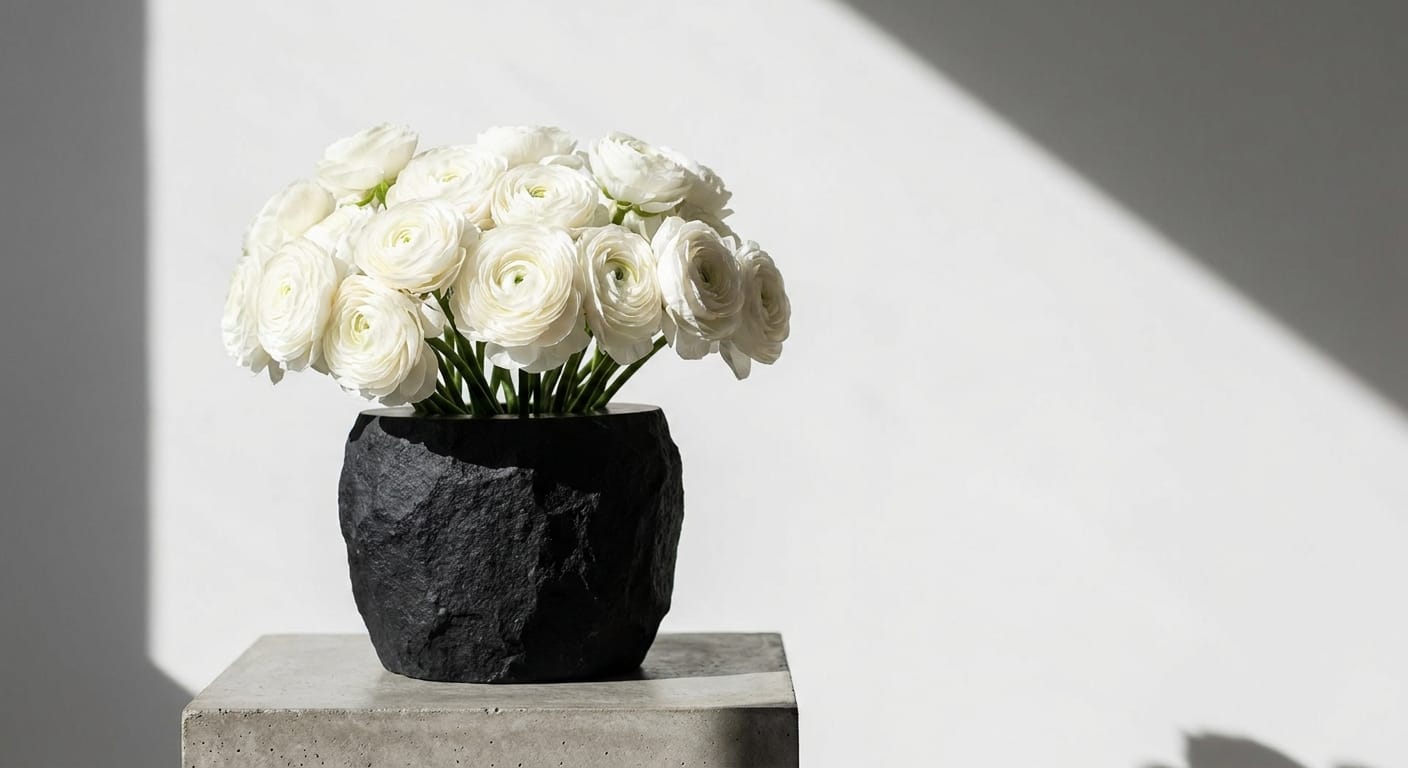
There is a massive trend toward using just one type of flower for an entire installation. It’s the ultimate "quiet luxury" move. Imagine an entire ceremony arch covered in nothing but white ranunculus or a reception table lined with dozens of small, clear bud vases each holding a single, perfect stem of a specific lily. Mono-floral designs are incredibly impactful because they force the eye to focus on the texture and form of the bloom itself. It’s cleaner, it’s modern, and it cuts down on the visual "noise" that can make a wedding reception feel cluttered.
5. Sculptural and Deconstructed Arrangements
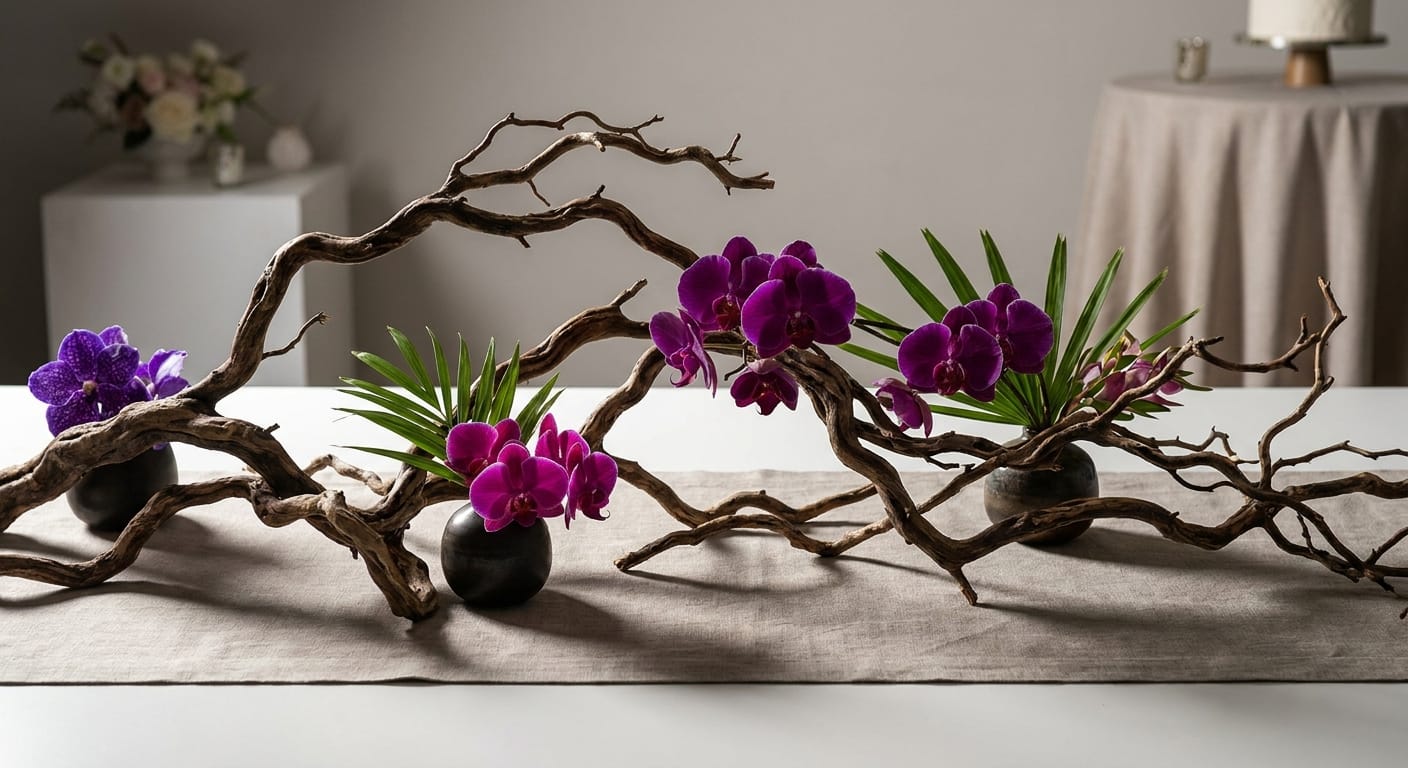
If you want your wedding to look like it belongs in a design magazine, this is the path to take. We’re moving away from the "round bouquet" and toward asymmetrical, deconstructed shapes that use negative space as a design element. We’re incorporating branches, twisted willow, or even non-floral elements like structural metal or glass. This isn't for the traditionalist it’s for the couple who wants their flowers to be a conversation piece. It requires a florist with a real eye for composition, so check their portfolio on MyCareerly to ensure they’ve done this kind of high-concept work before.
What’s Officially Out in 2026
It’s important to talk about what we’re leaving behind. First, the "over-stuffed" floral arch that blocks the view is officially out. We want to see the scenery! Secondly, the "boho-pampas-overload" is done if your wedding looks like a festival from 2019, it’s time to rethink. Finally, we’re seeing a decline in the "matchy-matchy" bridesmaid bouquets. We’re moving toward individual, smaller arrangements that reflect the personality of the person holding them.
How to Choose the Right Florist
When interviewing florists, don’t just look at their Instagram. Ask them about their sourcing. Can they get you local, seasonal blooms that fit these trends? A great florist will be able to tell you exactly which farms they work with. If you’re in the US, look for florists who are part of the "slow flower" movement. They’ll have the best access to the unique, high-end delphiniums and textured dried goods that are defining 2026. Use the search tools on MyCareerly to narrow down by location, and always always ask to see a full gallery of a wedding they’ve done recently, not just the "best of" shots.
The bottom line is this: 2026 is the year of intentional, artistic floral choices. Don’t be afraid to pull back, pick a dramatic color palette, and let the flowers speak for themselves.