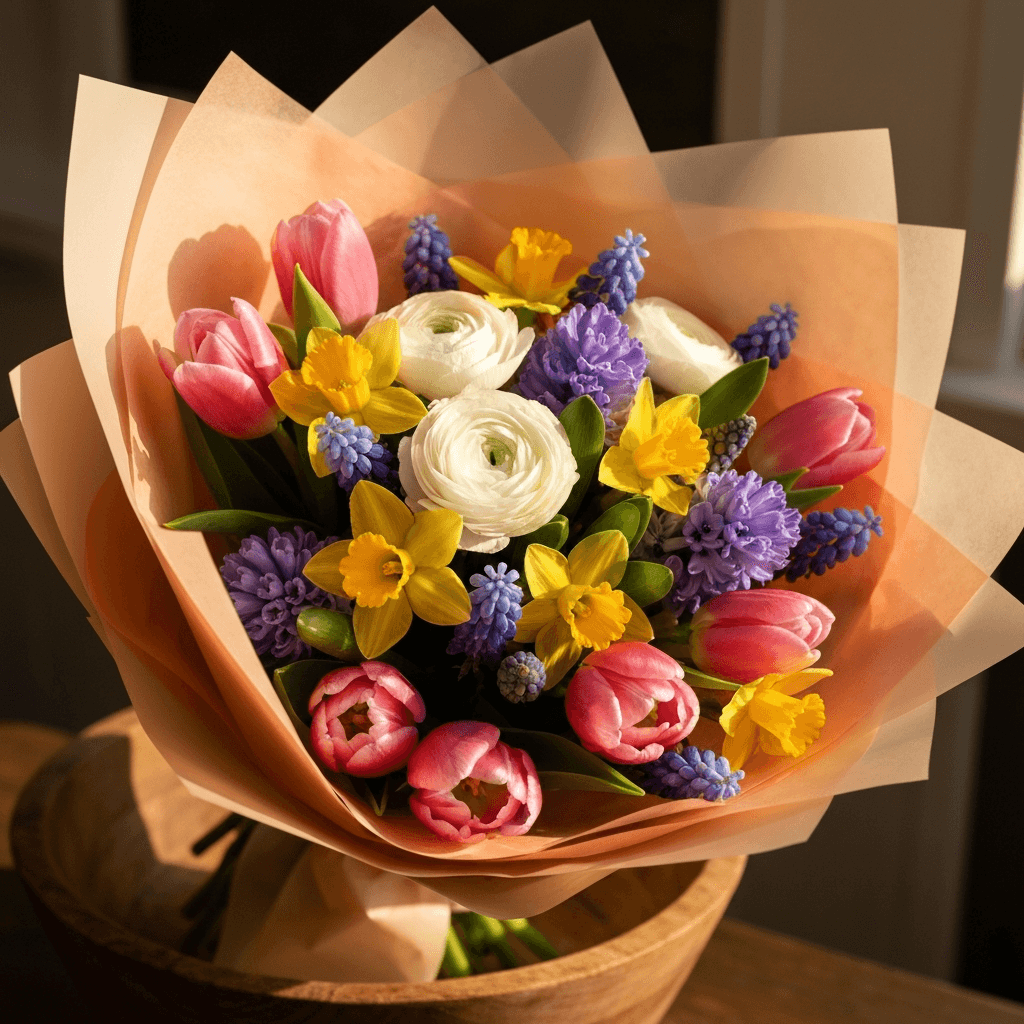
A wedding is one of life's most beautiful milestones, and flowers are at the heart of every detail. The blooms you choose shape the entire visual identity of your wedding, from the ceremony arch that frames your vows to the intimate centrepieces your guests admire over dinner. In 2026, couples across the United States are making more intentional floral choices than ever, balancing aesthetics, budget, sustainability, and personal meaning.
This complete guide covers every element of wedding floristry: ceremony flowers, bridal bouquets, centrepieces, boutonnières, and the 2026 trends reshaping the industry. Whether you're planning a grand ballroom affair or an intimate garden wedding for 30, this guide will help you communicate clearly with your florist and make choices you'll love in your photos for decades.
Understanding Wedding Flower Categories
Before diving into specific flowers, it helps to understand the different floral elements that make up a typical wedding:
Ceremony flowers: Altar arrangements, aisle markers, ceremony arch or chuppah florals, pew decorations.
Bridal party flowers: Bridal bouquet, bridesmaid bouquets, flower girl petals or small arrangements.
Boutonnières: For the groom, groomsmen, fathers, and sometimes mothers.
Reception centrepieces: Table arrangements, either low and lush or tall and architectural.
Additional elements: Cake flowers, welcome table arrangements, cocktail hour arrangements, escort card table florals.
When you meet your florist, have a clear list of which of these elements you need. Many couples underestimate the scope of their floral needs, and therefore their budget, by only thinking about the bridal bouquet and centrepieces.
The Most Popular Wedding Flowers in 2026
Garden Roses
Garden roses (including David Austin varieties) are the undisputed favourite for wedding floristry in 2026. Their large, layered blooms in blush, cream, ivory, champagne, and soft pink photograph beautifully under both natural and artificial light. They carry a distinctively romantic fragrance and a lushness that makes every arrangement feel abundant.
The most popular garden rose varieties for weddings include: Juliet (warm peach/apricot), Patience (soft blush), Miranda (deep pink), and White O'Hara (cream-white). Ask your florist specifically for garden roses rather than standard commercial roses. The visual difference is dramatic.
Peonies
Peonies are the ultimate wedding flower for couples who want unabashed romance. Their enormous, layered blooms in shades of blush, magenta, cream, and coral create a sense of opulence that no other flower matches. They're also delightfully fragrant, filling a reception venue with a sweet, sophisticated scent.
The critical detail with peonies: they have a brief season (late April through June depending on the region). If your wedding falls within this window, prioritise them. If not, garden roses are the best alternative for achieving a similar aesthetic.
Ranunculus
Ranunculus are the florist's secret weapon for wedding arrangements. With up to 150 paper-thin petals per bloom, they have a depth and intricacy that photographs extraordinarily well. Available from February through May, they peak in spring, making them ideal for spring weddings. They pair beautifully with garden roses and peonies.
Hydrangeas
Hydrangeas offer unparalleled volume at a relatively affordable price point. A single stem of full hydrangea can fill the equivalent space of five roses in an arrangement. In blush, cream, dusty blue, and soft green, they create a lush, full aesthetic. For large reception centrepieces on a budget, hydrangeas as a base flower are the professional florist's go-to recommendation.
Designing Your Bridal Bouquet
The bridal bouquet is the most photographed element of a wedding. It should complement your dress shape, your wedding palette, and your personal style. Here's how to think about it:
Round/dome bouquet: The classic. Works with any dress style. Built with a mix of focal flowers, secondary blooms, and greenery gathered into a dense, rounded form. Ideal for garden roses, peonies, and ranunculus.
Cascading/trailing bouquet: A structured arrangement that flows downward, with stems and blooms trailing from a gathered handle. Dramatic and photogenic. Works beautifully with calla lilies, orchids, and hanging amaranthus.
Wildflower/meadow bouquet: A loose, unstructured gathering of mixed flowers and grasses that looks as though it was just picked from a garden. Trending strongly for outdoor, bohemian, and garden weddings. Uses anemones, sweet peas, ranunculus, cosmos, and an abundance of greenery.
For 2026, the most requested bridal bouquet styles are loose garden-style rounds (garden roses + peonies + ranunculus + trailing greenery) and wildflower meadow styles with anemones, sweet peas, and mixed seasonal blooms.
Ceremony Flowers That Create Impact
A floral arch or pergola installation is the most impactful ceremony floristry investment. It creates an extraordinary backdrop for your vows and produces the most memorable wedding photos. In 2026, the most popular arch styles are:
Asymmetric garden arch: Flowers clustered heavily on one corner and trailing loosely down one side, with the rest of the arch left open. Creates a modern, editorial look.
Full bloom arch: Completely covered with blooms, creating a lush, immersive backdrop. Requires more flowers and budget but is maximally dramatic.
Minimalist geometric arch: A clean frame with just a few strategic blooms and abundant trailing greenery. Perfect for modern, minimalist aesthetics.
Reception Centrepieces
Reception centrepieces fall into two categories: low and lush (below eye level, creating an intimate table atmosphere) and tall and architectural (above eye level, creating drama and visual impact). Most florists recommend a mix of both heights across your tables.
Low centrepieces: Garden roses, hydrangeas, and ranunculus in a compote or urn, surrounded by trailing greenery. Creates warmth and allows guests to see and talk across the table.
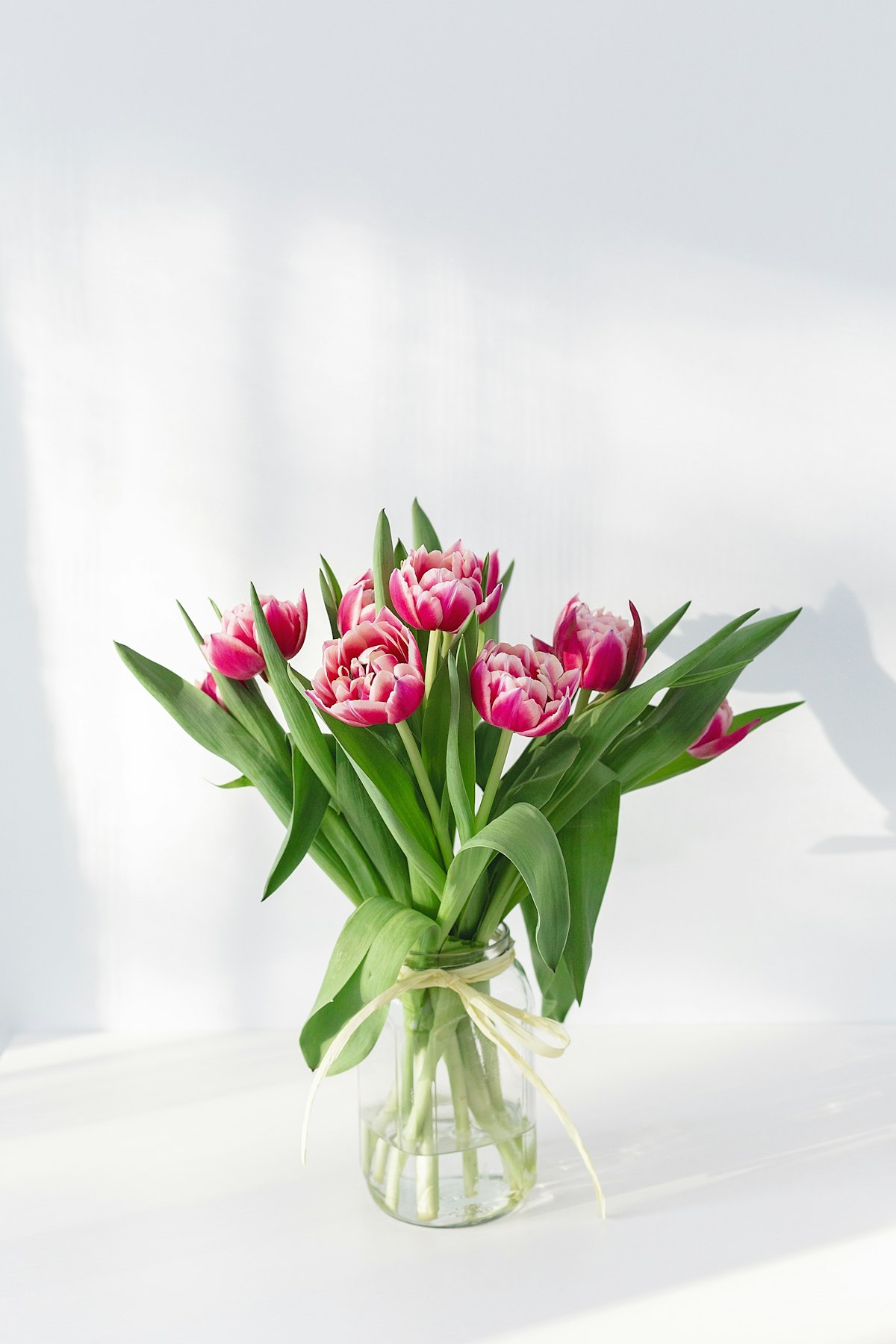
Tall centrepieces: Single-species arrangements in tall glass cylinders (all-white tulips, all-pink roses) or dramatic cascading arrangements in tall pedestals. Creates a formal, gallery-like effect.

2026 Wedding Flower Trends
Monochromatic palettes: All-white and all-blush arrangements are having a defining moment in 2026. The clean, editorial quality of a single-colour arrangement works beautifully for minimalist, modern, and fine-art wedding aesthetics.
Sustainable and local sourcing: More couples than ever are requesting locally sourced, seasonal flowers. Working with your florist to use what's in season reduces environmental impact and produces the freshest flowers at the best price.
Dried flower mix-ins: Dried pampas grass, dried roses, and bunny tail grass woven through fresh arrangements create a textural, bohemian quality that photographs beautifully. Dried elements don't wilt, which means arrangements hold their shape throughout a long reception.
Tropical statement pieces: Birds of paradise, anthuriums, protea, and monstera leaves as architectural statement elements are trending for tropical, resort, and warm-weather weddings.
Wedding Flower Budget Guide
| Element | Budget Range |
|---|---|
| Bridal bouquet | $150–$400 |
| Bridesmaid bouquets (each) | $50–$120 |
| Ceremony arch | $500–$2,500 |
| Centrepieces (per table, low) | $75–$200 |
| Centrepieces (per table, tall) | $150–$400 |
| Boutonnières (each) | $15–$35 |
| Full wedding floristry | $2,000–$10,000+ |
To stretch your floral budget: lean heavily on greenery (eucalyptus, fern, ruscus) as a lush base; choose one premium focal flower and supplement with budget-friendly fillers like carnations, alstroemeria, and baby's breath; and always choose flowers in season during your wedding month.
How to Work with Your Wedding Florist
Book your florist 9–12 months before your wedding date for the highest-demand dates (May, June, October). When you meet, bring your colour palette, venue photos, approximate guest count, and your budget range. A great florist will take all of this input and propose something you couldn't have imagined on your own.
Frequently Asked Questions
Quick answers to common questions