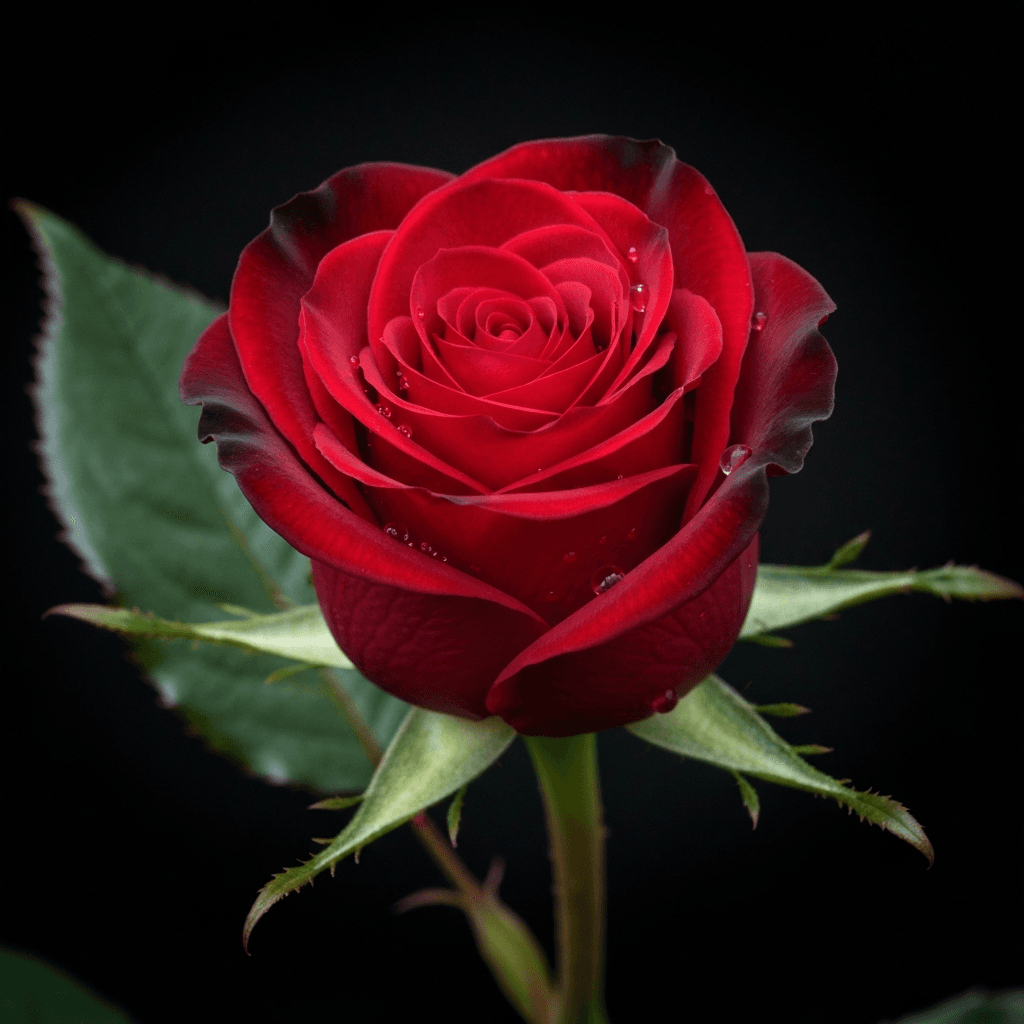
The red rose is arguably the most powerful symbol in human culture. It appears in art, literature, religion, and romance across every civilisation for over 5,000 years. But beyond its cultural weight, the red rose is a genuinely extraordinary flower botanically complex, commercially dominant, and endlessly variable. This guide covers everything: its scientific classification, meaning, the best varieties, care tips, and the numbers behind its global dominance.
What Is a Red Rose? Scientific Classification
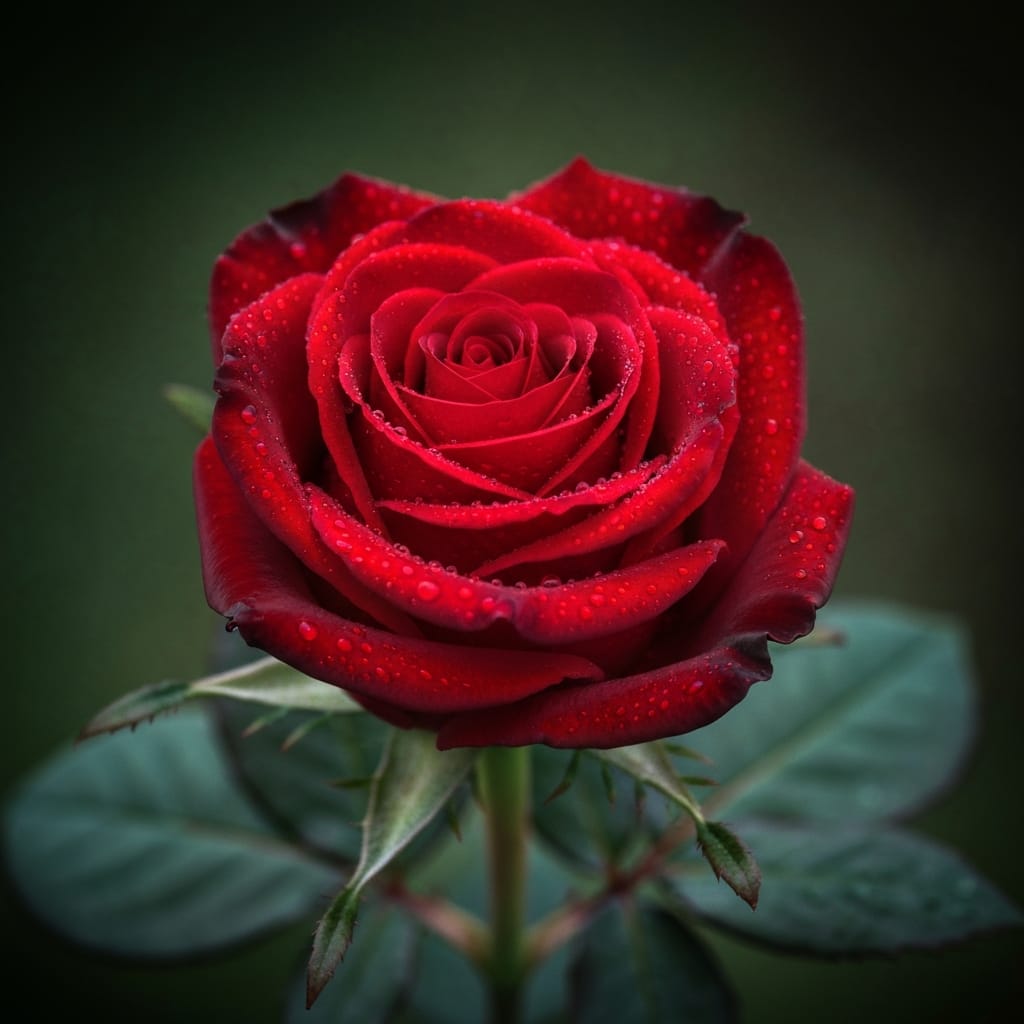
A red rose belongs to the genus Rosa in the family Rosaceae the same botanical family as apples, pears, peaches, and strawberries. The red colour comes from pigments called anthocyanins combined with carotenoids in the petal cells. The exact shade of red from bright cherry to deep crimson to dark burgundy depends on the specific combination and concentration of these pigments.
Botanical classification:
- Kingdom: Plantae
- Order: Rosales
- Family: Rosaceae
- Genus: Rosa
- Species: Rosa × hybrida (modern hybrid roses)
- Native range: Asia (80+ of 150 wild rose species are native to Asia)
There are over 150 species of wild roses and an estimated 35,000 cultivated varieties (called cultivars) registered worldwide. Of these, several hundred are specifically bred to produce the deep, true red colour associated with the classic red rose.
The Meaning of a Red Rose: History and Symbolism
No flower carries more accumulated symbolic weight than the red rose. Its meaning has been consistent across cultures and centuries:
Romantic love and passion the primary and universal meaning. Giving a red rose communicates romantic feeling more directly than any other gesture. The association is so universal that it transcends language barriers entirely.
Desire and deep affection red roses communicate not just love but physical desire. This is why red, not pink, is the colour of Valentine's Day. Pink roses carry a softer, more innocent meaning; red roses carry passion.
Courage and respect in some cultural traditions (particularly British and military heritage), a red rose represents bravery. The Tudor Rose a combination of the red rose of Lancaster and the white rose of York became the symbol of the English monarchy.
Beauty and perfection the symmetrical spiral of a rose in full bloom has been associated with mathematical perfection and natural beauty since the ancient Greeks connected roses to Aphrodite, goddess of beauty.
What Different Numbers of Red Roses Mean
In the Victorian language of flowers (floriography), the number of roses given carries specific meaning:
| Number | Traditional Meaning |
|---|---|
| 1 | "I love you" / love at first sight |
| 3 | "I love you" (simple declaration) |
| 6 | "I want to be yours" |
| 9 | Eternal love / "I want to be with you forever" |
| 12 | "Be mine" / complete devotion |
| 24 | Thinking of you every hour |
| 50 | Unconditional love |
| 99 | "I will love you for as long as I live" |
| 100 | Devotion / "I am totally devoted to you" |
The Best Red Rose Varieties
Not all red roses are equal. The variety matters enormously for bloom size, vase life, fragrance, and appearance.
Cut Flower Varieties (Florist Roses)
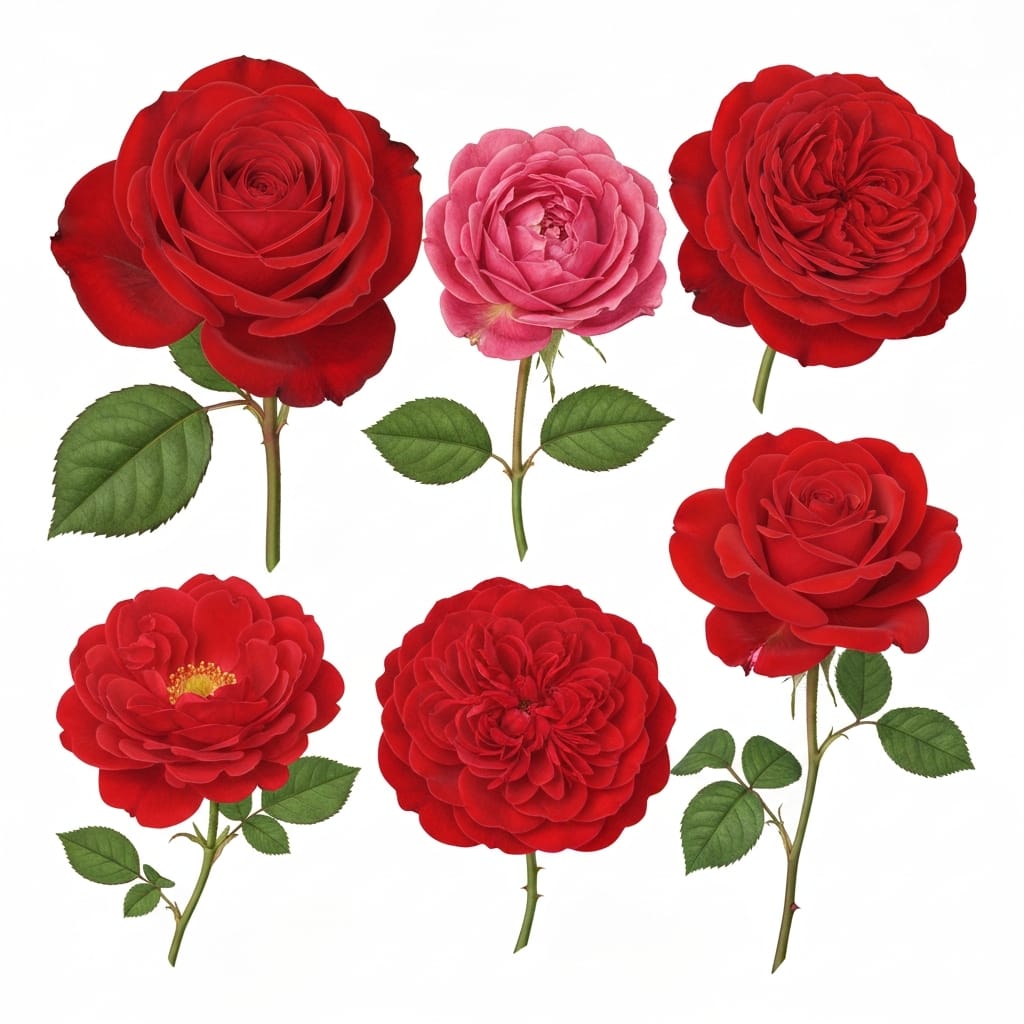
Red Naomi The most widely sold red rose globally. Large, high-centred blooms on long stems. Deep crimson colour that holds for 12-14 days. Originally bred in the Netherlands by Porta Nova. The definitive modern florist red rose.
Freedom Velvety, deep red blooms with excellent stem length. One of the top 3 selling roses in the US market. Bred by Tantau, Germany. Outstanding vase life.
Grand Prix Classically beautiful, high-centred blooms in true red. A favourite for premium bouquets and wedding floristry. Strong stems, excellent shelf life.
Explorer A newer variety with particularly large blooms and outstanding fragrance rare in commercial cut roses. Gaining popularity with high-end florists.
Garden Varieties
Mr. Lincoln The most beloved fragrant red garden rose in America. Introduced in 1964. Large, velvety, high-centred blooms with a powerful, classic rose fragrance. Hybrid tea type.
Ingrid Bergman Named after the Swedish actress. Disease-resistant, reliably fragrant, dark velvety red. Introduced 1984. One of the most popular garden roses of the 20th century.
Don Juan The most fragrant climbing red rose widely available. Dark red, velvety blooms with an extraordinary scent. Vigorous climber reaching 8-12 feet.
Black Magic Extremely dark, near-black-red blooms with a dramatically intense appearance. Popular for gothic-themed events and dramatic mixed arrangements.
Red Rose Form Types
| Form | Characteristics | Best For |
|---|---|---|
| Hybrid Tea | Classic high-centred; single bloom per stem | Traditional bouquets |
| Grandiflora | Multiple blooms per tall stem | Impact arrangements |
| Floribunda | Clusters of smaller blooms | Garden display |
| Climbing | Vigorous; 6-20 feet of growth | Trellises, archways |
| Miniature | Tiny, perfect blooms; 6-18 inches tall | Pots, small gifts |
| English/Garden | Cupped, many-petalled; intensely fragrant | Romantic, garden-style |
The Numbers Behind Red Rose Dominance
The red rose's cultural power is reflected in extraordinary commercial statistics:
- 250+ million red roses are sold in the US on Valentine's Day alone
- Red roses account for approximately 35% of all cut flower sales in the US annually
- The US imports over 4 billion rose stems per year the majority red
- Colombia produces 79% of US-imported roses; Ecuador supplies most of the premium long-stem varieties
- A single red rose can travel 6,000+ miles from a Colombian farm to a US florist in under 72 hours
- Red roses have been cultivated for over 5,000 years archaeological evidence from China dates rose cultivation to 3000 BC
- The oldest living rose bush is believed to be approximately 1,000 years old, growing on the wall of Hildesheim Cathedral in Germany
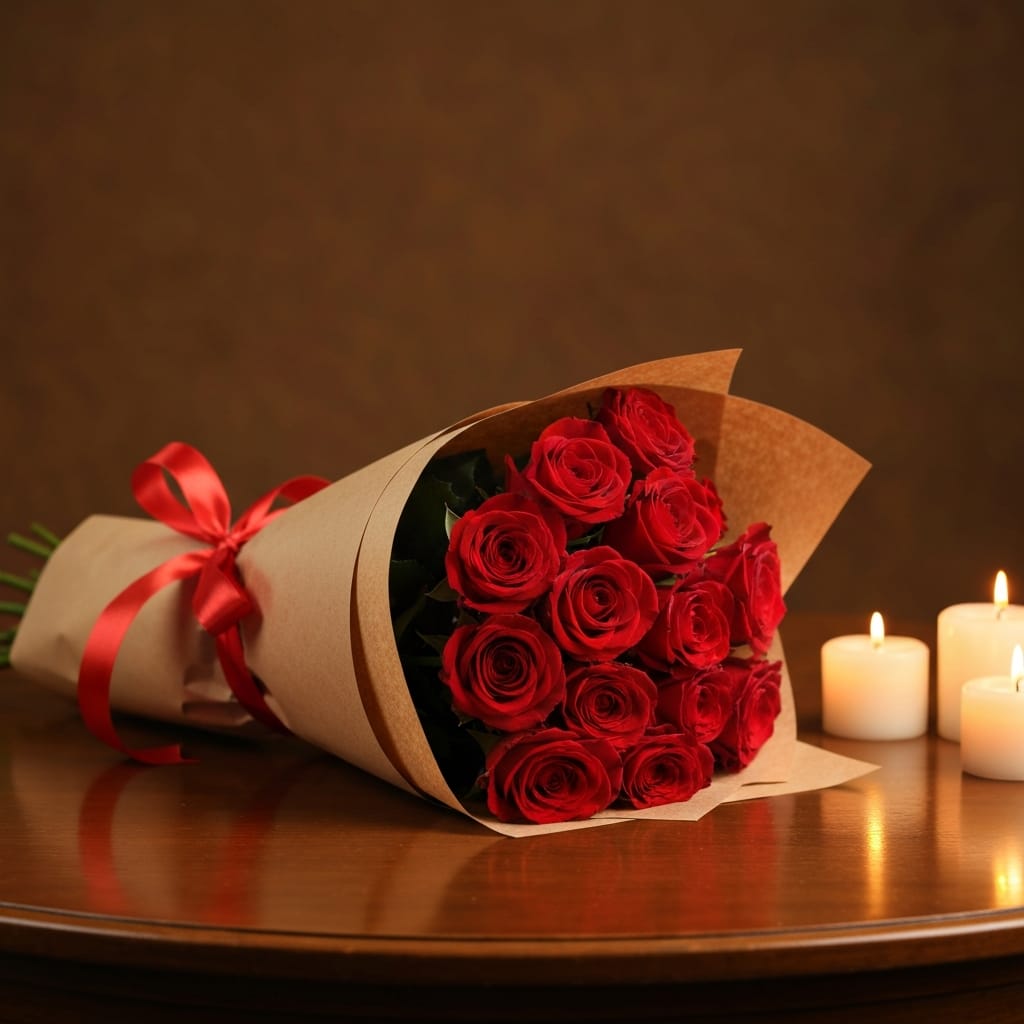
Red Rose Care: Making Them Last 14+ Days
With proper care, red roses can last 12-14 days or more. Most roses die early from preventable causes.
Step-by-Step Care Guide
1. On arrival: Remove outer packaging immediately. Don't leave roses wrapped in plastic they need airflow.
2. Cut stems: Use sharp scissors or a knife to cut 1-2 inches from the bottom of each stem at a 45-degree angle. Cut under running water if possible to prevent air bubbles entering the stem. Remove any leaves that would sit below the waterline.
3. Prepare vase: Use a clean vase. Fill with cool (not cold) water. Add the flower food packet that comes with most florist roses it contains sugar (food), acidifier (keeps water slightly acidic, which roses prefer), and biocide (prevents bacterial growth).
4. Placement: Keep roses away from direct sunlight, heating vents, fans, and fruit. Fruit releases ethylene gas which accelerates wilting. A cool room extends vase life significantly.
5. Daily maintenance: Add water as needed (roses drink a lot). Every 2-3 days, re-cut stems and change water completely. Remove any petals that have fallen into the water.
6. Temperature: Roses last longest in cool temperatures (60-68°F / 15-20°C). At night, moving them to a cooler room can extend life by 2-3 days.
Signs of Poor Quality to Avoid When Buying
- Drooping necks the stem bends just below the bloom head (indicates dehydration or age)
- Brown petal edges browning on the outer petals suggests age or poor storage
- Loose petals fully open roses at purchase won't last long in a vase
- Yellow leaves indicates nutritional deficiency or age
- Slimy stems bacterial contamination, will spread quickly to the water
Red Rose as the National Flower of the United States
In 1986, President Ronald Reagan signed a congressional resolution declaring the rose specifically mentioning the red rose as the National Floral Emblem of the United States. The declaration noted: "Americans have always loved the flowers with which God decorates our land. More often than any other flower, we hold the rose dear as the symbol of life and love and devotion, of beauty and eternity."
Frequently Asked Questions
Quick answers to common questions