
Have you ever walked through a field and wondered why a specific bloom was chosen to represent an entire state? It’s rarely random. Often, these selections were the result of heated debates, school-child votes, or a deep-seated desire to showcase the unique botanical heritage of a region. As a florist, I find these stories fascinating because they tell us as much about the people who settled the land as they do about the soil itself.
Whether you're planning a cross-country road trip to catch the peak bloom or just want to impress your local florist, understanding these symbols adds a layer of depth to your floral arrangements. From the high-altitude peaks of Colorado to the humid swamps of Louisiana, here is your definitive guide to the official state flowers of the United States.
1. Texas: Bluebonnet (Lupinus texensis)
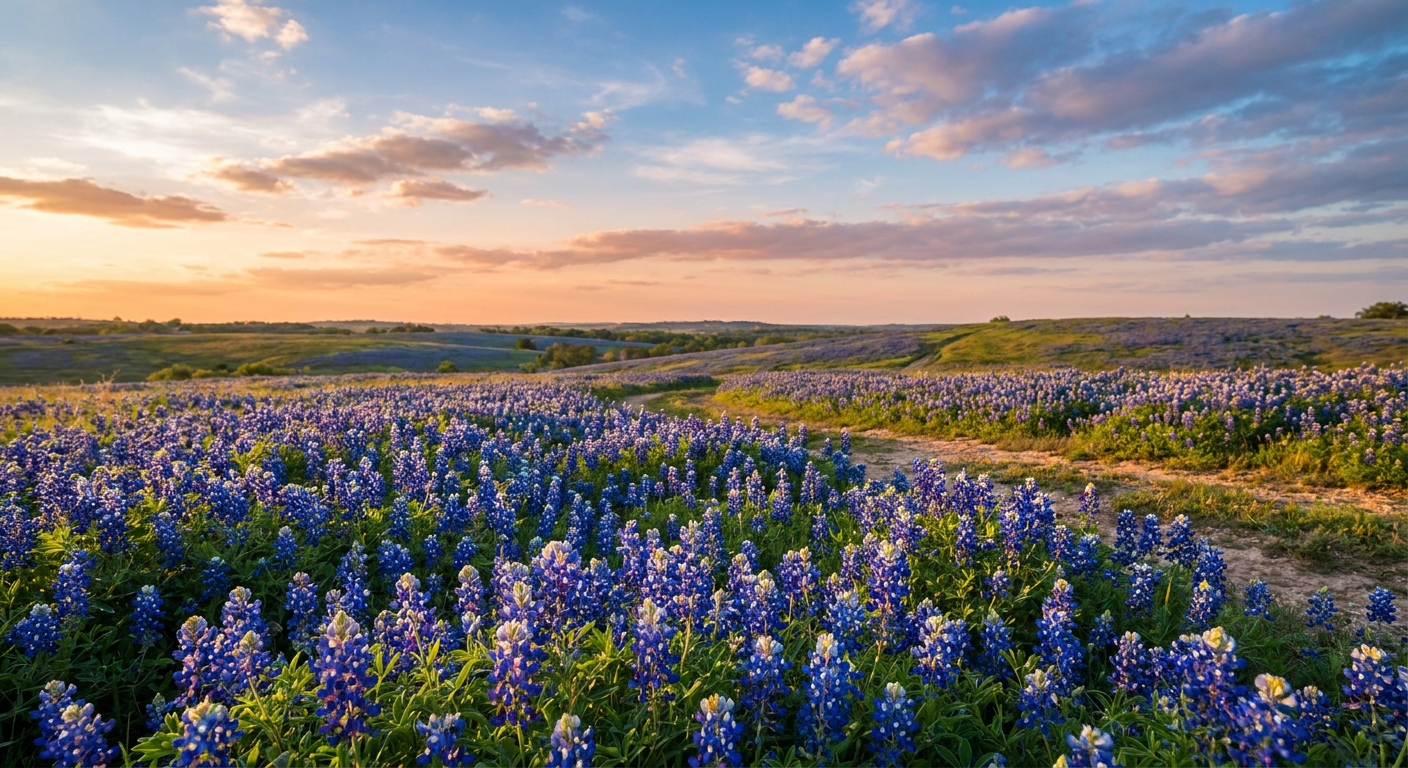
If you haven't seen a Texas highway in April, you’re missing one of the greatest floral shows on earth. The Bluebonnet isn't just a plant; it's a cultural icon. Honestly, Texans take their bluebonnets seriously it’s illegal to pick them in some areas, though that’s mostly an urban legend. The plant thrives in the limestone-rich soils of the Hill Country. If you want the best photos, head to the Ennis Bluebonnet Trails. The deep indigo color is iconic, and it’s a staple in regional spring bouquets.
2. California: California Poppy (Eschscholzia californica)
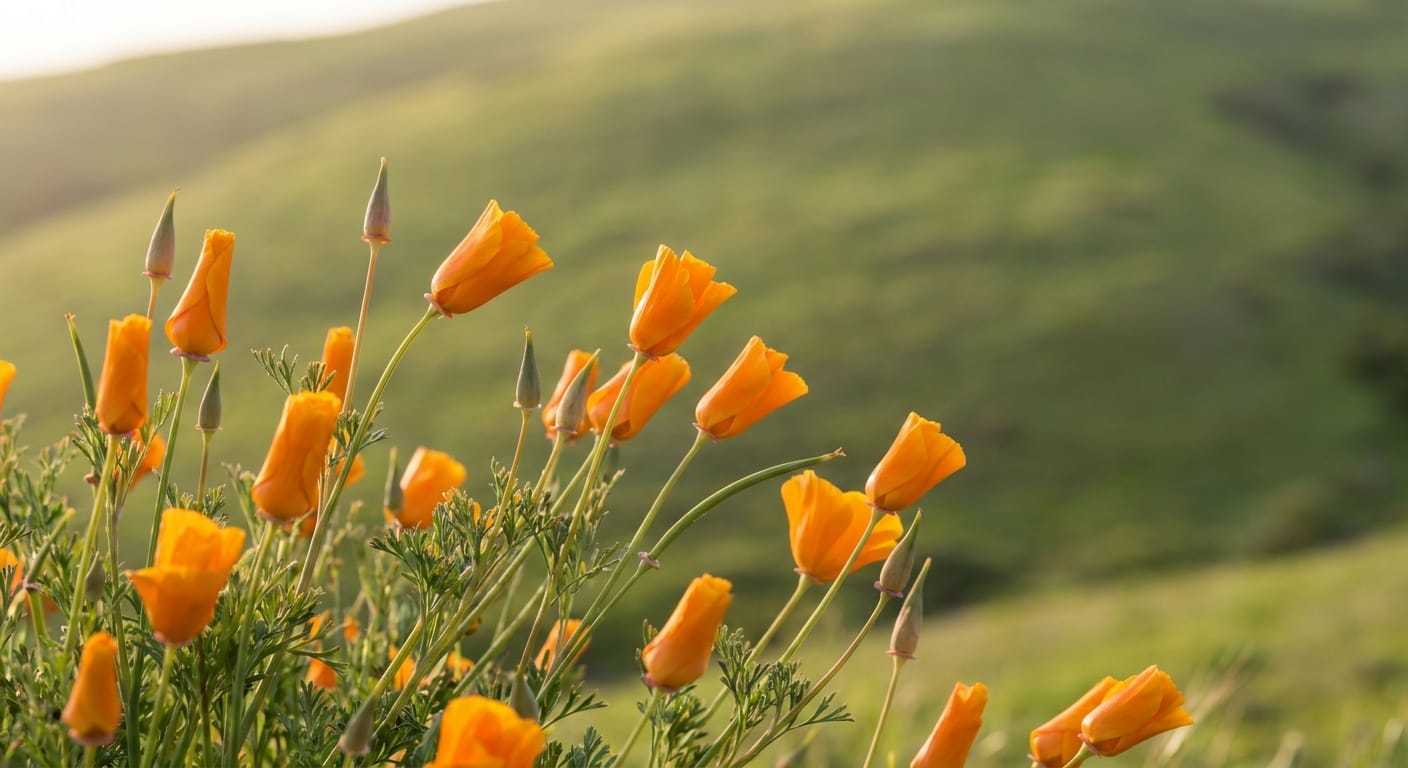
This golden-orange beauty was officially adopted in 1903. It’s a hardy little thing that loves the Mediterranean climate of the Golden State. You’ll see these popping up everywhere from the Sierra Nevada foothills to the coast. In my experience, they don't love being cut for vases they tend to fold up at night but seeing a hillside covered in them is a spiritual experience. If you’re visiting, Antelope Valley is the gold standard for viewing.
3. Hawaii: Pua Aloalo (Yellow Hibiscus)
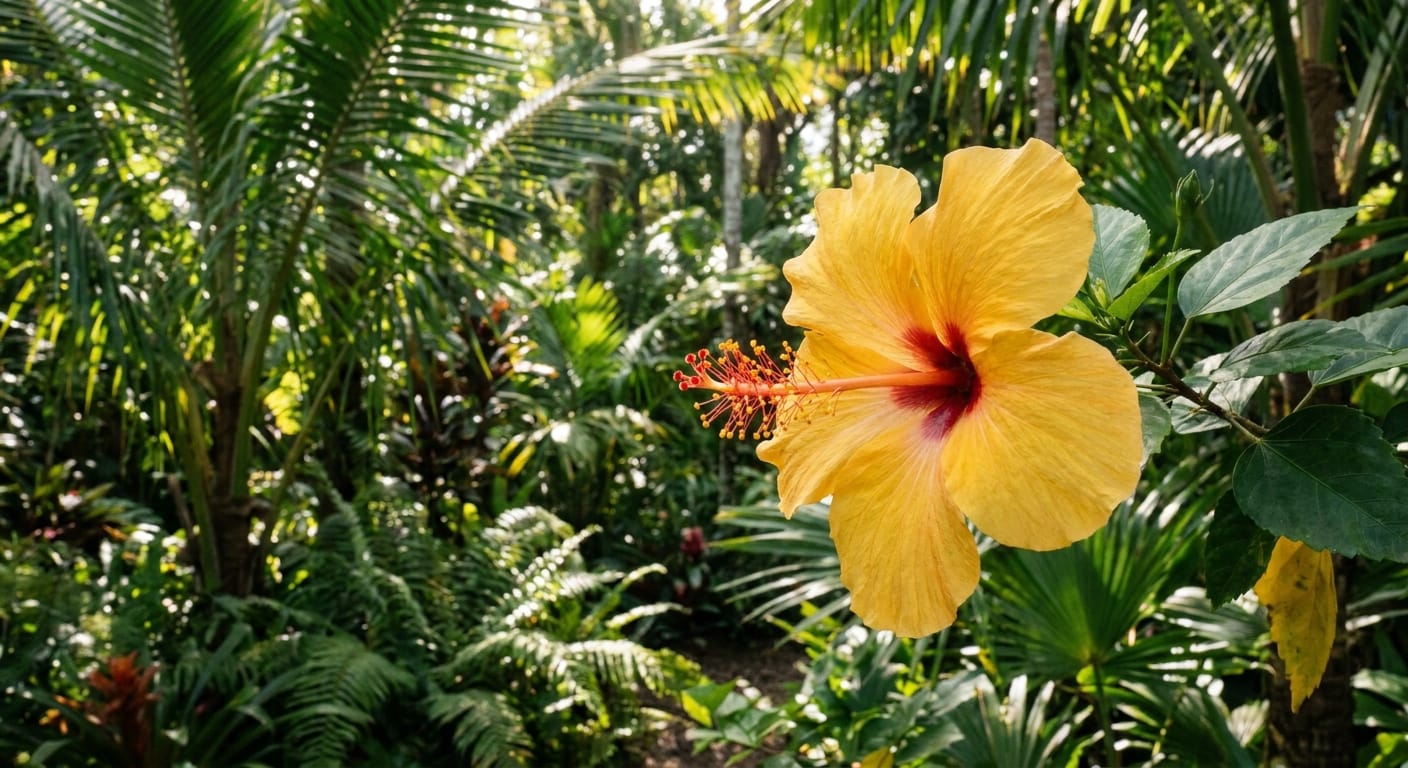
Hawaii’s choice is elegance personified. The Yellow Hibiscus (Hibiscus brackenridgei) is actually an endangered species in the wild. It represents the spirit of the islands warm, vibrant, and resilient. Unlike the common red hibiscus you see in landscaping, this native variety is much rarer. If you’re in Honolulu, check out the Lyon Arboretum to see them in a protected, lush environment.
4. Alaska: Forget-Me-Not (Myosotis alpestris)
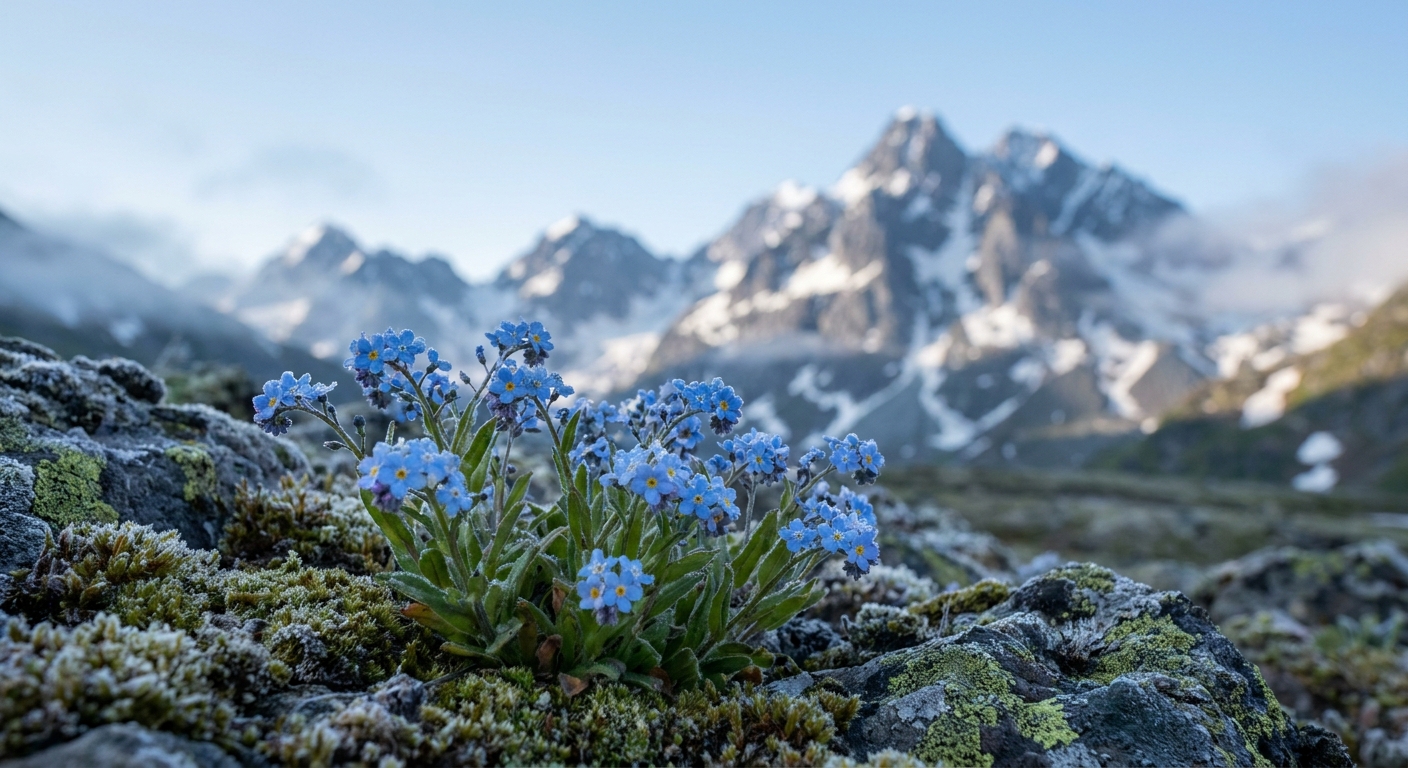
Small but mighty. The Forget-Me-Not grows in the high, rocky altitudes of the Last Frontier. It’s a symbol of remembrance and loyalty. Despite the harsh climate, these flowers are surprisingly tough. They bloom in the short, intense summer months. Seeing them set against the backdrop of a snow-capped peak is a bucket-list moment for any nature lover.
5. Georgia: Cherokee Rose (Rosa laevigata)
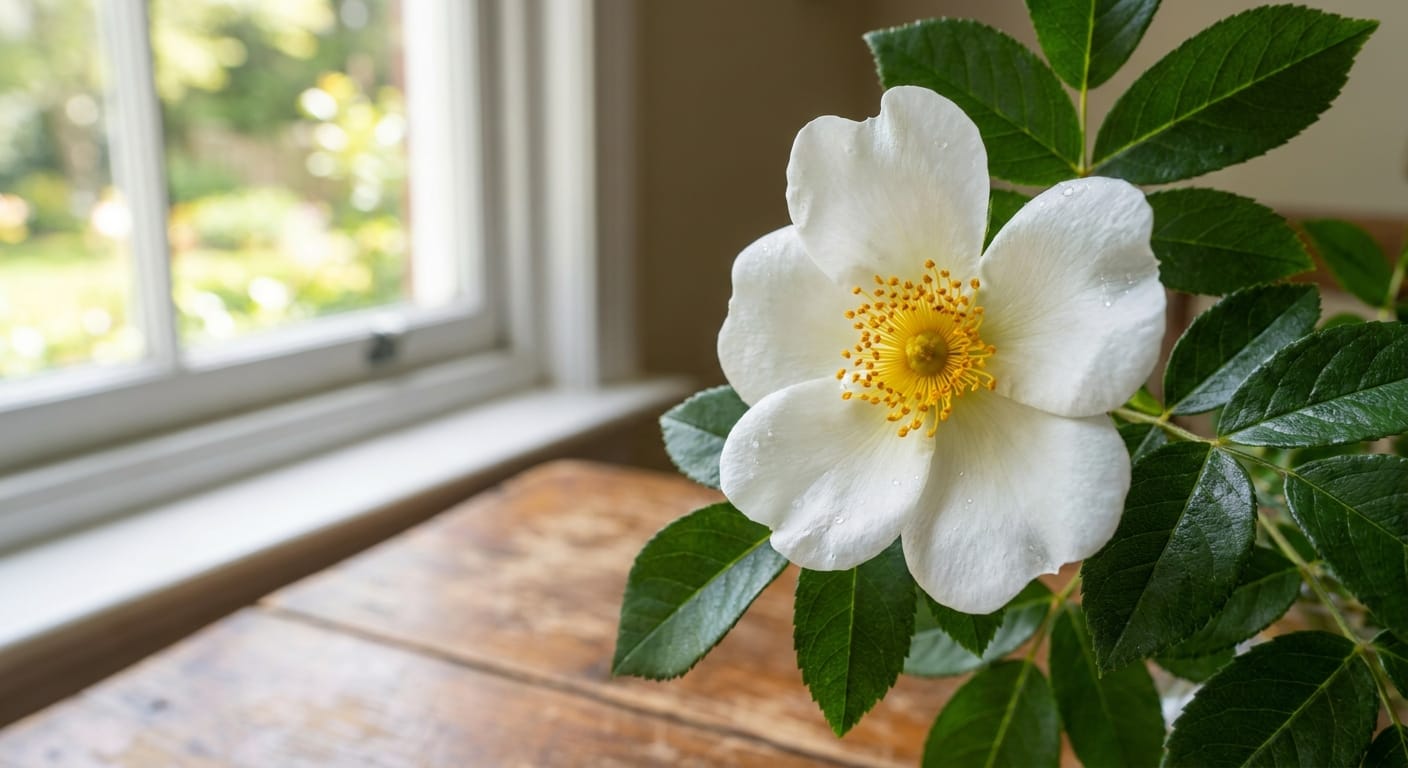
Legend has it that the Cherokee Rose grew along the Trail of Tears, marking where the ancestors’ tears fell. It’s a climbing rose with white petals and a bright yellow center. It’s not actually native to North America it was introduced from China but it naturalized beautifully in the South. It’s a bit thorny, so handle with care if you’re trying to incorporate it into a rustic arrangement.
6. Colorado: Rocky Mountain Columbine (Aquilegia coerulea)
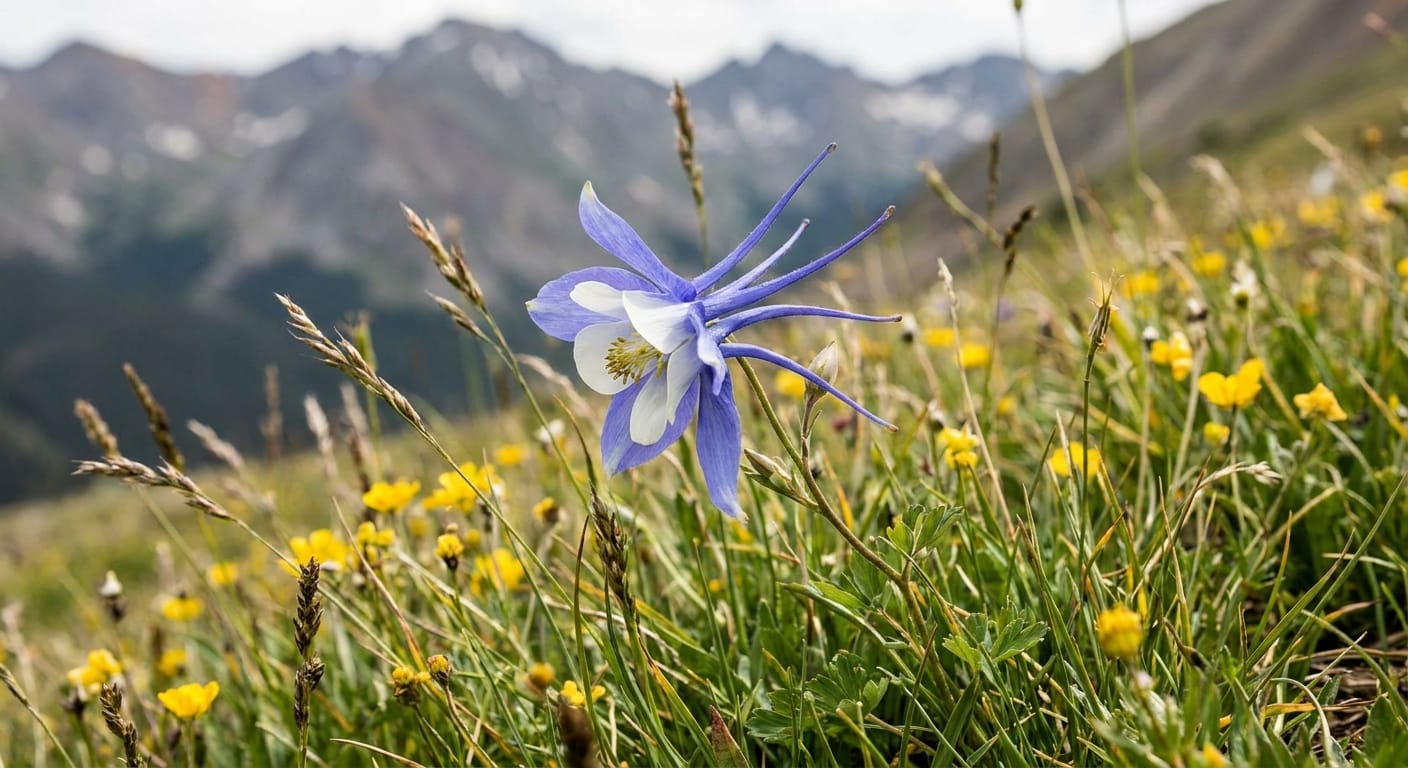
This is a work of art. The Rocky Mountain Columbine is a favorite among hikers in the Rockies. Its blue and white petals look like they were painted by hand. It grows in the sub-alpine zones, usually between 7,000 and 12,000 feet. If you’re planning a trip to see them, mid-July is the sweet spot. They’re fragile, so enjoy them in the wild rather than trying to harvest them.
7. Florida: Orange Blossom (Citrus sinensis)
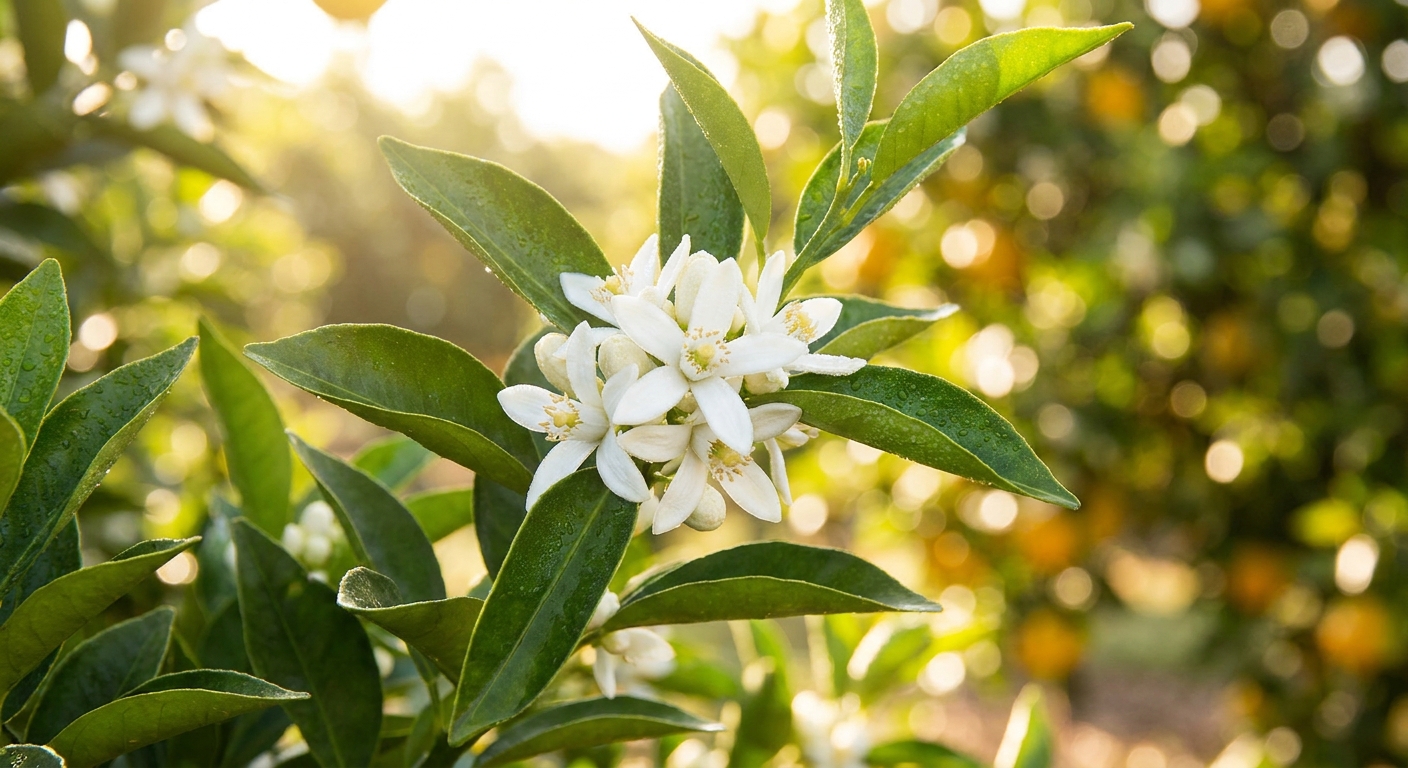
Florida is the only state that chose a fruit blossom. The scent of an orange grove in bloom is something you never forget it’s heady, sweet, and fills the entire air around you. It’s a massive symbol of the state's agricultural history. If you’re a bride looking for a local touch, orange blossoms are a traditional, albeit seasonal, favorite for boutonnieres and bridal crowns.
8. Washington: Coast Rhododendron (Rhododendron macrophyllum)
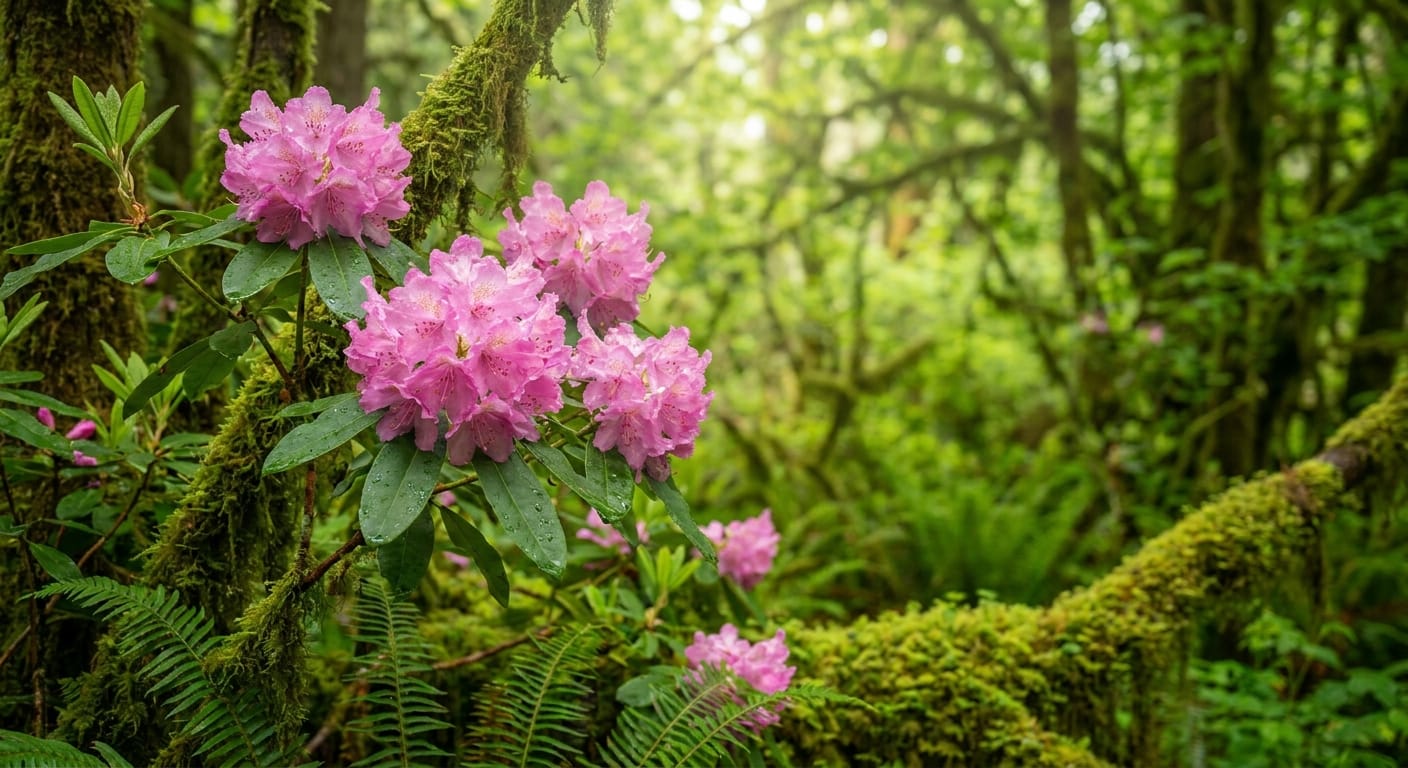
Washington’s choice reflects the damp, cool, and lush environment of the Pacific Northwest. The Coast Rhododendron is a shrub that produces massive, showy clusters of pink or purple flowers. They thrive in the acidic soil of the Olympic Peninsula. If you’re visiting in May, the trails around Port Townsend are absolutely covered in these giants.
9. New York: Rose (Rosa)
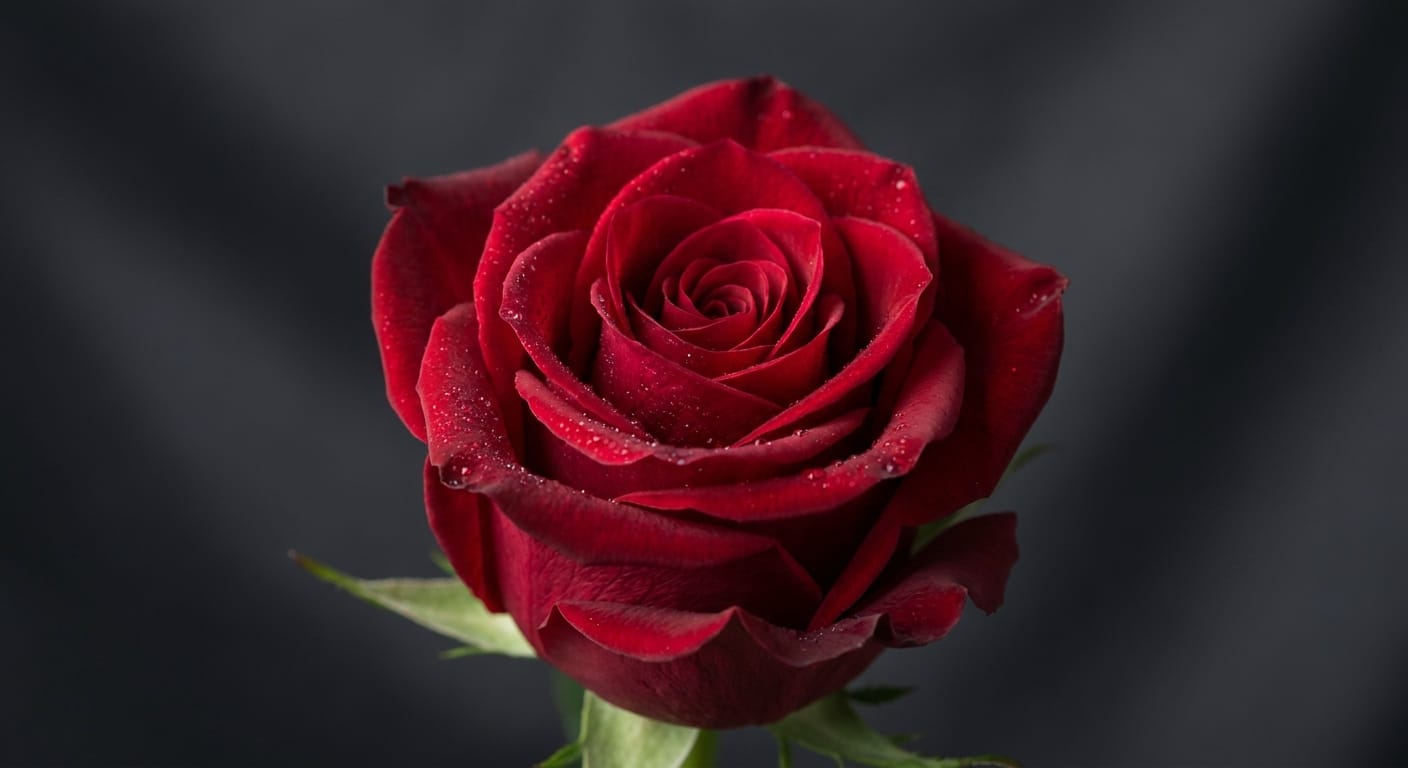
New York took the classic route. The Rose is the state flower, chosen in 1955. It’s bold, it’s beautiful, and it’s arguably the most famous flower in the world. While it’s not native to the state, it represents the diversity and sophistication of the Empire State. You’ll find incredible displays at the New York Botanical Garden in the Bronx, which is a must-visit for any flower enthusiast.
10. Arizona: Saguaro Cactus Blossom (Carnegiea gigantea)
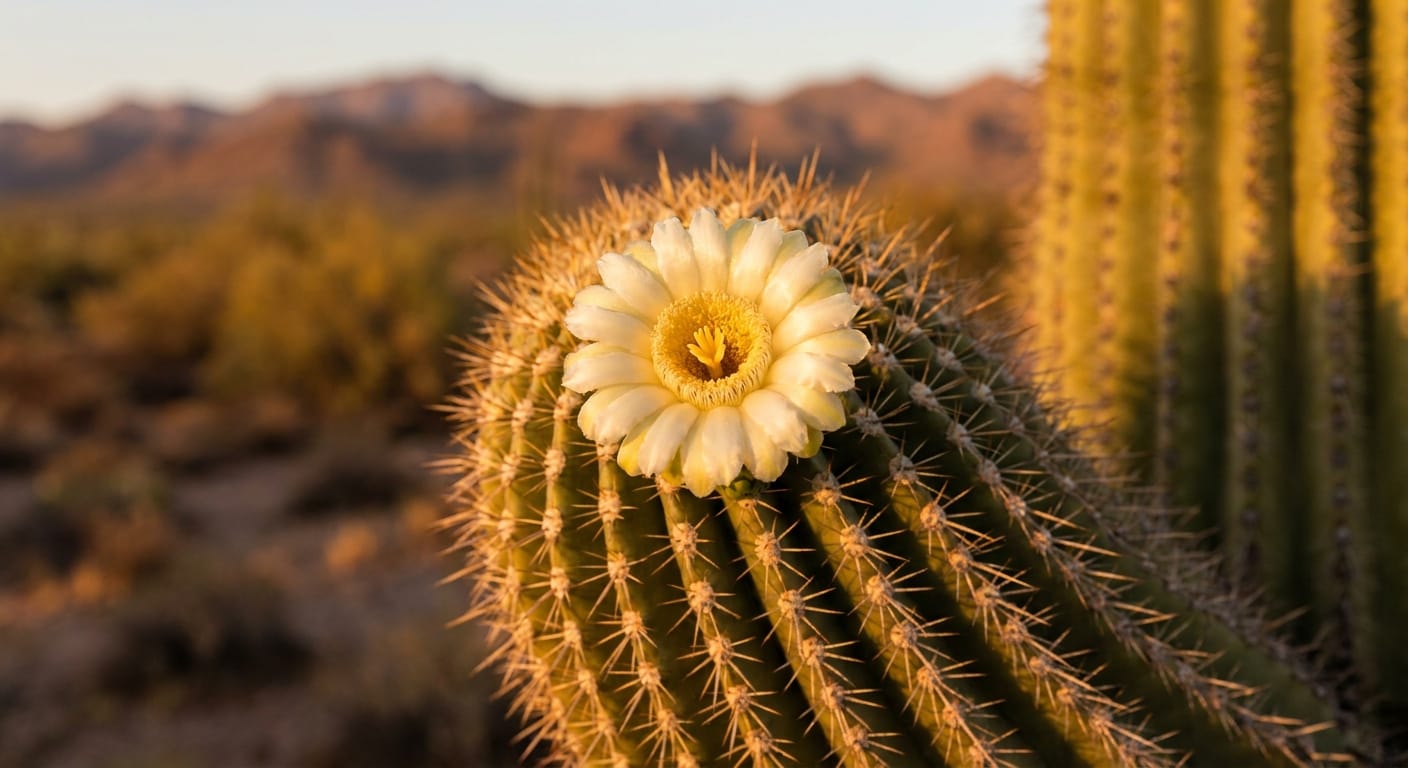
This is the ultimate desert survivor. The Saguaro blossom only opens at night and usually closes by the next afternoon. It’s a fleeting, beautiful moment. To see them, you need to be in the Sonoran Desert between May and June. It’s a testament to the beauty that can exist in the harshest conditions. If you’re designing a desert-themed wedding, these are the inspiration you need.
Quick Reference: The 50 State Flowers
| State | Flower | State | Flower |
|---|---|---|---|
| Alabama | Camellia | Montana | Bitterroot |
| Alaska | Forget-Me-Not | Nebraska | Goldenrod |
| Arizona | Saguaro Blossom | Nevada | Sagebrush |
| Arkansas | Apple Blossom | New Hampshire | Purple Lilac |
| California | California Poppy | New Jersey | Violet |
| Colorado | Rocky Mountain Columbine | New Mexico | Yucca |
| Connecticut | Mountain Laurel | New York | Rose |
| Delaware | Peach Blossom | North Carolina | Dogwood |
| Florida | Orange Blossom | North Dakota | Wild Prairie Rose |
| Georgia | Cherokee Rose | Ohio | Scarlet Carnation |
| Hawaii | Yellow Hibiscus | Oklahoma | Oklahoma Rose |
| Idaho | Syringa | Oregon | Oregon Grape |
| Illinois | Violet | Pennsylvania | Mountain Laurel |
| Indiana | Peony | Rhode Island | Violet |
| Iowa | Wild Rose | South Carolina | Yellow Jessamine |
| Kansas | Sunflower | South Dakota | Pasque Flower |
| Kentucky | Goldenrod | Tennessee | Iris |
| Louisiana | Magnolia | Texas | Bluebonnet |
| Maine | White Pine Cone | Utah | Sego Lily |
| Maryland | Black-eyed Susan | Vermont | Red Clover |
| Massachusetts | Mayflower | Virginia | Dogwood |
| Michigan | Apple Blossom | Washington | Coast Rhododendron |
| Minnesota | Lady Slipper | West Virginia | Rhododendron |
| Mississippi | Magnolia | Wisconsin | Wood Violet |
| Missouri | Hawthorn | Wyoming | Indian Paintbrush |
Why Does Geography Matter?
If you’re looking to incorporate these into your garden or a floral arrangement, you have to respect the USDA hardiness zones. A delicate Lady Slipper from Minnesota isn't going to survive the heat of a Florida summer. When you’re choosing plants, always look for native or naturalized varieties that suit your specific microclimate. This is how you ensure your garden stays healthy without needing a constant supply of chemicals or excessive watering.
Most of these flowers are seasonal. If you’re in the industry, you know that the "local flower movement" is huge right now. Using state flowers in regional designs isn't just a nod to tradition; it’s a smart way to source sustainable, seasonal blooms that your customers will recognize and appreciate.
The bottom line is that these flowers are more than just symbols on a state seal. They represent the resilience, beauty, and history of the land, and knowing their stories makes every bouquet a little more meaningful.

