
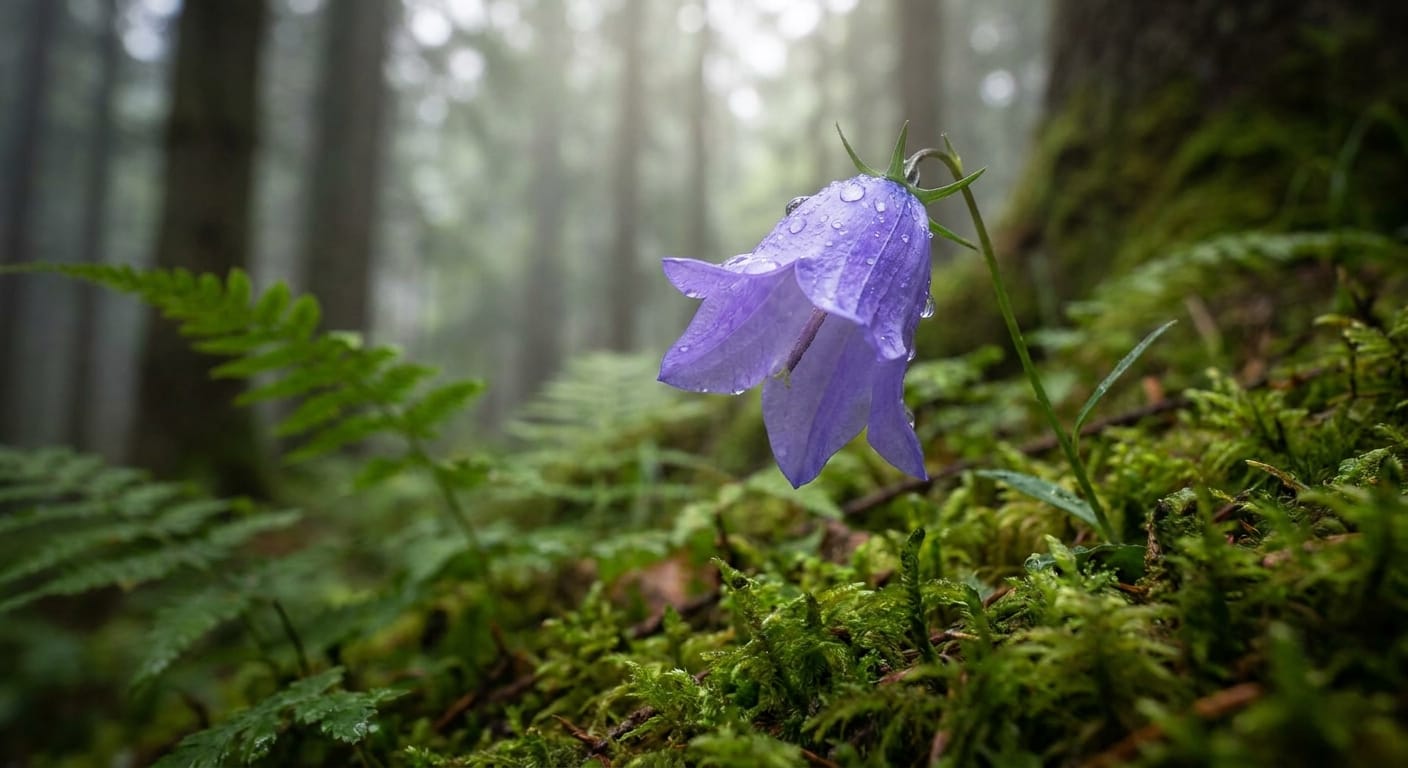
Have you ever walked into a high-end flower shop and wondered if you’ve seen everything the botanical world has to offer? Honestly, most of us haven’t even scratched the surface. While your local florist in Chicago or Seattle might stock stunning imported peonies or rare orchid hybrids, the true botanical unicorns are often hiding in places where no one can easily reach them.
We’re talking about flowers that exist in such small numbers that even the most seasoned botanists might go their entire lives without seeing one in person. It’s not just about beauty; it’s about survival. These rare blooms are the ultimate survivors, clinging to existence in specific micro-climates, often against the odds of modern development and changing weather patterns. Let’s look at the rarest flowers on the planet the ones that make a standard rose look like a dandelion.
1. The Middlemist Red
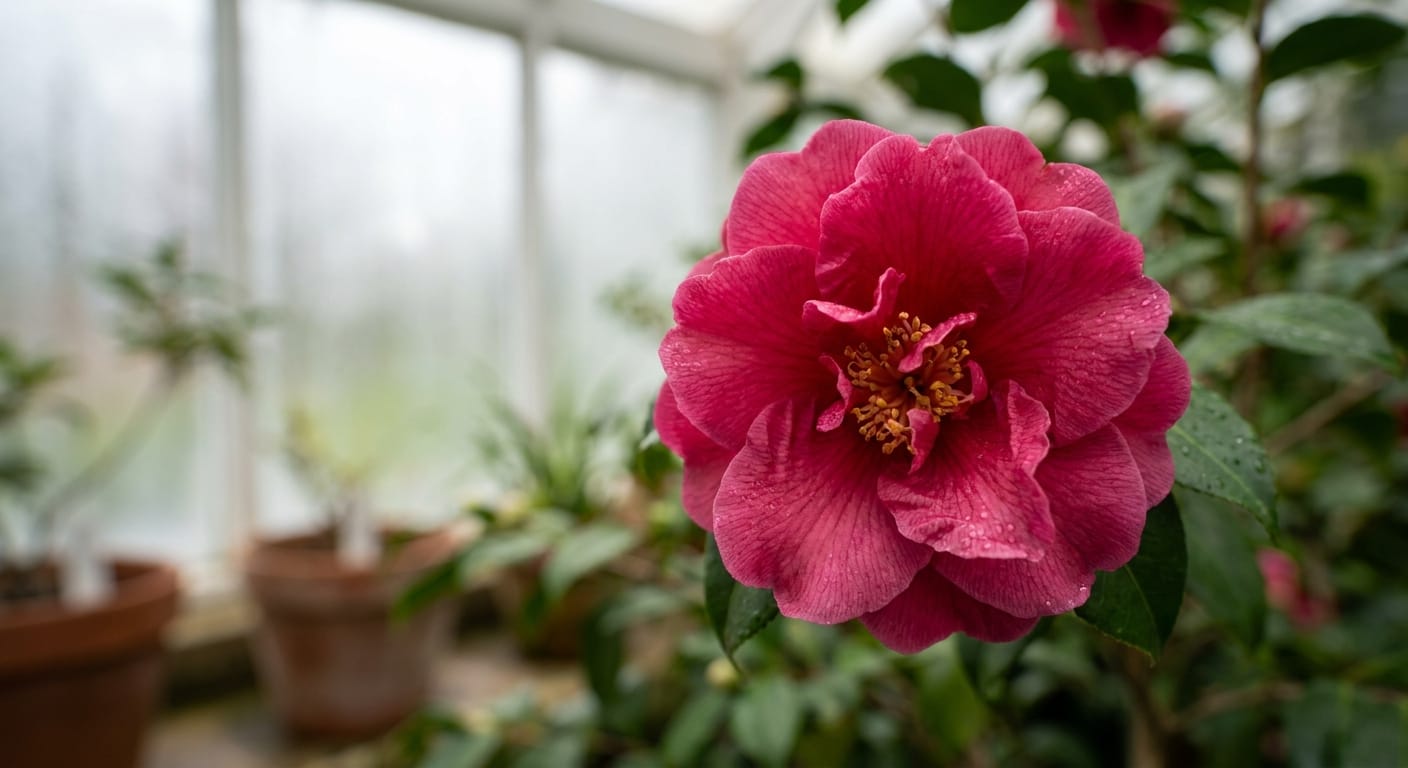
If we’re crowning a king of rarity, the Middlemist Red takes the prize. It’s not just rare; it’s practically mythical. Originally native to China, it was brought to the UK in the early 19th century by John Middlemist. While it went extinct in its native homeland, it survived in a few British greenhouses.
Today, there are only two known plants left on the entire planet. One is in Chiswick House in London, and the other is in New Zealand. It looks somewhat like a vibrant, deep pink camellia, but its genetic history is a total mystery. If you’re ever in London, you can try to catch a glimpse when it blooms usually in the spring but don't expect to order this for a bouquet. It’s strictly for the history books and the most dedicated botanists.
2. The Ghost Orchid
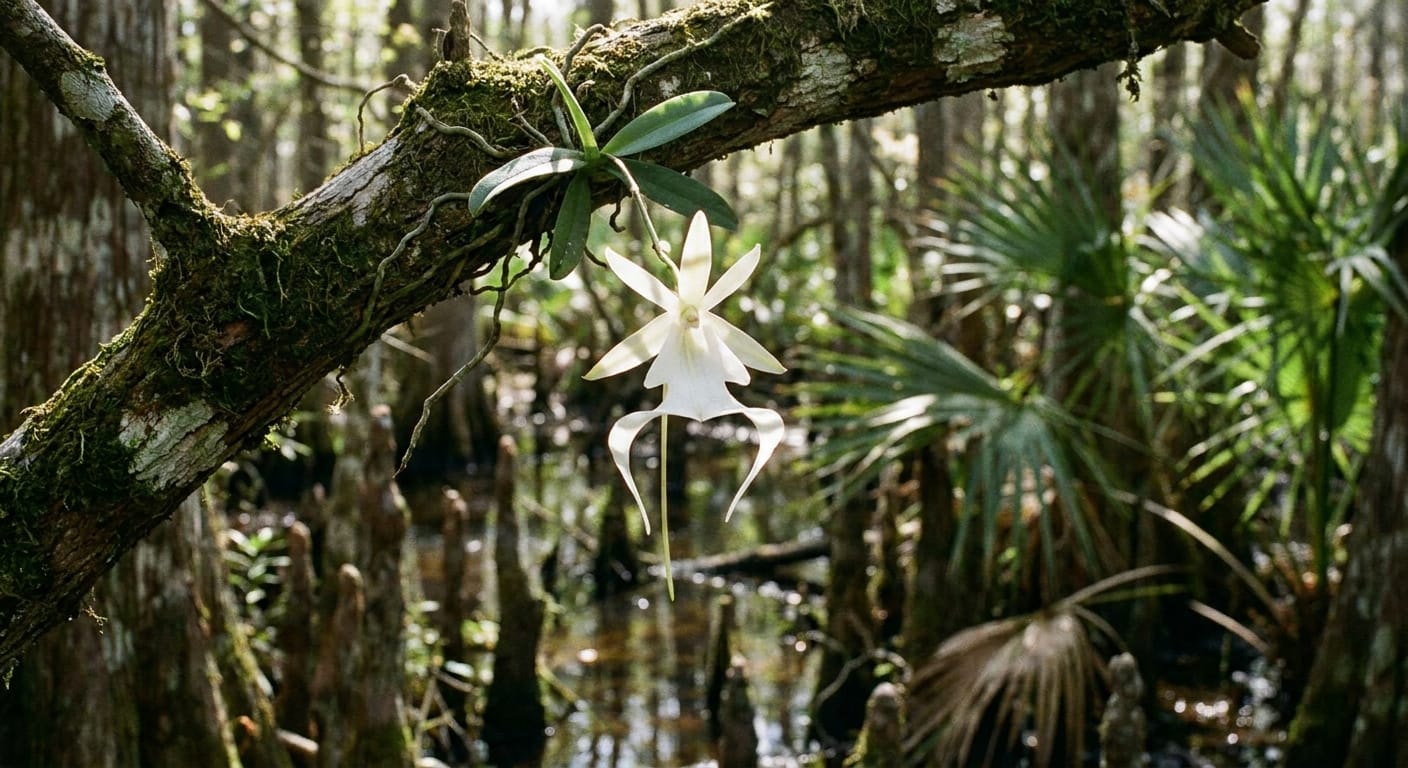
Closer to home, the Ghost Orchid is a Florida legend. This plant is a bit of a trickster because it doesn’t have leaves. It’s just a mass of green roots that cling to the bark of cypress or pond apple trees in the Everglades.
It’s notoriously difficult to find because it blends perfectly into the bark. When it finally blooms, the flower looks like it’s floating in mid-air, hence the name. It requires a very specific type of moth for pollination, which makes its survival dependent on a fragile ecosystem. In the US, it’s a protected treasure. If you’re hiking in the Fakahatchee Strand Preserve, keep your eyes peeled, but please, keep your hands off. These plants are incredibly sensitive to human touch.
3. The Kadupul Flower
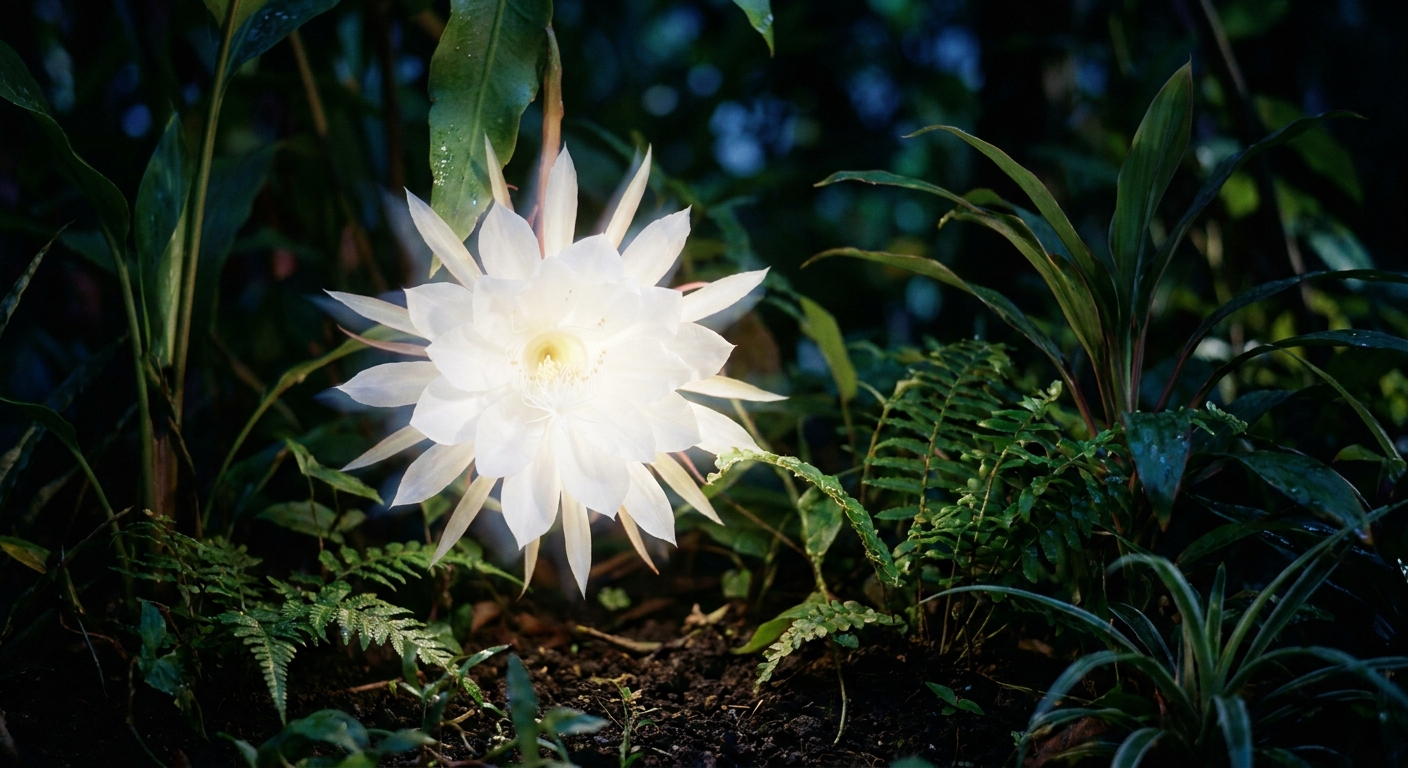
This is the flower that doesn't want to be seen. The Kadupul flower, native to Sri Lanka, is a cactus flower that only blooms at night and wilts before the sun rises. Because it dies so quickly, it’s impossible to pick and sell.
It’s essentially the 'fleeting moment' of the flower world. It has a beautiful, sweet fragrance that can fill an entire room, but you’d have to be standing in the right spot in a jungle in the middle of the night to experience it. Since it can’t be transported, it’s arguably the most expensive flower in the world simply because it’s priceless. You can’t buy it, you can’t ship it, and you certainly can’t keep it in a vase.
4. The Jade Vine
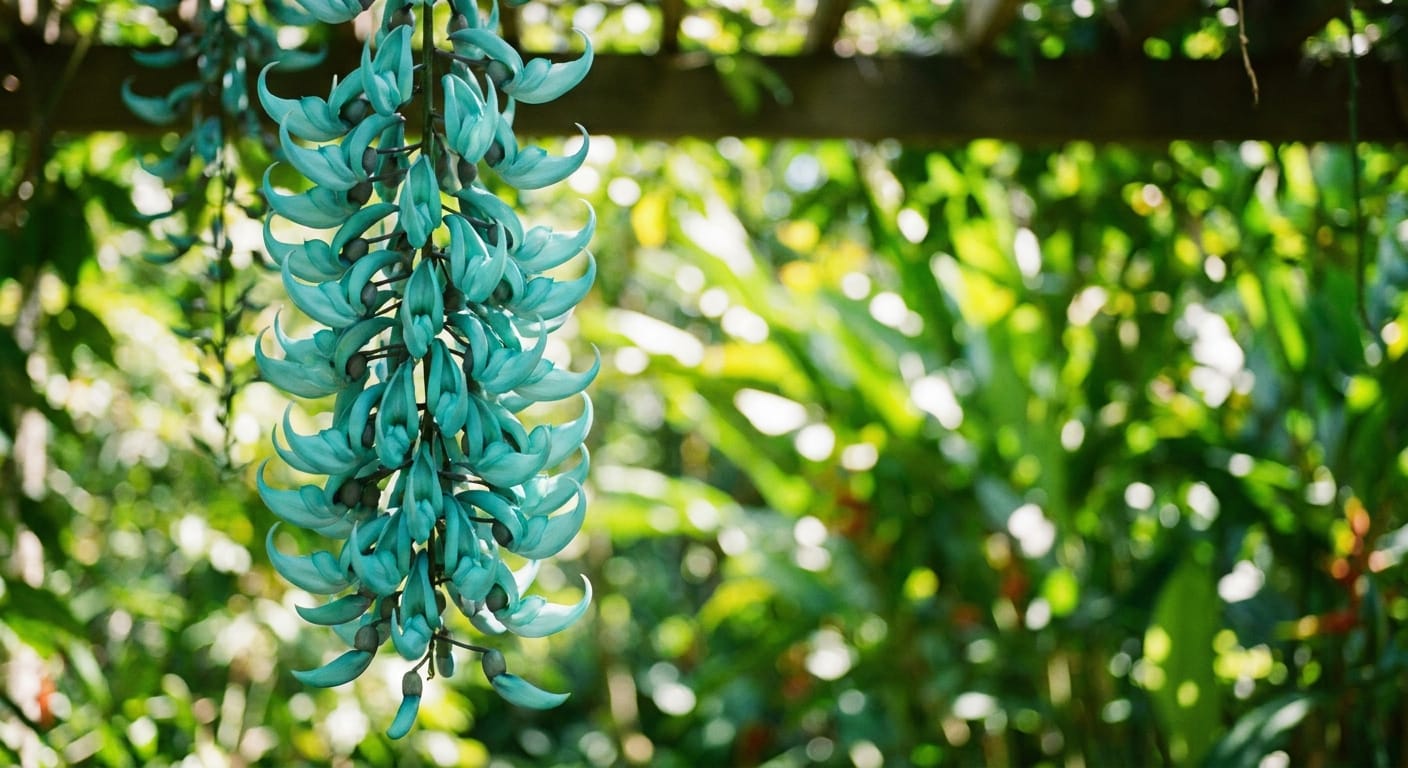
If you want to talk about color, the Jade Vine is in a league of its own. It’s native to the Philippines and features these incredible, claw-shaped flowers that hang in long, pendulous clusters. The color is this surreal, neon turquoise that doesn't even look real.
In the wild, this plant is struggling because of deforestation and the loss of the bats that pollinate it. It’s notoriously difficult to grow in captivity. If you’re in the US and want to see one, your best bet is a large conservatory like the one at the New York Botanical Garden or similar research facilities. It’s a reminder that some of the most beautiful things on Earth are also the most fragile.
5. The Chocolate Cosmos
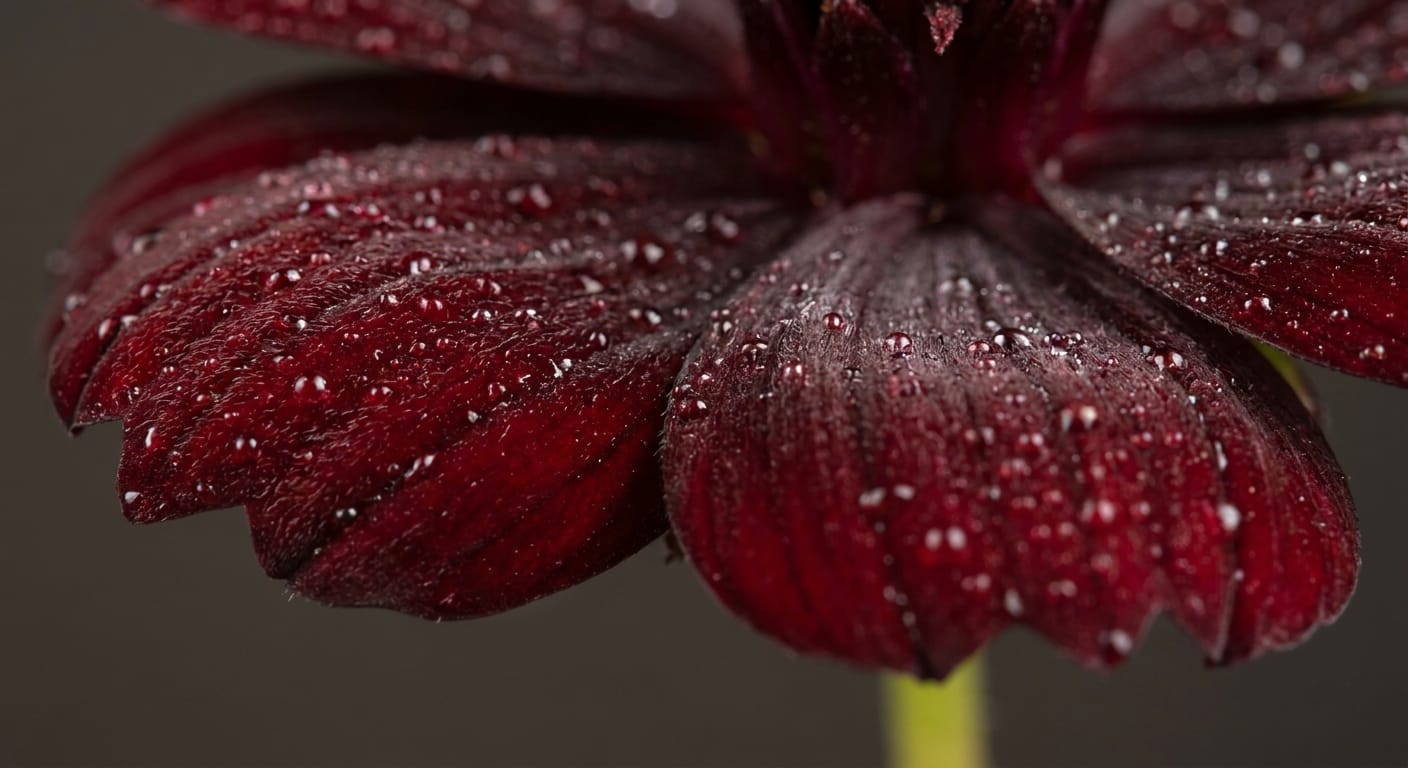
Okay, this one is a bit of a tragic story. The Chocolate Cosmos is technically extinct in the wild. The last original plant died out in Mexico over a hundred years ago. However, the plant we have today is a single clone of that original, which has been propagated through vegetative cuttings.
It’s called the Chocolate Cosmos because, I promise you, it smells like cocoa. It has this deep, rich, burgundy color that feels like luxury. While you might find some versions of this in high-end nurseries, the original genetic line is a testament to how human intervention can keep a species alive, even when the wild version is long gone. It’s a great example of why preserving heirloom varieties is so vital for the future of our gardens.
How Can You Protect Rare Flora?
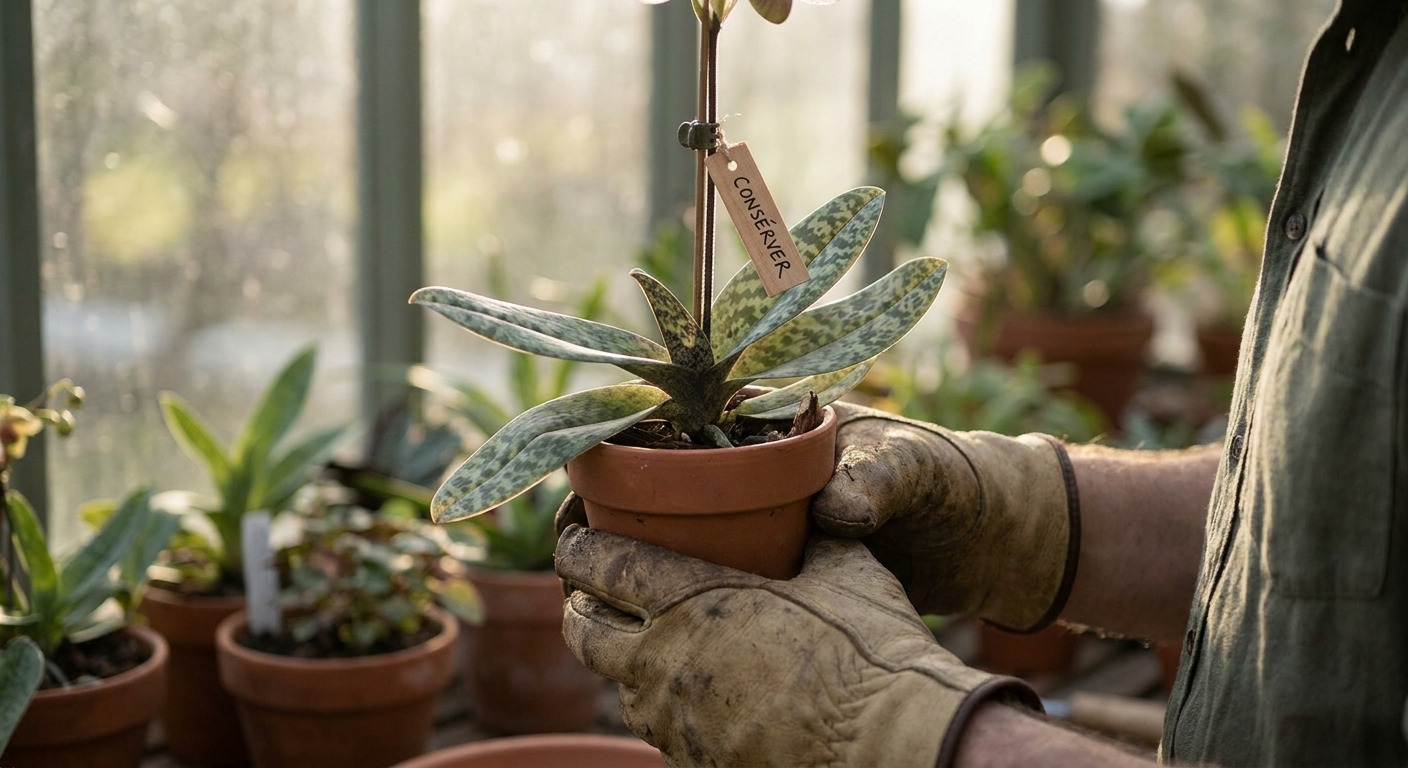
Most of us aren't going to stumble upon a Middlemist Red in our backyard, but we can still play a role in conservation. First, never purchase wild-harvested plants. If a nursery or seller can't tell you where their stock came from, walk away.
Second, support your local botanical gardens. Many of these institutions are actively involved in seed banking and habitat restoration. Finally, if you're a gardener, look into native plants for your specific USDA zone. Whether you're in Zone 6 in the Midwest or Zone 9 in California, planting native species provides essential food for local pollinators, which helps prevent the collapse of the ecosystems that rare flowers depend on.
It’s about creating a chain of support. When you protect the bees and the moths in your neighborhood, you’re indirectly supporting the complex web of life that allows rare and beautiful things to thrive. It’s a small step, but it adds up.
Why Rarity Matters in Floristry
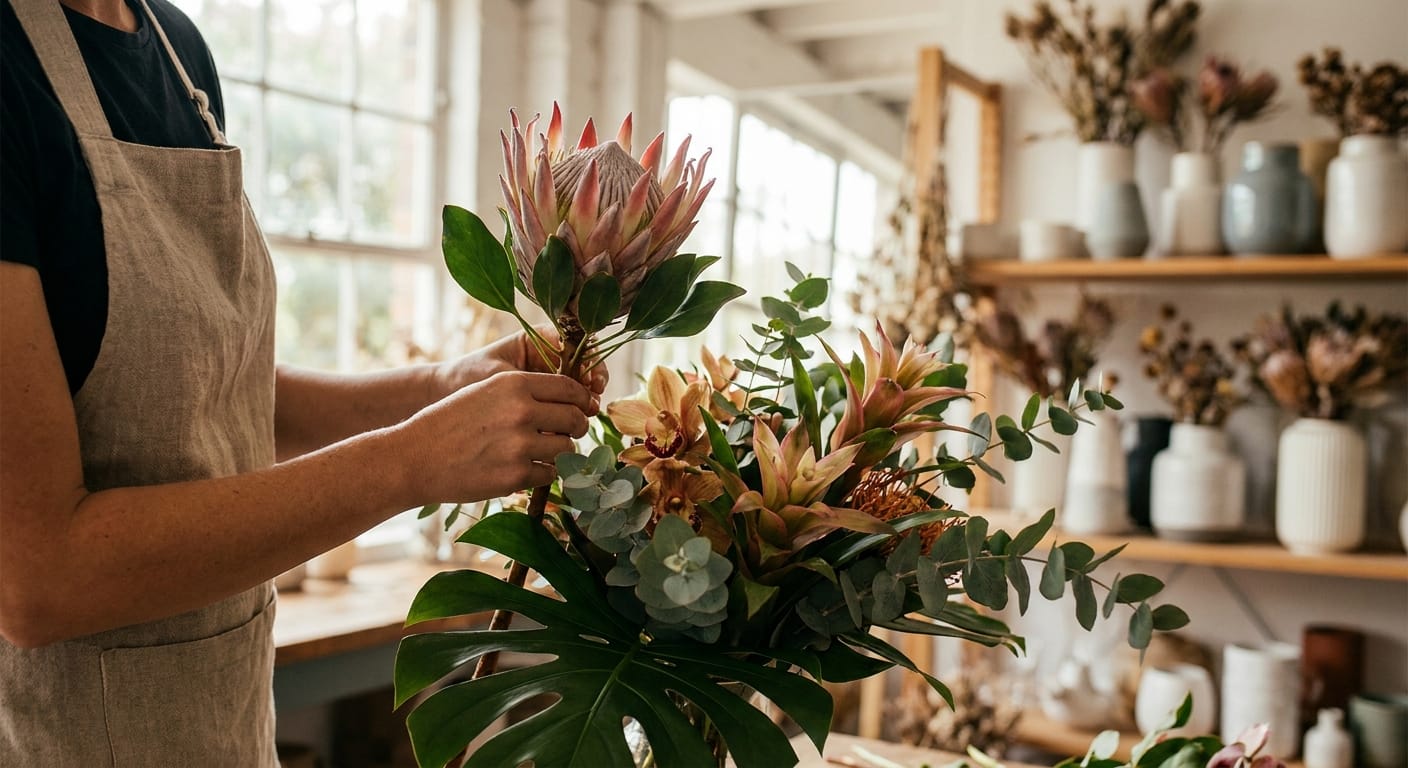
As a professional in the industry, I’ve seen trends come and go. We’ve moved from basic carnations to highly specialized, imported stems. But there is something humbling about knowing that some of the most stunning flowers on Earth are strictly off-limits. It keeps the industry grounded.
We often focus on 'exotic' flowers, but true rarity is about ecological balance. When we learn to appreciate the flowers that are common but perfectly adapted to our local climates, we stop trying to force the impossible. That said, if you ever get the chance to see a rare bloom in a conservatory, take it. It’s a bucket-list experience for any flower lover. It changes how you look at the stems in your own shop.
The bottom line is that the rarest flowers in the world serve as a beautiful, silent reminder of nature’s fragility. While we can’t always have them in our homes, we can certainly do our part to ensure their habitats remain protected for generations to come.

