
Back in the 1800s, people didn't just walk into a shop and pick up a bouquet because it looked pretty. They were sending telegrams without the wire. If you were a Victorian lady or gentleman, you knew that giving someone a specific stem could mean anything from "I adore you" to "I think you’re a bit of a bore." This secret code, known as floriography, was the ultimate tool for navigating the rigid social etiquette of the time.
Today, we’ve mostly forgotten these nuances, but there’s something incredibly romantic about knowing the hidden intent behind a gift. Whether you’re ordering from a local shop in Seattle or a boutique in Miami, understanding these symbols adds a layer of intention to your floral choices. It’s not just about the USDA hardiness zone or how long the petals last; it’s about the emotional narrative you’re building. Let’s break down the language of flowers so you can start sending messages that actually matter.
1. Red Rose
The red rose is the heavy hitter of the floral world. In the Victorian language, it was the universal symbol for passionate love and desire. It’s the direct, no-nonsense way of saying exactly how you feel. If you’re sending these, you’re making a bold statement. In my experience, most people use them for anniversaries or Valentine’s Day, but honestly, there’s a certain power in using them for a spontaneous "just because" gift. Just be careful if you pair it with other flowers, the message can get complicated fast.
2. Baby’s Breath
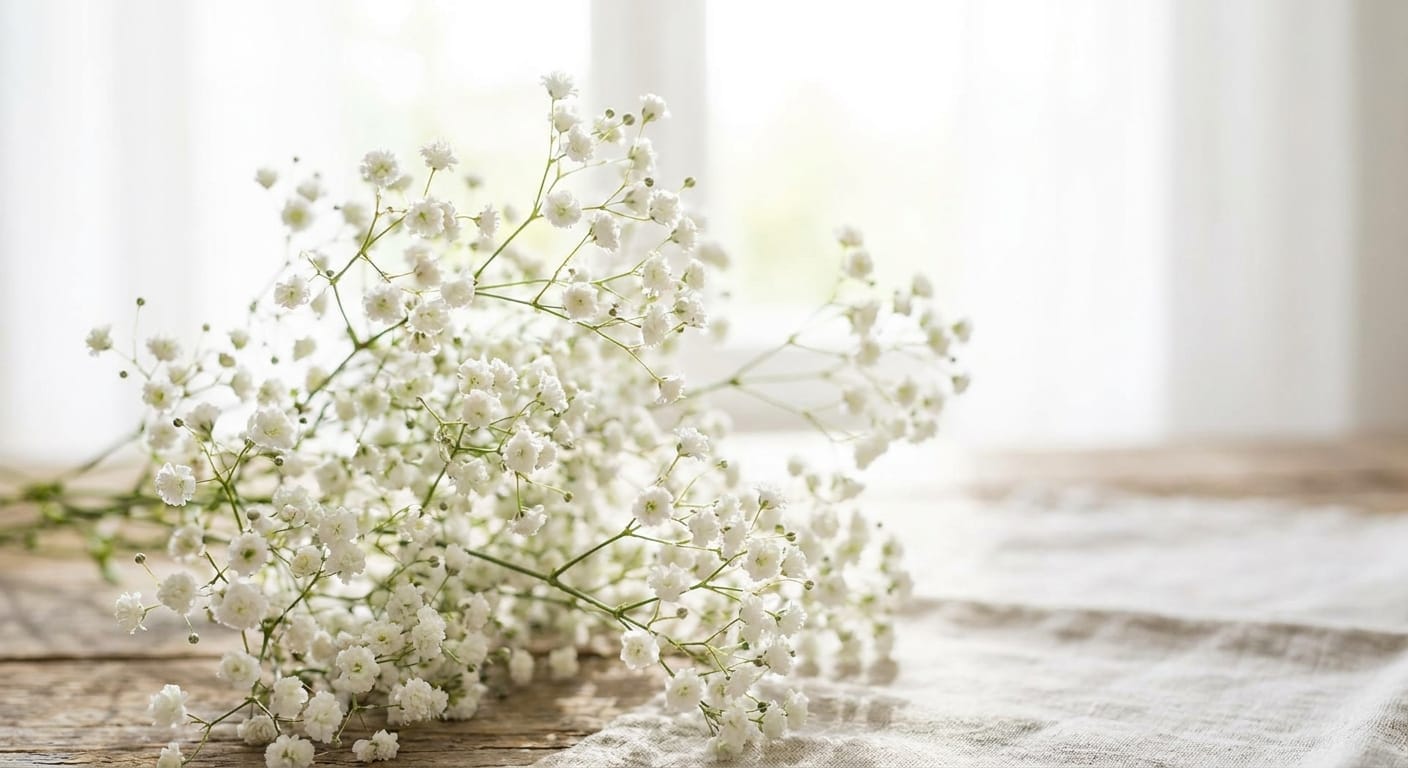
Often dismissed as mere filler, baby’s breath actually holds a lovely meaning: innocence and purity of heart. Victorians saw these tiny, cloud-like clusters as a symbol of everlasting love or a pure spirit. I always tell my clients, don't overlook the "fillers." They provide the texture that makes a bouquet feel complete, and their subtle meaning adds a layer of humility to an otherwise grand arrangement.
3. Hydrangea
This one is tricky. Depending on the era and the source, the hydrangea was often seen as a sign of heartlessness or vanity because they require so much water to stay upright. However, they also represent gratitude and heartfelt emotion. If you’re in a humid climate like the Southeast, these grow like weeds, but they still command respect in a vase. Use them when you want to show deep appreciation, but maybe keep them away from someone who is already a bit full of themselves.
4. Ivy
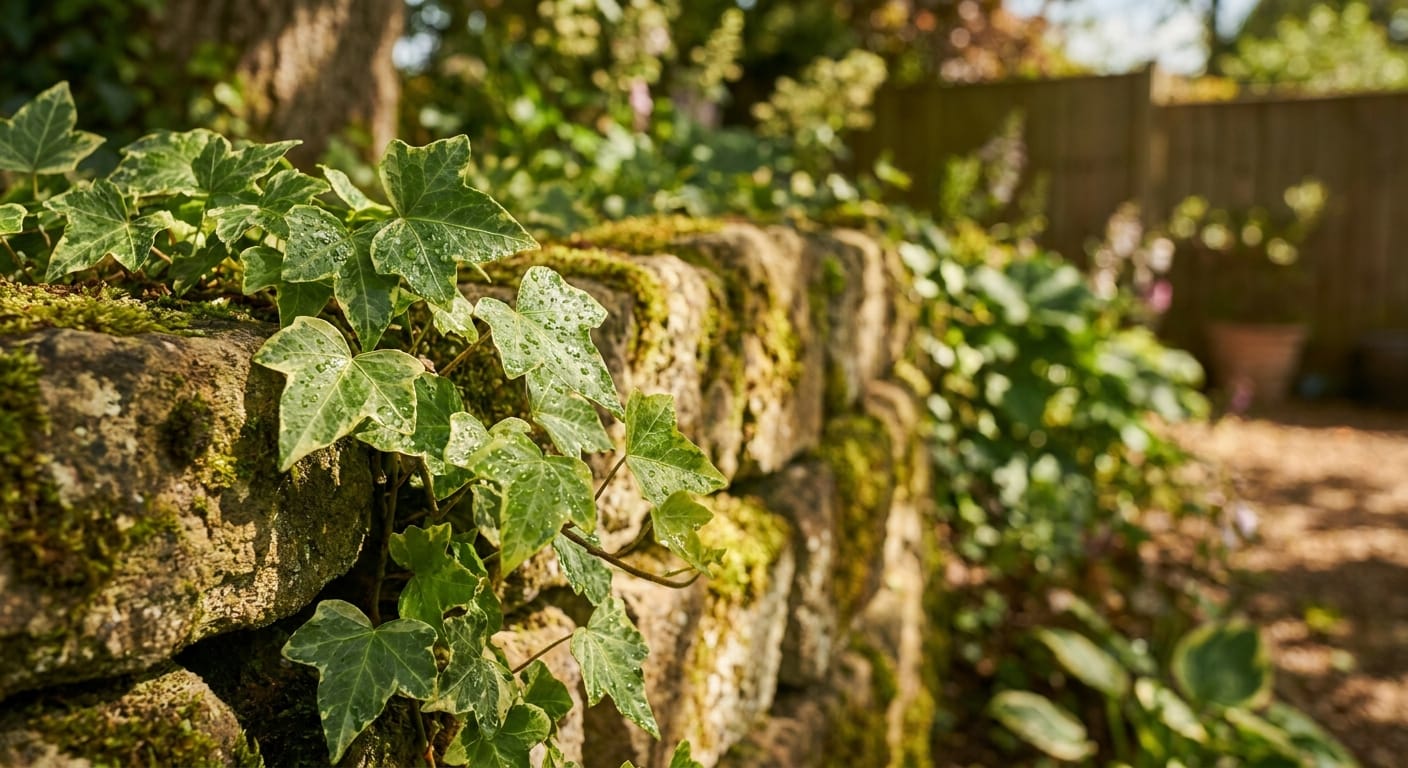
Ivy is all about fidelity and marriage. It’s a climber that sticks to whatever it touches, which is why it became the go-to symbol for commitment. I love tucking a bit of ivy into wedding bouquets or anniversary arrangements. It’s a classic, sturdy choice that grounds the more fragile blooms. If you want your message to say "I'm here to stay," add some ivy.
5. Sunflower
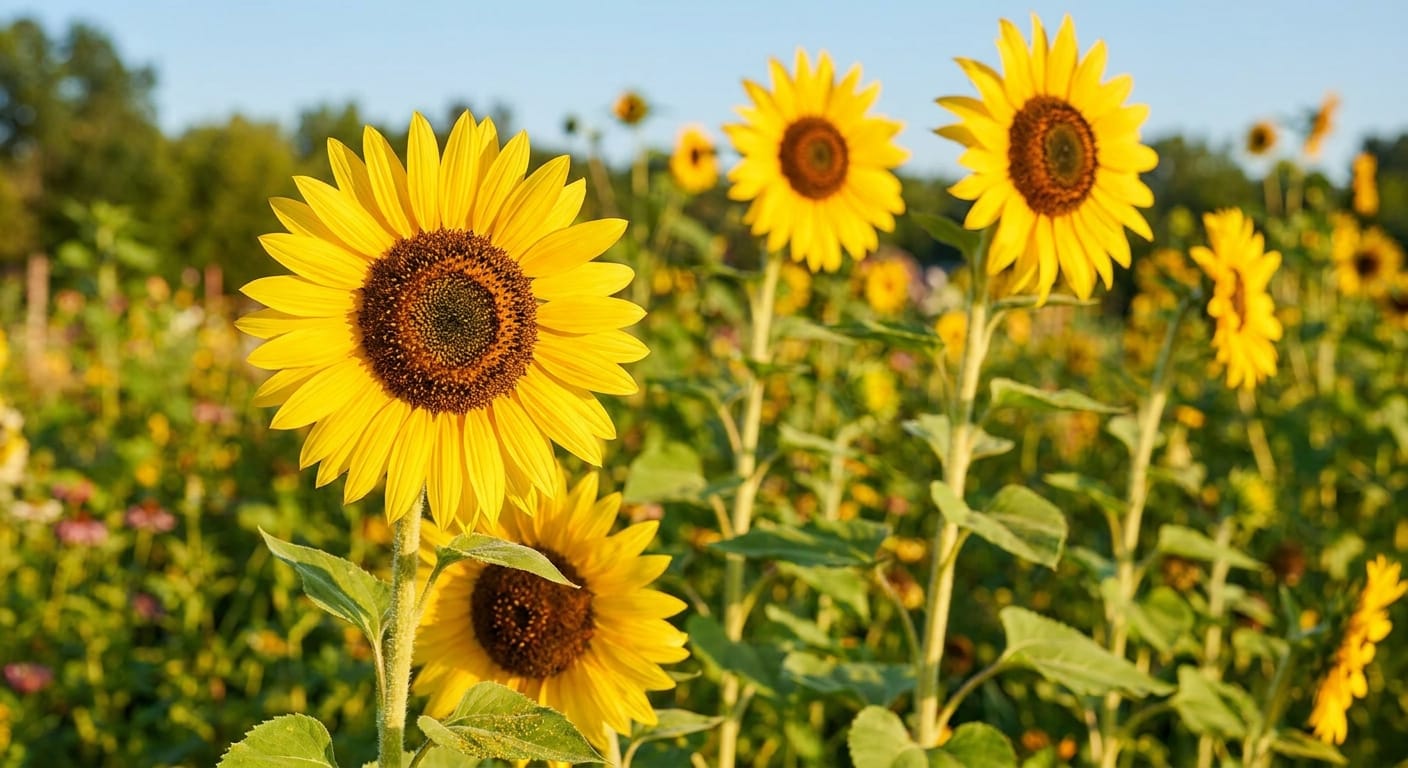
These giants are all about adoration and loyalty. The way they track the sun across the sky is the perfect metaphor for someone who looks up to their partner. They’re bold, they’re loud, and they’re incredibly hard to ignore. If you’re sending these to someone in a colder region where they might not grow well, like the northern parts of the US, they’re a fantastic way to bring a little bit of artificial summer warmth into a room.
6. Lavender
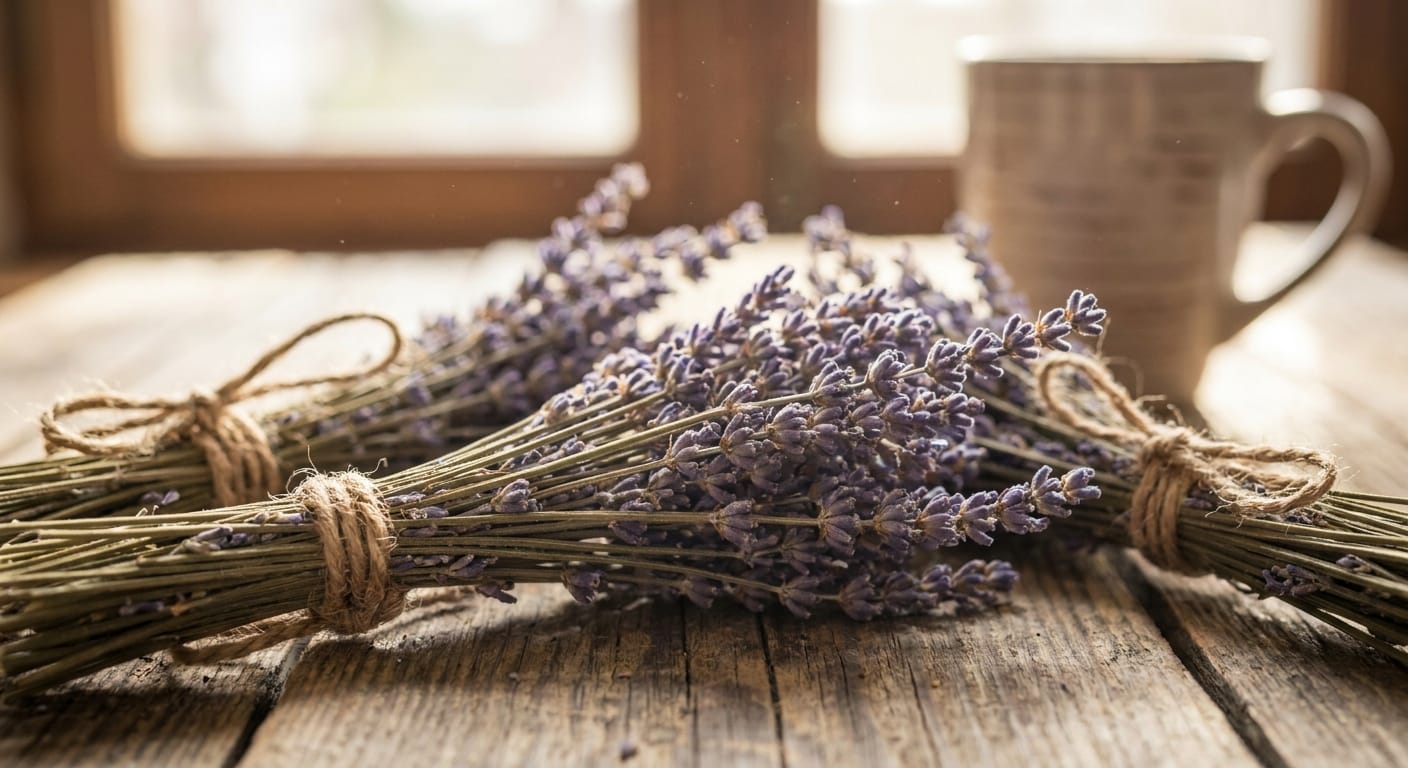
Lavender is the flower of devotion and silence. It’s often associated with peace and tranquility, making it a great choice for someone who needs a bit of calm. It’s also one of the few flowers that smells as good as it looks. I usually suggest adding a sprig or two to a gift for someone who is going through a stressful time it’s a gentle way of saying "I’m here for you, even if we don't need to talk about it."
7. Lily of the Valley
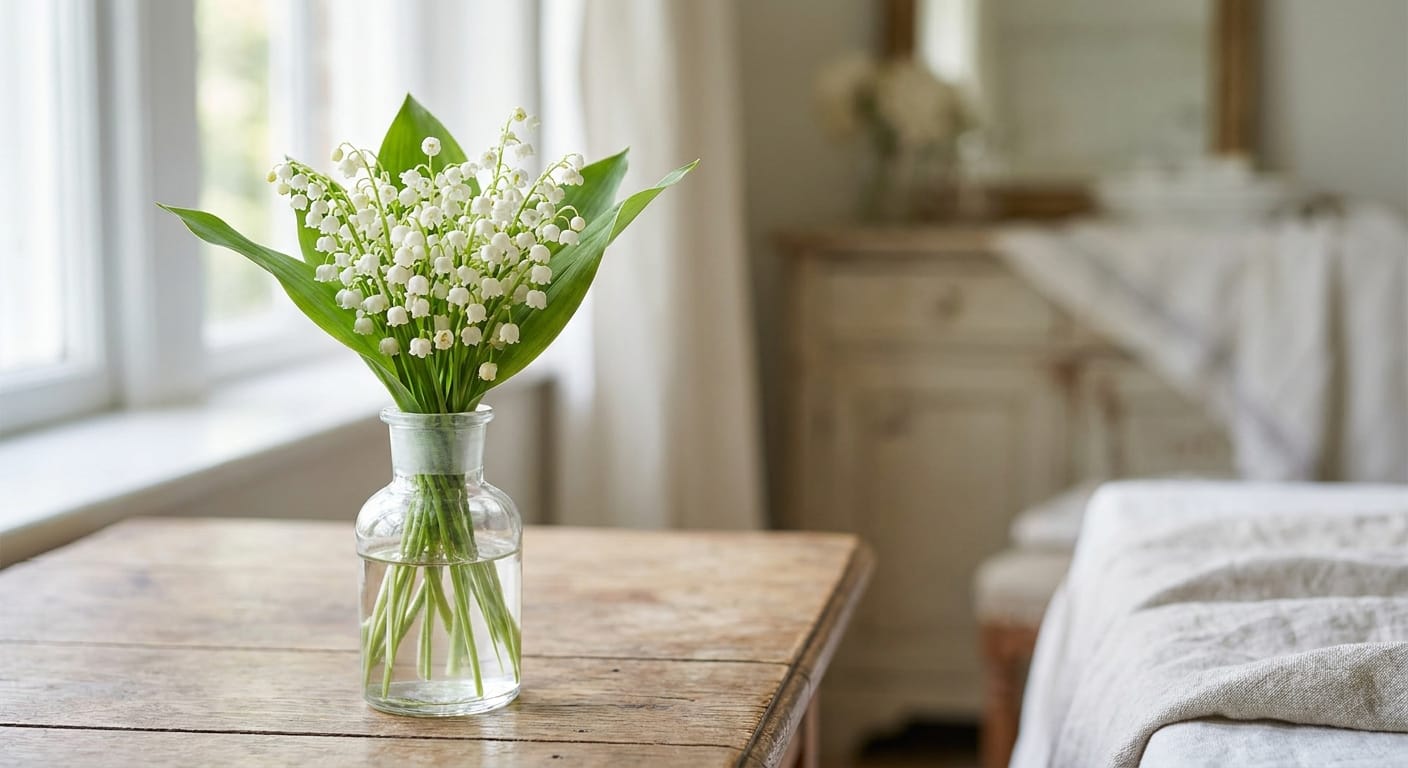
These little bells are the ultimate sign of the return of happiness. They’re delicate, they’re fragrant, and they’re notoriously difficult to keep alive, which makes them feel like a real treat. They were a favorite in Victorian weddings because they represented a fresh start. If you’re looking to apologize or brighten someone’s day after a rough patch, this is the bloom you want.
8. Peony
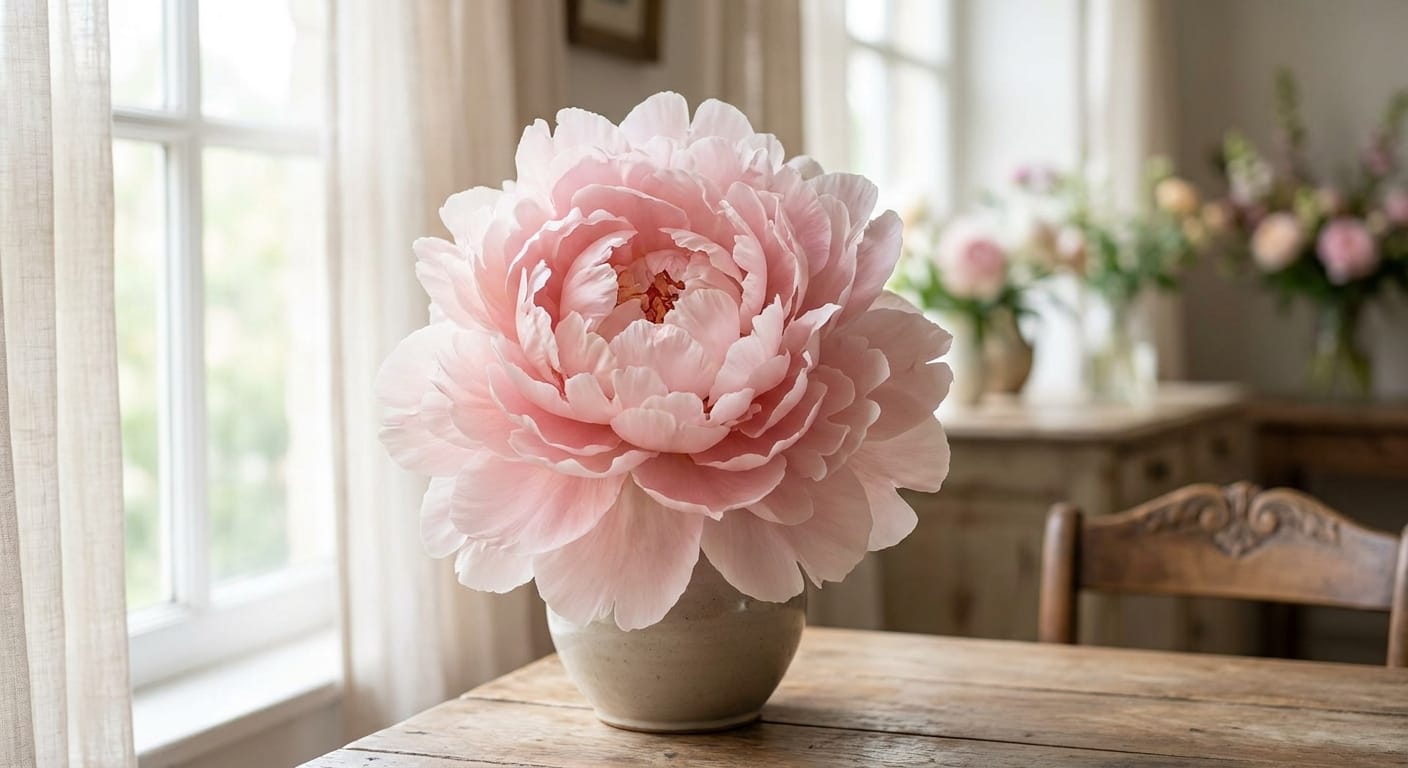
Peonies are synonymous with prosperity and good fortune. They are the "it" flower for weddings, and for good reason. They look opulent, they smell incredible, and their short season makes them feel like a luxury. In the language of flowers, gifting a peony is essentially wishing someone a happy and abundant life. It’s a generous, high-energy flower that never fails to impress.
9. Forget-Me-Not
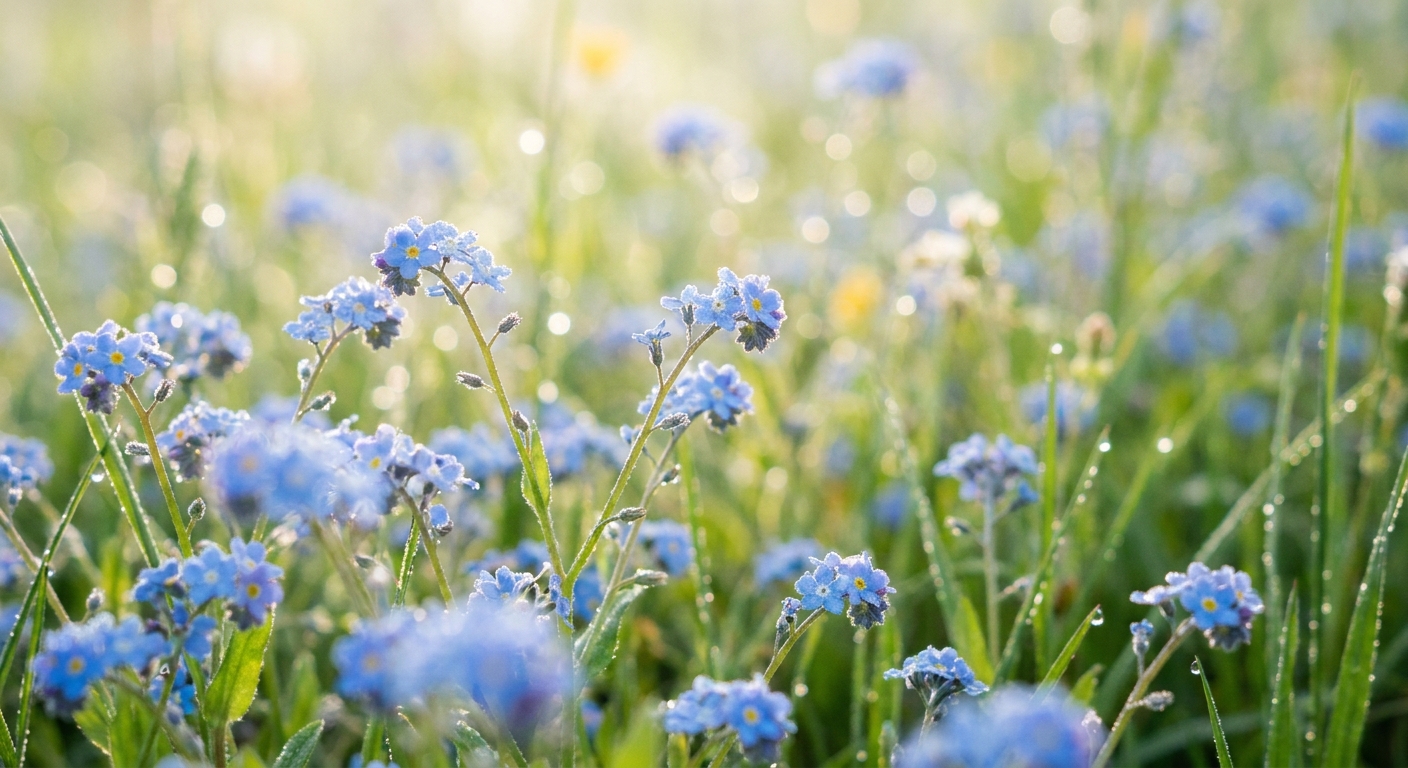
As the name implies, these are the classic symbol of true love and memories. They’re small, unassuming, and often missed if you aren't looking for them, but their meaning is profound. I like using these in sympathy arrangements or as a parting gift for someone moving away. It’s a quiet, persistent reminder that you won't be forgotten.
10. Tulip
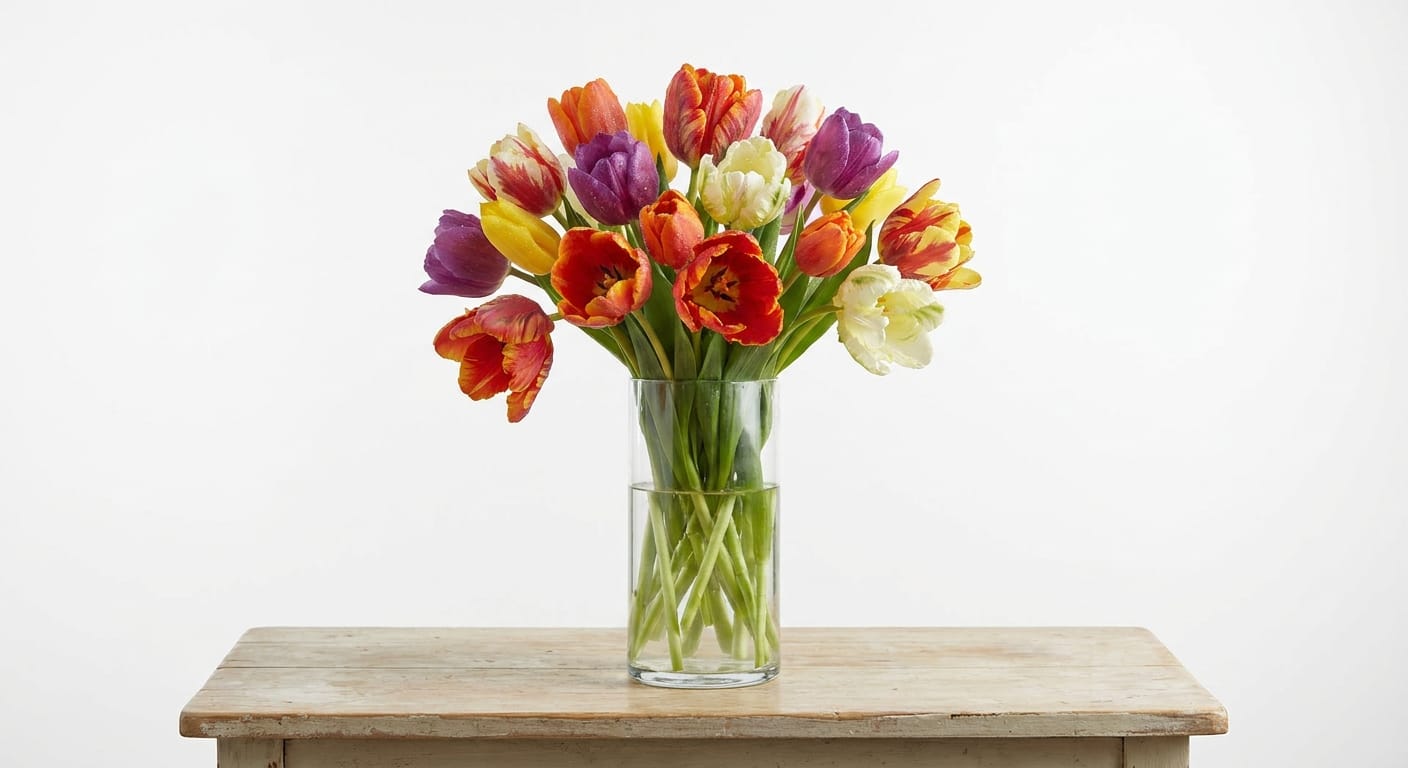
Tulips are fascinating because their meaning changes by color. Generally, they represent perfect love. Red tulips mean "believe me," while yellow tulips are often associated with "there's sunshine in your smile." If you’re sending a mixed bouquet of tulips, you’re basically sending a complex letter of affection. They are a staple in US floristry, especially during the spring months, and they’re incredibly reliable for long-lasting vase life if you keep the water cool.
11. Carnation
Don't let the "grocery store flower" reputation fool you. Carnations are resilient and packed with meaning. Pink carnations symbolize a mother’s love, which is why they’re the standard for Mother’s Day. They’re also known for lasting two weeks or more if you change the water and trim the stems. They are the workhorses of the floral industry, and they deserve more respect for their longevity and their sweet, spicy scent.
12. Chrysanthemum
In the Victorian language, mums are complicated. While they often represent loyalty and friendship, in some cultures, they are associated with funerals. In the US, they are the go-to for fall arrangements. I always tell my customers to look at the color: white is for truth, and yellow is for slighted love. It’s a flower with a lot of history, so if you’re sending them, make sure you know your recipient’s cultural background.
13. Gladiolus
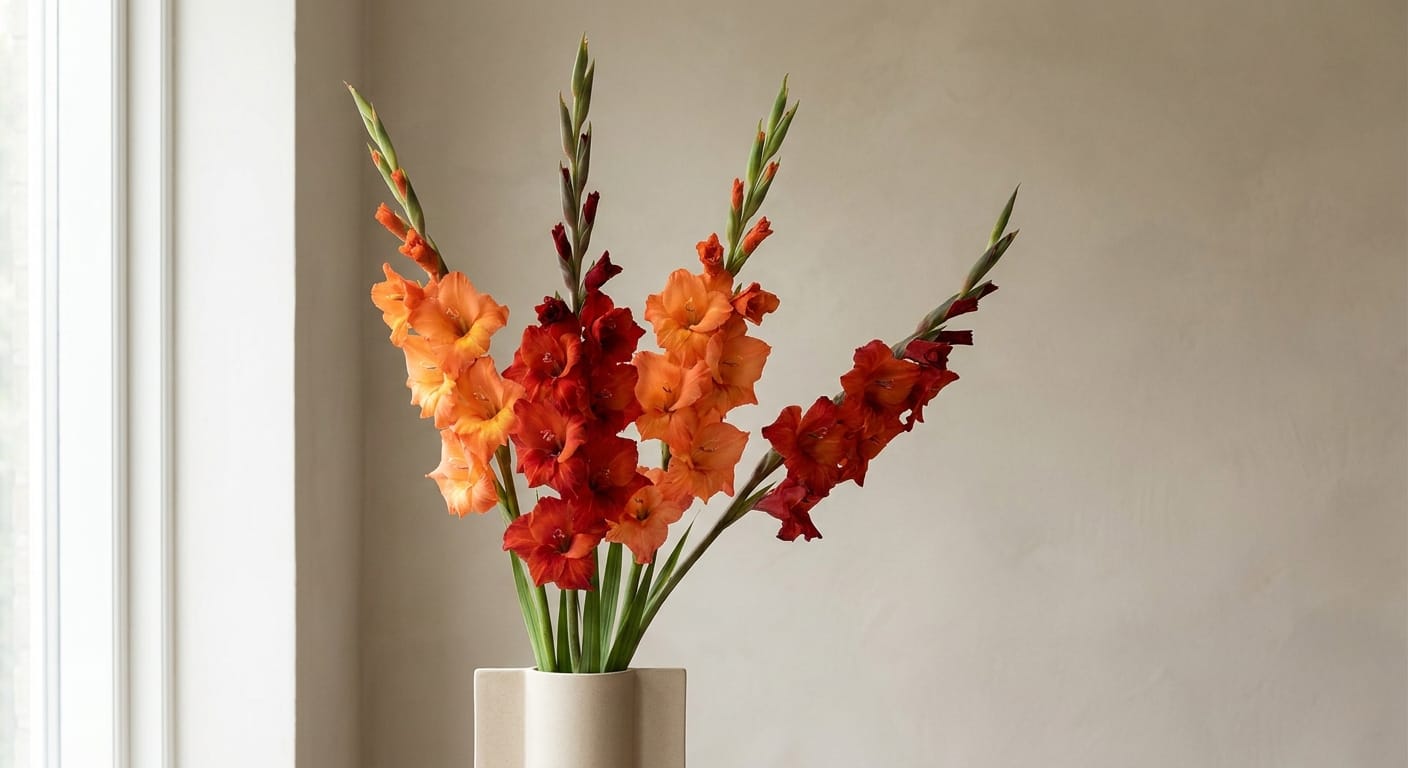
These are the flowers of strength and integrity. Their name comes from the Latin word for "sword," which explains their shape. They are the perfect gift for someone who has just accomplished something difficult, like a graduation or a promotion. They stand tall, they take up space, and they demand attention. If you want to honor someone’s character, reach for the glads.
14. Daisy
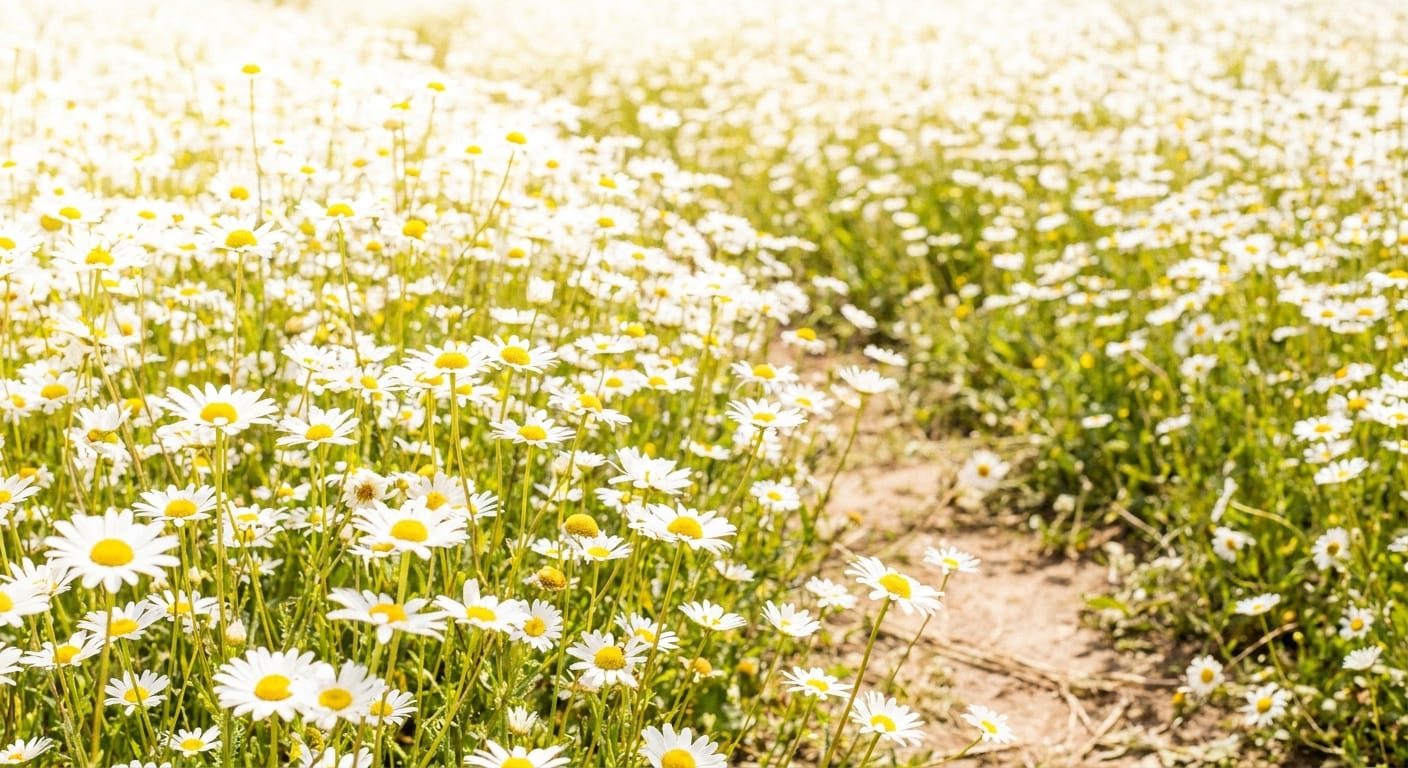
Daisies are the definition of innocence and loyal love. They’re the "I love you, I love you not" flower of our childhood. They don't have the ego of a rose or the drama of a lily. They are just pure, unadulterated happiness. I love them for casual gifts they’re the floral equivalent of a warm hug.
15. Orchid
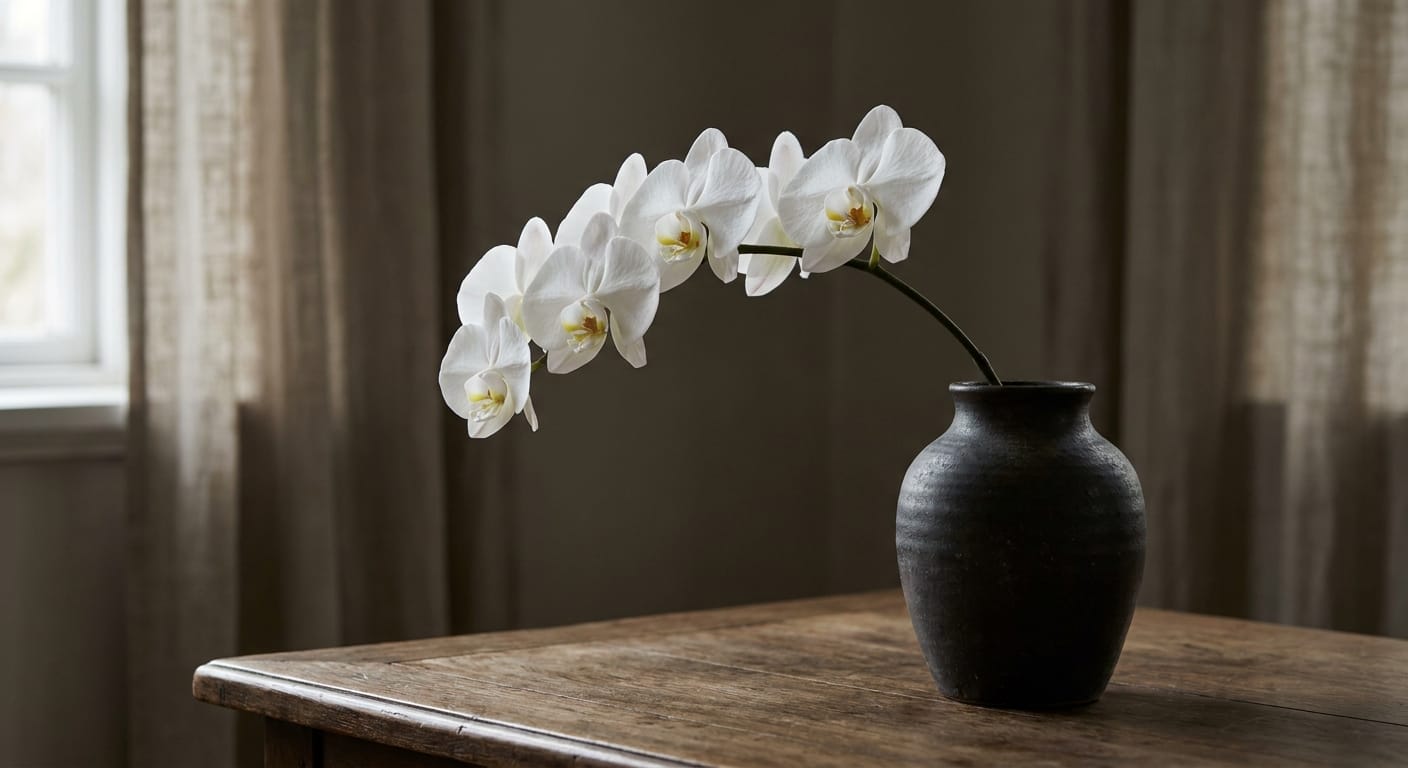
Orchids were the ultimate status symbol in the Victorian era, representing refinement and exotic beauty. They weren't easy to get, and they weren't easy to grow. Today, they still carry that air of sophistication. If you’re gifting an orchid, you’re telling the recipient that you think they are unique, rare, and incredibly special. Plus, they last for months, which is a nice bonus.
16. Camellia
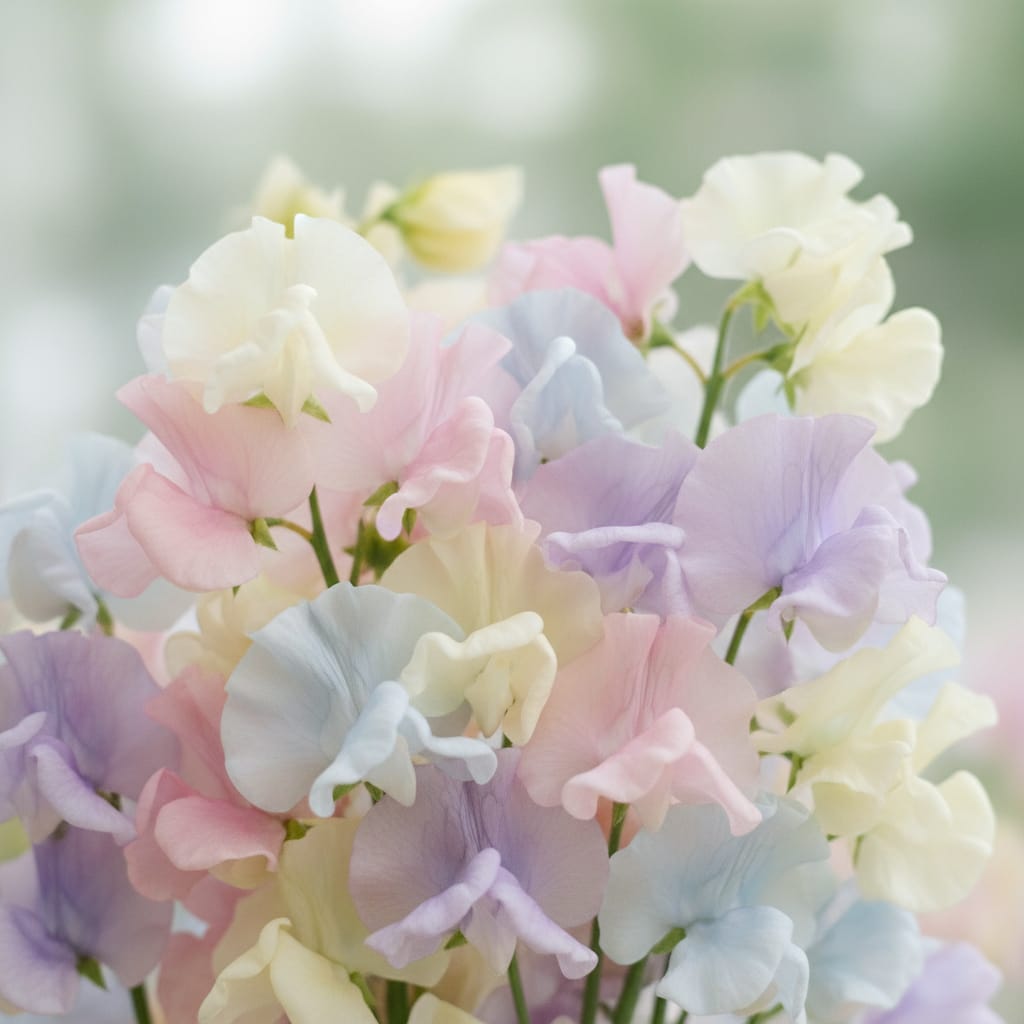
Camellias are all about perfection and excellence. They look like they’ve been sculpted out of wax. In the language of flowers, they represent a deep, unwavering admiration for someone’s beauty or talent. They are a bit high-maintenance, but they are absolutely stunning in a bridal bouquet or a formal centerpiece.
17. Daffodil
When these pop up in the garden, you know winter is finally over. Daffodils symbolize new beginnings and rebirth. They are the first sign of hope after a long, cold season. If you’re sending these to someone, you’re basically telling them that better days are ahead. It’s a powerful message, especially for those who need a little encouragement.
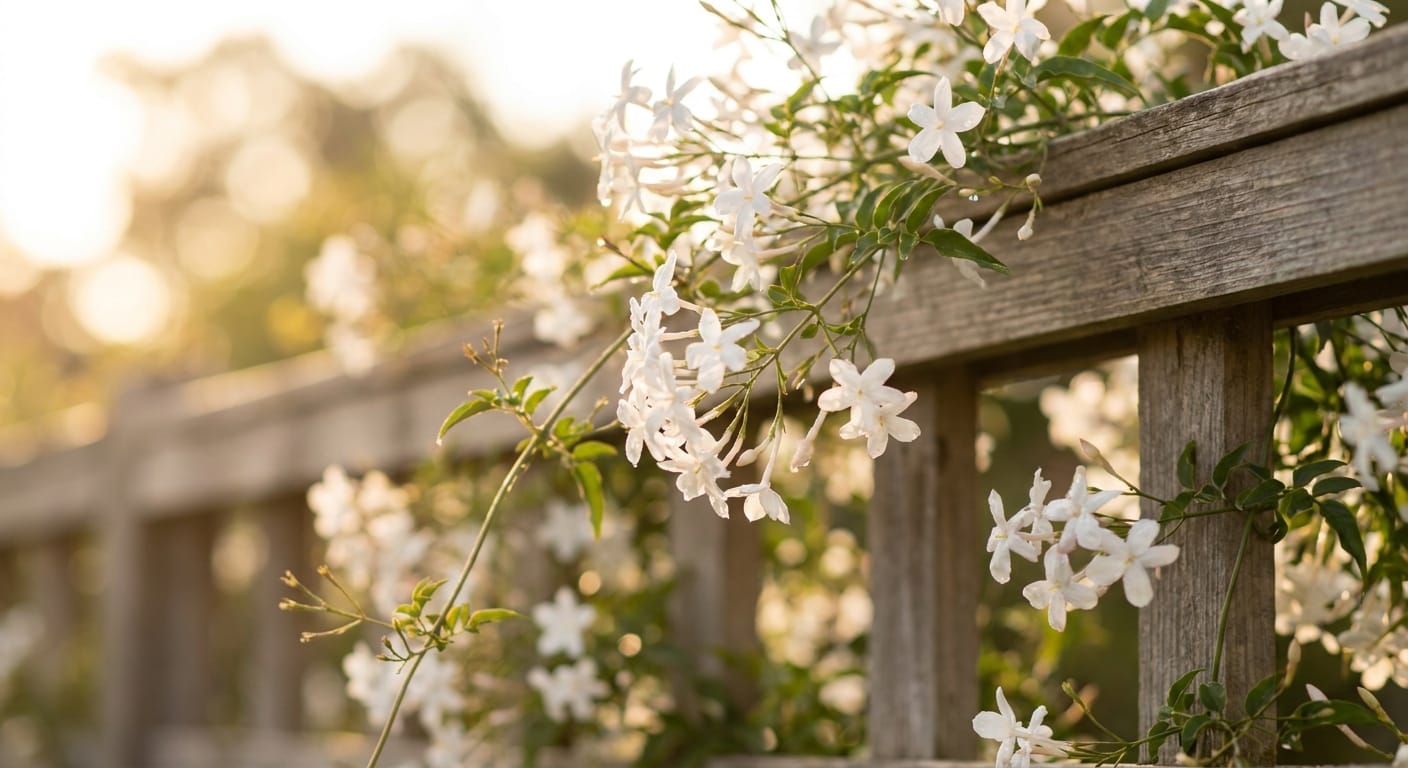
18. Jasmine
Jasmine is for sensuality and attachment. Its scent is intoxicating and hard to ignore. It’s a flower that speaks to the senses rather than the intellect. If you’re trying to build a romantic atmosphere, nothing does it quite like jasmine. Just a few stems in a vase will perfume an entire room.
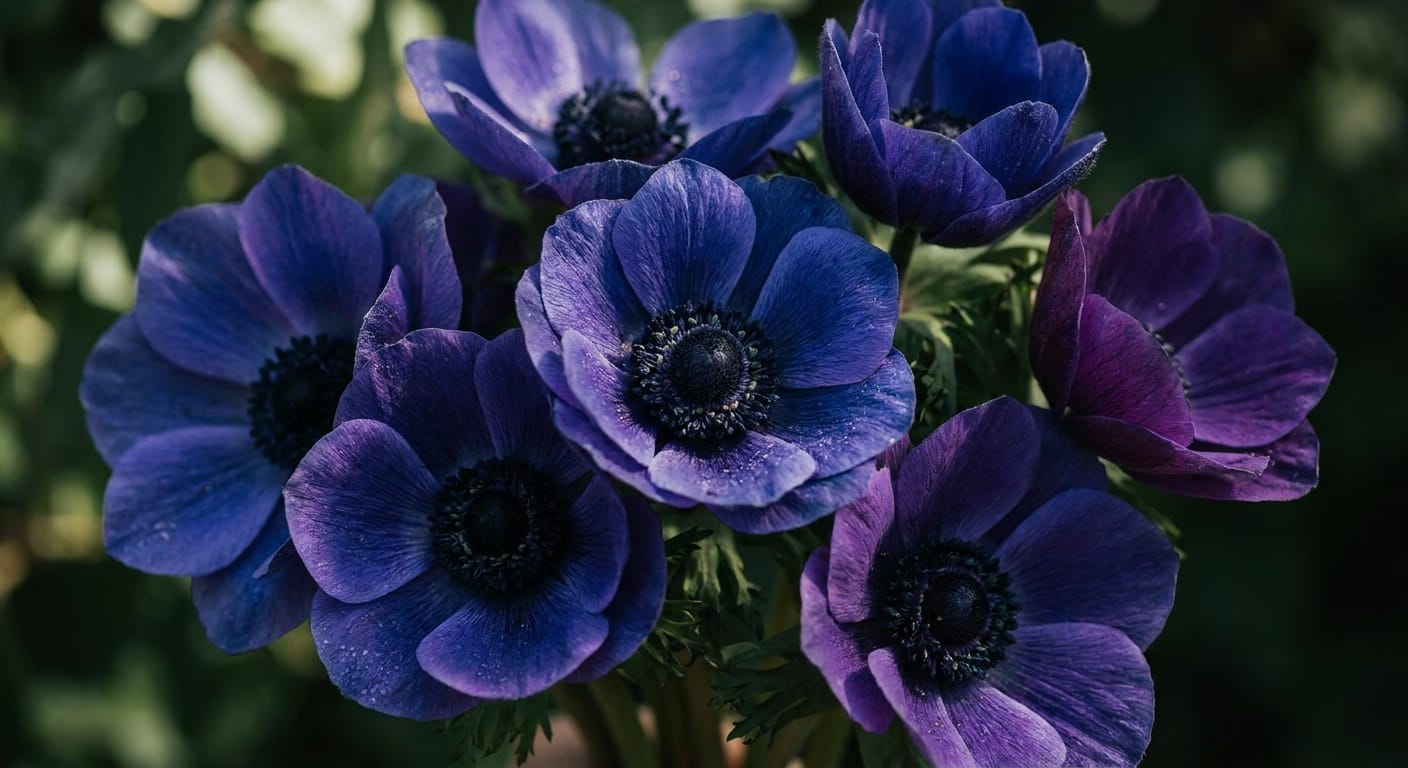
19. Anemone
These have a bit of a dark side. In mythology, they are associated with forsaken love or anticipation. They are fragile, thin-petaled flowers that don't last long, which adds to their melancholy beauty. I love using them in winter bouquets where their dark, moody colors really stand out against lighter blooms.
20. Snapdragons
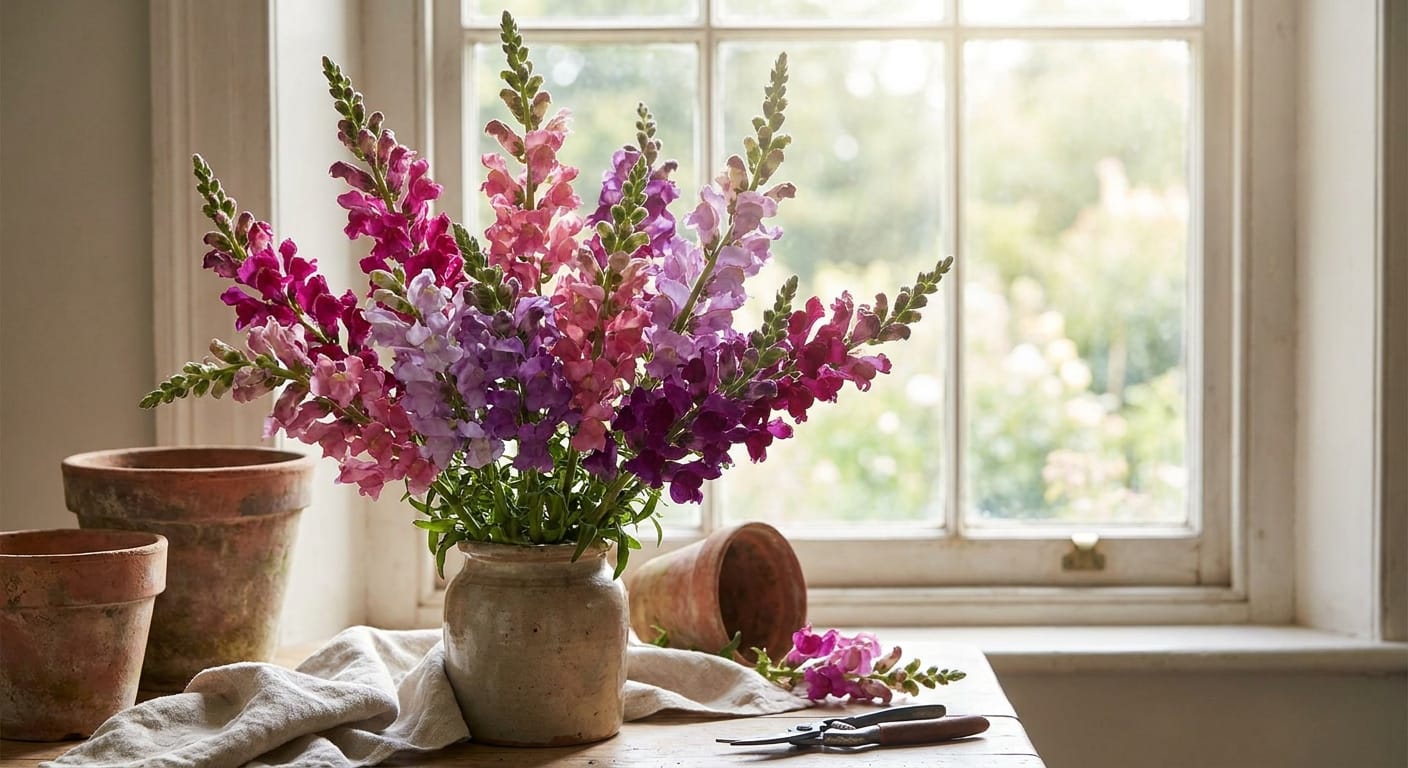
Snapdragons represent graciousness and strength. Their unique shape makes them fun to play with if you squeeze the sides, they "snap" open. They are the perfect addition to a bouquet for someone who has a strong personality but a gentle heart. They add height and a bit of whimsy to any arrangement.
21. Hyacinth
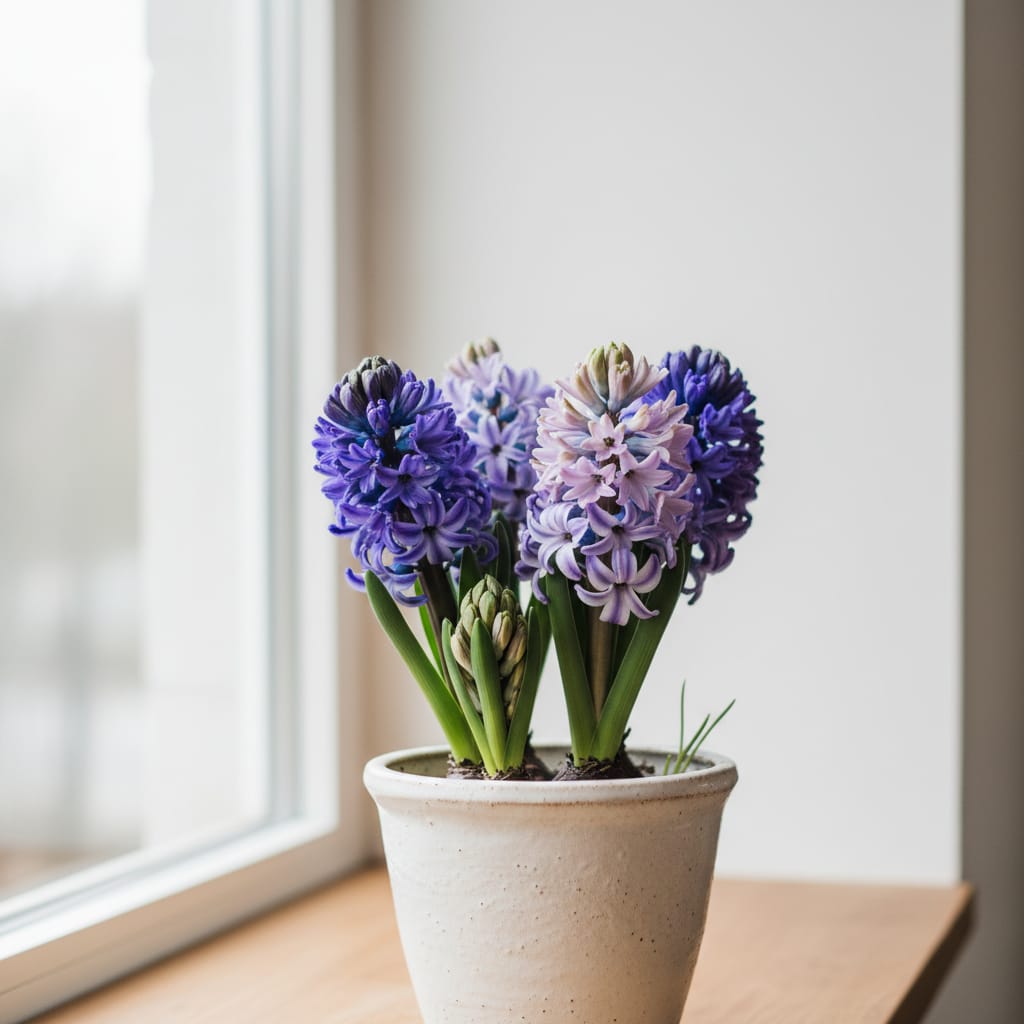
These are the flowers of playfulness and sport. They were often associated with the games and leisure of the Victorian era. They have an intense scent that can be a bit overwhelming, so keep them in a well-ventilated room. They are the perfect way to add a bit of fun and energy to your home.
22. Ranunculus
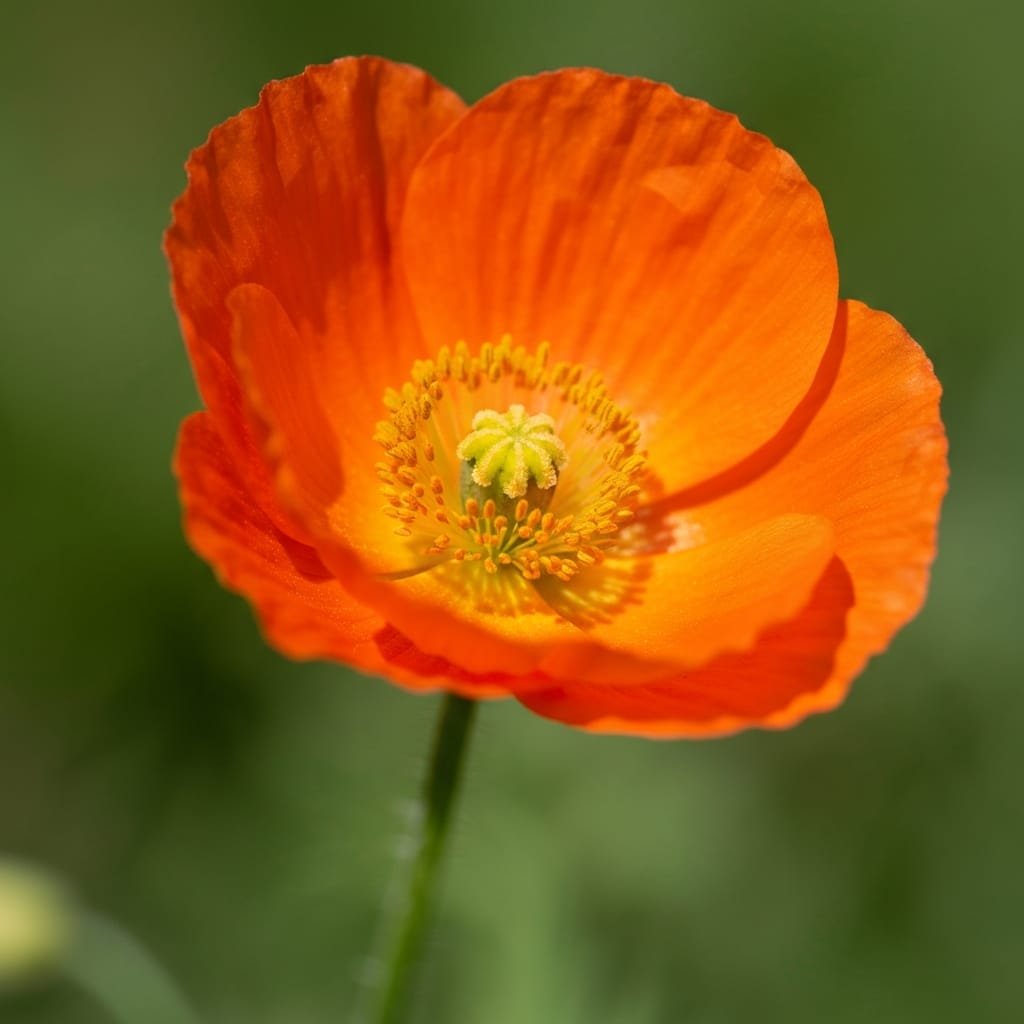
These are the "I am dazzled by your charms" flower. They are essentially a more complex, ruffled version of a rose. They represent attractiveness and charm. If you want to tell someone they are the most captivating person in the room, send them a bouquet of ranunculus. They are a florist’s favorite because they come in every color imaginable.
23. Zinnia
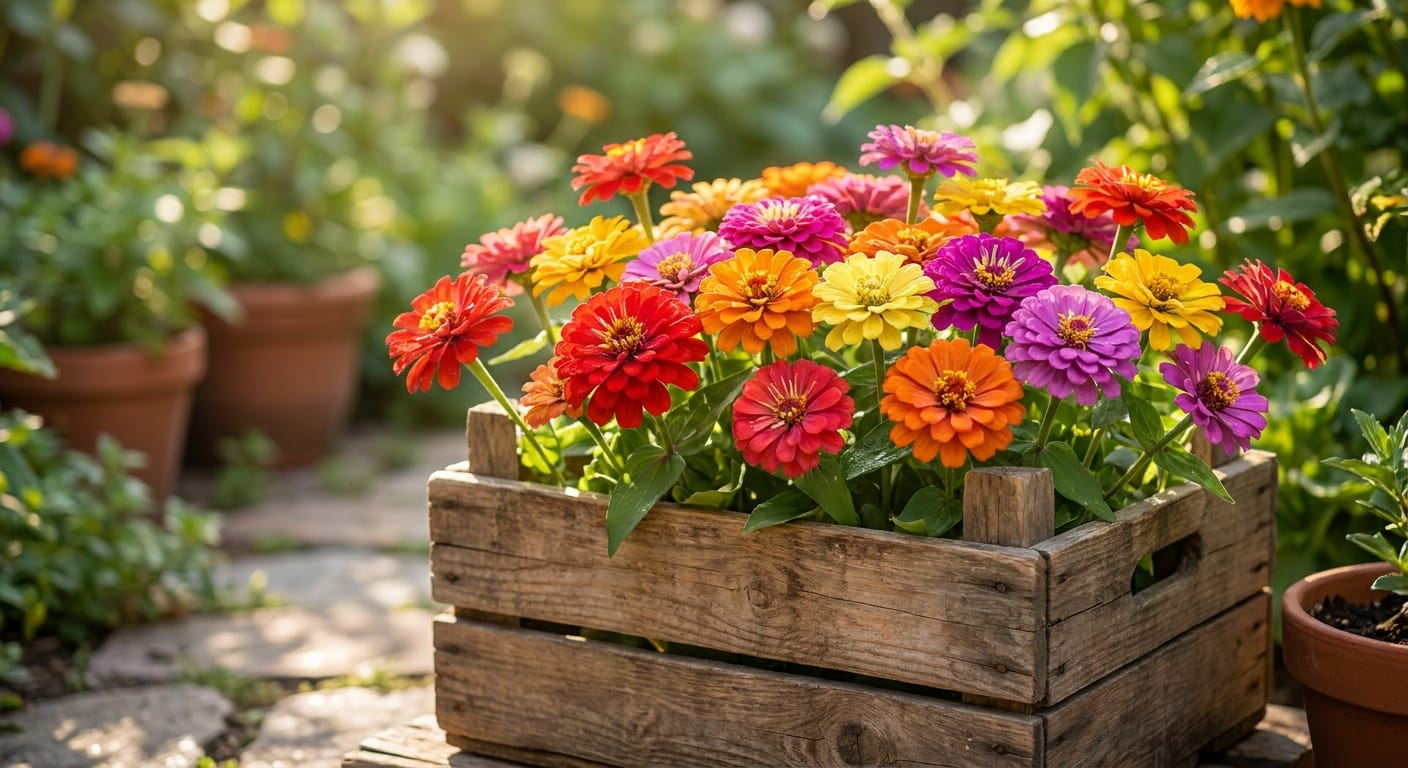
Zinnias are for thoughts of absent friends. They are the quintessential cottage garden flower. They’re easy to grow, they’re tough, and they keep blooming until the first frost. If you have a friend who lives far away, a bouquet of zinnias is a sweet way to say, "I’m thinking of you."
24. Sweet Pea
These represent blissful pleasure and goodbyes. They are the ultimate fragrance flower. Their scent is light, sweet, and unmistakable. They are perfect for a thank-you bouquet or a celebration. Just remember they are short-lived, so enjoy them while they last.
25. Aster
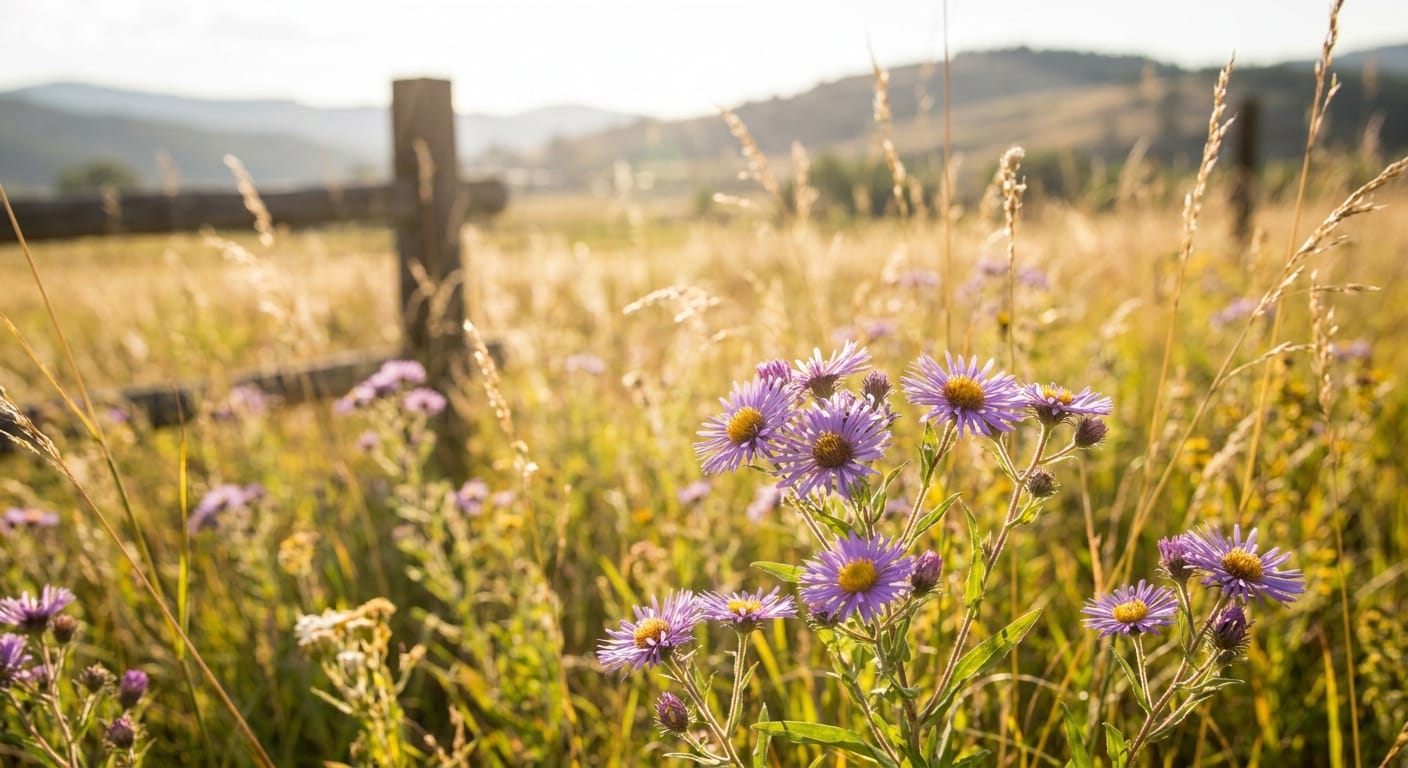
These are the flowers of patience and daintiness. They are the late bloomers of the garden, often appearing when everything else is starting to fade. They are a reminder to take your time and appreciate the beauty in the quiet moments. They are excellent for adding a touch of purple to a wildflower-style arrangement.
26. Magnolia
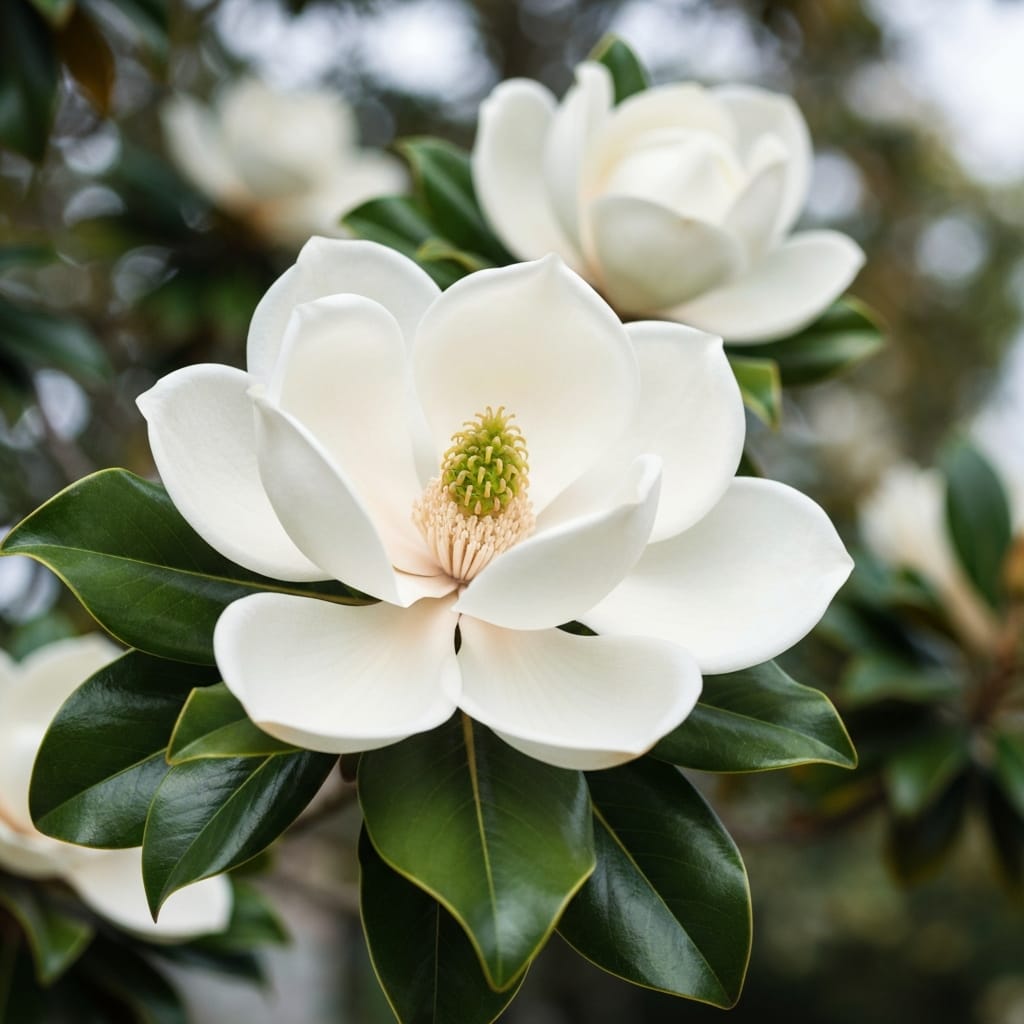
Magnolias symbolize dignity and nobility. They are the heavyweights of the South. Their petals are thick and waxy, and their scent is pure, lemony luxury. They are perfect for formal events or as a centerpiece that needs to make a grand, elegant statement.
27. Lilac
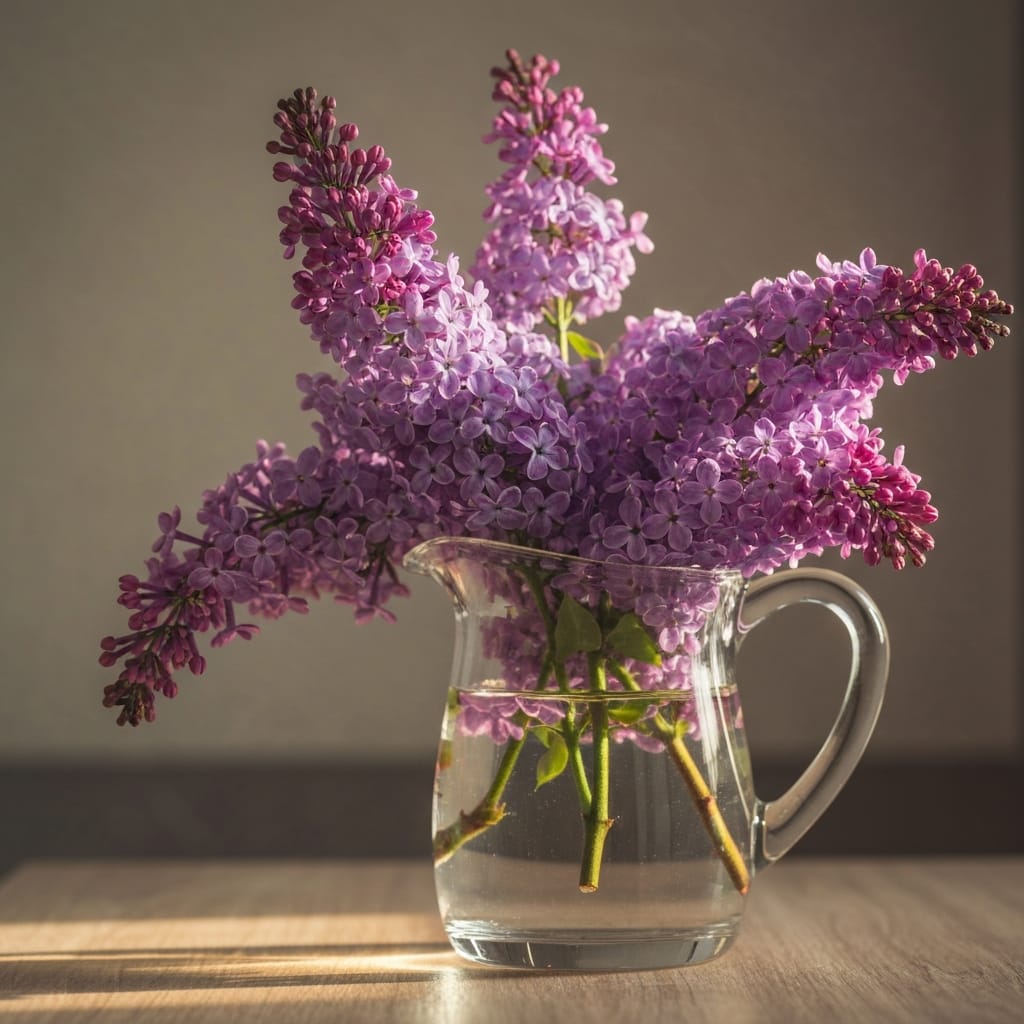
Lilacs represent the first emotions of love. They are the flower of youth and new beginnings. Their scent is the smell of spring itself. They don't last long once cut, so they are a fleeting, precious gift that captures a moment in time.
28. Iris
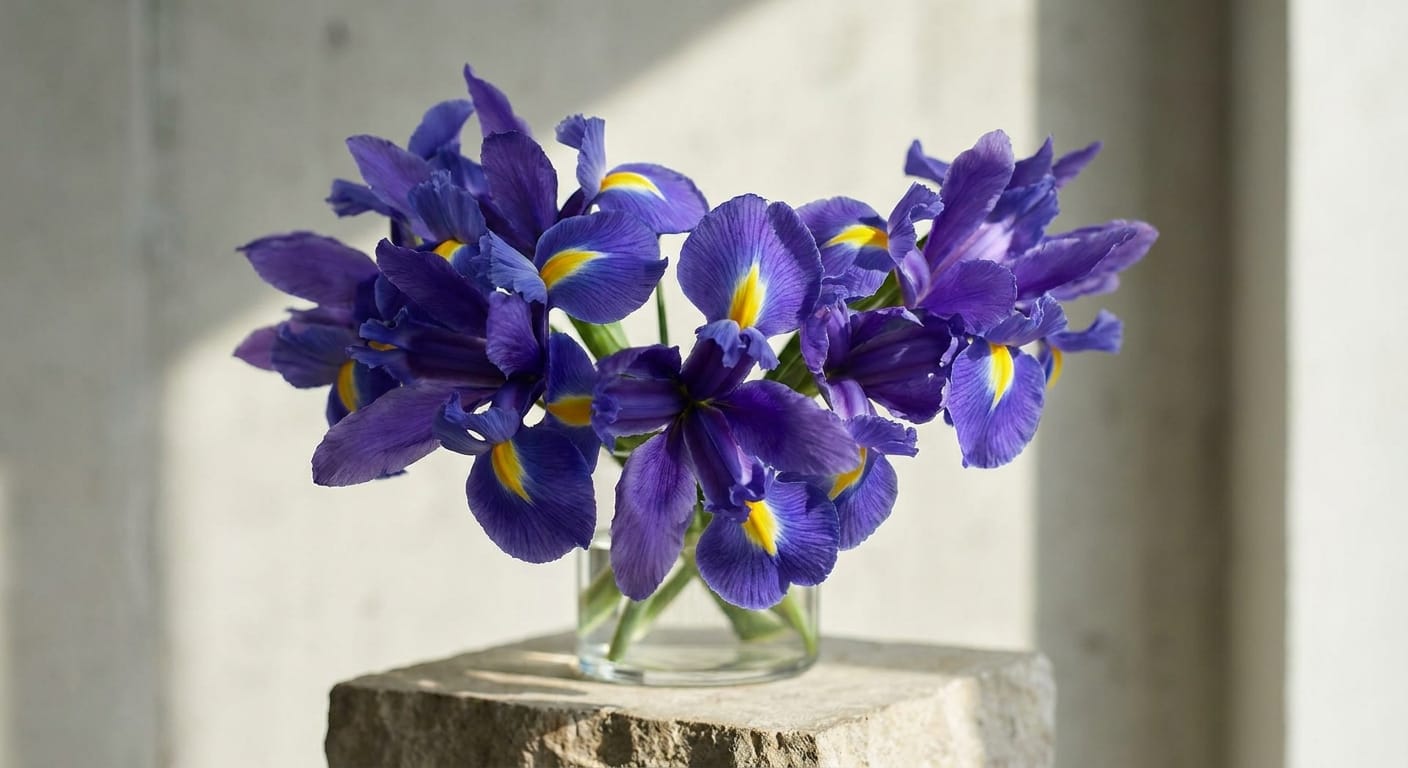
Irises are for wisdom and hope. Their three petals are said to represent faith, valor, and wisdom. They are a powerful, meaningful gift for someone who is going through a transition or a life change. They are also incredibly resilient and stand up well in a vase.
30. Petunia
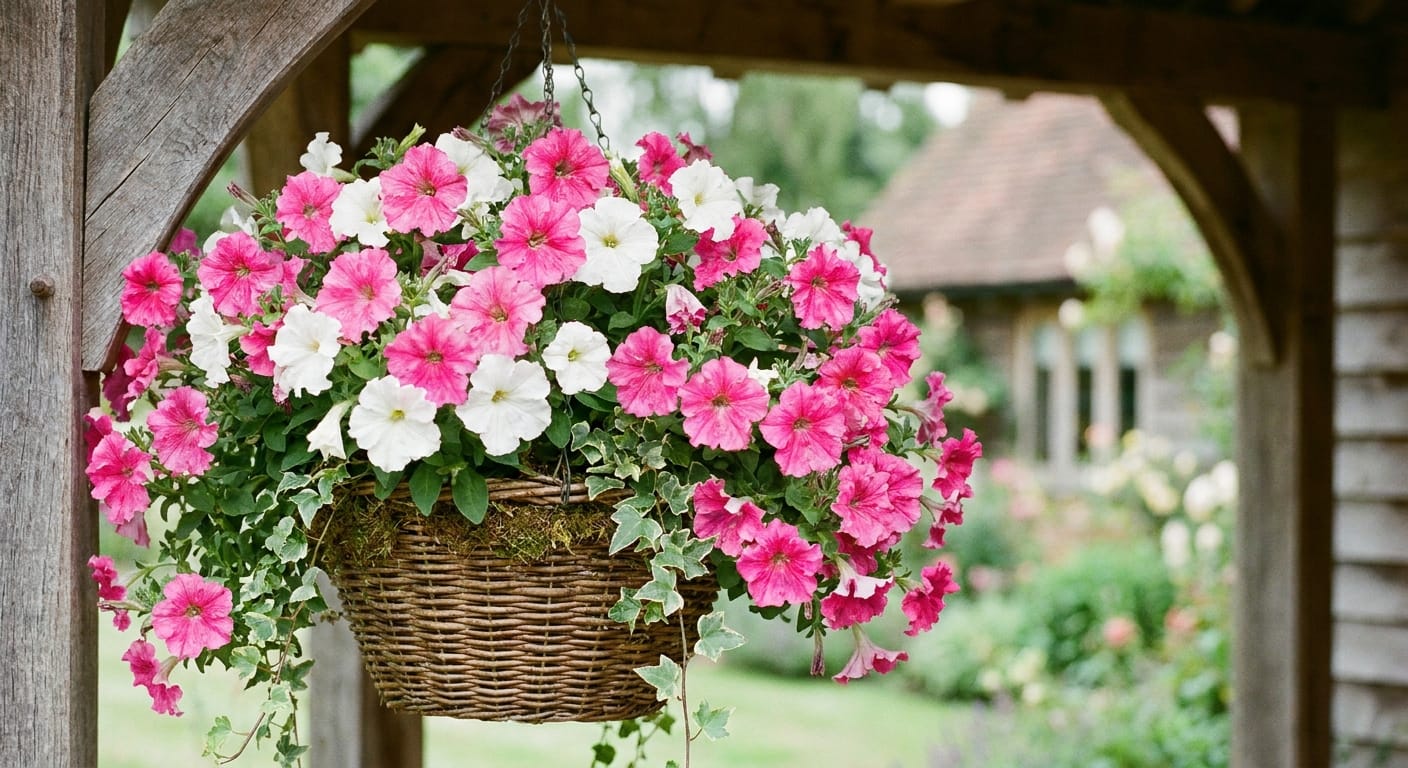
Petunias represent presence and comfort. They are the flowers that make a porch feel like a home. They are simple, reliable, and always there when you need a bit of color. They are the perfect "welcome home" gift.
31. Wisteria
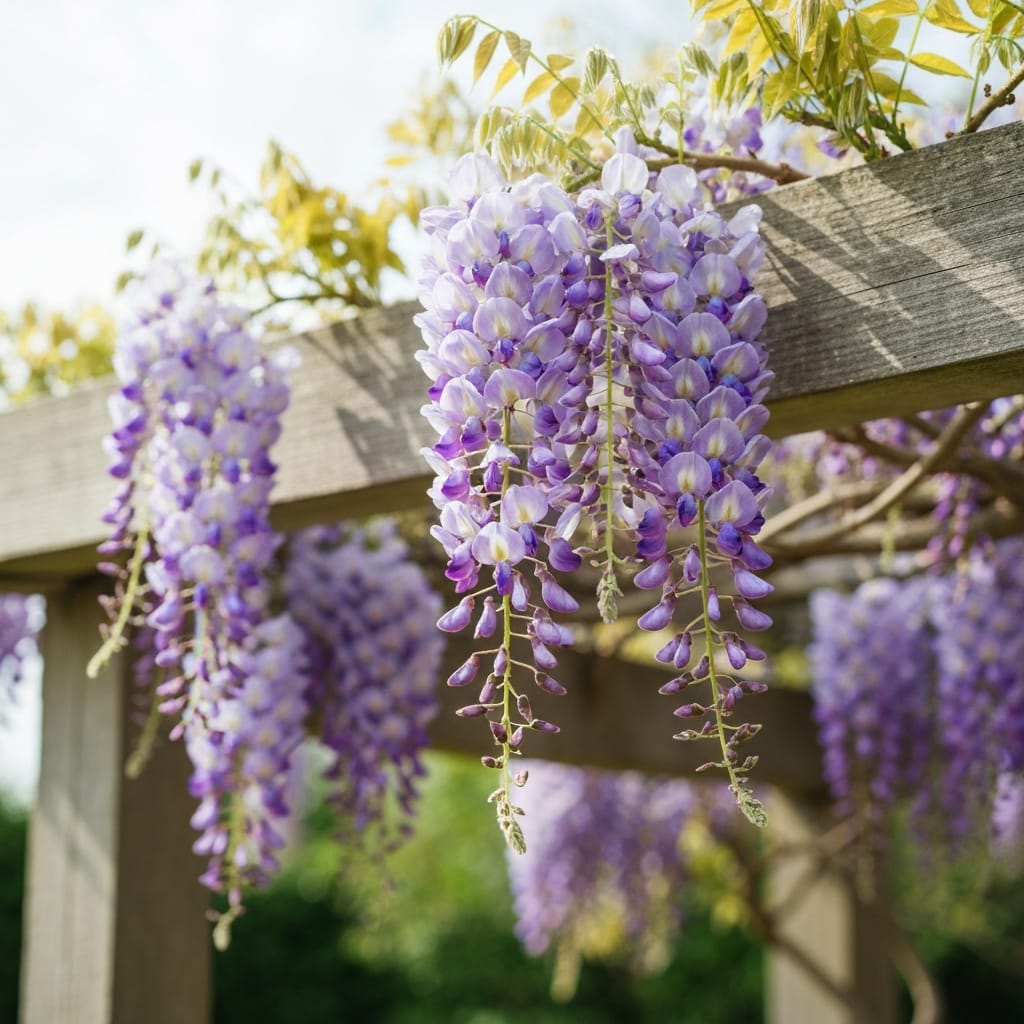
Wisteria is all about long-lived affection. It’s a climber that can live for decades, just like a deep, enduring relationship. It’s a beautiful, poetic gift for a long-term partner.
The bottom line is that flowers are more than just decoration; they are a bridge between hearts. Next time you visit your local florist, try picking a few stems based on their meaning, and watch how much more thoughtful your gift becomes.

