
Walk through any florist's display and certain flowers stop you immediately not because of their colour or size alone, but because of the sheer abundance of their petals. Flowers with many petals have a depth, richness, and visual complexity that simpler flowers cannot match. They photograph magnificently, create lush arrangements, and carry a sense of luxury that has made them the preferred choices for weddings, special occasions, and premium gifting.
This guide covers the most petal-rich flowers available at US florists, explains why petal count matters, and helps you choose the right multi-petal bloom for your arrangement or occasion.
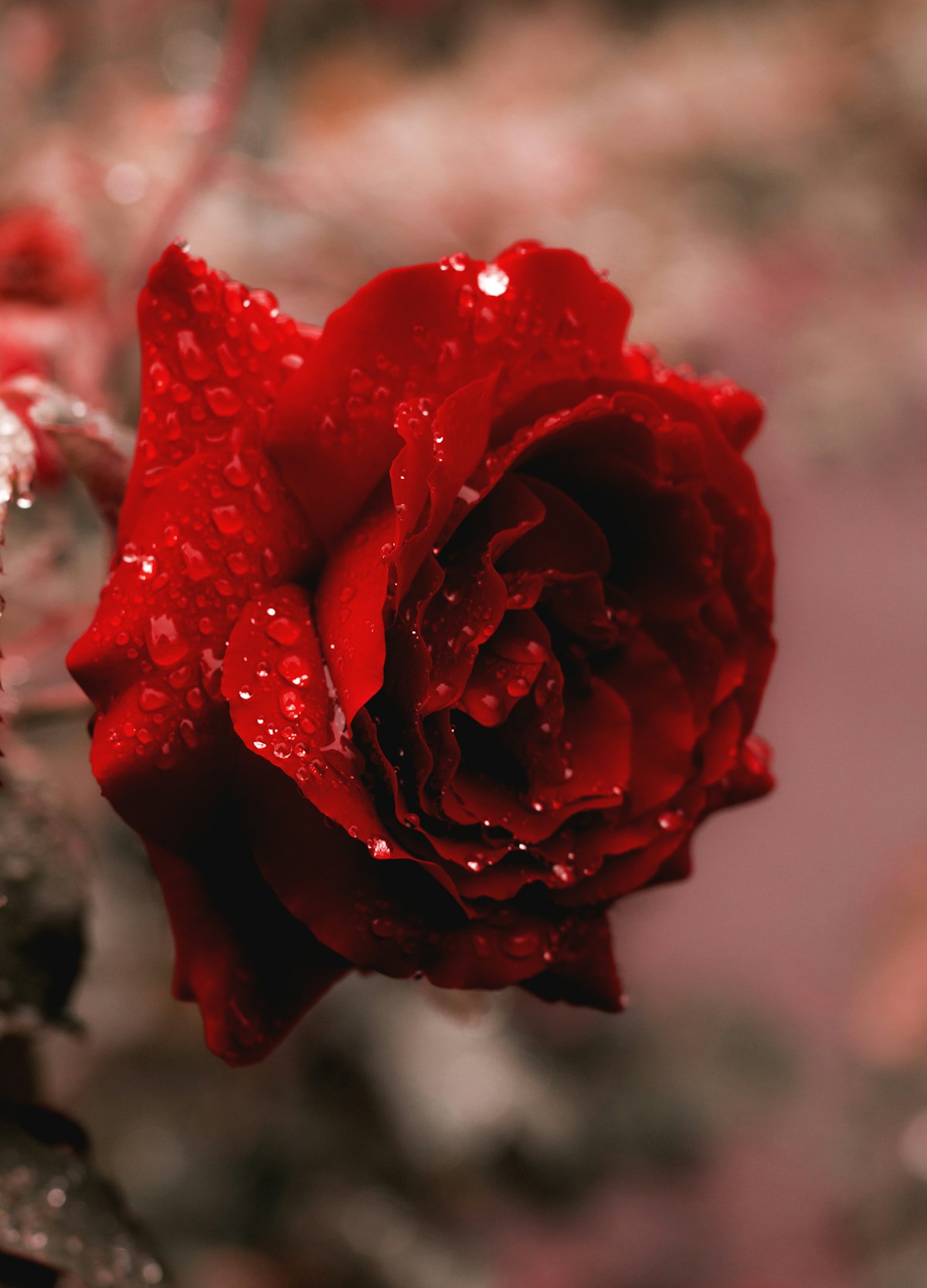
The Science of Petals
A "petal" is technically a modified leaf, part of the flower's structure that evolved to attract pollinators through visual signals. Most simple flowers have 4–8 petals arranged in a single ring around the flower's reproductive structures (stamen and pistil).
"Double-flowered" varieties occur through natural mutation or selective breeding: extra petals develop where stamens would normally be, creating a dense, multi-layered bloom. These double flowers often have reduced fertility (fewer viable seeds) because their pollen-bearing structures are replaced with petals, but their visual beauty is dramatically increased.
The petal count in flowers ranges from 3–5 (basic wildflowers) to 150+ (ranunculus). Understanding this range helps you identify which flowers will give you the most visual impact per stem.
Flowers With 20–30 Petals
Marigold (Tagetes)
Marigolds pack 20–30 petals into their round, cheerful blooms in warm yellows, oranges, and russets. Their densely layered petals create a solid, almost velvety texture that looks beautiful in both fresh and dried arrangements. During summer and fall, marigolds are available in abundance from US florists and garden centres at very reasonable prices.
Camellia (Camellia japonica)
Camellias are garden shrub flowers with 20–40 petals in elegant arrangements that resemble formal garden roses. Their glossy, deep green foliage and perfect bloom form made them a symbol of elegance in Japanese art and a favourite of Coco Chanel (who made the white camellia her signature symbol). They're seasonal cut flowers available from November through April.
Carnation (Dianthus caryophyllus)
Standard carnations have 20–35 petals with ruffled, frilled edges that create a dense, lush bloom. What makes carnation petals particularly distinctive is their scalloped edges: each petal has a delicately fringed or serrated border that creates an intricate, almost lacy quality. Despite their reputation as a "budget" flower, the petal structure of a fresh carnation is genuinely beautiful up close.
Flowers With 40–70 Petals
Decorative Dahlia (Dahlia)
Decorative dahlias the large, flat-faced variety arrange their 40–70+ petals in perfect geometric spirals following the Fibonacci sequence. This mathematical precision in petal arrangement creates a hypnotically regular, almost architectural quality that makes dahlias one of the most photographed flowers in the world. Dinner plate dahlias (12+ inches across) have the most impressive petal count in this range.
Garden Rose / David Austin Rose (Rosa)
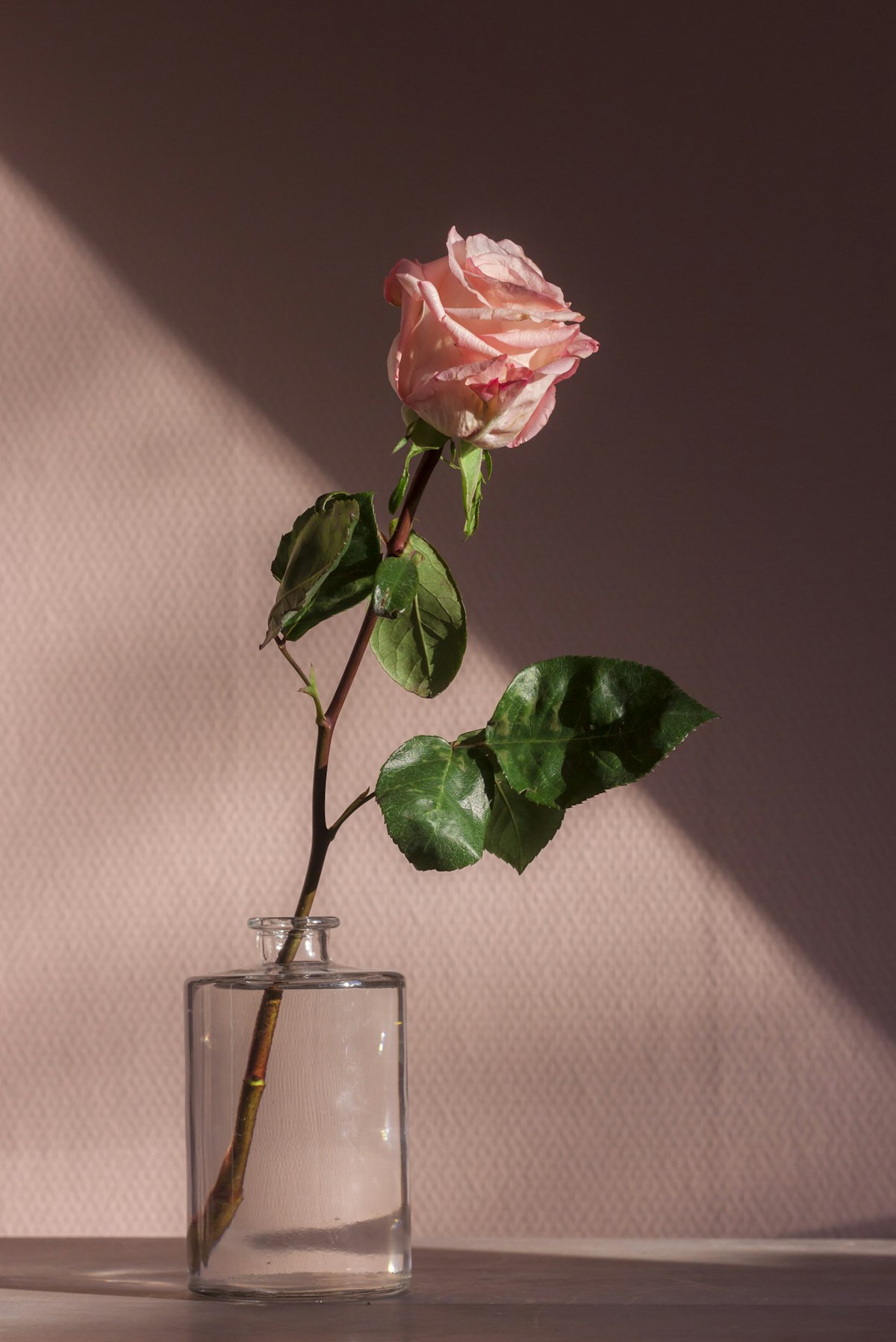
English garden roses (also called David Austin roses after their British breeder) were specifically developed to combine the high petal count of old garden roses with the repeat-blooming habit of modern varieties. The result: blooms with 40–100+ petals arranged in swirling, cupped or rosette forms that look entirely different from commercial hybrid tea roses.
The most popular garden rose varieties Juliet (warm apricot/peach), Patience (blush pink), Keira (deep pink), and Crown Princess Margareta (golden apricot) each have 80–100+ petals and a fragrance that standard commercial roses cannot match. These are the roses seen in high-end wedding photography and luxury floristry.
Flowers With 80–100+ Petals
Double Peony (Paeonia)
Double peonies are the most petal-rich commercially available cut flowers in the florist market. Full double peonies like Sarah Bernhardt, Festiva Maxima, and Kansas varieties pack 80–120+ petals into enormous, globular blooms that can measure 6–8 inches across when fully open. The petals are arranged in tight, concentric rings that unfurl gradually over 3–5 days, creating a dynamic display.
Peonies' extraordinary petal density is one reason they photograph so magnificently the depth of shadow and light created by all those petals produces dimensional, painterly images. They're the most sought-after wedding flower in the US for exactly this reason.
Ranunculus (Ranunculus asiaticus)
Ranunculus top the petal count chart for cut flowers, with up to 150 paper-thin petals per bloom. Despite their extraordinary petal count, ranunculus blooms are typically only 3–4 inches in diameter which means those 150 petals are packed into an incredibly dense, almost tessellated form. The petals are gossamer-thin, which gives the flowers an almost translucent quality when backlit.
This combination of petal density, delicacy, and excellent vase life (7–10 days) makes ranunculus the first choice of editorial and wedding photographers who need flowers that photograph with maximum depth and detail. They're available from January through May and are essential to any florist's spring inventory.
The Extended Multi-Petal Category
Chrysanthemum (Chrysanthemum)
Chrysanthemums are technically a category apart: rather than one flower with many petals, a chrysanthemum is actually a composite of many tiny flowers (florets) arranged together on a single head. Full pompon chrysanthemums can have 150–200+ individual florets, creating the appearance of a dense ball of colour. Each floret is a complete miniature flower.
This composite structure is shared by the entire Asteraceae family (daisies, sunflowers, dahlias, zinnias, asters, coneflowers) the "petals" you see on a daisy are actually ray florets, each a separate flower. The apparent simplicity of a daisy conceals remarkable biological complexity.
Petal Count Reference Guide
| Flower | Typical Petal Count | Season | Availability |
|---|---|---|---|
| Ranunculus | 50–150 petals | Jan–May | Specialty florists |
| Double Peony | 80–120+ petals | Apr–Jun | Seasonal, peak May |
| Garden Rose | 40–100 petals | Year-round | Florists, specialty |
| Decorative Dahlia | 40–70 petals | Jul–Oct | Seasonal |
| Chrysanthemum | 100+ florets | Year-round | All florists |
| Garden Carnation | 20–35 petals | Year-round | All florists |
| Marigold | 20–30 petals | May–Oct | Garden centres |
High petal count flowers consistently outperform simpler flowers in several measurable ways:
Photography: More petals create more shadow depth, more light-and-dark contrast, and a richer visual texture. Ranunculus and garden roses are the preferred flowers for editorial and wedding photography because they photograph with extraordinary dimensional quality.
Longevity: Double flowers tend to open more slowly than single varieties, which extends the display period. A double peony bought in bud form may take 3–5 days to fully open, giving you 7–10 days of beautiful display.
Impact per stem: One stem of ranunculus or garden rose has the visual impact of 3–5 stems of a simpler flower. This makes multi-petal flowers cost-effective for arrangements where you want maximum impact with a smaller stem count.
Perceived luxury: Multi-petal flowers are universally associated with premium floristry. Arrangements featuring garden roses, peonies, and ranunculus read as luxurious regardless of the overall budget.

Choosing the Right Multi-Petal Flower for Your Needs
Maximum visual impact: Dinner plate dahlias (August–October) the largest available bloom head.
Maximum petal density: Ranunculus (January–May) up to 150 petals in a 3–4 inch bloom.
Most romantic: Double peony (April–June) the wedding flower of choice.
Most versatile: Garden rose (year-round) available in every colour, works for every occasion.
Best value: Garden carnation (year-round) 20–35 petals at the lowest price point.
Frequently Asked Questions
Quick answers to common questions


